


Aramu Muru (Hayu Marca): Light Trekking, Andean Mysticism, Photos
Aramu Muru, or Hayu Marca, is a mysterious Andean gateway near Lake Titicaca. Ideal for easy trekking, the site offers breathtaking landscapes, the enigmatic “Gate of Hayu Marca,” and an atmosphere steeped in ancient mysticism. Perfect for those seeking a connection with Andean tradition and unique photographs.

Aramu Muru (Hayu Marca): Trekking Ligero y Misticismo Andino
Aramu Muru, also known as Hayu Marca , is a fascinating archaeological and natural site located in the mountains near Lake Titicaca in southern Peru. It is famous for its enigmatic Aramu Muru Gate , a structure carved into the rock that has given rise to numerous legends and theories about its purpose and origin. This place is important not only for its natural beauty and history but also for the air of mysticism and spirituality that surrounds it, attracting both tourists and seekers of the supernatural.
Aramu Muru Gate
The Aramu Muru Gate is a large, portal-shaped rock structure, approximately 7 meters high. It is believed that this gate was an important ceremonial site for ancient Andean cultures. The shape and design of the gate have given rise to numerous speculations about its function: some consider it an “interdimensional portal” or a passage to other realities, while others think it may have been a place of initiation or contact with the gods.
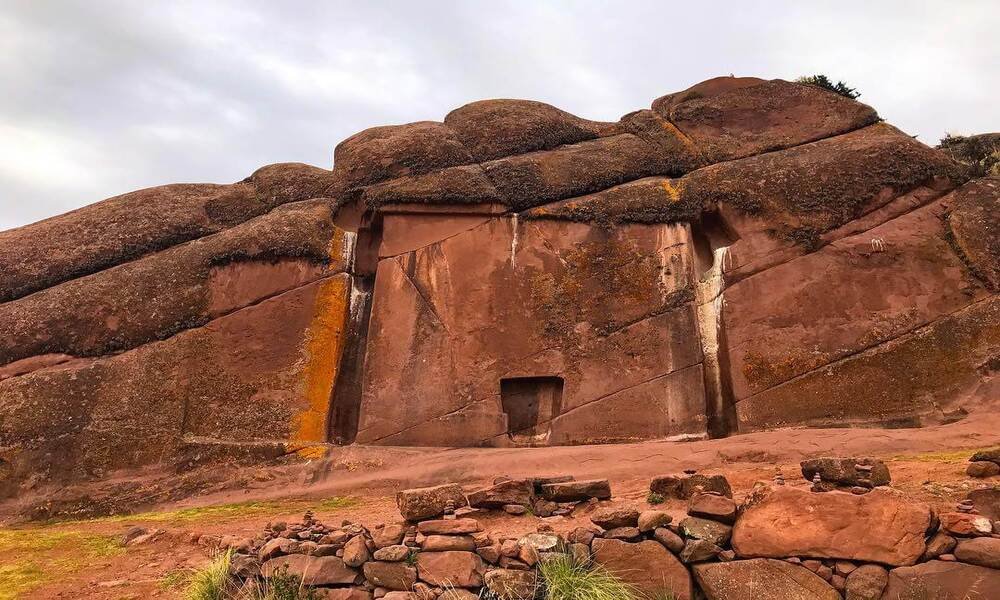
The name “Aramu Muru” comes from local legends about a priest named Aramu Muru, who supposedly used the gate to escape colonial forces or to perform secret rituals. However, the true story behind this place remains a mystery.
Ligth Trekking
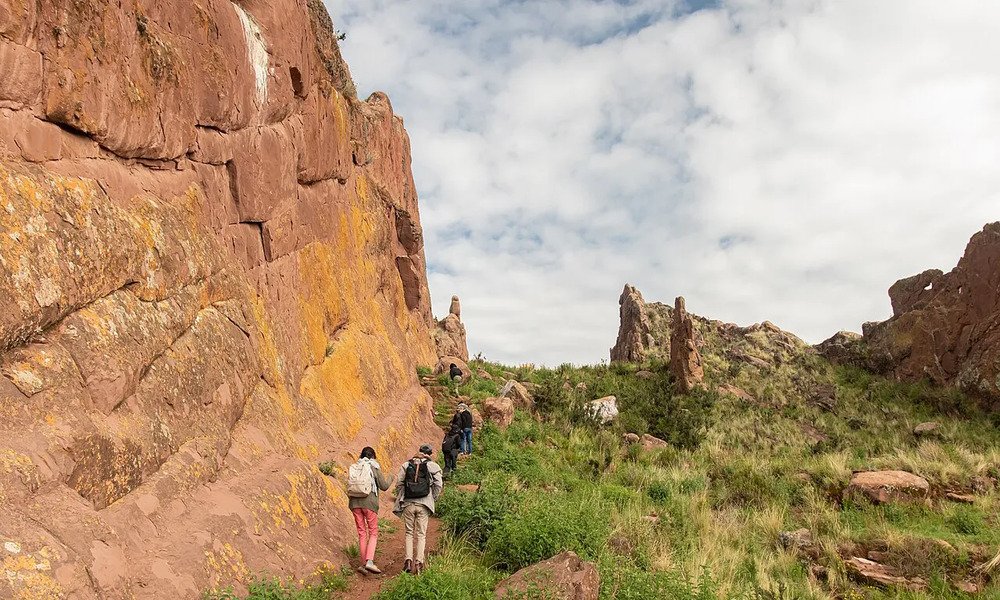
The Aramu Muru trek is a moderate hike that offers an excellent opportunity to explore the natural beauty of the Andean Altiplano . The route isn’t overly demanding, making it perfect for those seeking a gentle yet enriching adventure. During the trek, visitors enjoy panoramic views of the mountainous landscape and Lake Titicaca in the distance. Furthermore, the Aramu Muru area is teeming with local flora and fauna, making the trek even more appealing to nature lovers.
Andean Mysticism
The mysticism surrounding Aramu Muru is an essential part of its appeal. The site is closely linked to Andean beliefs about the connection between the physical and spiritual worlds. For local communities, the site is considered sacred and has been used for centuries for ceremonies related to agricultural cycles, the worship of Pachamama (Mother Earth), and other Andean deities.
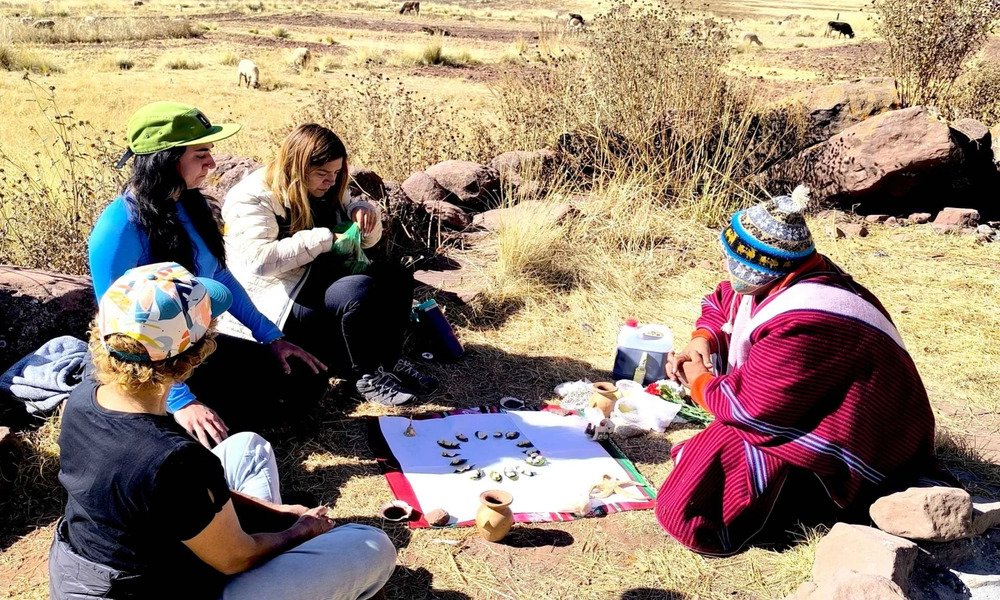
The area is also known for its legends about spiritual beings and portals to other worlds. Some accounts claim that the Aramu Muru gate acts as a “dimensional gateway,” and that people or beings from other planes of existence may have used it in ancient times. This mystical atmosphere, along with the spectacular views, makes the trek both a spiritual and visual experience.
Photography
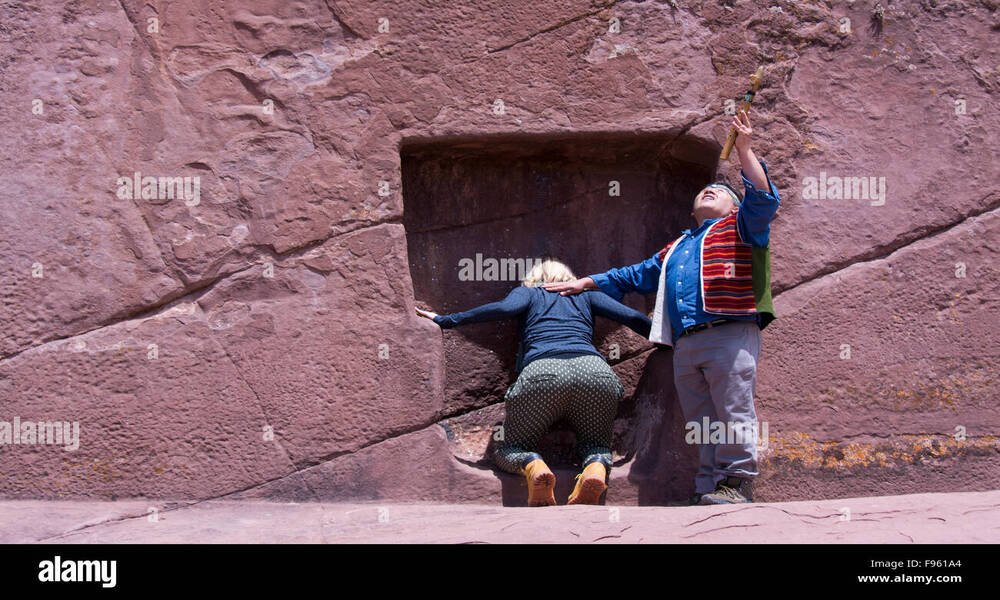
The site is an ideal location for photography, especially due to the stunning stone door, the Andean landscapes, and the unique light of the highlands. The “Aramu Muru Door” provides a spectacular frame for photos, particularly at sunrise or sunset when the colors of the sky and mountains blend into an almost magical atmosphere. Additionally, the panoramic views of Lake Titicaca and the nearby rock formations offer excellent opportunities to capture the natural beauty of the region.
How to get there
Aramu Muru is located about 45 km west of Puno, the nearest city. You can reach it by private car or on a guided tour from Puno, which allows visitors to explore the area more comfortably and safely. Travelers can also choose to take an excursion from Lake Titicaca to this mysterious site.
To get to Aramu Muru from Puno, you have several transportation options:
By Private Car or Taxi: The journey takes about 1.5 to 2 hours, depending on the road conditions. The route is mostly accessible, although some sections are dirt roads, so it’s recommended to use an appropriate vehicle, especially during the rainy season.
Guided Tours: A popular option is to book a tour, which includes transportation, a tour guide, and an explanation of the site and its legends. These tours usually depart from Puno and are perfect if you’re looking for a more complete experience, as local guides provide insights into Andean mysticism and regional traditions. Additionally, some tours include visits to nearby attractions such as the Cathedral of Puno or the Uros Islands.
From Lake Titicaca
Travelers on the islands of Lake Titicaca, such as Taquile or Amantaní, can also take an excursion to Aramu Muru. Although access from the lake is less direct, several tour agencies in Puno organize combined tours that include transportation from the islands or even from the city of Copacabana in Bolivia.
Travel recomendations
Best Time to Visit: The dry season (from May to October) is ideal for trekking, as the conditions are more favorable. During the rainy season (from November to April), the terrain can be slippery, and access may be more difficult.
Recommended Equipment: Although the trekking is not very demanding, wear comfortable and suitable footwear for walking on uneven terrain. It’s also essential to bring water, sunscreen, and lightweight clothing, as the weather can be unpredictable: sunny days followed by cold winds.
Local Guides : It is highly recommended to hire a local guide who knows the area well and can share the history and mysticism of Aramu Muru . Guides can also make the experience much more enriching.
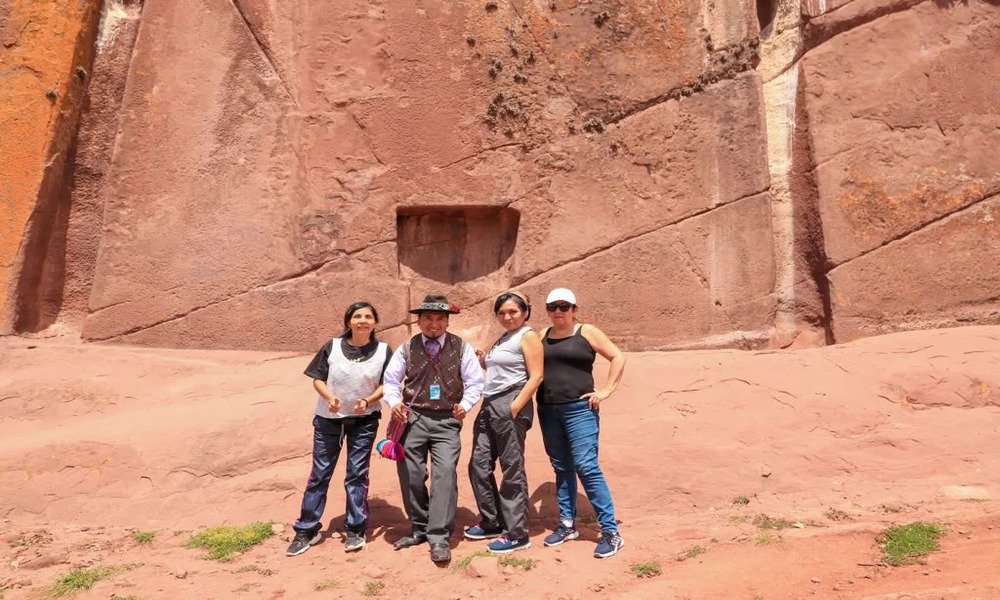
Visiting Aramu Muru is an excellent way to combine adventure, history, and Andean mysticism , while exploring one of the most enigmatic places in the Peruvian Andes .
Conclusion
Aramu Muru (Hayu Marca) is a unique destination that combines the natural beauty of the Andes with profound Andean mysticism. Whether you’re drawn to history, legends, or simply easy trekking, this site offers a complete experience. It’s a place where past and present meet, offering a fascinating glimpse into the beliefs and traditions of ancient Andean cultures.