What is the best time to travel to Puno? (dry season vs rainy season)
Choosing the best time to travel to Puno can make all the difference to your Lake Titicaca experience. The region has two distinct seasons: the dry season and the rainy season. Each offers its own advantages and challenges, from clearer landscapes and sunny skies to local festivals and vibrant natural colors. Understanding the characteristics of each season will help you plan your ideal trip.
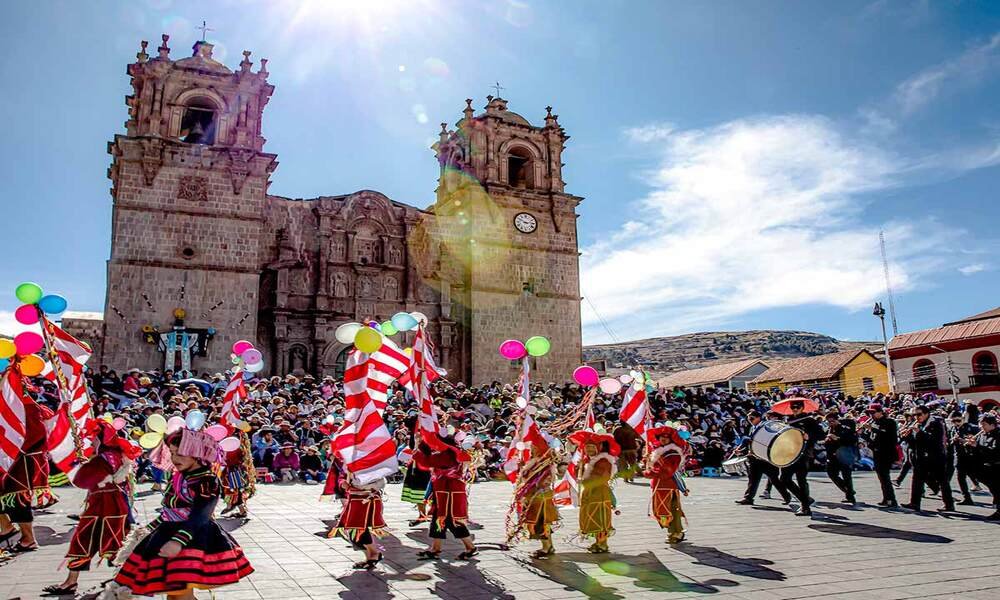
Weather in Puno
Puno, located on the shores of Lake Titicaca at over 3,800 meters above sea level, has a typical high-altitude climate: cold at night and mild during the day, with well-defined seasons. The climate greatly influences your travel experience, especially if you want to enjoy the lake, the islands, and the local festivals.
Temporada seca (mayo a octubre)
The dry season in Puno, from May to October, is characterized by sunny days and clear skies, offering the best conditions for exploring Lake Titicaca and enjoying outdoor activities with spectacular scenery.
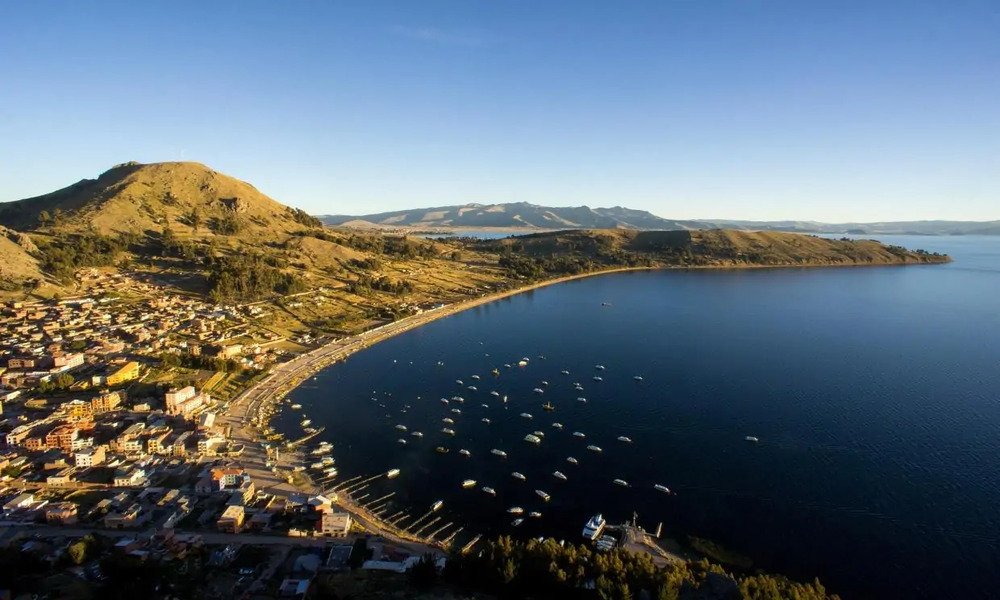
Climate: Clear skies, sunny days, and cool nights. Daytime temperatures are pleasant, but they can drop significantly at night, especially in June and July.
Advantages:
Ideal for outdoor activities such as excursions to Taquile and Amantaní islands , trekking and boat trips.
Best conditions for photography: blue skies and clear landscapes.
Less chance of rain ruining plans.
Greater visibility on Lake Titicaca, allowing you to enjoy panoramic views and spectacular reflections of the water.
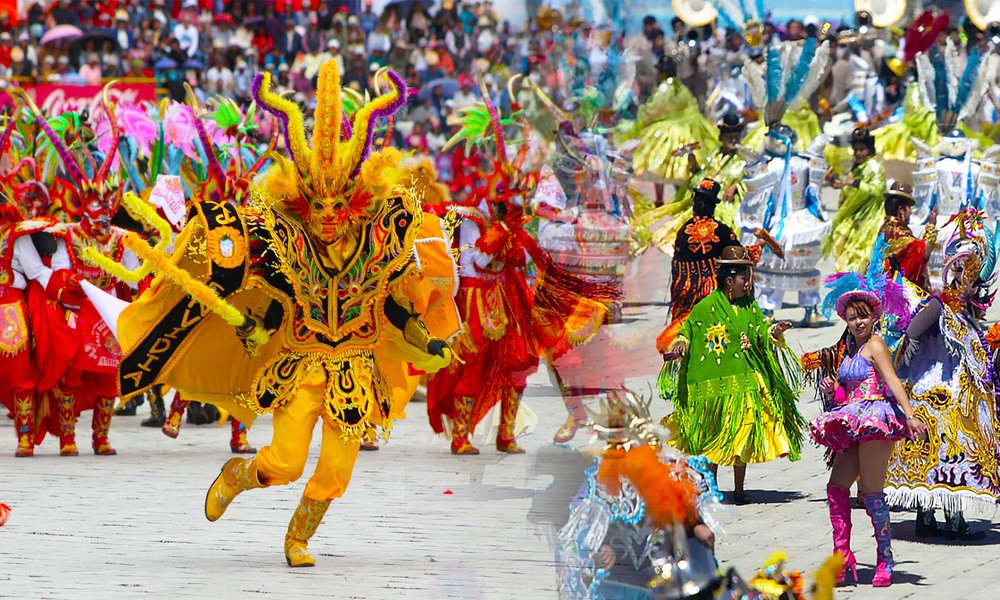
Local festivities, such as some religious and cultural celebrations, often coincide with this season.
Drier and safer paths and trails for walking or hiking.
Ideal for those seeking comfort and a more predictable and organized tourist experience.
Disadvantages:
Nights can be very cold, especially if you’re not used to the altitude.
Nights can be very cold, especially from June to August.
Higher tourist influx during the driest and sunniest months (June-August), which may affect accommodation availability and prices.
Rainy season (November to April)
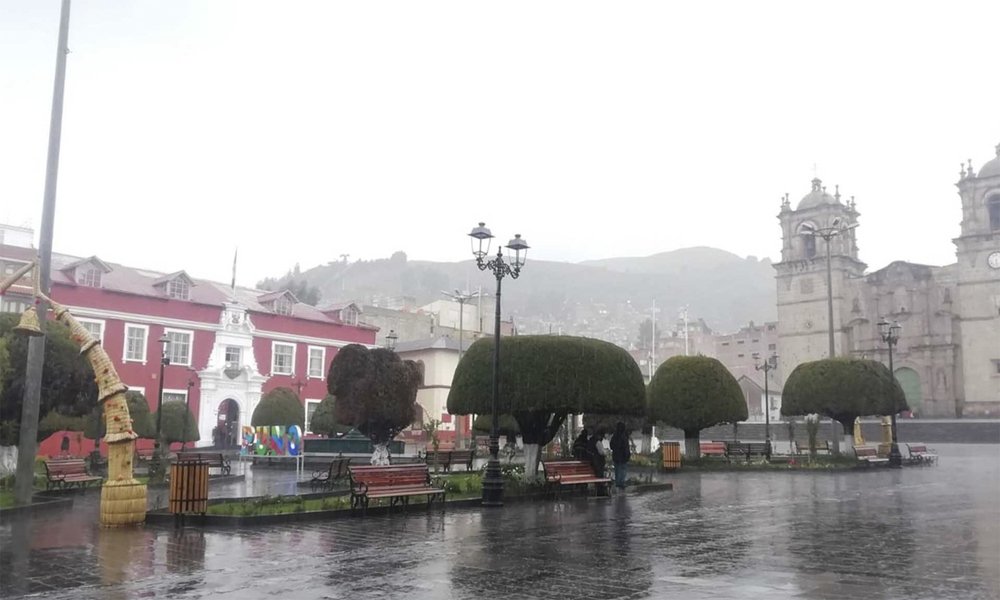
Weather: Frequent rain, cloudy skies, and some short thunderstorms, generally in the afternoon. The temperature remains cool, but humidity increases, making mornings cooler and afternoons more humid, according to SENAMHI .
Advantages:
Green and vibrant landscapes , with more vibrant fields and mountains, ideal for nature lovers and landscape photography.
Fewer tourists , allowing you to enjoy the islands and attractions more peacefully and with a more authentic experience.
Local festivities , as some cultural and religious celebrations coincide with this season, offering the opportunity to experience unique traditions.
Accommodation and tour prices are usually cheaper due to lower tourist demand.
Lake Titicaca is showing a higher water level, offering different views and reflections than in the dry season.
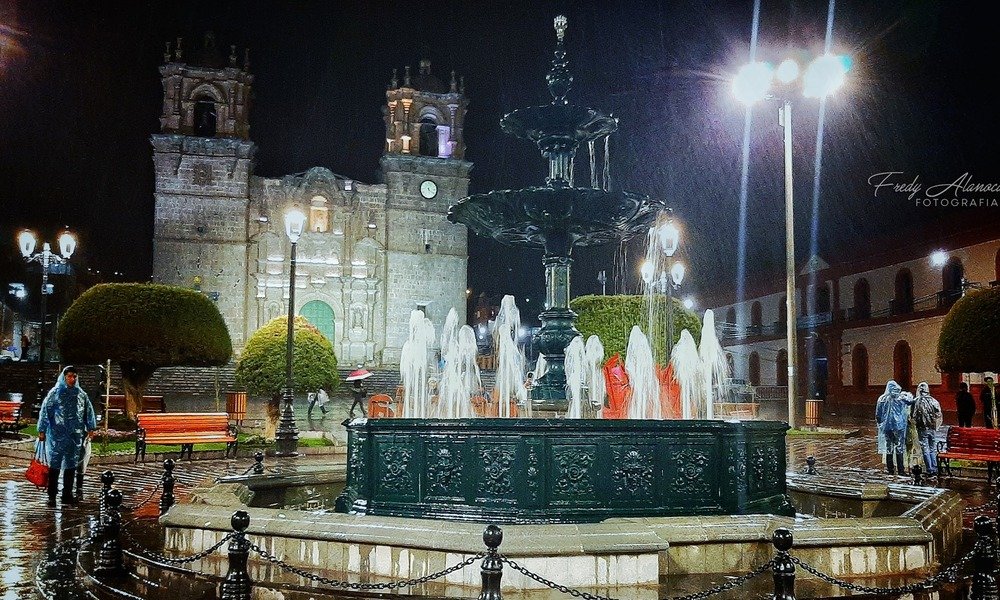
Disadvantages:
Rainfall that may affect outdoor activities, especially island excursions and trekking.
Slippery or difficult roads and paths, requiring caution and good preparation.
Reduced visibility for landscape photography due to cloudy skies.
Some tourist services may reduce their frequency or availability due to the weather.
General recommendation
If you’re looking for clear landscapes and maximum tourist activity , the dry season is the best option.
If you prefer a quieter experience, with vibrant nature and fewer tourists , the rainy season can also be attractive, although with more caution regarding the weather.