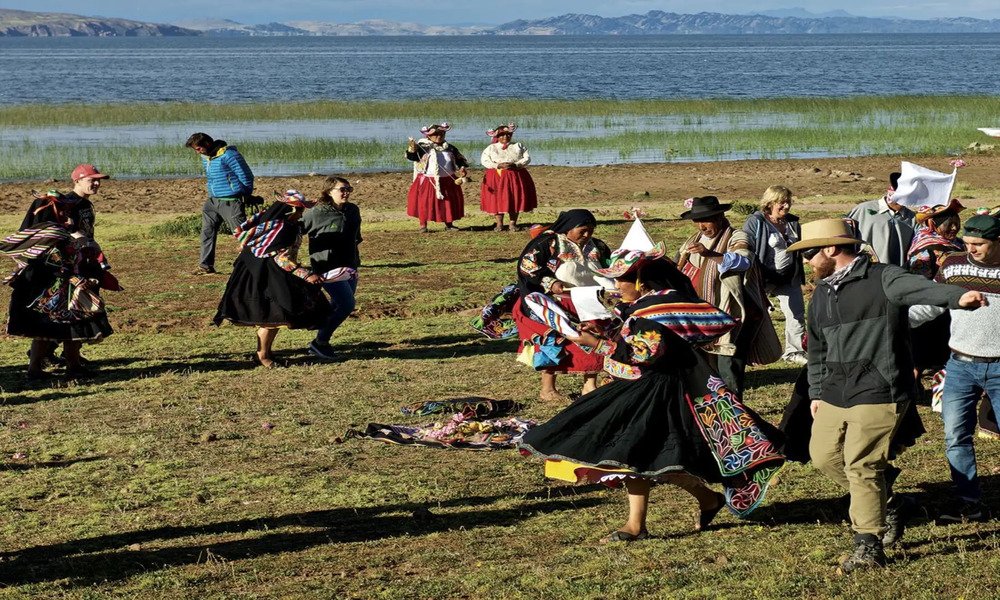
“Capachica Peninsula: Llachón, Rural Cycling, Hiking, and Experiential Tourism”
The Capachica Peninsula , on the southern shore of Lake Titicaca , is an ideal destination for experiential tourism . Its traditional villages and tranquil landscapes allow visitors to enjoy rural cycling, hiking , and activities with the local community, offering an authentic experience in contact with nature and Andean culture, as well as the opportunity to participate in local activities , learn about ancestral customs, and enjoy the region’s authenticity.
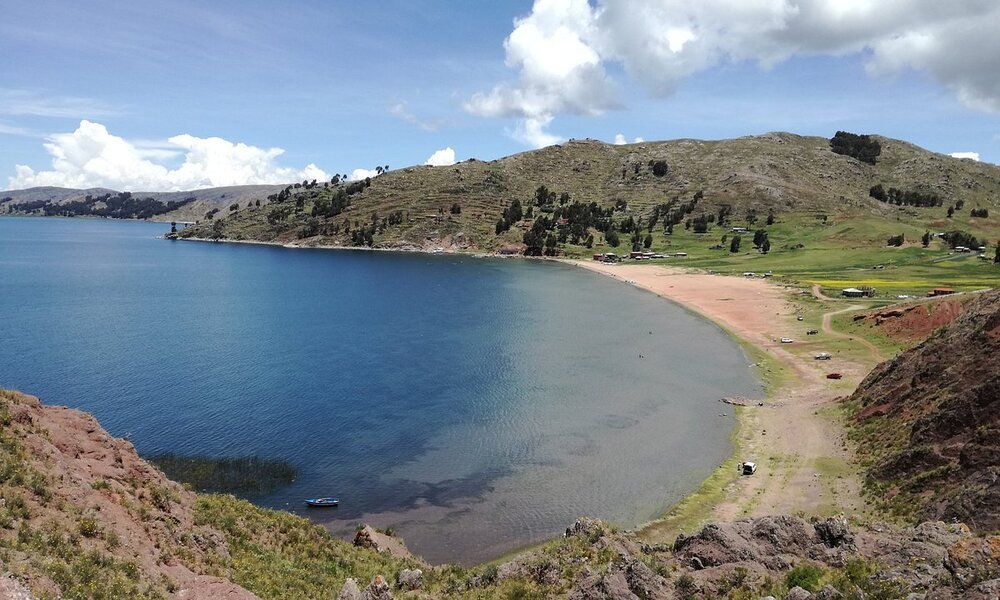
Location
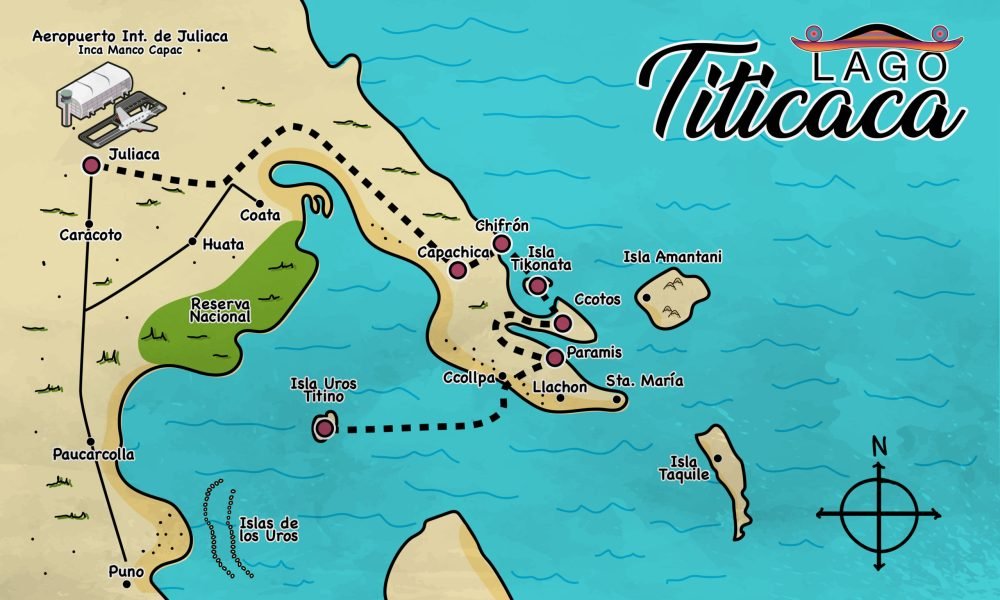
The Capachica Peninsula is located in southern Peru , within the Puno region , on the southern shore of Lake Titicaca . It lies between the city of Puno and the Bolivian border, forming part of the Puno province and the Capachica district. Extending towards the lake, it is dotted with several traditional villages along its rural roads, Llachón being one of the best known, although the peninsula boasts numerous communities offering experiential tourism.
Llachón
Llachón is a small town located on the Capachica Peninsula , on the southern shore of Lake Titicaca , in the Puno region of Peru. It is known as a rural tourism destination , where visitors can experience the daily life of the local community.
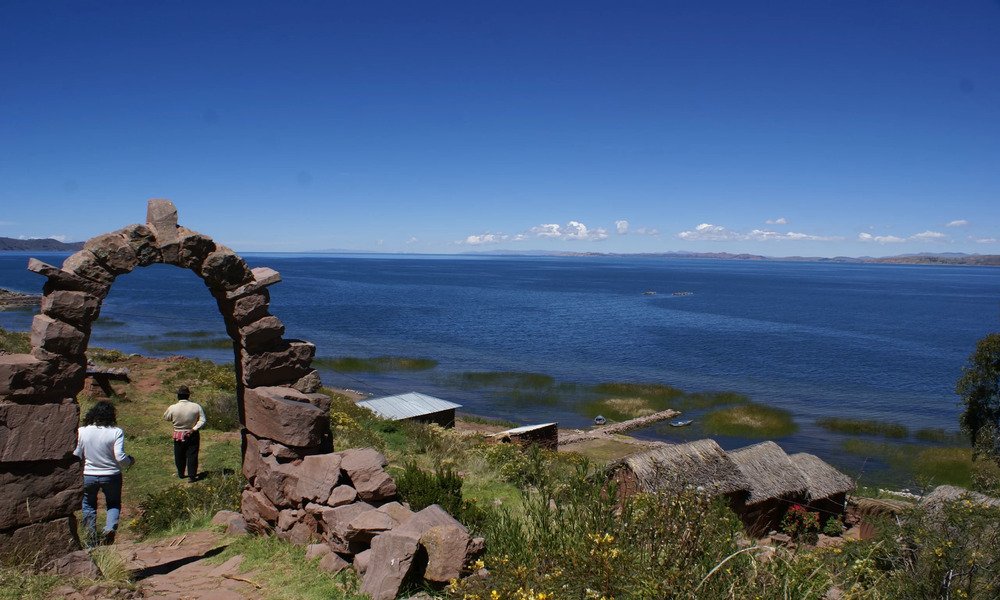
Among its attractions are:
Quiet beaches on the shore of the lake, ideal for relaxing and enjoying the scenery.
Community tourism , with lodging in family homes, participation in agricultural activities, artisanal fishing and craft workshops.
Walks and hikes in the surrounding area, allowing you to explore cultivated fields, natural viewpoints and paths between traditional villages.
Rural cycling , exploring the trails of the peninsula while observing the daily life of its inhabitants and the Andean landscape .
Llachón is an ideal place for those seeking to disconnect, connect with Andean culture and authentic experiences , far from the mass tourism of Lake Titicaca.
Rural Cycling
1. Routes and Trails
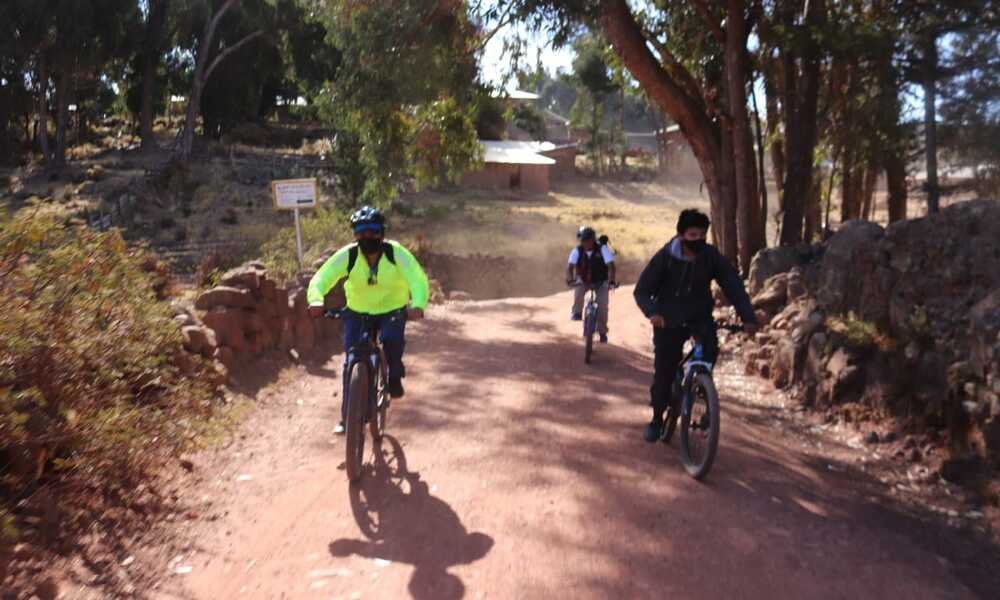
The peninsula offers dirt roads, rural trails, and routes along the shores of Lake Titicaca , connecting the various towns and communities. These routes are generally lightly trafficked , ensuring safety and tranquility for cyclists.
2. Difficulty Level
-
Most of the trails are moderate , suitable for cyclists with basic or intermediate experience. Some paths traverse gentle slopes and low hills , offering a bit of a challenge and spectacular panoramic views of the lake and the plateau.
3. Landscapes and points of interest
- Farmland : You can see plots of potatoes, quinoa and broad beans, with farmers working the land in a traditional way.
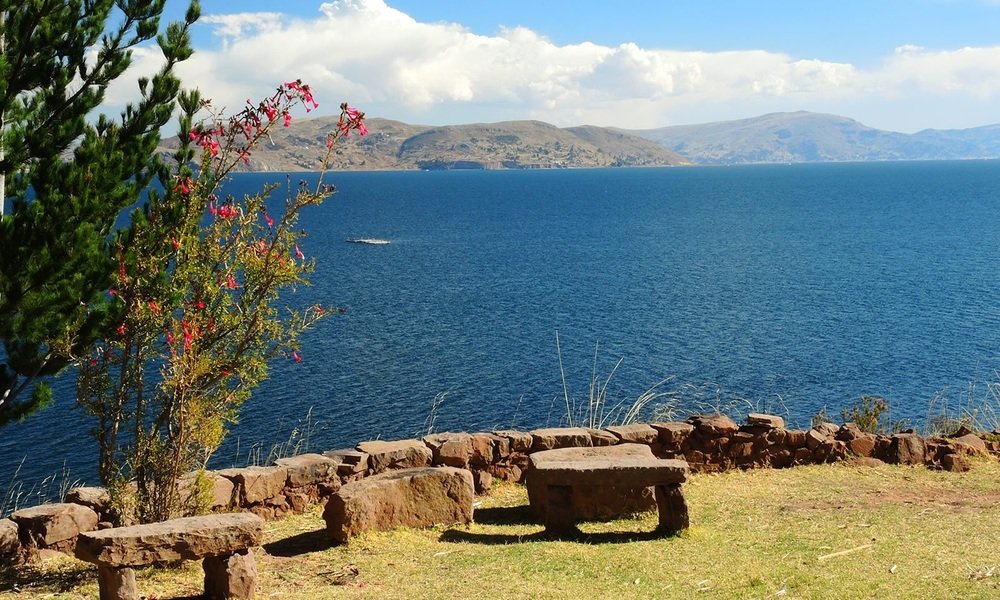
- Lake shores : stretches along the water allow you to appreciate the tranquility of Lake Titicaca, small beaches and water birds.
- Traditional villages : routes that pass through villages like Llachón and other communities allow you to discover the typical architecture, squares and local daily life.
4. Benefits of Rural Cycling
- Authentic experience : getting around by bicycle allows for close contact with local culture and nature.
- Sustainable development : promotes responsible tourism, with low environmental and direct economic impact for the community.
- Healthy activity : combines exercise with cultural and landscape exploration.
5. Recomendations
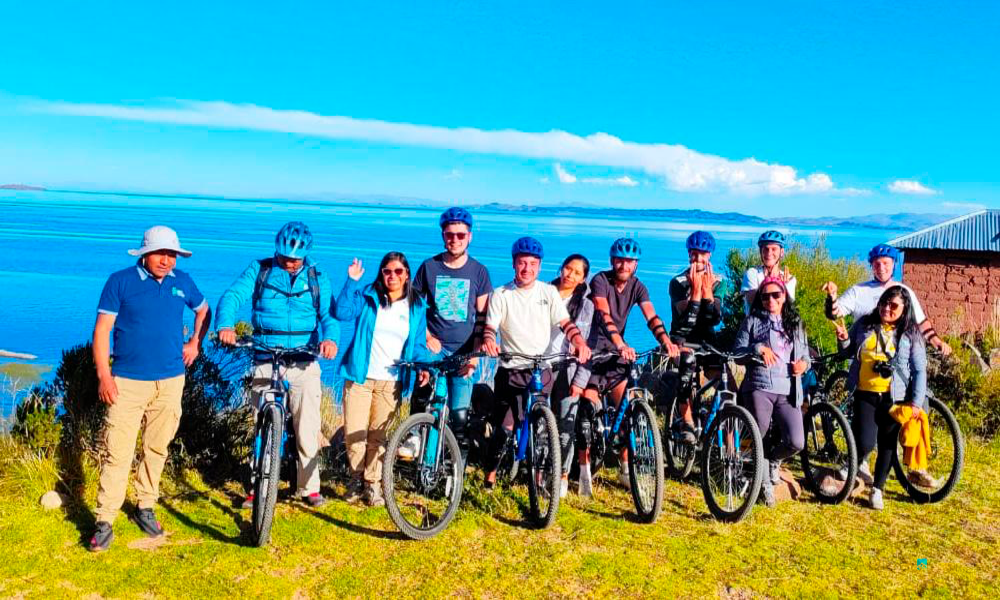
- Bring all-terrain or mountain bikes for greater comfort on uneven roads.
- Use sun protection, water, and appropriate clothing for the highland climate.
- Respect the daily lives of the inhabitants and travel carefully through the cultivated fields.
Hiking
Visitors can hike along trails that connect villages, natural viewpoints and cultivated areas, allowing close contact with rural life, local flora and the Andean landscape.
Experiential Tourism
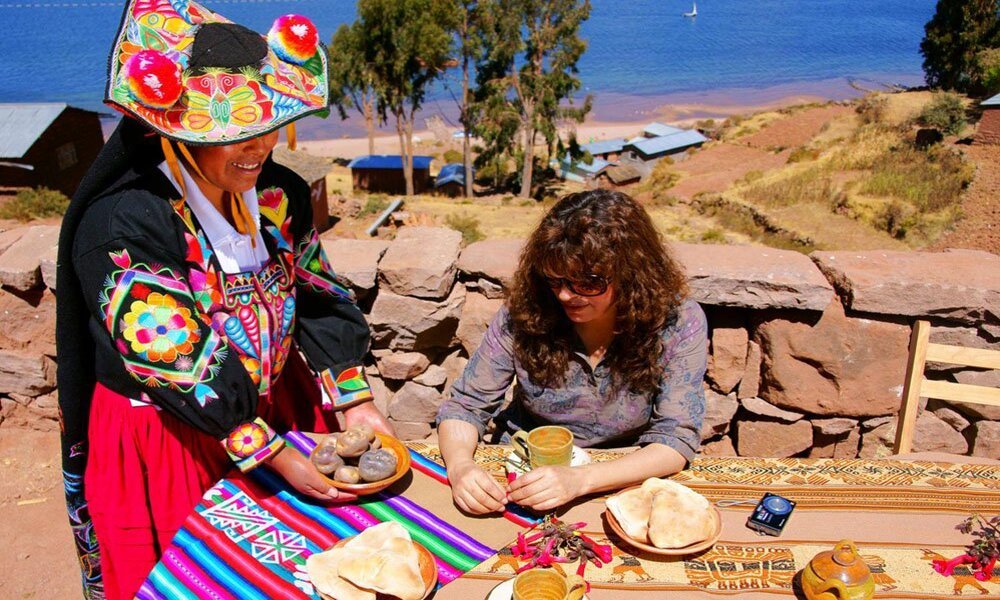
The communities of Capachica offer experiences where tourists participate in daily activities such as agriculture, artisanal fishing, the preparation of traditional foods, and craft workshops. This allows for a genuine cultural exchange and contributes to local economic development.
Overall, the peninsula is ideal for those seeking authentic, peaceful tourism in contact with nature , far from the mass tourism circuits, and for those who wish to get to know the Andean culture and customs of Lake Titicaca up close.
How to Get There
In public land transport
- From Puno: You can take a bus or minivan from the city to the different towns of the peninsula, such as Llachón, Capachica or Chucuito.
- Approximate duration: 1.5 to 3 hours, depending on the exact destination and road conditions.
- Cost: Generally inexpensive, between 5 and 10 soles per person.
By private vehicle or taxi
- Ideal if you are looking for flexibility in schedules and routes .
- It allows you to explore the peninsula at your leisure, stopping at viewpoints and traditional villages.
- The route usually passes through cultivated fields and small villages , showcasing the rural landscape of the high plateau.
Combination of transport and local tours
- Some tour operators in Puno offer day trips or short stays , which include transportation, a guide, and experiential tourism activities in the communities.
- This option is recommended for those who want organized activity and cultural explanations .
Conclusion
Llachón, on the Capachica Peninsula, offers an authentic and tranquil experience on Lake Titicaca. With community-based tourism , hiking, rural cycling, and immersion in Andean culture, visitors enjoy natural landscapes, living traditions, and a less touristy environment, ideal for disconnecting and experiencing local life .