


Carlos Dreyer Museum of Puno: Regional History, Art, and Pre-Hispanic Culture
The Carlos Dreyer Museum in Puno , Peru, is an important cultural center showcasing the regional history, art, and pre-Hispanic culture of the Andean highlands. Founded in 1968, it houses a valuable collection of artifacts from pre-Incan cultures such as the Tiwanaku and Nazca , as well as colonial art. This museum is a key resource for understanding the evolution of Andean civilizations and their influence on the Lake Titicaca region .
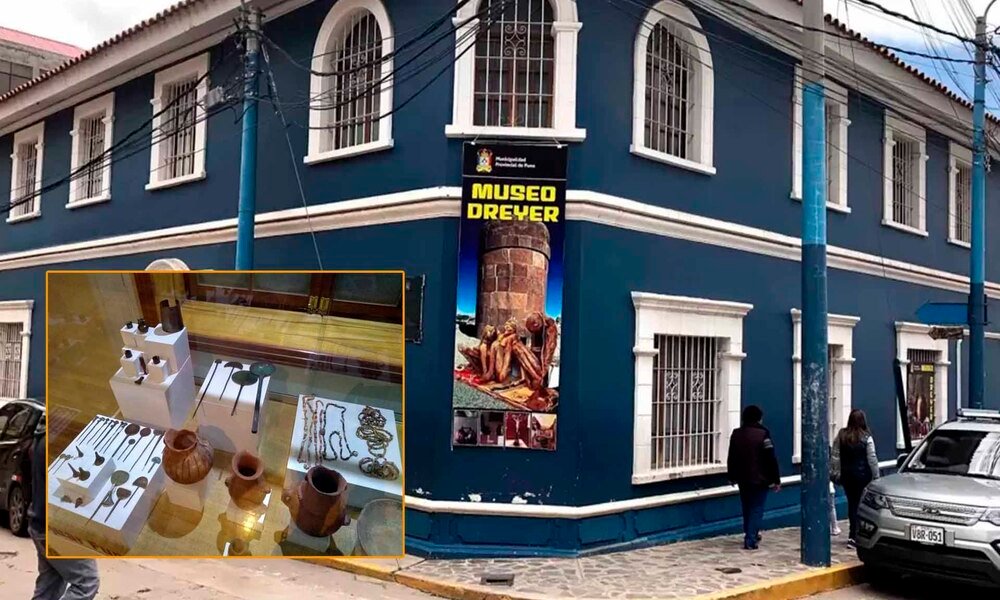
The Carlos Dreyer Museum in Puno , Peru, is one of the region’s leading museums, dedicated to preserving and disseminating the rich cultural history of the Andean highlands, especially concerning the pre-Hispanic civilizations that inhabited the area. It was inaugurated in 1968 and is named after Carlos Dreyer , a German archaeologist and collector who arrived in the region at the end of the 19th century and whose work was fundamental to the conservation of numerous archaeological artifacts.
Collection and Exhibition
The museum houses a remarkable collection of artifacts spanning from prehistory to the colonial era, with a focus on the pre-Incan civilizations that inhabited the Lake Titicaca region , such as the Tiwanaku and Nazca . Among its most important pieces are:
-
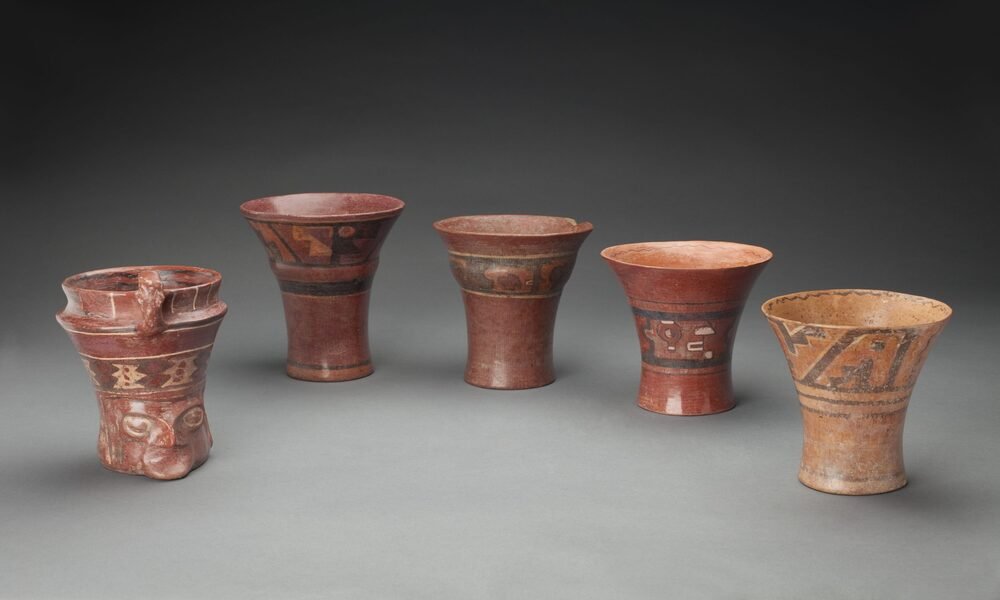
Tiahuanaco Ceramics: The museum has one of the most complete collections of ceramics from the Tiahuanacor=”auto” style=”vertical-align: inherit;”> culture , famous for its geometric shapes and symbolism related to the Andean worldview.
-
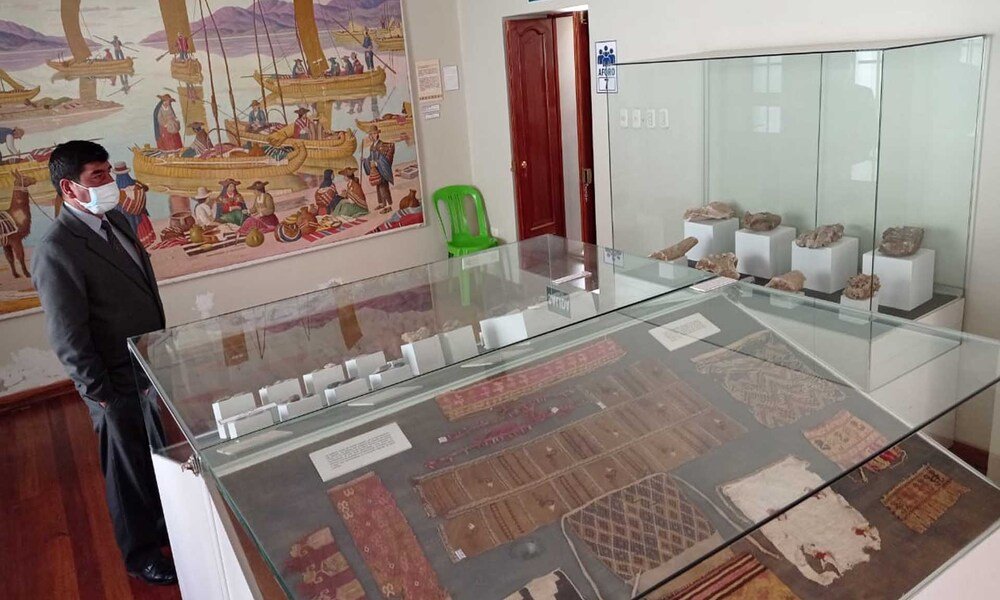
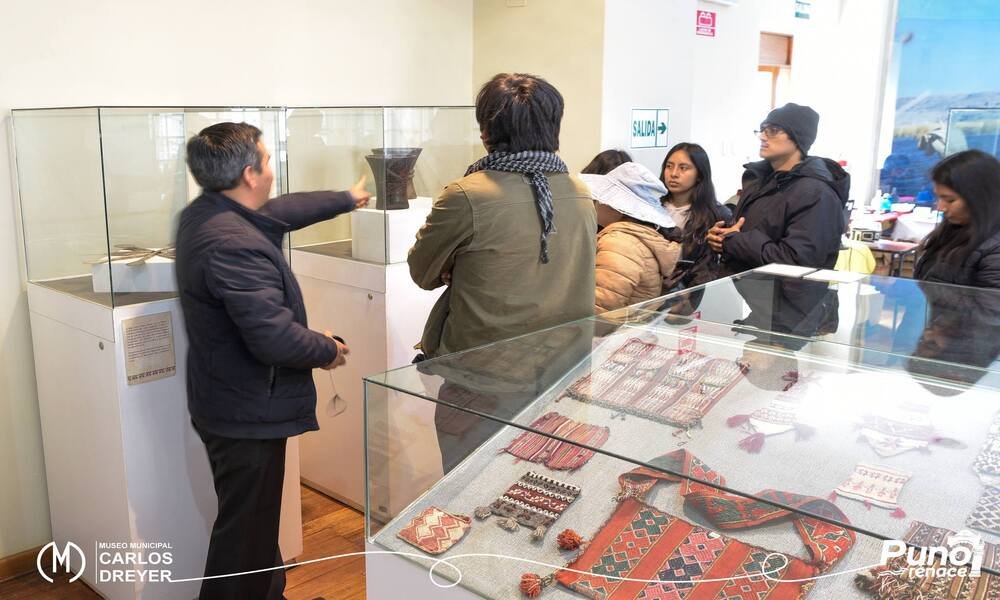
Textiles: Another highlight of the collection is the Andean textiles, which reflect a high level of craftsmanship. These textiles served not only as clothing but also held ceremonial and social significance.
-
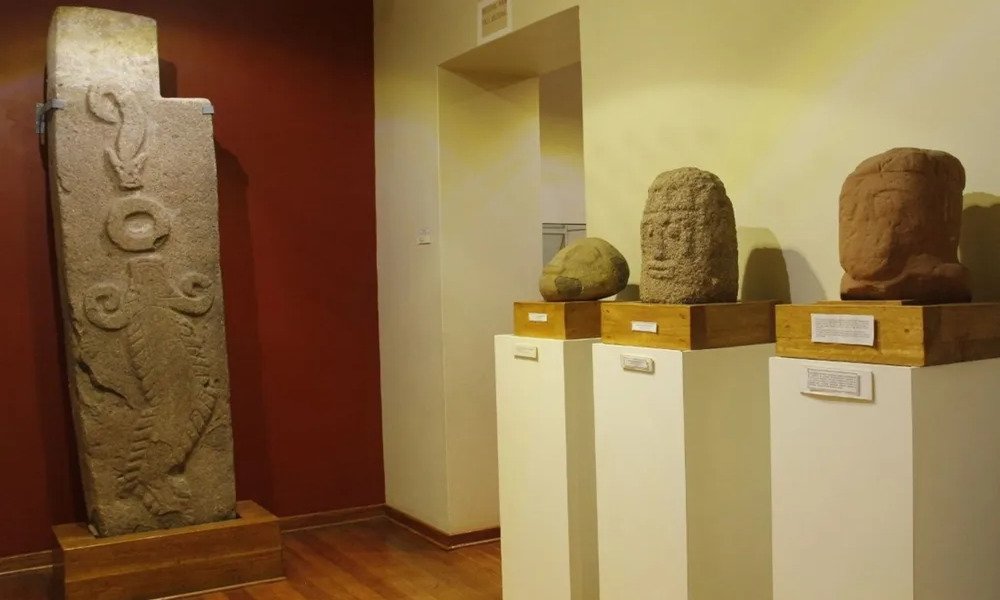
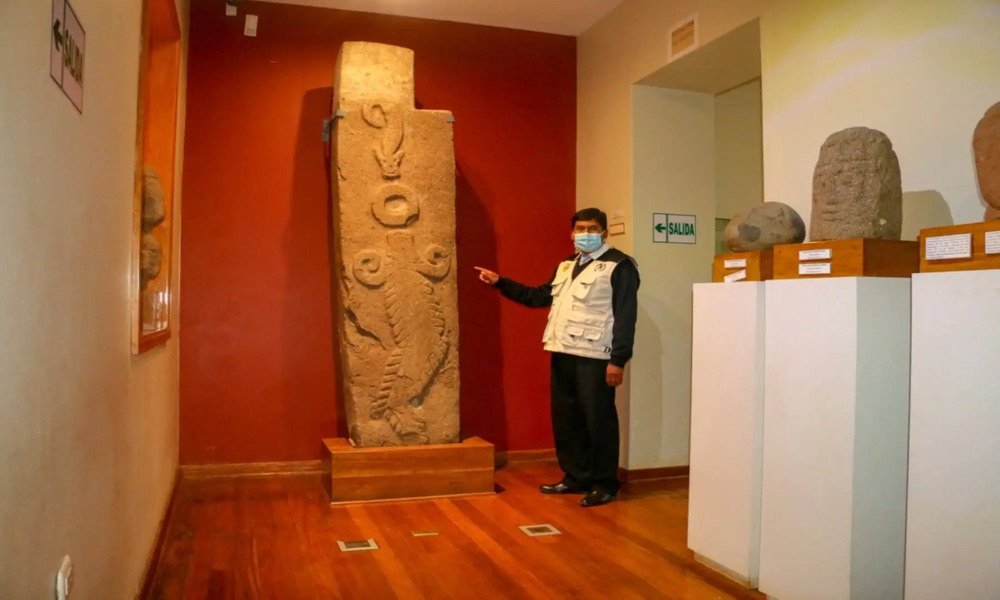
Sculptures and Monoliths: Among the sculptural pieces, the museum exhibits replicas of the famous monoliths and stelae of Tiahuanaco, which represent the artistic skill of these ancient civilizations.
- ata-start=”1507″ data-end=”1723″>
end=”1527″>Colonial Art: You can also appreciate an important collection of colonial art, which shows the cultural transition of the indigenous communities to European influence after the arrival of the conquerors.
Architecture and Location
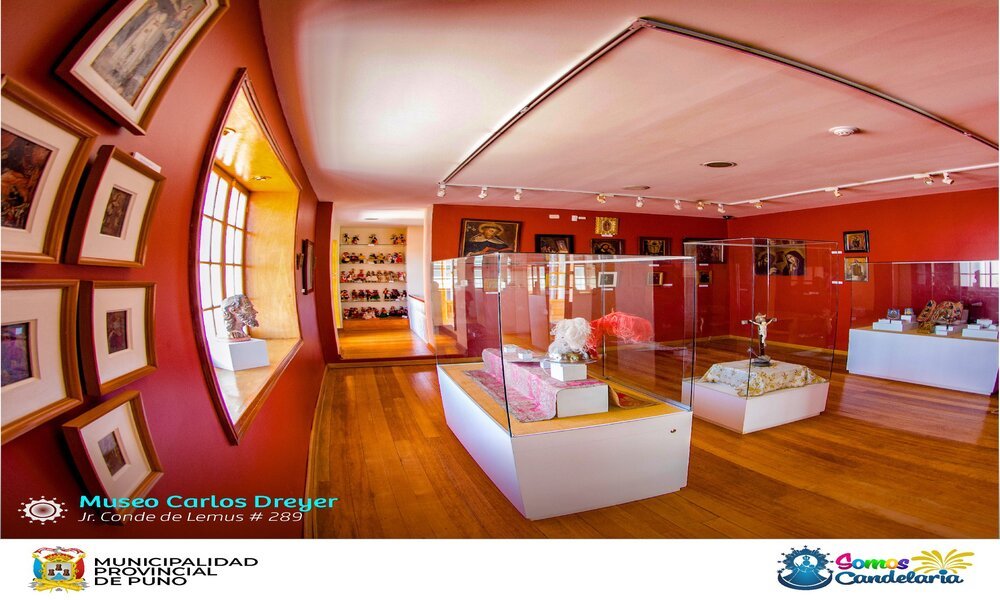
The museum is located in a two-story colonial building in the heart of Puno’s historic center, at 447 Deustua Street , near the Plaza de Armas</strong> . The museum’s
architecture is characteristic of the colonial era, with Spanish influences blended with indigenous details, reinforcing the connection between the two cultures that have shaped the region’s history.
Cultural and educational Importance
The Carlos Dreyer Museum is one of Puno’s most important institutions, not only for its rich historical and archaeological collection, but also for its role in education and awareness-raising about Andean culture. Through its permanent and temporary exhibitions, the museum seeks to promote understanding of ancient civilizations and their impact on the region, contributing to the preservation of cultural heritage and fostering respect for the roots of the Andean peoples.
In addition to its permanent collection, the museum organizes educational activities, lectures, and cultural events that encourage reflection on the history and identity of the peoples of the highlands.
Visit to the Museum
The Carlos Dreyer Museum is ideal for visitors seeking to delve deeper into Puno’s pre-Hispanic and colonial history. In addition to the exhibits, tourists can enjoy a guided tour that offers further insights into the artifacts and their historical context. The museum’s proximity to the Plaza de Armas makes it an easy destination to include in any city itinerary.
Entrance prices (approximate):
-
National adults (Peruvians): S/ 5.00
-
Foreign adults: S/ 10.00
-
Students (with ID): S/ 3.00
-
Children under 12: Free admission
There may be discounts for school groups or guided tours, so it’s always advisable to check in advance if you plan to visit as a group.
Opening hours and days:
The museum is generally open Monday through Saturday from 9:00 AM to 5:00 PM, and closed on Sundays. It is recommended that you check prices and hours in advance, as they may be subject to change due to special events or local holidays.
How to Get There:
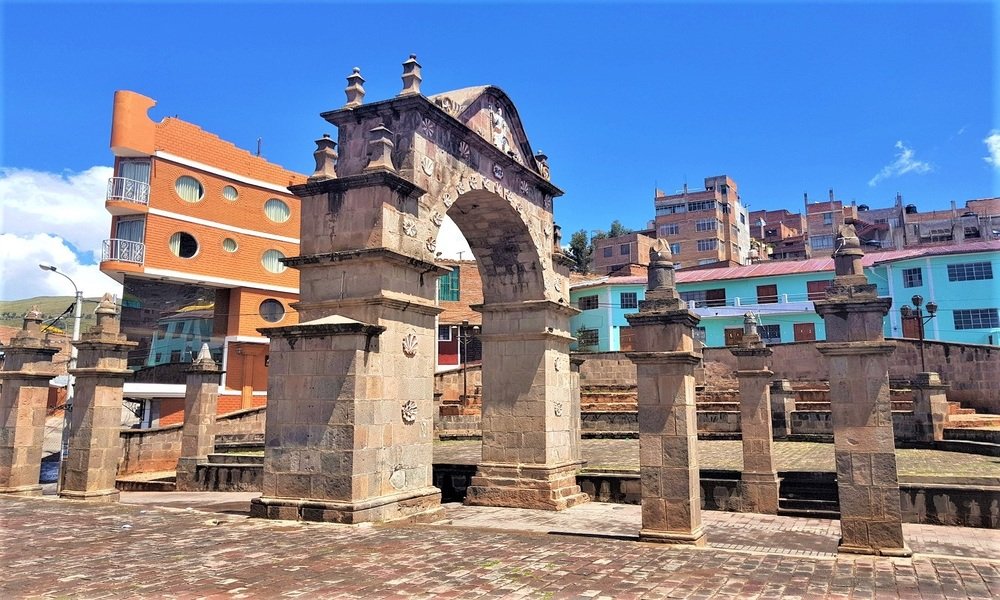
The museum is located in the center of Puno, making it easily accessible on foot from key locations such as the Plaza de Armas and other tourist attractions in the city. You can also arrive by taxi, car, or public transportation, as it is in a central and well-connected area. If you have trouble finding your way around, you can request an Uber .
The Carlos Dreyer Museum is undoubtedly a must-see for lovers of history, archaeology, and Andean culture. Its valuable collection and educational mission make it a key place to learn more about the roots of Puno and its connection to the ancient civilizations that inhabited the highlands.