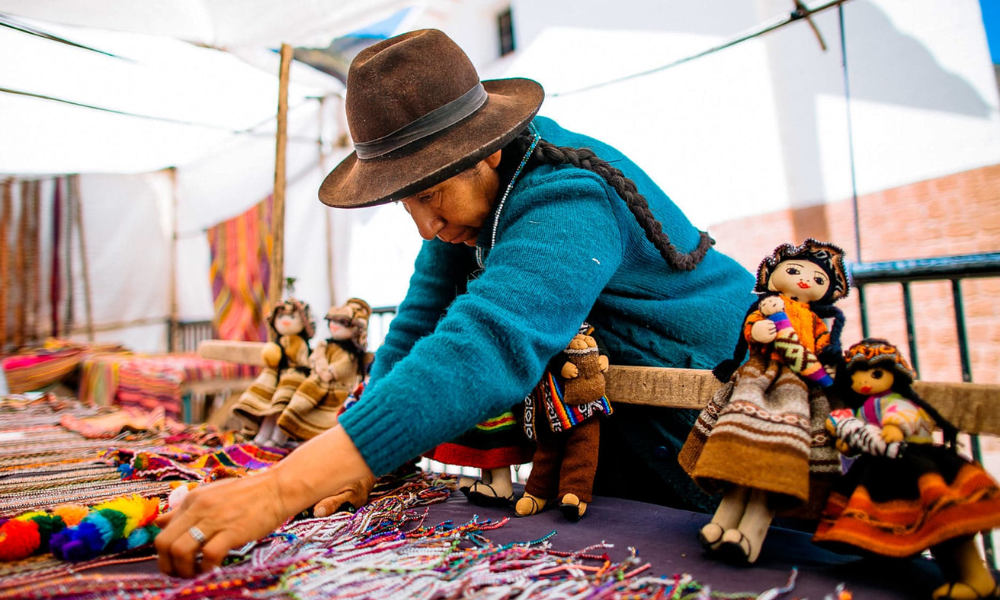
Community art and Andean painting
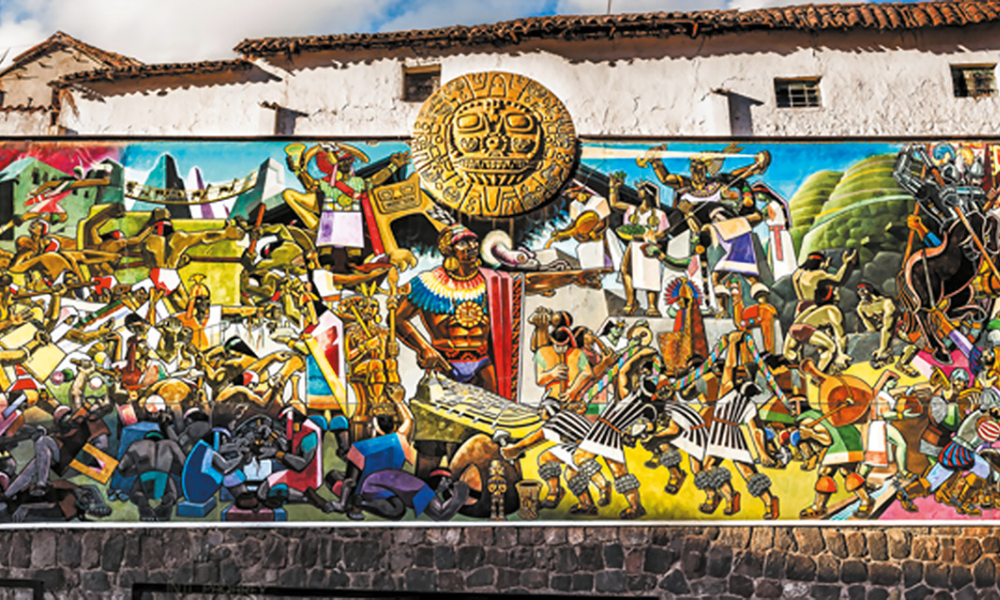
Community art and Andean painting are living expressions of identity, memory, and cultural resistance. Beyond their aesthetic value, these artistic manifestations arise from collective work and reflect the worldview of the Andean peoples, where art belongs not to a single author, but to the entire community.
In the Andes, painting is storytelling: the relationship with Pachamama (Mother Earth), agricultural cycles, festivities, sacred animals, and daily life are captured in murals, canvases, and textiles full of color and symbolism.
Art as a community expression
Andean community art is developed through participatory means. Neighbors, children, youth, and elders come together to create works that represent their local history and strengthen social bonds. Murals painted in schools, plazas, and homes not only beautify spaces but also transmit values such as solidarity, respect for nature, and cultural identity.
This type of art fulfills a key social role: it educates, communicates, and preserves traditions that have been passed down from generation to generation, especially in Andean communities.
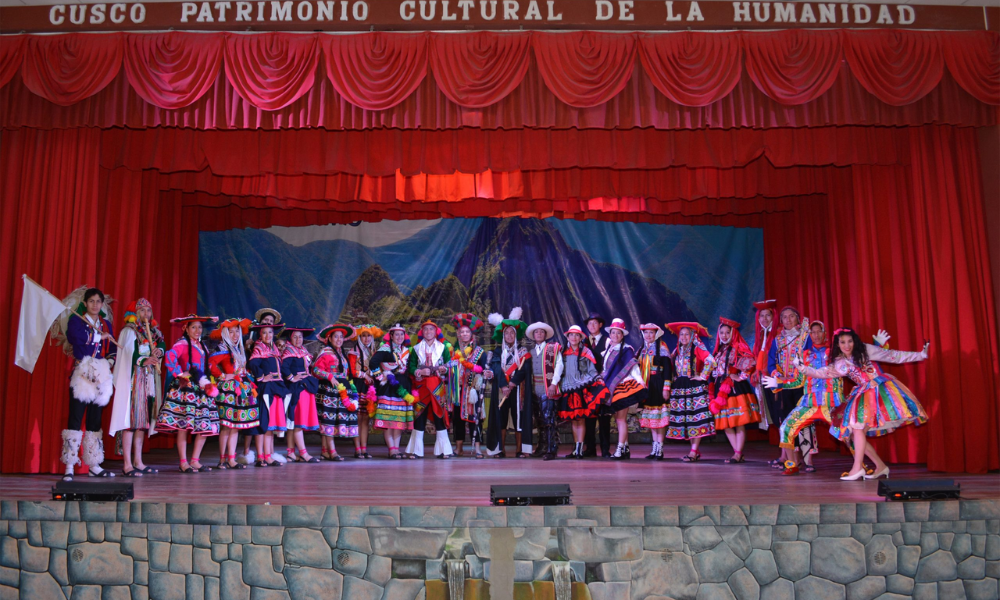
Characteristics of Andean painting
Andean painting is distinguished by its strong symbolic meaning and use of vibrant colors. Among its most representative elements are:
- Human figures engaged in agricultural and ritual activities
- Andean animals such as the llama, the condor, and the alpaca
- Mountains and apus (mountain spirits) as spiritual protectors
- Vibrant colors representing life, the earth, and the sun
Each work is a visual narrative that connects the ancestral past with the present.
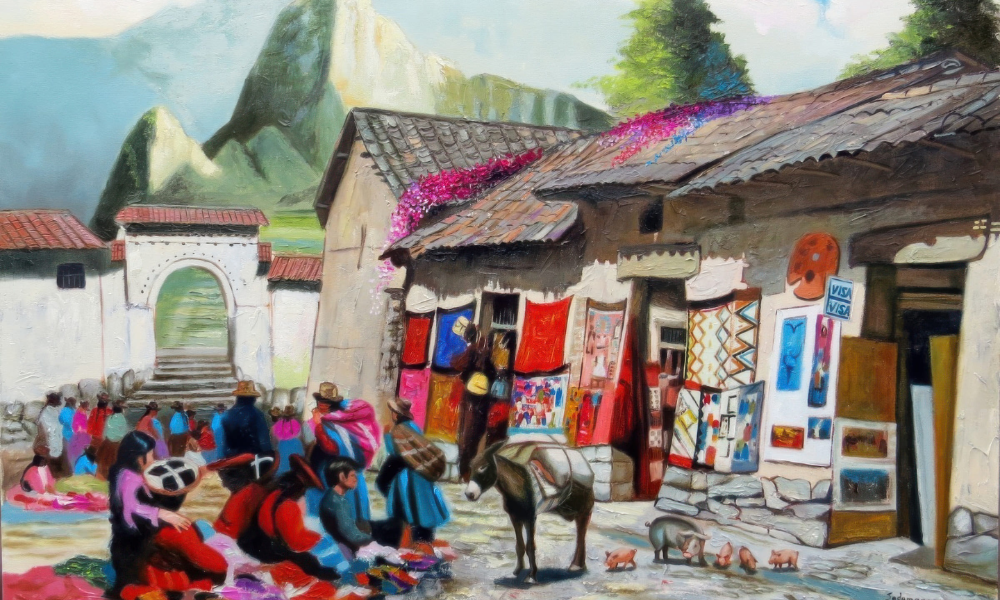
Art, identity and cultural resistance
In an increasingly globalized world, Andean community art is becoming a form of cultural resistance. Through painting, communities reaffirm their identity and claim their place in contemporary history. Furthermore, these artistic expressions foster responsible cultural tourism and generate local pride.
Cities and towns in countries like Peru and Bolivia are now stages where community art transforms walls into veritable open-air galleries.

Conclusión
Community art and Andean painting do more than just decorate spaces: they build identity, strengthen collective memory, and keep alive an ancient cultural heritage. Each mural and each brushstroke tells a shared story, reminding us that art, when it originates from the community, has the power to unite, teach, and transcend.