Currency and Money Tips: Exchanging USD to Soles Safely in Peru
Money might not be the most exciting part of your trip — but in Peru, it can make all the difference. Knowing a few currency and money tips Peru helps you exchange dollars for soles safely, get better rates, and avoid stress. Whether you’re heading to Cusco, Lima, or the Amazon, these simple tips will help you handle soles and dollars like a local.
Understanding the Peruvian sol (PEN)
Peru’s currency is called the sol (symbol S/). You will use this currency in all kinds of places to eat, shop, and get around Peru.
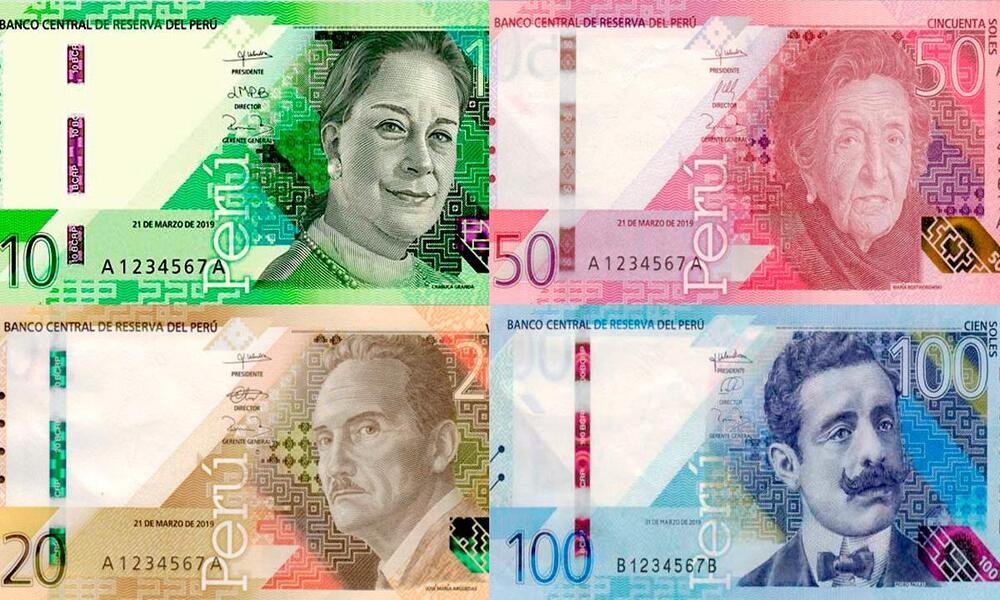
What are the bills and coins of Peru?
- Bills: S/10, S/20, S/50, S/100, S/200
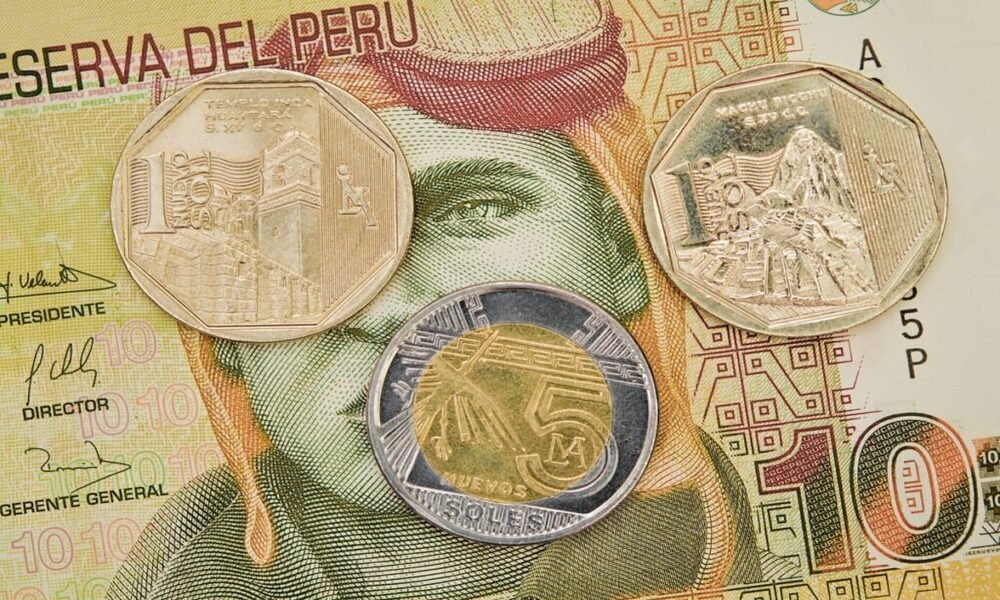
- Coins: 10, 20, 50 cents; S/1, S/2, S/5
It is best to always carry small bills such as 10 and 20 soles, because stores, taxis, and restaurants sometimes do not have change for large bills.
The exchange rate is approximately S/3.46-S/3.6 per US dollar. It varies slightly each day, so check online before exchanging money.
Do you know what the Peruvian currency, the “Sol,” means? The currency gets its name from the bright sun of Peru and its Inca god.
Where to Exchange USD to Soles Safely
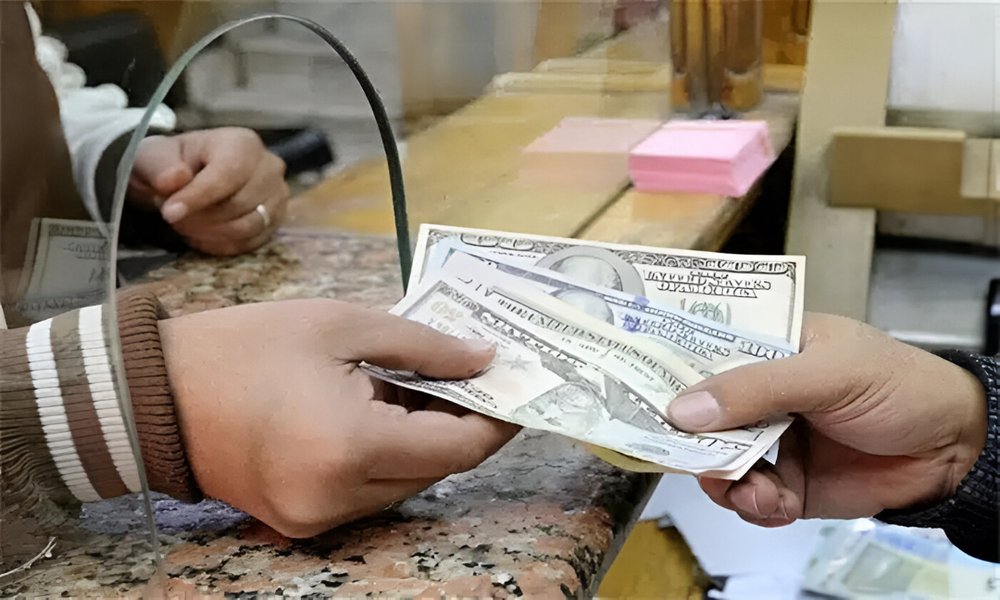
In Peru, you can exchange U.S. dollars in many places, but not all of them are safe or fair. The best options are official exchange offices, banks, and ATMs.
Exchange offices, called casas de cambio, offer good rates and fast service. You can find them in cities like Lima, Cusco, and Arequipa. Always choose offices that look professional and clearly show their rates.
Banks are safe but may charge small fees or have long lines. ATMs are convenient if you prefer to withdraw soles directly. Use machines located inside banks or shopping centers for better security.
Avoid changing money with people on the street. Even if their rates look better, there is a high risk of fake bills or scams. Also, bring only clean and undamaged U.S. bills, since most places will not accept old or torn notes.
It’s smart to exchange a small amount of money at the airport when you arrive, just enough for transportation and small expenses. You will find better rates once you reach the city.
Carry small bills — they open big doors in local markets
Using Credit and Debit Cards in Peru
Credit and debit cards are widely accepted in Peru, especially in big cities and tourist areas. Most hotels, restaurants, and shops take Visa and Mastercard, while American Express and Discover may not always work. Always ask before paying.
When paying by card, some stores may offer to charge you in U.S. dollars or soles. Always choose to pay in soles, because your bank usually gives a better exchange rate than the store. Keep an eye on your receipt and check for any extra fees or commissions.
In smaller towns, markets, and rural areas, cash is still the best option. Many local shops don’t have card machines, and sometimes the internet connection is weak. Always carry some soles for taxis, small purchases, and tips.
Before traveling, inform your bank that you will be in Peru to avoid any card blocks for “unusual activity.” Also, check with your bank about international transaction fees, which are usually around 1%–3% per purchase.
ATM Tips and Withdrawal Advice
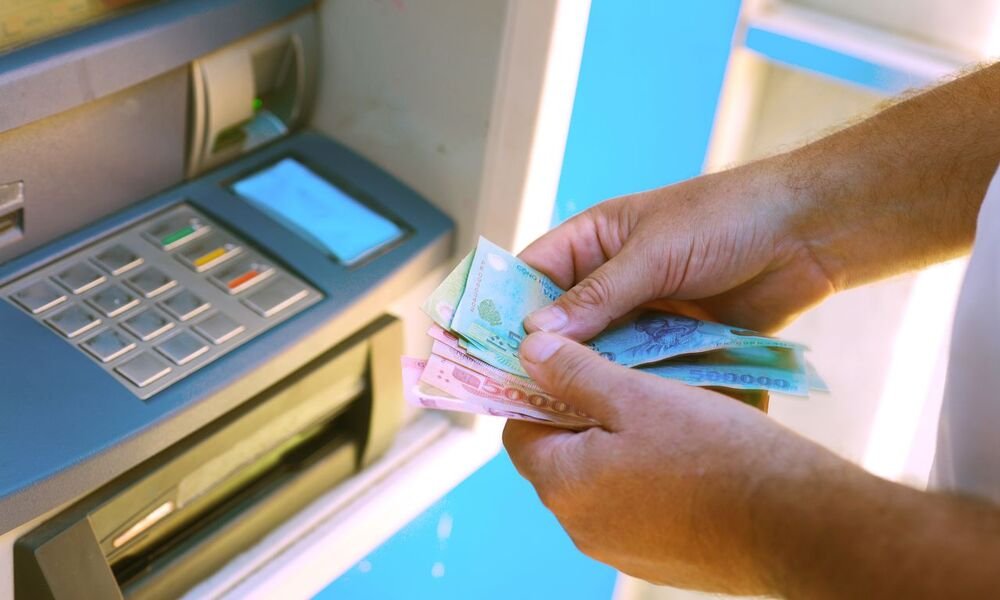
ATMs are one of the easiest ways to get local money in Peru. You can find them in airports, shopping centers, and near banks in all major cities. Most machines allow you to withdraw both soles and U.S. dollars, but it’s always better to choose soles to avoid extra conversion fees.
Use ATMs located inside banks or malls. They are safer and less likely to have skimming devices. Avoid using machines on the street, especially at night or in empty areas. Before traveling, check with your bank about international withdrawal fees, which usually range from $3 to $6 per transaction.
The daily withdrawal limit in Peru is usually around S/700–S/1,000 (about $200–$270), depending on your bank. Some ATMs may also have their own limits. If you need more cash, make several small withdrawals instead of one large one.
Always keep your card in sight and cover the keypad when entering your PIN. After using the ATM, put your money away discreetly and double-check that you have your card.
Exchange only small amounts at the airport; city rates are better.
Carrying and Using Cash Like a Local
Cash is still important in Peru, especially outside the main cities. Many small shops, markets, and taxis do not take cards, so it’s best to always carry some soles with you.
When paying in cash, try to use small bills like S/10 and S/20. Many local businesses don’t have change for large notes such as S/100 or S/200. If you receive a torn or damaged bill, ask to exchange it right away; most stores will not accept it later.
Keep your cash in different places — for example, some in your wallet, some in a money belt, and a bit in your hotel safe. This makes it safer in case of loss or theft. Avoid showing large amounts of money in public, especially in crowded areas.
In most tourist destinations, prices are fixed, but in open markets or with street vendors, you can sometimes negotiate a little. Always be polite and smile — bargaining in Peru is friendly, not aggressive.
Avoiding Scams and Counterfeit Bills
Like in any tourist destination, it’s important to stay alert when handling money in Peru. Scams are not common, but they can happen, especially in crowded areas or when exchanging cash. Knowing what to look for will help you stay safe.
Always exchange your dollars at official exchange offices (casas de cambio) or inside banks. Avoid people who offer to change money on the street, even if their rates look better. Some may give you fake or short-counted bills.
Peruvian money is colorful and detailed, so take a moment to check every bill. Real notes have clear watermarks, raised textures, and a security strip you can see when holding them up to the light. If a bill feels too smooth or the colors look blurry, it may be fake.
When paying in restaurants or shops, check your change right away and don’t hand over large bills for small purchases. Keep your wallet close and avoid taking out all your cash at once.
If you ever suspect you received a fake bill, do not try to spend it. Instead, report it to the nearest bank or the local police.