


Is Cusco better than other tourist destinations in Peru?
When this question arises, it is not just about comparing landscapes or counting attractions. The idea that Cusco could be “better” than other destinations in Peru involves analyzing history, identity, variety of experiences, infrastructure, international impact, and also its limitations. Peru is a deeply diverse country: it has coast, highlands, and jungle; modern cities and ancestral villages; warm beaches and snowy mountains; world-renowned gastronomy and living indigenous cultures. In this wide and complex scenario, Cusco occupies a privileged place, but not necessarily an absolute one.
Saying it is the best depends on the criteria used. For some, natural richness is more important than history. For others, gastronomy or urban life is decisive. That is why comparing destinations requires looking at multiple dimensions.
History of Cusco
Cusco was the capital of the Tahuantinsuyo, the largest empire in South America before the arrival of the Spanish. Rulers such as Pachacútec transformed the city into the political, religious, and cultural center of the Andean world. That legacy was not buried over time. Unlike other ancient capitals that are now isolated ruins, Cusco continued to be inhabited and evolved without completely erasing its past.
Walking through its streets, visitors can observe perfectly assembled Inca walls supporting colonial constructions, plazas that were ceremonial stages, and an urban layout that preserves Andean logic. This unique characteristic has been recognized by UNESCO, confirming its universal value.
Moreover, Cusco does not only preserve ancient architecture. Its daily life maintains ancestral traditions: markets with textiles and typical foods, religious celebrations with Inca rituals mixed with Catholic beliefs, and communities that still speak Quechua. This makes the city a true living museum.
Historically, Cusco has a clear advantage over other Peruvian cities. No other city was the capital of a pre-Columbian empire of such magnitude. However, history is not the only criterion for evaluating a tourist destination. The visitor’s experience also depends on their interest in culture, nature, and adventure.
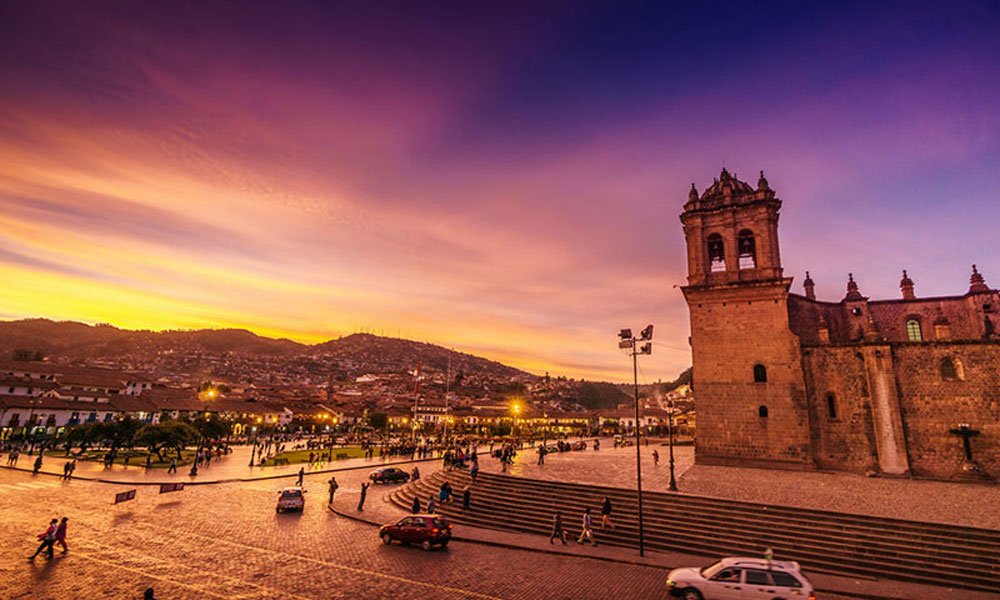
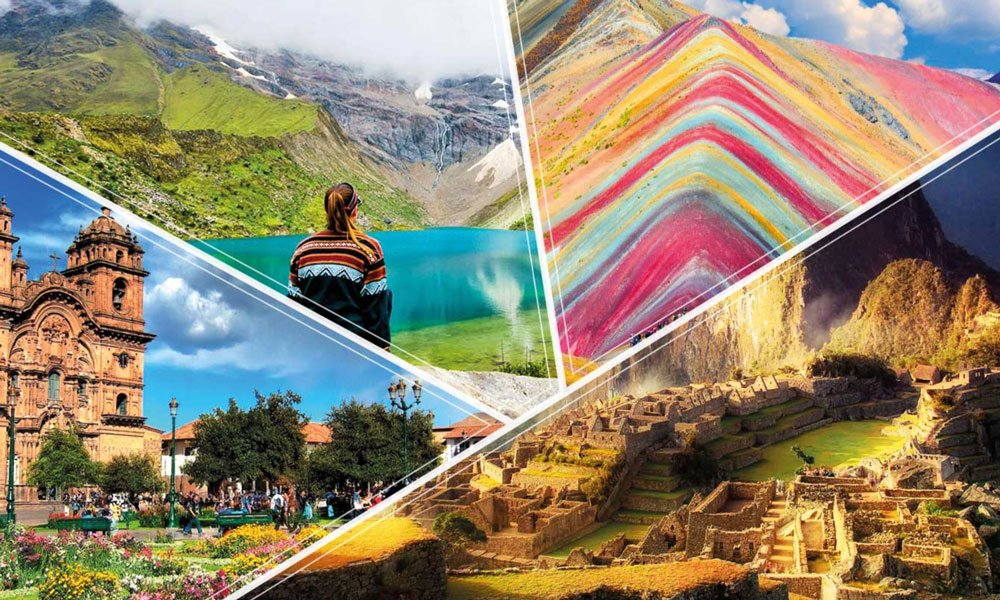
One of the factors that tilts the balance in favor of Cusco is its direct connection to Machu Picchu. This citadel is one of the most famous monuments on the planet and one of the main reasons millions of people travel to Peru. For many tourists, visiting Machu Picchu represents a dream for years, and the experience begins in Cusco.
Visitors arrive in the city to acclimate, explore its streets and museums, and then head to the archaeological wonder. From the perspective of international recognition, no other Peruvian destination has a similar attraction. Its symbolic impact is unique, and its fame attracts both archaeologists and tourists from all over the world.
The journey to Machu Picchu also offers unique opportunities: hikes along the Inca Trail, train rides with spectacular views of the Sacred Valley, and the chance to interact with local communities that maintain ancient traditions. All this makes Cusco much more than a starting point; it is a cultural and tourist hub.
Experiences in the Region
Cusco is not limited to being the gateway to Machu Picchu. The region offers a wide variety of experiences that can be enjoyed in just a few days. Travelers can explore the fertile Sacred Valley of the Incas, visit the monumental fortress of Sacsayhuamán, walk through historic Ollantaytambo, or venture to natural landscapes such as Rainbow Mountain and Humantay Lake.
Additionally, the region allows for deep cultural experiences: participating in traditional ceremonies, learning weaving techniques in local communities, or tasting typical dishes such as cuy chactado or pachamanca. This combination of archaeology, nature, and living culture in a single territory is one of its greatest strengths.
Tourists can also enjoy outdoor adventures, from rafting on mountain rivers to biking along ancient trails. Even gastronomic tourism has grown: there are restaurants that combine local ingredients with modern techniques, offering unique culinary experiences.
Gastronomy
Cusco’s cuisine reflects its cultural diversity. Traditional dishes such as cuy chactado, pachamanca, or quinoa soup are prepared following ancestral recipes using local products cultivated in the Andes.
But Cusco has also seen a rise in modern cuisine. Fusion restaurants combine contemporary techniques with Andean ingredients such as maca, kiwicha, or native potatoes. This allows visitors to enjoy unique culinary experiences, from a traditional breakfast to gourmet dinners with views of the Plaza de Armas.
Gastronomic tourism is complemented by markets and fairs where fresh and artisanal products are sold: cheeses, honey, medicinal herbs, and textiles dyed with natural pigments. These spaces allow a direct and sensory connection to the local culture.
Festivals and Living Culture
Cusco is a center of celebrations that mix Andean tradition and Catholic religion. Among the most important festivals are:
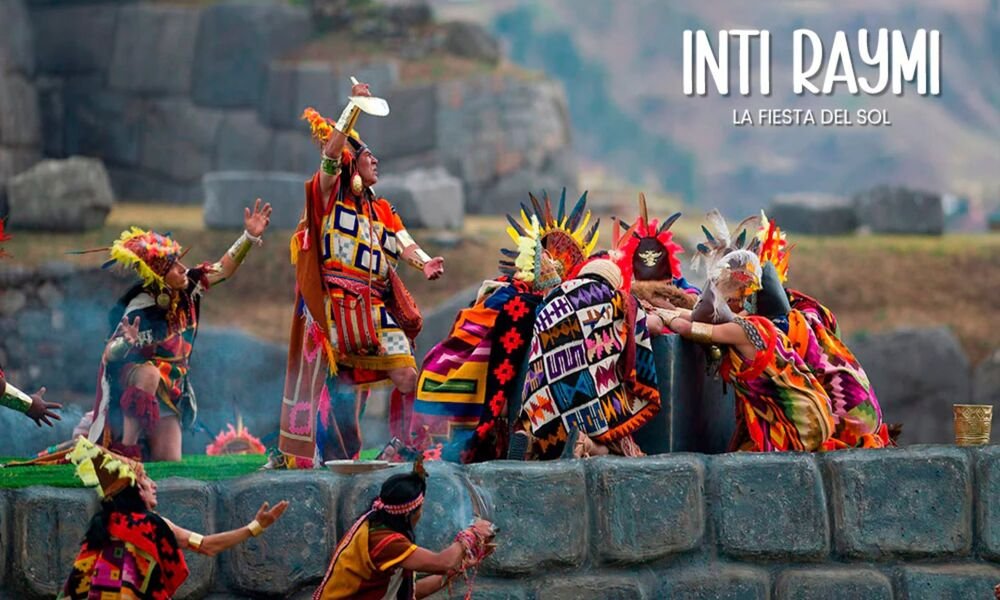
Inti Raymi: the Sun Festival, celebrated in June, which recreates Inca rituals at the Sacsayhuamán plaza.
Corpus Christi: religious processions with dances and colorful costumes that combine pre-Hispanic and Catholic beliefs.
Holy Week: in Cusco, it is very emotional, with processions accompanied by traditional music and dance.
These celebrations allow tourists not only to observe but also to participate in a living culture, where each dance, costume, and ceremony has an ancestral meaning.
Lesser-Known Routes in Cusco
Beyond the most touristy attractions, there are lesser-known routes that offer authentic and less crowded experiences:
Southern Valley Route: with towns like Andahuaylillas and Tipón, where archaeological ruins and colonial architecture can be appreciated.
Chinchero: the cradle of Andean weaving, with workshops where visitors learn the complete process of wool and natural dyes.
Maras and Moray: salt mines and agricultural terraces that show ingenious Inca agricultural engineering.
These routes allow closer contact with the local population and a deeper understanding of human adaptation to the Andes.
Advantages and Limitations of Cusco
Advantages:
High concentration of monumental archaeological heritage.
Direct connection to Machu Picchu, Peru’s most recognized attraction worldwide.
Living Andean culture visible in daily life.
Wide tourism infrastructure and organized services.
Variety of experiences: adventure, culture, nature, and gastronomy.
Limitations:
High altitude that can affect visitors (altitude sickness).
Peak seasons with high crowds, especially June–August.
In recent years, Cusco has worked to balance tourism with cultural and environmental preservation. There are visitor management programs at Machu Picchu and campaigns to reduce waste in the city and surrounding areas.
Tourists can participate in responsible experiences: visiting communities that practice sustainable tourism, supporting local markets, and learning about environmental conservation. This adds another layer to the experience: traveling not just for pleasure but also for learning and respect for culture and nature.
Practical Tips for Travelers
To fully enjoy Cusco, it is recommended to:
Arrive with enough time to acclimate to the altitude before visiting Machu Picchu or doing long hikes.
Book tickets and transportation in advance, especially during peak season.
Try local foods at markets and traditional restaurants to support the local economy.
Bring clothing for different climates: sunny days, cold nights, and possible rain.
Respect local customs and rules at archaeological sites.
If the goal is to understand the Andean roots of the country, walk through the ancient capital of an empire, and have an experience full of history and symbolism, Cusco is hardly rivaled. In terms of balance between history, nature, cultural identity, and international recognition, Cusco has strong arguments to be considered Peru’s most emblematic destination. It is not necessarily the best for everyone, but it is the most representative of the Andean past and concentrates the image the world associates with the country.
Rather than stating absolutely that Cusco is better than all other destinations, it could be said that it is the historical and symbolic heart of Peru. For millions of tourists, this status is enough to place it at the top of their travel list.