


How demanding is the Abra Salkantay at 4,630 meters?
Crossing the Salkantay Pass, the highest point of the famous Salkantay Trek, is not just another mountain hike. It represents the most intense physical and mental challenge of the entire route to Machu Picchu. At 4,630 meters above sea level, trekkers face extreme conditions that test both body and mind. And with good reason: at this altitude, the air becomes much thinner and the oxygen concentration drops significantly. Even walking at a moderate pace feels demanding and exhausting. Every breath requires a conscious effort, and frequent breaks are often necessary just to catch your breath.
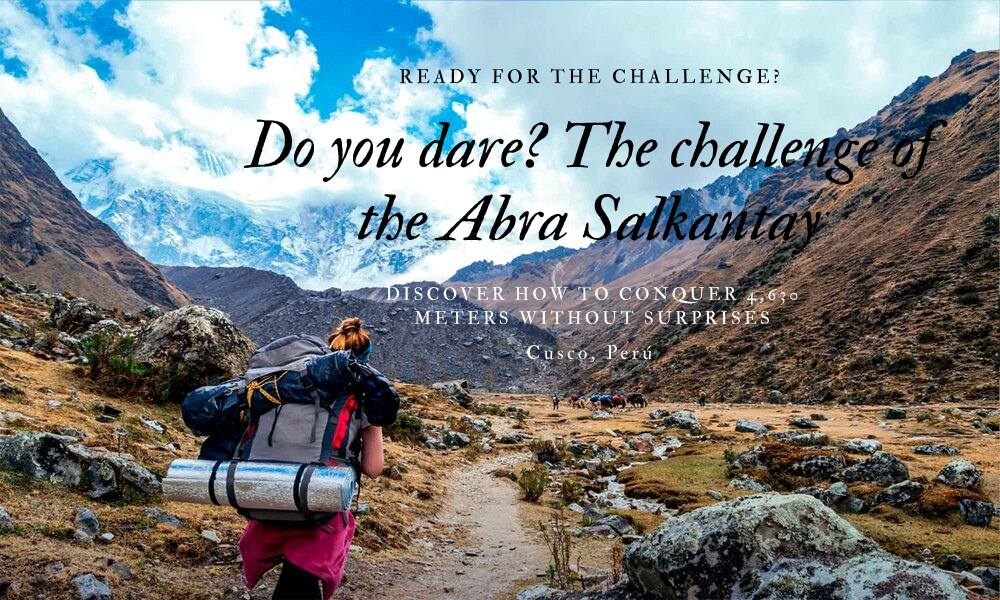
Furthermore, the Salkantay Pass is located in a remote region of the Peruvian Andes, surrounded by glaciers and snow-capped peaks. There, the weather can change abruptly, and medical and logistical resources are limited. This combination of isolation, extreme altitude, and challenging terrain makes every step a true test of endurance, preparation, and mental fortitude. The feeling of solitude, mixed with the majestic views of the snow-capped mountains, makes crossing this pass an unforgettable experience. However, it demands respect, careful planning, and advance preparation to enjoy it safely.
The Real Physical Challenge
Extreme Altitude
Being at 4,630 meters means your body is in high-altitude territory. There, the amount of oxygen in the air can be 40–60% lower than at sea level. This decrease causes involuntary rapid breathing, an increased heart rate, and fatigue to set in much sooner than at lower altitudes. Even people in excellent physical condition may feel that each step requires more effort than they expect. The feeling of exhaustion can appear long before reaching the summit.
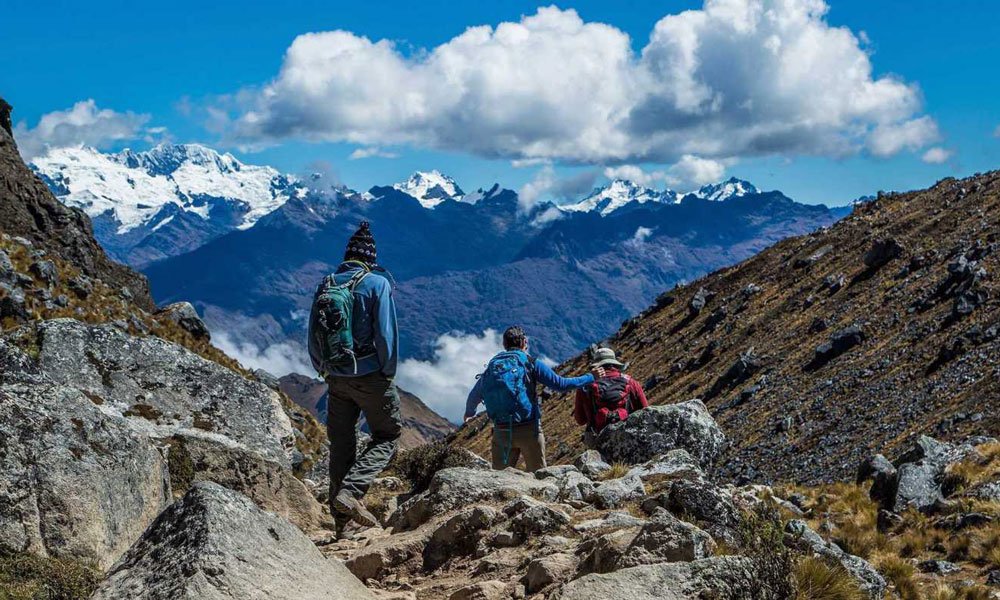
Extreme altitude can also affect coordination, balance, and the ability to maintain a steady pace. This makes the climb a test of resilience and strategy. Knowing when to rest, hydrate, and adjust your pace is crucial. Climbing the pass is not just a physical challenge; it’s also an exercise in patience, concentration, and smart energy management. Every decision directly impacts your safety and well-being throughout the trek.
Steep and Extended Terrain
The trek from Soraypampa to Abra Salkantay is not only long. It features steep slopes, rocky sections, and stretches of loose rock, demanding constant concentration to avoid slips or sprains. Unlike gentler trails, this terrain requires stamina, balance, and coordination, especially as the body adjusts to the lack of oxygen. The combination of distance, incline, and altitude makes this section one of the most challenging of the trek. Many hikers agree that it is here that the mountain’s harshness and majesty are felt most intensely.
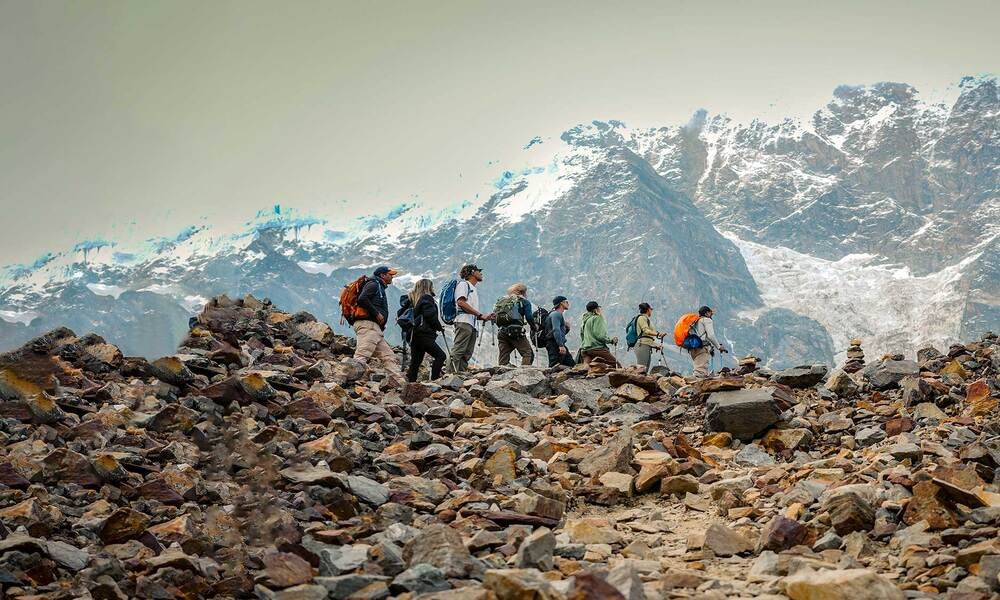
Each step requires conscious and deliberate effort. Reaching the summit feels like an enormous personal achievement, commensurate with the physical and mental sacrifice involved in overcoming this section of the route. Furthermore, the feeling of being surrounded by glaciers and imposing mountains adds an emotional component that makes all the effort worthwhile.
What effects does altitude have on your body?
Common Symptoms
At this altitude, even people in good physical condition can experience the effects of altitude sickness, or soroche. The most frequent symptoms include intense headaches, shortness of breath when walking, dizziness, nausea, profound fatigue, and, in some cases, difficulty sleeping the night before crossing the mountain pass. This accumulation of fatigue can affect both mobility and mood, making the experience feel more exhausting than expected.
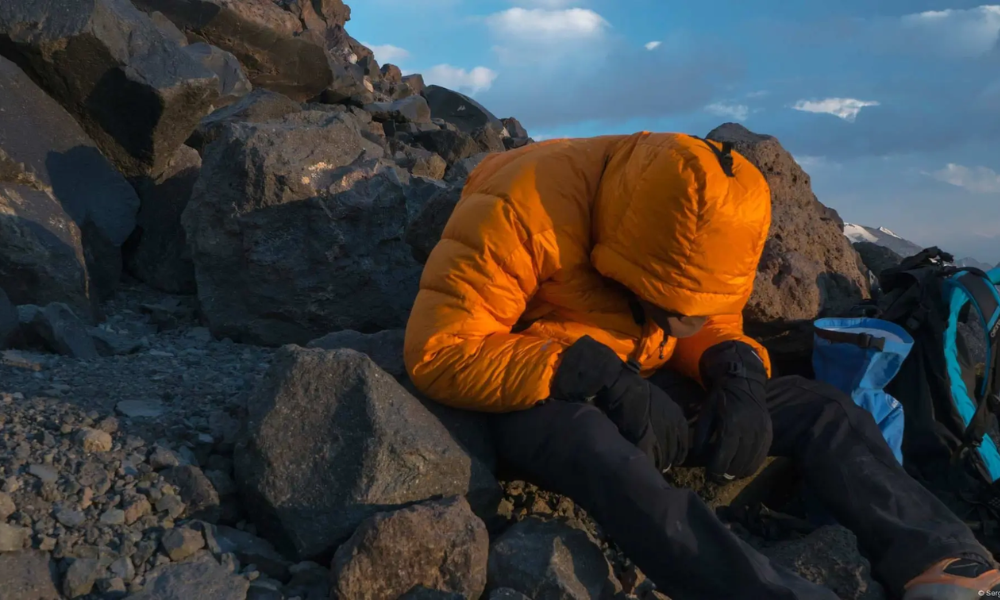
It’s important to note that these effects are completely normal and vary from person to person. While some acclimatize quickly and barely notice them, others need more time, frequent breaks, and extra precautions to avoid compromising their health. The key is to listen to your body, recognize your personal limits, and progress at a steady pace. No warning signs your body sends should be underestimated. Staying hydrated, eating light meals, and avoiding strenuous activity are essential strategies for minimizing the impact of altitude.
Extreme Weather Conditions
The weather at the Salkantay Pass is highly unpredictable and can change in a matter of minutes. This adds an extra layer of difficulty to the trek. Intense sun is common during the ascent, which can burn the skin and cause dehydration, combined with sub-zero temperatures due to the icy winds that sweep across the pass. During the rainy season, from November to March, the trail can become slippery and muddy. Snowfall is even possible at the summit, making every step more dangerous and requiring maximum concentration and caution.
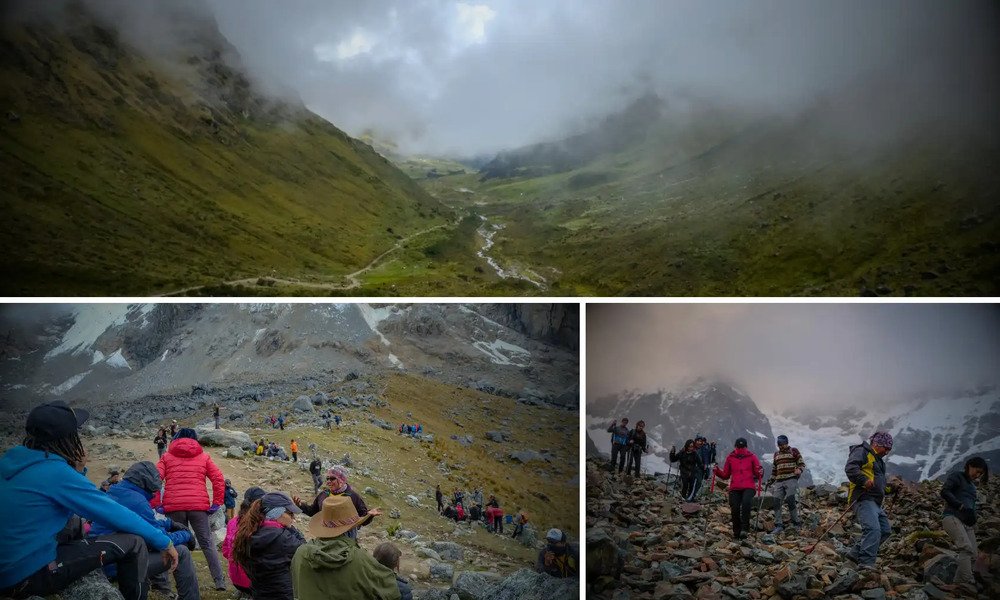
For these reasons, crossing the pass is not only a physical challenge due to the altitude and distance, but also a test of endurance against extreme weather conditions. This requires appropriate clothing, technical mountaineering equipment, and advance preparation to stay safe and comfortable throughout the trek. The experience thus becomes both a physical adventure and a lesson in respecting the power of nature.
Preparation and mindset
Acclimatization is Key
Overcoming this section isn’t just about physical strength. Preparation and acclimatization are essential. It’s recommended to spend at least 2–3 days in Cusco, at 3,400 m, before starting the trek. This allows the body to gradually adapt to the altitude and helps prevent severe altitude sickness. Taking light walks beforehand and doing breathing exercises helps accustom the body to sustained exertion. In addition, staying constantly hydrated and avoiding alcohol or heavy meals optimizes breathing and physical performance. Proper acclimatization not only prevents health problems but also allows you to enjoy the trek with more energy and confidence, and provides the ability to fully appreciate the surrounding landscapes and nature.
Patience and Pace
The secret to conquering the Salkantay Pass lies in maintaining a steady pace, moving slowly, and taking frequent breaks. There’s no need to rush: a comfortable pace ensures your body receives enough oxygen and your mind stays focused on the hike. A combination of patience, determination, and respect for the mountain transforms this demanding experience into a satisfying and safe accomplishment, allowing you to savor every detail of the landscape without compromising your health or safety. The key is understanding that the pass isn’t about speed, but about endurance, planning, and connecting with the natural environment.
Unique Experiences Crossing the Abra Salkantay
Beyond the physical and mental challenge, the Salkantay Pass offers a sensory experience that few places in the world can match. As you ascend, the landscapes change dramatically: from the vibrant green of the Andean valleys to the snow-capped peaks that seem to touch the sky, each step connects you more deeply with the majesty of the Andes. The colors of sunrise at the summit are especially breathtaking: the sun illuminates the peaks with golden and pink hues, creating a natural spectacle that many hikers describe as “supernatural .” On clear days, it’s possible to see several surrounding snow-capped mountains, some of which rise above 6,000 meters, and feel the immensity of the landscape, which makes you grasp the scale and power of Andean nature.
Additional climate challenges: wind force
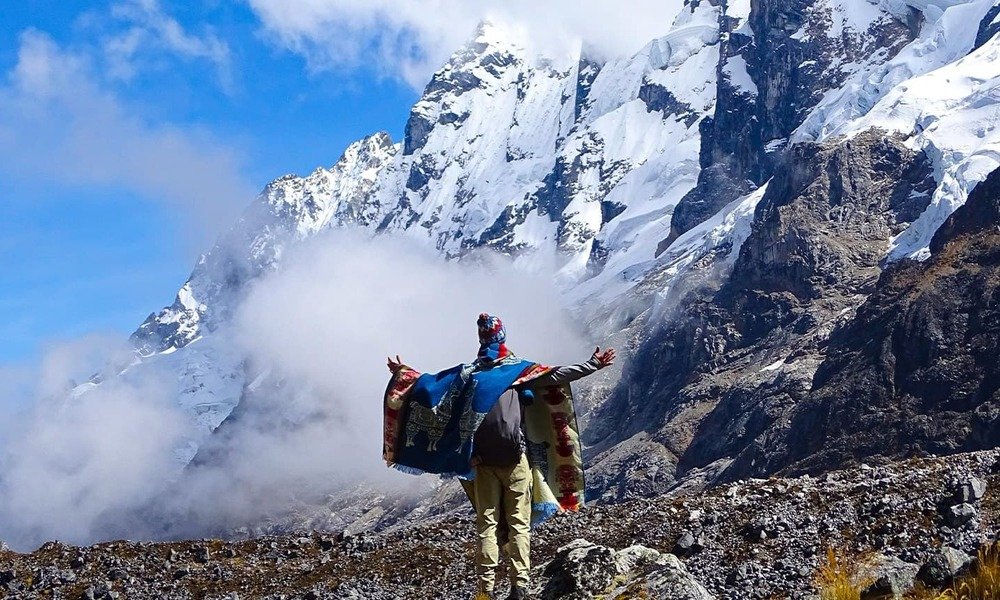
The wind at the Salkantay Pass is not only cold, but at times it can be so strong it feels like it’s pushing you backward. This force adds an extra challenge to the ascent and requires extra effort to maintain balance and stability on the rocky sections. Guides recommend walking slightly inclined into the wind, using trekking poles, and protecting your eyes, nose, and lips from the icy air to avoid discomfort or injury. This experience of feeling the force of the elements in such an extreme environment is part of the allure and excitement of trekking, which transforms every step into a challenge that awakens all the senses.
Why Is It Worth It?
Although crossing the Salkantay Pass is one of the most challenging parts of the trek to Machu Picchu, the reward is proportional to the effort. From the summit, you’ll be rewarded with a breathtaking panoramic view of the Andean snow-capped peaks, glaciers, and valleys stretching as far as the eye can see, and the sense of personal accomplishment is unparalleled. Beyond the scenery, the trek teaches resilience, patience, and respect for the mountains, leaving hikers with unforgettable memories and a profound connection to nature.
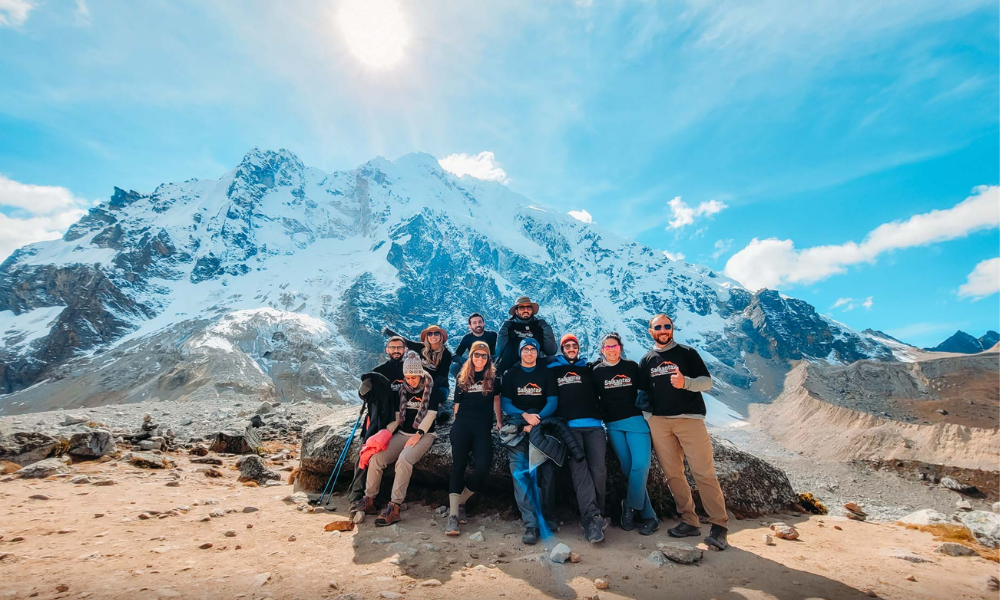
Every step on this stretch becomes an epic experience, where physical challenge, adventure, and contemplation combine into an unforgettable journey that marks a turning point in the lives of those who complete it. The thrill of conquering the summit of Abra Salkantay and overcoming such a demanding challenge makes every sacrifice, every drop of sweat, and every ragged breath utterly worthwhile.
Additional Tips to Enjoy the Abra Salkantay
-
Breathe deeply and consciously: this helps to better oxygenate the body at extreme altitudes.
-
Break the climb down into mental sections: thinking in “short stretches” makes the climb feel more manageable.
-
Bring energy snacks: nuts, chocolate and energy bars help maintain strength during the climbing hours.
-
Enjoy the silence: the Abra offers moments of absolute tranquility where only the wind and footsteps can be heard; this contact with nature is therapeutic and unique.
-
Connect with the local culture: guides often share Andean legends related to the snow-capped mountains, adding a cultural and spiritual component to the hike.