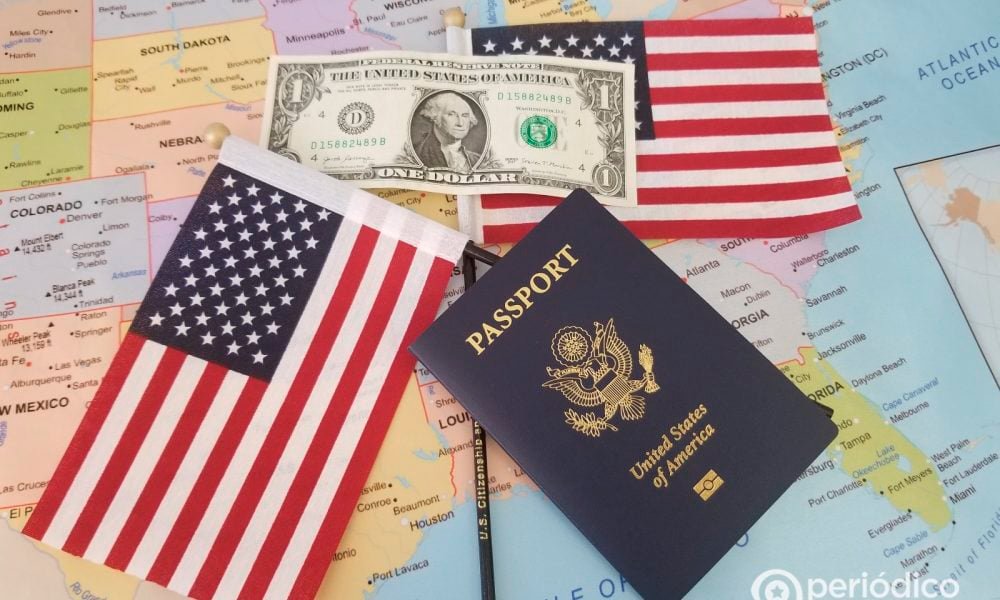
Entry requirements for U.S Citizens
Passport Requirements ( in details):
Validity Rules:
- Standar requirement :Most countries require that your U.S passport be valid for at least six months beyond your intented date of departure
- Exceptions:
-
- Canadá, México ,the United Kingdom , and some Caribbean nations only require validity for the duration of your stay
- Schengen countries (e.g, France, Spain , Italy) require 3 months validity beyond departure date, though 6 months is still recommended
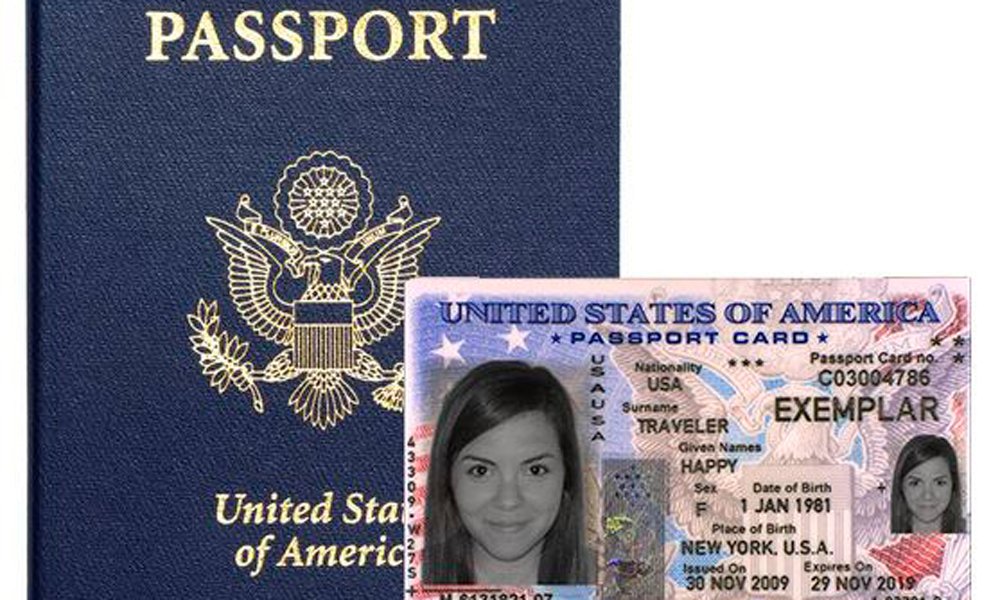
Passport card vs Passport Book :
- A U.S Passport Book is required for air travel to any foreign country
- A passport Card may be used only for land and sea travel to/from
-
- Canadá
- México
- Bermuda
- The Caribbean
Extra Pages:
-
- Some countries require at least 1-2 blank pages for entry and exit stamps
- If your passport is nearly full, renew early .You can renew by email Form DS-82 via the U.S. State department https://travel.state.gov/content/travel/en/passports.html/
Visa Rules:
Visa Free Access( Tourism / Business)
-
- U.S citizens can travel VISA-free to about 180 countries and territories .
- Common visa-free durations
-
- Europe(Schengen):90 days in any 180- day period
- United Kingdom:6 months
- Japan: 90 days
- South Korea: 90 days
- México: 180 days
- Canadá: 180 days
Even visa-free entry is not guaranteed .You must satisfy entry conditions :
- Purpose of travel (tourism,business, family visit)
- Proof of return or onwarld travel
- Proof of sufficent financial means
- No criminal record or immigration violations
Digital Autthorizations (ETIAS ,ESTA, eVISA)
- ETIAS (Europe):
Starting mid-2025 ,U.S. travelers must obtain sn ETIAS authorization before entering the Schengen Zone
-
- Valid for 3 years
- Multiple entries allowed
- Cost: about €7
- Apply online at https://travel-europe.europa.eu/en/etias
- ESTA(U.S Electronic System for travel Authorization ):
Required for travelers entering the United States under the Visa Waiver Program (VWP), but not for U.S. citizens
- eVISA Systems:
Many countries (e.g, India, Turkey, Kenya,Australia,)allow Americans to apply online for a digital visa before travel

Long-Term or Special Visas
For stays beyond tourism(work, study ,residency ,volunteering):
- Apply for the appropiate visa before departure
- Common types:
- Student visa:(e.g., Japan’s “College Student” visa)
- Work visa:(sponsored by employer)
- Digital Nomad visa:(offered by countries like Portugal , Costa rica, Barbados)
- Residency visa: ( for retirees, family reunification ,etc)
Vaccionation & Health Requirements ( Comprehensive)
Health regulations are another key part of international travel that many travelers overlook until the last minute.
Some vaccines are mandatory, while others are recommended for personal protection depending on your destination.
- Commonly Required Vaccines
Yellow fever :Required for travel or from certain regions in Africa and South America .You’ll need a yellow vaccination card (ICVP) as proof.
COVID-19: Many countries havel lifted restrictions , but some still require proof of vaccination or a negative PCR test
Polio: Some countries , especially in Africa and South Asia , may request proof of recent vaccination
- Recommended Vaccinations
The TDC (Centers for Disease Control and Prevention) recommends keeping up to date with the following before international travel:
- Measles,Mumps,Rubella (MMR)
- Diptheria,Tetanus,and Pertusis (DTaP)
- Hepatitis A and B
- Typhoid
- Rabies(for extended stays of rural areas)
Before traveling, visit a travel clinic or check the https://wwwnc.cdc.gov/travel
Other Useful travel tips for U.S Citizens
Make Copies of important Documents : You should keep both a digital and printed copy of your passport ,ID, travel insurance , and itinerary , and store them separately from the originals
Register with the U.S Embassy (STEP): The Smart Traveler Enrollment Program (STEP) is a free service that lets the U.S. Embassy know where you’re traveling. You’ll receive travel alerts and it helps them contact you in an emergency.
Check for Travel Advisories:
The U.S. Department of State periodically updates its travel advisories based on safety conditions. Please review them before booking https://travel.state.gov/content/travel.html
=”” unprefixed_class=””] Health and Travel Insurance : Some countries require proof of travel health insurance upon entry.Even if not required , t’s a smart investment especially in places where medical care can be costly.
Currency Reporting
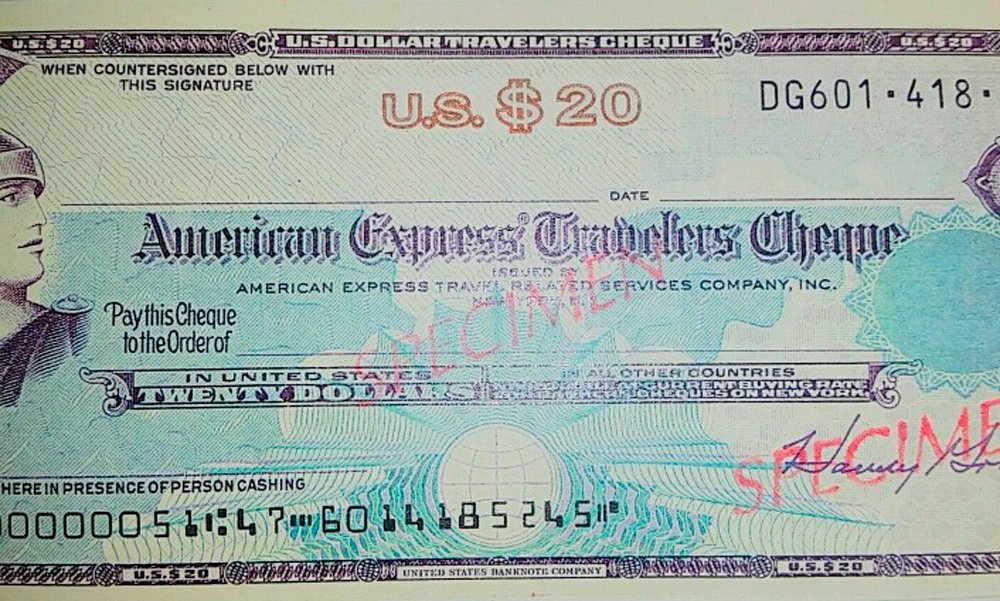
Different countries impose specific restrictions on the amount of money you can bring into the country. In the U.S., if you’re carrying more than $10,000 in cash or its equivalent (such as traveler’s checks, money orders, or negotiable instruments), you must declare it when entering or leaving the country. Failing to do so can result in penalties or the seizure of funds.
Duty-Free Limits
When traveling internationally, it’s important to be mindful of duty-free allowances for items brought into the U.S. Many goods, such as alcohol, tobacco, and perfumes, have specific quantity limits. If you exceed these allowances, you may be required to pay customs duties or taxes on the excess amount. Make sure to familiarize yourself with the regulations of the country you’re entering and the U.S. import rules to avoid surprises.

Conclusion: Be prepared, stay informed, and travel smart and carefully:
Traveling internationally as a U.S. citizen opens up a world of opportunity few passports offer such broad visa-free access but with that freedom comes the responsibility of staying informed and prepared. Knowing the entry rules, health guidelines, and documentation needed for each destination is key to a smooth and enjoyable journey.
Your passport is your most important travel document, so treat it with care. Make sure it’s in good shape, has enough blank pages, and is valid for at least six months beyond your planned return date. Keep in mind that entry requirements can vary widely — not just between countries, but sometimes even between regions of the same country.
Visa policies can be a bit complex, but they’re essential for organized and secure travel. U.S. citizens can visit many countries across Europe, Asia, and Latin America without a visa for short stays. However, if you plan to work, study, or stay longer, you’ll likely need to apply for a specific visa. And with upcoming systems like ETIAS in Europe, even visa-free travel may require online registration in advance.
Health requirements are another important piece of the puzzle. Some countries require proof of certain vaccinations, such as yellow fever or COVID-19, while others may only recommend them. Staying up to date on your vaccines not only protects you but also helps safeguard public health in the places you visit. A quick check-in with a travel health clinic can help you stay ahead of any health-related entry rules.
So before you head out, review your passport, research entry requirements, and prepare both mentally and practically. With the right mindset and preparation, each border you cross becomes a gateway to discovery, adventure, and unforgettable memories.
https://www.chullostravelperu.com/