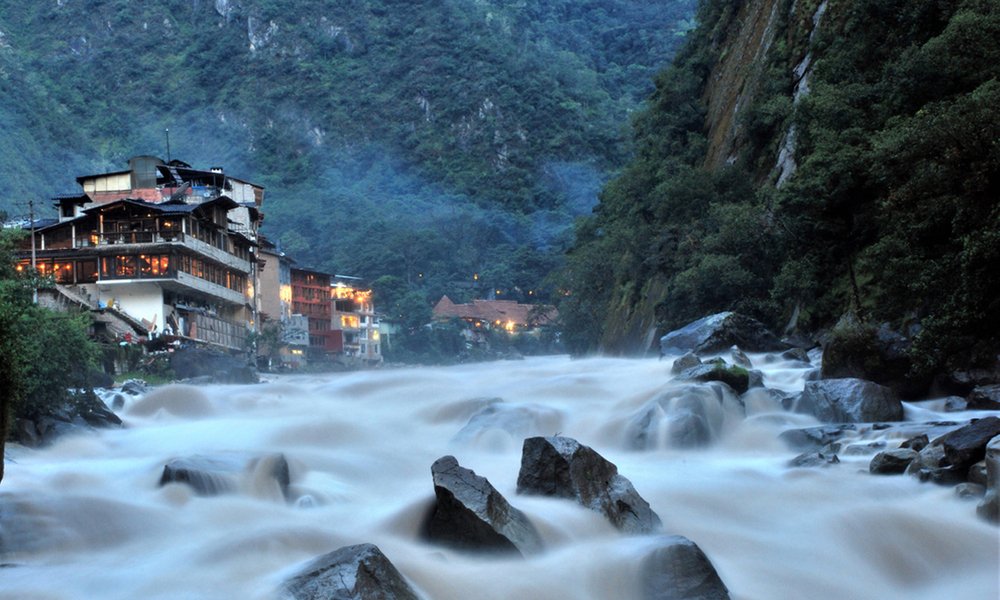
Hot Springs in Machu Picchu: relaxation in the heart of the Andes
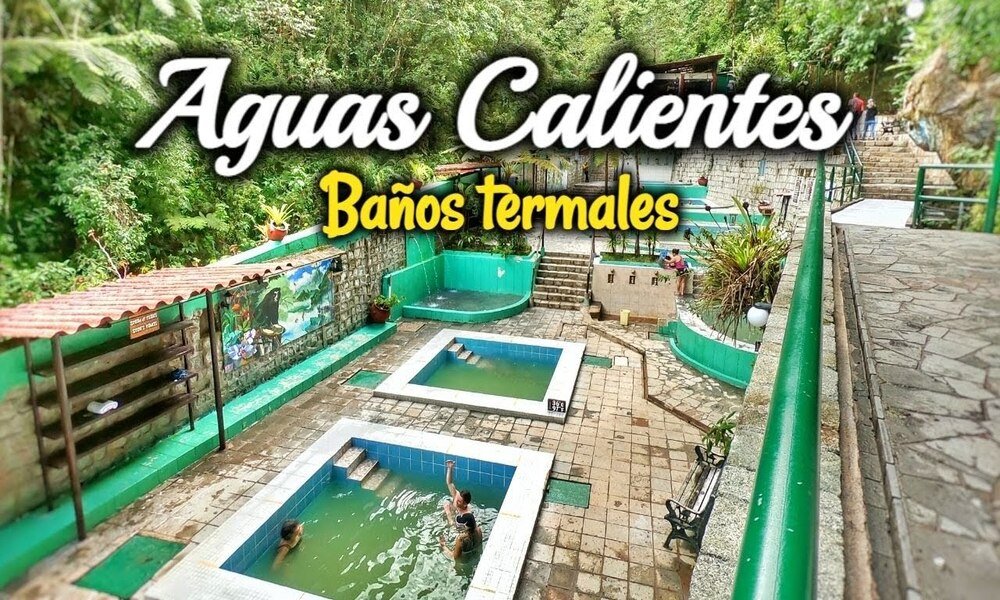
The Machu Picchu Hot Springs, located in the town of Machu Picchu Pueblo (Aguas Calientes), are one of the most popular spots for rest and relaxation within the Historic Sanctuary’s tourist circuit. These volcanic waters emerge naturally from the Andean subsoil and have been enjoyed for decades by visitors seeking relief from physical fatigue after exploring the Inca citadel or hiking in the surrounding area.
In addition to their recreational function, the hot springs are an integral part of the Machu Picchu experience. Surrounded by a mountainous landscape and lush vegetation, they offer a moment of rest and relaxation in a privileged natural setting. Their easy access from the town center makes them an affordable option for both domestic and international tourists who wish to complement their cultural visit with a relaxing break.
Location and access to the Machu Picchu Hot Springs
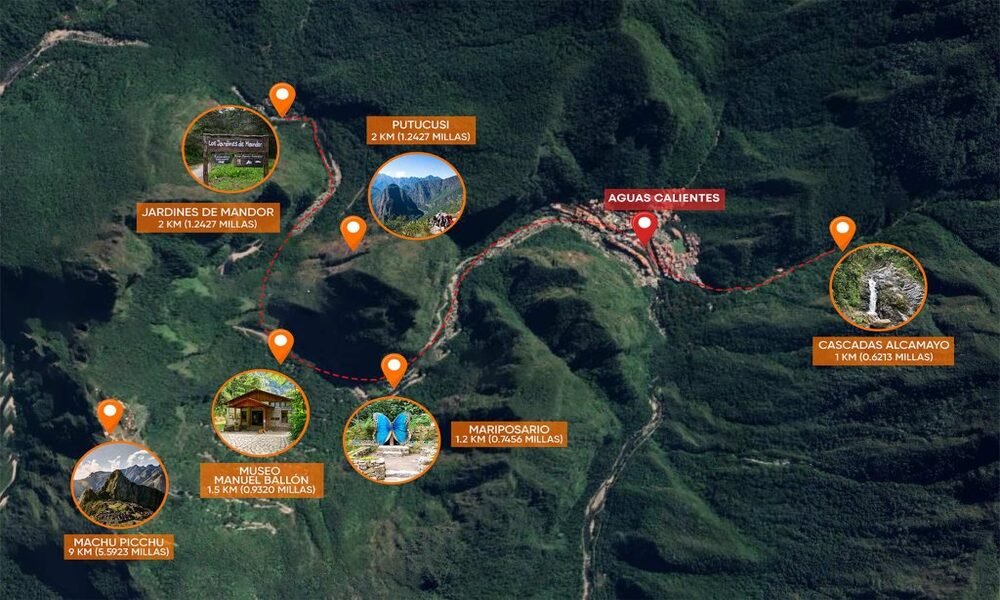
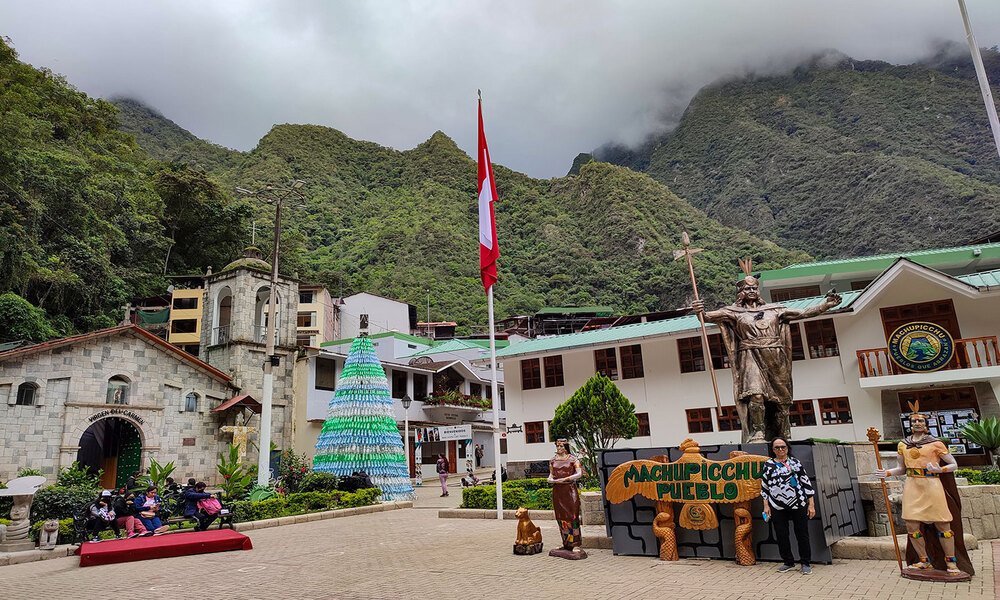
The Machu Picchu Hot Springs are located in the upper part of the town of Machu Picchu Pueblo, also known as Aguas Calientes, in the province of Urubamba, Cusco region. They are situated just minutes from the town center, in an area surrounded by mountains and tropical vegetation, which enhances their natural and relaxing character.
Access is easy and primarily on foot. From the main square of Machu Picchu Pueblo, the walk takes between 15 and 20 minutes along a marked path that gently ascends to the hot springs area. The path is safe and offers views of the natural surroundings, including the riverbed and the mountain slopes that encircle the town.
Connection to the Machu Picchu tourist circuit
The location of the hot springs makes them a strategic point within the local tourist circuit. Many visitors choose to go to the thermal baths after their visit to the citadel of Machu Picchu, either on the same day or the following day, as a way to recover physically after long walks and treks along staircases and cobblestone paths.
Furthermore, its proximity to hotels, restaurants, and transportation hubs simplifies itinerary planning. This accessibility allows for easy integration of a visit to the hot springs into a tour program, without the need for long or complicated transfers, reinforcing its role as an ideal complement to the cultural and natural experience of Machu Picchu.
Characteristics of the hot springs of Machu Picchu
The Machu Picchu Hot Springs are natural springs of volcanic origin that emerge from the Andean subsoil as a result of the filtration of groundwater heated by the area’s geothermal activity. These waters flow constantly and have been used since ancient times for their natural and therapeutic properties. Today, they are one of the main recreational areas for visitors to Machu Picchu Pueblo.
Its tourist use has been harmoniously integrated into the natural environment, allowing travelers to enjoy a relaxing experience amidst the characteristic mountain landscape of the Urubamba Valley.
Water temperature and mineral composition
The temperature of the thermal waters generally ranges between 38°C and 46°C, making them ideal pools for muscle relaxation and physical rest. This temperature range allows for prolonged immersion without causing discomfort, provided the recommended stay times are respected.
In terms of its composition, the water is rich in minerals such as sulfur, calcium, sodium, magnesium, and bicarbonates. These elements give it a slightly yellowish color and a characteristic odor, especially of sulfur, which confirms its natural origin. The presence of these minerals is one of the main factors that explains the therapeutic value of the waters and their recognition within wellness tourism in the region.
Therapeutic benefits and effects on well-being
Using the hot springs of Machu Picchu offers numerous benefits for physical and mental health. The warmth of the water helps relax muscles, relieve tension, and reduce accumulated fatigue, especially after long hikes along Inca trails or extended visits to the archaeological citadel.
Furthermore, the minerals present help improve blood circulation and can alleviate joint and rheumatic discomfort. From an emotional perspective, immersion in thermal waters promotes stress reduction and generates a feeling of tranquility and deep relaxation. Therefore, this experience has become an ideal complement to cultural tourism, offering a balance between activity, nature, and overall well-being.
Visitor Experience and Atmosphere at the Machu Picchu Hot Springs
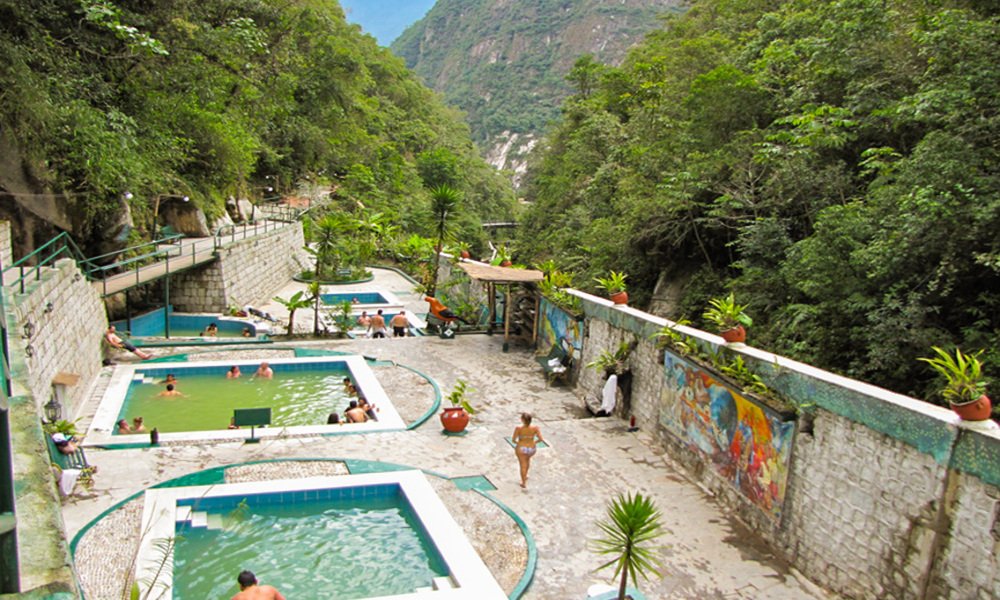
A visit to the Machu Picchu Hot Springs offers a relaxing and restorative experience in a unique natural setting. This area is frequented by travelers arriving after exploring the Inca citadel, as well as hikers completing long treks, making the hot springs a multicultural meeting point and a place for collective relaxation.
The ambiance combines the constant sound of water, the steam rising from the pools, and the view of the mountains surrounding the village, creating an atmosphere conducive to physical and mental relaxation. Unlike other tourist attractions, here the pace is slow and focused on the visitor’s well-being.
Social environment and visitor profile
The hot springs attract a diverse clientele, from international tourists to domestic travelers and independent day-trippers. This multicultural character fosters a dynamic yet relaxed social atmosphere, where respect and peaceful coexistence prevail. Despite the influx of visitors, the rules of use help maintain an orderly environment.
Many visitors choose to come in groups or as couples, while others go alone to enjoy a moment of peace and quiet. The shared experience often fosters cultural exchange, as it’s common to strike up informal conversations with people from different parts of the world, enriching the trip beyond its physical aspects.
Best times of day to enjoy the experience
The time you choose to visit the hot springs directly influences your experience. During the day, the natural light allows you to better appreciate the mountainous surroundings and the landscape around the complex. However, these times tend to be more crowded, especially during peak season.
On the other hand, visits at sunset or in the evening offer a more intimate and relaxing experience. The contrast between the cool mountain air and the warm water intensifies the feeling of well-being, while the artificial lighting creates a cozy atmosphere. Choosing these times allows you to enjoy a more tranquil ambiance and take full advantage of the thermal baths’ therapeutic properties.
Practical recommendations and rules of use in the Machu Picchu Hot Springs
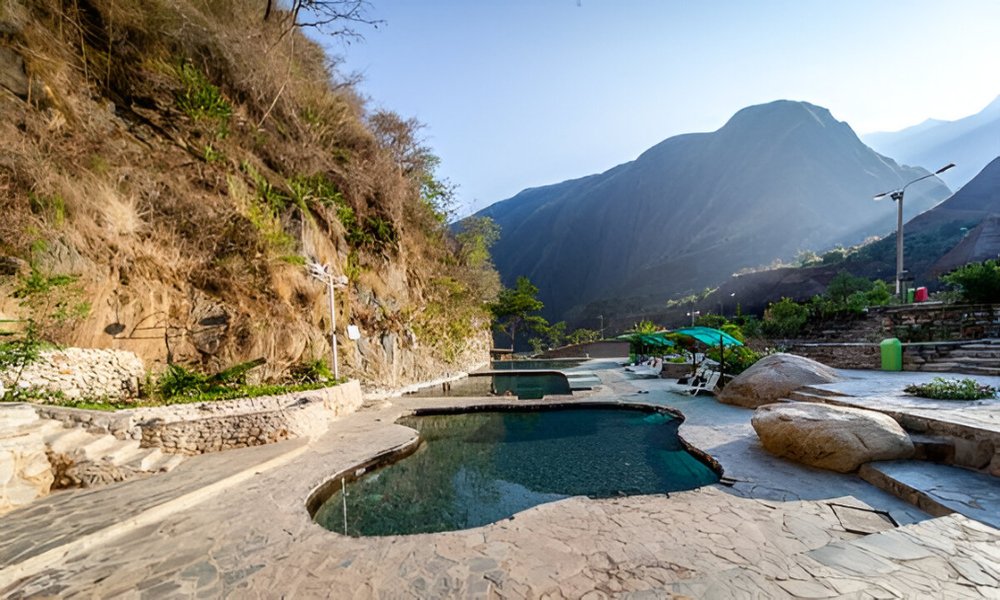
To fully enjoy the Machu Picchu Hot Springs , it’s important to keep in mind a series of practical recommendations and rules of use that guarantee a safe, orderly, and pleasant experience for all visitors. These guidelines help preserve the quality of service and the collective well-being within the thermal complex.
Following these recommendations also contributes to the care of the natural environment and to better coexistence among users, especially during peak tourist seasons.
Basic rules of entry and behavior
Upon entering the hot springs, the use of swimsuits and non-slip sandals is mandatory to prevent accidents. Showering before entering the pools is recommended to maintain water hygiene, a fundamental rule in shared spaces. Furthermore, alcoholic beverages, food, and glass containers are prohibited within the pool area.
The time spent in the water should be moderate, especially due to the high temperature, which can cause dizziness or fatigue if the recommended time is exceeded. Visitors are also asked to behave respectfully, avoiding excessive noise, to preserve the relaxing atmosphere that characterizes the place.
Tips for making the most of your visit
For a more comfortable experience, it’s advisable to bring only the essentials, such as a towel, a change of clothes, and basic personal items. Changing rooms and showers are available, but they can get crowded during peak hours, so planning your visit in advance is key.
It is recommended to stay properly hydrated before and after using the pools, as the heat of the water promotes dehydration. Likewise, people with high blood pressure, heart conditions, or who are pregnant should consult a healthcare professional before using the hot springs. This way, the visit becomes a safe, relaxing, and complementary experience to your tour of Machu Picchu.