


“Actual difficulty level of the Salkantay Trek and necessary physical preparation”
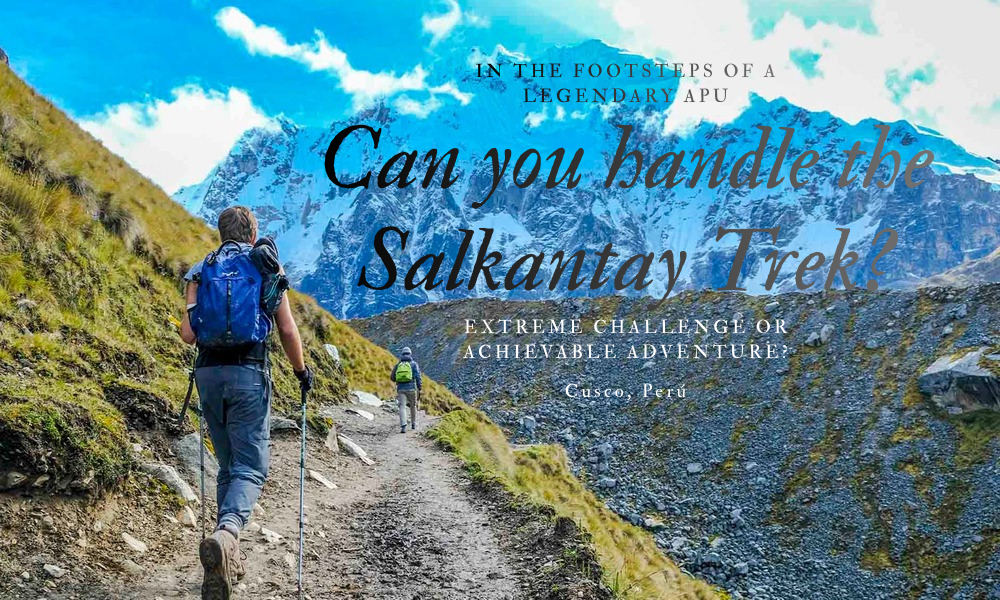
The Salkantay Trek is one of the most spectacular and popular hiking routes to Machu Picchu, located in the heart of the Peruvian Andes. Unlike the traditional Inca Trail , this route offers a more immersive experience in nature, is less crowded, and boasts much more varied landscapes. However, this scenic beauty comes with a considerable level of physical exertion. The Salkantay not only tests physical endurance but also the ability to adapt to abrupt changes in climate, altitude, and terrain.
Below you will find an expanded and detailed description of its actual level of difficulty and the physical preparation needed to successfully complete it.
Actual Difficulty Level of the Salkantay Trek
Duration and Distance:
The traditional Salkantay Trek lasts an average of 5 days and covers approximately 74 kilometers, although some itineraries can be extended to 6 or 7 days if they include additional scenic routes, such as a visit to Humantay Lagoon, or shortened to 4 days for more experienced hikers. Beyond the number of days, what truly defines the difficulty of the trek is the total accumulated elevation gain, which can exceed 3,000 meters between ascents and descents throughout the entire journey.
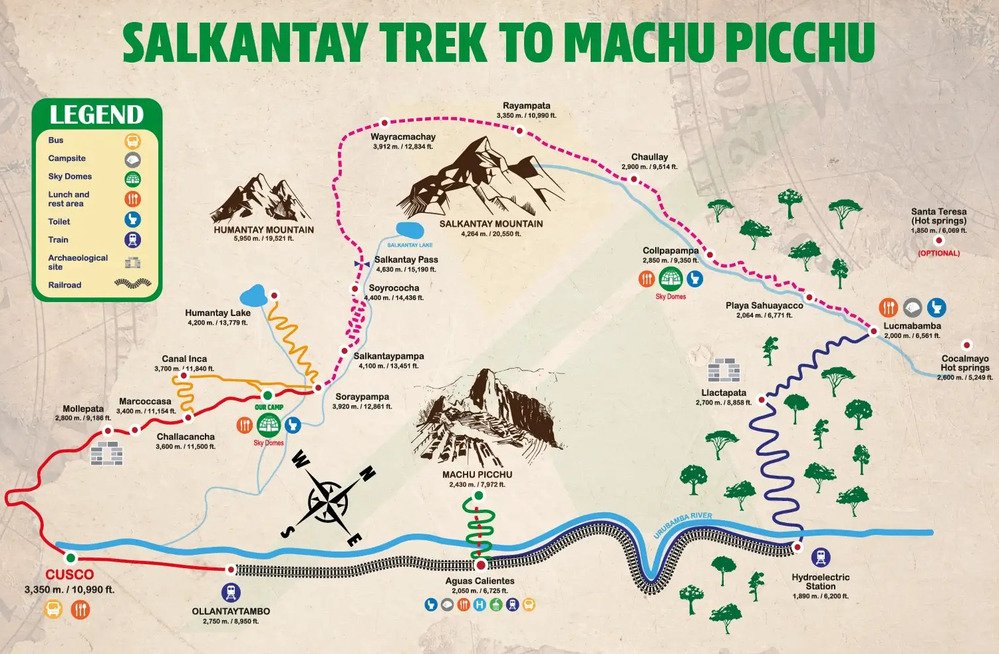
Each day involves between 5 and 8 hours of actual hiking, but the total active time can be longer if technical breaks, pace adjustments due to altitude, or adverse weather conditions are taken into account. The first day usually serves as a gradual acclimatization, while the second day presents the greatest physical challenge due to the ascent to the Salkantay Pass. This section demands a sustained effort of several hours of uphill climbing, where the incline can be steep and the air noticeably thinner.
The distance alone might not seem extreme to people accustomed to hiking at low altitudes; however, the real challenge arises from the combination of mileage with high altitude, constant incline, additional weight (personal backpack, water, warm clothing), and exposure to variable weather conditions. The body not only covers long distances but does so under continuous physiological stress. Daily caloric expenditure can easily exceed 3,000–4,000 calories, depending on the pace and weight carried.
Altitude and Elevation Gain
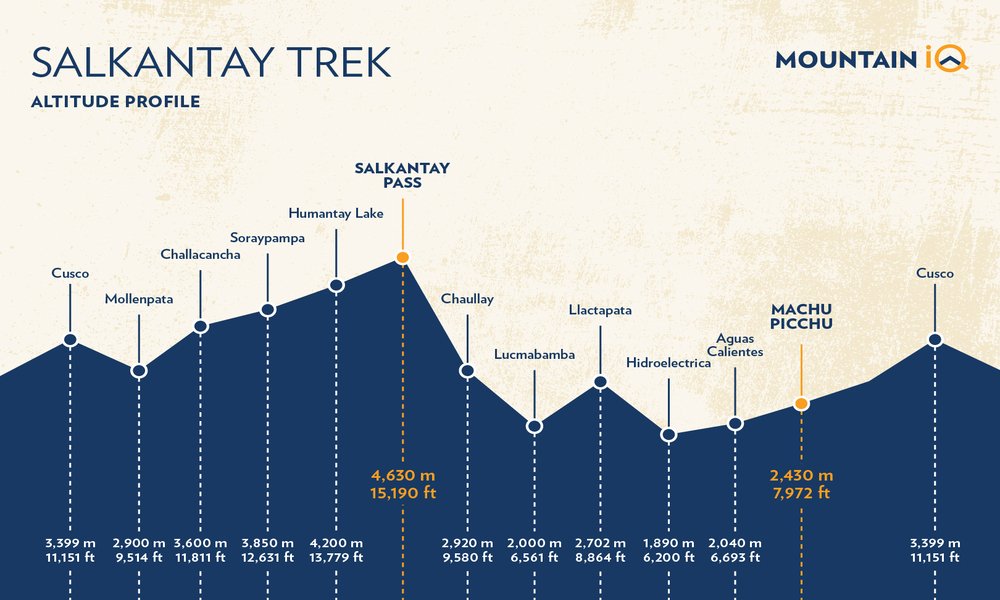
The biggest challenge of the Salkantay Trek is undoubtedly the altitude. The highest point of the trek is the Salkantay Pass, located at approximately 4,600 meters above sea level, very close to the imposing Salkantay Mountain. At that altitude, atmospheric pressure is considerably lower, and oxygen availability can be reduced by up to 40% compared to sea level. This forces the body to increase its breathing and heart rate to compensate for the lower oxygen levels.
Lack of oxygen can cause symptoms of altitude sickness (soroche), such as persistent headaches, nausea, dizziness, insomnia, intense fatigue, and loss of appetite. In rare cases, more serious complications such as high-altitude pulmonary or cerebral edema can occur. Therefore, prior acclimatization is absolutely crucial. It’s not just about being in good physical shape; physiological adaptation is a biological process that requires time.
After reaching the highest point, the trail gradually descends to much lower altitudes, eventually reaching approximately 2,400 meters in Aguas Calientes, the gateway to Machu Picchu. This prolonged descent puts a significant strain on the knees, ankles, and hips, especially if the terrain is wet or rocky. Long descents are generally more demanding on the joints than ascents are on the cardiovascular system.
Type of Terrain
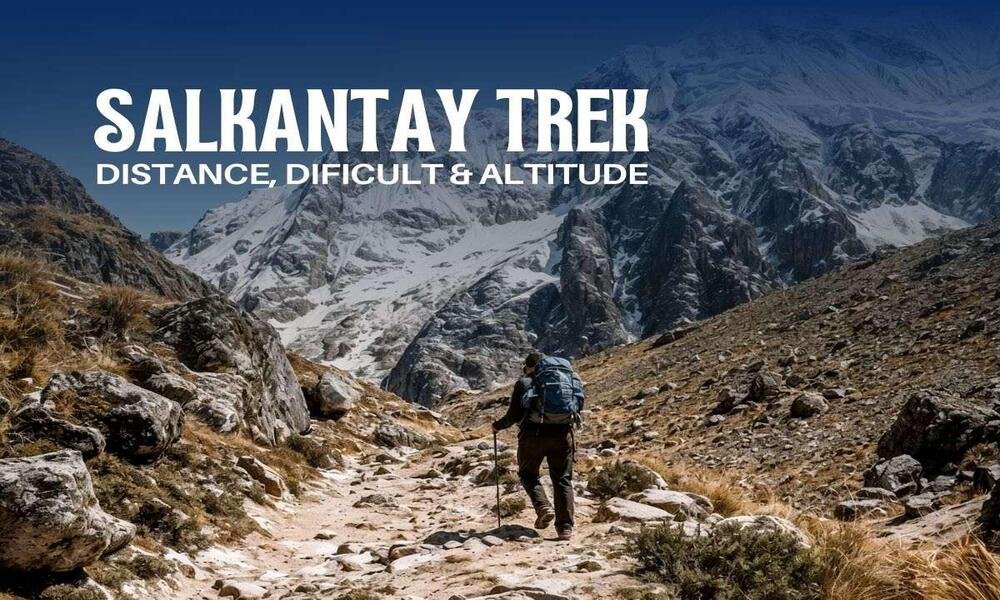
The Salkantay Trek is notable for traversing multiple ecological zones in just a few days. It begins in the high Andean regions with a cold climate and sparse vegetation, surrounded by snow-capped mountains and open valleys, and gradually descends towards the cloud forest, where the environment transforms radically into a humid, green, and tropical landscape.
The main characteristics of the terrain include:
Steep paths of compacted earth and loose rock, especially on the ascent to the pass.
Narrow paths on steep slopes.
Sections with mud and slippery ground in the rainy season.
Crossings of streams, small suspension bridges and waterways.
Jungle sectors with high humidity, dense vegetation and a greater presence of insects.
This diversity forces the body to constantly adapt to different gait and balance patterns. Walking on loose gravel is not the same as walking on wet soil in the jungle. Uneven terrain activates stabilizing muscles in the ankle and hip that are not normally used on flat surfaces, increasing overall muscle fatigue and the need for continuous concentration.
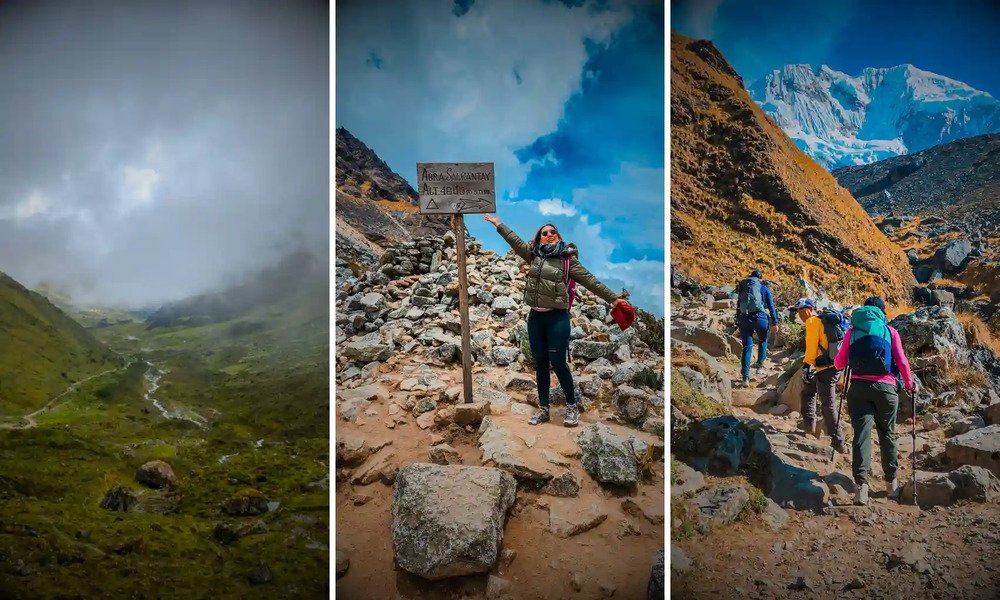
In addition, the use of trekking poles can make a significant difference in stability and load distribution, reducing the impact on knees by up to 20% during prolonged descents.
Climate
The weather along the route can change drastically in a matter of minutes. In the higher elevations, nighttime temperatures can drop to -5°C during the dry season (May to September). High winds can intensify the wind chill, making it feel extremely cold at dawn.
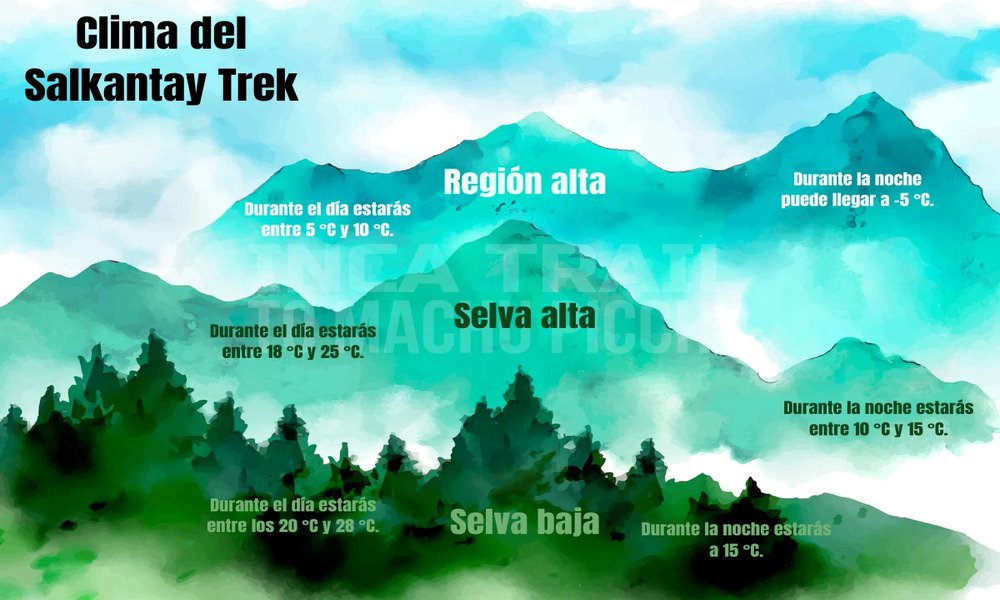
During the day, solar radiation is intense due to the altitude. Prolonged exposure without adequate protection can cause dehydration or sunburn, even on cloudy days. As you descend, the climate becomes warmer and more humid, reaching temperatures of 20–25 °C or higher in the rainforest zone.
Between November and March, the rainy season adds an extra level of difficulty. Rainfall can make the terrain slippery and increase physical exertion. Waterproof clothing and a proper layering system are essential to maintain thermal comfort and prevent hypothermia at altitude.
Physical Preparation Necessary for the Salkantay Trek
Proper preparation can make the difference between a harrowing experience and an unforgettable adventure.
Cardiovascular Training (Endurance)
The cardiovascular system must adapt to prolonged exertion at altitude. It is recommended to begin training 8 to 12 weeks before the trip, gradually increasing intensity and duration.

In addition to backpacking (5–8 kg), it is recommended to include moderate high-intensity interval training (HIIT) sessions to improve lung efficiency. It is also helpful to practice consecutive hikes on consecutive days to simulate the cumulative fatigue of trekking.
Muscle Strengthening
Strength training should focus not only on power but also on muscular endurance. Performing sets with a higher number of repetitions helps prepare muscles for prolonged exertion.
Including balance exercises, such as working on a Bosu ball or unstable surfaces, improves stability on uneven terrain. It’s also advisable to strengthen the lower back to support the weight of the backpack for several hours.
Altitude Acclimatization
Altitude acclimatization is one of the most crucial factors for a safe and enjoyable Salkantay Trek. Before starting the trek, it is highly recommended to spend at least two or three days in Cusco (3,400 meters above sea level). This period allows the body to begin a physiological process of adapting to the lower oxygen levels. During these days, the body gradually increases red blood cell production and adjusts breathing and heart rate to optimize oxygen delivery to the muscles.
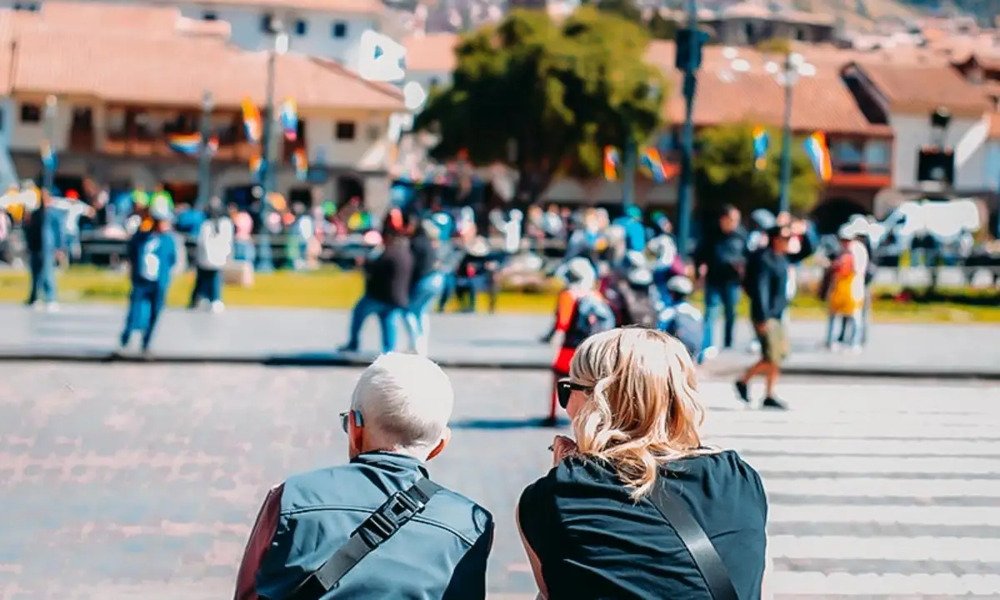
It’s not simply a matter of “waiting” in the city; active acclimatization is far more effective than complete rest. Taking gentle walks in the Sacred Valley or half-day excursions to nearby archaeological sites helps the body adapt gradually without overexertion. The key is to expose yourself to the altitude progressively, avoiding any sudden ascents during the first few days.
It’s important to understand that everyone’s body responds differently to altitude. Age, fitness level, genetics, and even hydration all influence adaptation. People in excellent physical condition may experience altitude sickness symptoms, while those less trained may adapt more easily. Therefore, listening to your body is essential.
Key Recommendations for Proper Acclimatization:
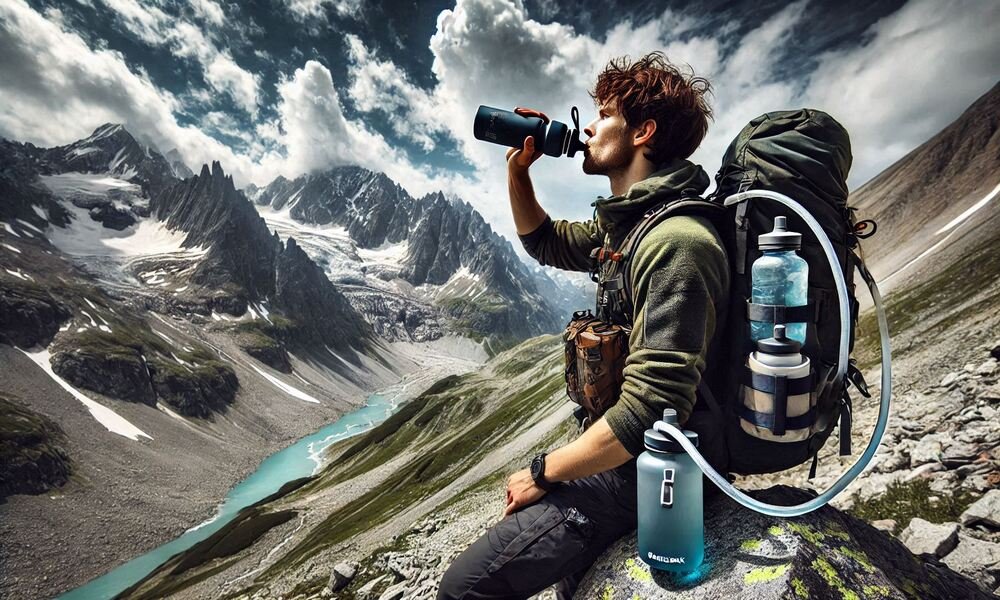
Constant hydration (2–3 liters daily): At high altitudes, the air is drier and breathing becomes more frequent, increasing fluid loss. Maintaining adequate hydration promotes blood circulation and helps reduce symptoms such as headaches and fatigue. It is recommended to drink water regularly, even without feeling intensely thirsty.
Avoid alcohol and heavy meals: Alcohol can intensify the symptoms of altitude sickness by affecting oxygenation and promoting dehydration. Likewise, very fatty or heavy meals can hinder digestion, which is already slower at altitude. Ideally, opt for light and easily digestible foods.
Get adequate rest: Sleep can be disrupted at altitude, especially during the first night. It’s normal to experience irregular breathing or wake up frequently. Even so, it’s important to prioritize rest, avoid strenuous activity on the first day, and allow your body to conserve energy.
Consume carbohydrate-rich foods: Complex carbohydrates (rice, potatoes, quinoa, whole-wheat bread) provide sustained energy and are easier to metabolize at altitude than fats. They also help maintain adequate blood glucose levels, reducing feelings of exhaustion.
In the Andean region, it is also common to consume traditional infusions such as coca tea, which many people use to alleviate mild altitude sickness symptoms. While it does not replace physiological acclimatization, it can help reduce discomfort such as headaches or mild nausea.
It is crucial to understand that acclimatization does not completely eliminate the risk of altitude sickness, but it does significantly reduce its impact and the likelihood of complications. In case of persistent or severe symptoms—such as persistent vomiting, severe difficulty breathing, or disorientation—it is necessary to seek medical attention and, if appropriate, descend to a lower altitude.
Mental Preparation
Mental preparation is just as important as physical preparation on a demanding trek like the one to Machu Picchu. On multi-day routes like the Salkantay, fatigue accumulates not only in the muscles but also in the mind. The cold nights, the altitude, the long inclines, and the daily routine of walking for hours can generate moments of doubt, frustration, or demotivation. It’s completely normal to experience emotional ups and downs during the trek; the important thing is knowing how to manage them.
Mentally breaking down the journey into small, achievable goals is a highly effective strategy. Instead of dwelling on the remaining kilometers or the overall magnitude of the challenge, focusing on immediate objectives—such as reaching the next bend, a visible rock on the trail, or the next rest stop—helps reduce the feeling of being overwhelmed. This fragmented approach transforms a seemingly immense challenge into a series of manageable steps.
Practicing conscious breathing techniques and maintaining a steady pace, without competing with other group members, allows you to conserve energy and avoid premature exhaustion.
Conclusion
The Salkantay Trek is a moderately to highly challenging route that combines distance, extreme altitude, variable weather, and technical terrain. It is a demanding experience, but entirely achievable with progressive physical preparation, proper acclimatization, and a resilient mindset.
Completing this journey means more than just reaching Machu Picchu; it means facing and overcoming one of the most breathtaking natural challenges in the Andes. It’s a transformative experience that strengthens the body, expands the mind, and leaves an indelible mark on your memory.