How high is Arequipa? Is there altitude sickness for Mexicans?
How high is Arequipa? Is there altitude sickness for Mexicans? A complete guide before you travel
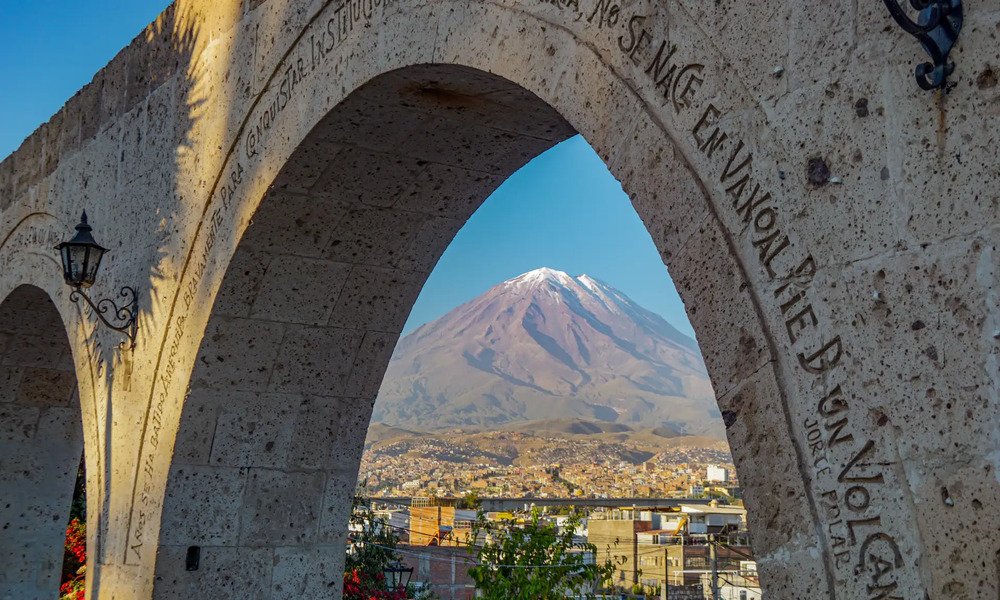
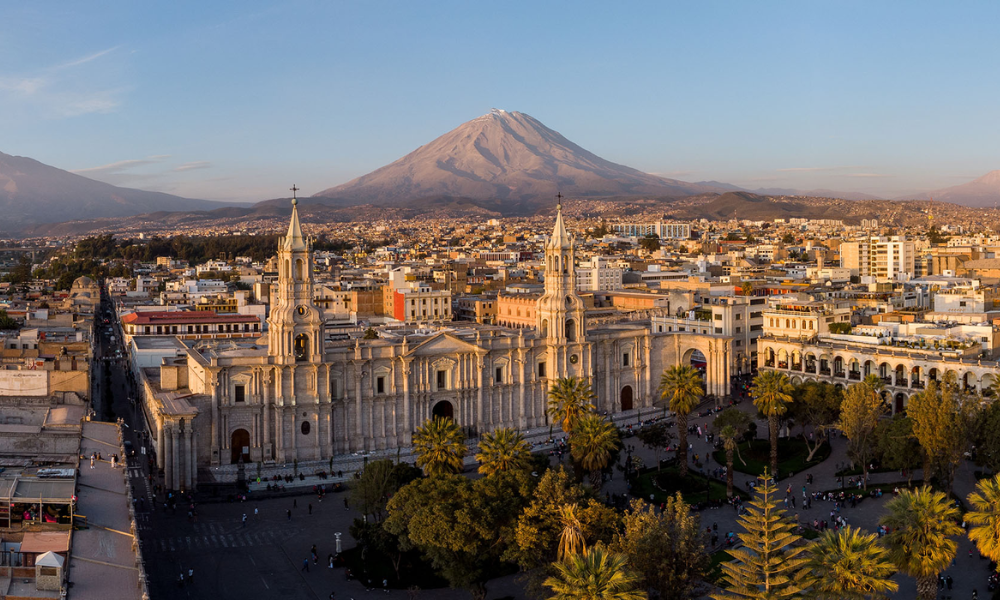
Arequipa is one of the most beautiful and welcoming cities in Peru. Its temperate climate, its sillar architecture, and the constant presence of the Misti, Chachani, and Pichu Pichu volcanoes attract thousands of travelers every year. However, many Mexicans wonder before traveling if the altitude might affect them and if there is a risk of altitude sickness. Below you will find a clear, detailed, and user-friendly guide for a worry-free trip.
1. What is the actual altitude of Arequipa?
Arequipa is located at 2,335 meters above sea level, a moderate altitude. It’s not as low as Lima, but it also doesn’t reach the high altitudes of cities like Cusco or Puno. To better understand its impact, simply compare it mentally with some Mexican cities:
- Mexico City is at 2,240 meters, almost the same as Arequipa.
- Puebla is located at around 2,150 meters.
- Toluca is over 2,600 meters, even higher than Arequipa.
- Monterrey, Guadalajara, Mérida, Cancún, and Tijuana are at lower altitudes, so the change might be felt a bit more.
In practice, this means that most Mexicans don’t experience severe symptoms upon arriving in Arequipa.
2. Is there altitude sickness in Arequipa?
Altitude sickness is generally not a problem in Arequipa. Soroche (altitude sickness) usually occurs at altitudes above 3,000 meters, and Arequipa is below that threshold. Even so, some people may experience mild discomfort during the first few hours, such as a slight headache, fatigue when walking briskly, or shortness of breath when climbing stairs. These symptoms are usually temporary and resolve with rest and good hydration.
3. Do Mexicans experience altitude sickness in Arequipa?
It depends on your city of origin:
Mexicans from high-altitude cities
Those coming from Mexico City, Toluca, Puebla, Pachuca, or Querétaro usually adapt without problems. They already live at similar or higher altitudes, so Arequipa feels familiar to them.
Mexicans from low-lying areas
Travelers from Monterrey, Guadalajara, Cancún, Mérida, Veracruz, or Tijuana may experience a slight change on the first day, especially fatigue or sleepiness. However, this disappears quickly and rarely develops into actual altitude sickness.
Most importantly, Arequipa’s altitude is not dangerous for most people.
4. Where does altitude sickness occur?
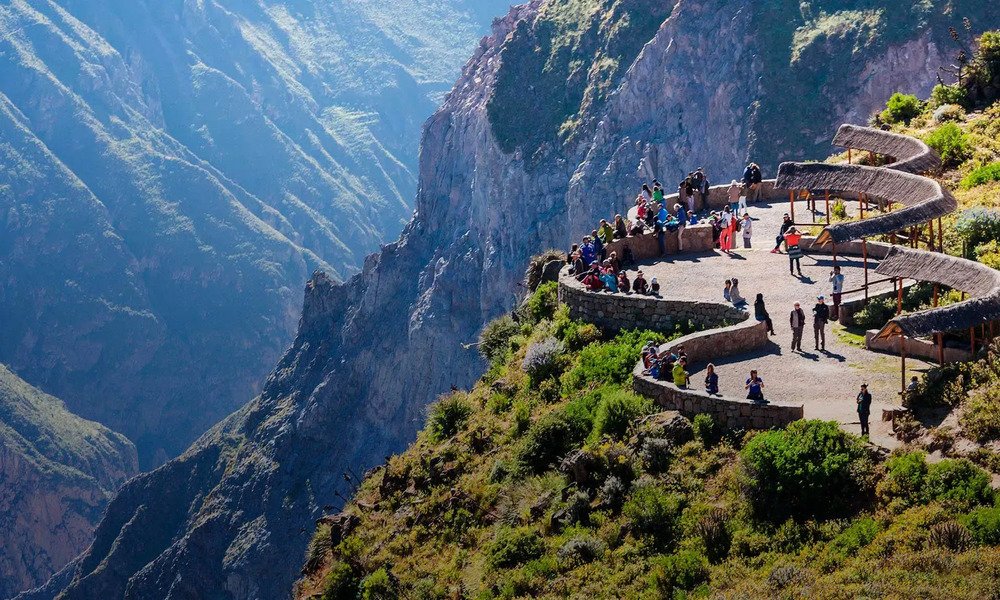
It doesn’t usually occur in Arequipa, but it does in nearby areas visited from the city. The most common example is the Colca Canyon, where altitudes exceed 3,600 meters. At viewpoints like the Patapampa viewpoint, the altitude reaches almost 5,000 meters, and there it is normal to experience shortness of breath or headaches.
Therefore, Arequipa serves as an ideal place to acclimatize before climbing the Colca Canyon.
5. Tips to Avoid Altitude Sickness (Especially Useful for Mexicans)
Here are practical recommendations that really work:
Stay well hydrated from the moment you board the plane.
Arequipa’s dry climate dehydrates you faster than normal.
Avoid drinking alcohol on your first day.
Alcohol increases the feeling of shortness of breath and can intensify any discomfort.
Eat lightly upon arrival.
Arequipa’s dishes are delicious, but it’s best to start with light meals to ease the adjustment.
Walk at a leisurely pace.
Your breathing may feel different at first; take it easy.
Drink coca tea or suck on coca leaves.
They help oxygenate your lungs and prevent headaches.
Rest for the first few hours.
Don’t schedule any strenuous activities on your arrival day.
6. When Should I Worry?
It’s extremely rare to experience severe altitude sickness in Arequipa. However, if you experience intense headaches, severe nausea, persistent dizziness, or difficulty breathing even at rest while climbing the Colca Canyon, it’s advisable to descend as soon as possible. Upon returning to a moderate altitude like Arequipa, the symptoms generally disappear.
7. Conclusion: Is it safe for Mexicans to travel to Arequipa in terms of altitude?
Yes, absolutely. Arequipa is a comfortable city for most Mexicans.
If you’re coming from a high-altitude city like Mexico City, you probably won’t even notice the difference.
If you’re coming from sea level, you might feel a little tired at first, but nothing serious. True altitude sickness occurs in higher areas like the Colca Valley.
Arequipa is an incredible destination, full of culture, history, gastronomy, and unique landscapes. With a few simple precautions, you’ll enjoy the experience without any problems.m