


“How many kilometers is the Salkantay Trek and how much is walked per day?”
The Salkantay Trek is one of the most challenging and exciting trekking routes in Peru. Every year, thousands of adventurers from around the world embark on this journey. The route winds from picturesque Andean valleys to lush rainforests, as travelers enjoy the majestic presence of the imposing Mount Salkantay. This trek has earned its well-deserved reputation. It stands out not only as an alternative to the traditional Inca Trail but also for offering a more secluded and, therefore, more intimate experience with nature. If you love unspoiled nature, pure adventure, and ancient history, the Salkantay Trek is a unique experience. It will take you through some of the most breathtaking landscapes in the world.
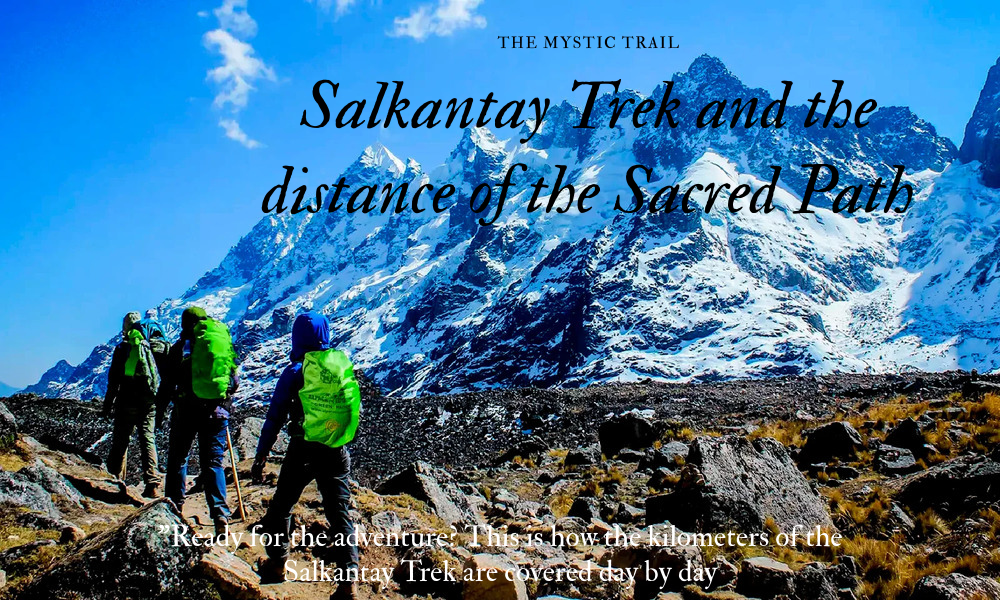
Throughout the trek, trekkers encounter dramatically varying altitudes and ecosystems. From the snow-capped peaks of the Andes Mountains to the subtropical rainforest of the Santa Teresa Valley, each day offers a new visual and emotional experience. It’s not just a physical challenge. It’s also an opportunity to connect with Inca history, explore exotic flora and fauna, and culminate the adventure at the heart of the Inca world: Machu Picchu. The journey is not only physical but also spiritual. It’s a true challenge for those seeking a profound connection with the landscape and traditions of Peru.
How many kilometers is the Salkantay Trek?
📏
The total distance of the Salkantay Trek is not fixed, as it can vary depending on the route chosen, detours, or additional stops travelers decide to make. Generally speaking, the total length of the route is approximately 74 kilometers (46 miles). It is a breathtaking trek through diverse landscapes. Along the way, hikers pass through arid highlands and lush rainforests. All of this takes place within a 5-day trekking period.
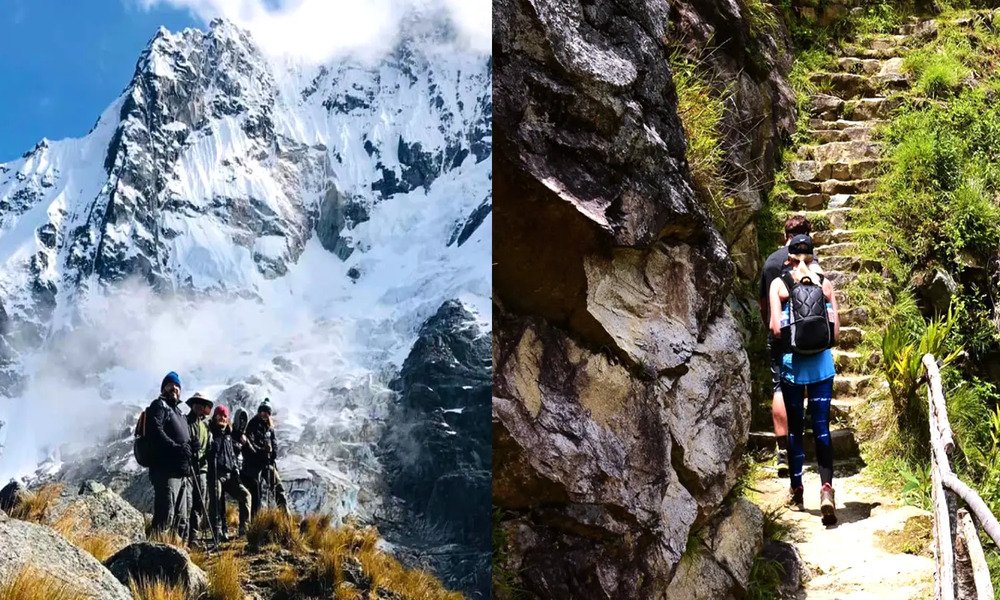
Each section of this route has its own unique character, and the daily distance varies depending on the terrain and difficulty. Some days, trekkers may hike for extended periods at extreme altitudes. At other times, they traverse gentler, though equally strenuous, paths. The trek can be challenging due to the high altitudes reached. However, the physical effort is rewarded with spectacular views of mountains, valleys, and rainforests.
How much walking is done per day on the Salkantay Trek?
The Salkantay Trek is typically a 5-day, 4-night hike. However, some agencies offer alternative itineraries that can be longer or shorter, depending on the type of experience you’re looking for. Each day of the trek presents distinct characteristics, both in distance and difficulty, making it dynamic and exciting. The landscapes also change dramatically as you progress, transitioning from high-altitude Andean valleys to warmer areas near the rainforest.
Below, I detail what you can expect on each day of the trek and how much walking is usually done in each stage.
Day 1: Mollepata to Soraypampa
-
Distance: Approximately 12 km.
-
Estimated walking time: 4-6 hours.
-
Elevation change: Gradual ascent through a mountainous landscape.
The first day of the trek begins in the picturesque village of Mollepata, located at approximately 2,800 meters above sea level. From this starting point, the trail heads towards the mountains through wide Andean valleys. It also crosses agricultural fields and open landscapes that offer the first panoramic views of the mountain range.
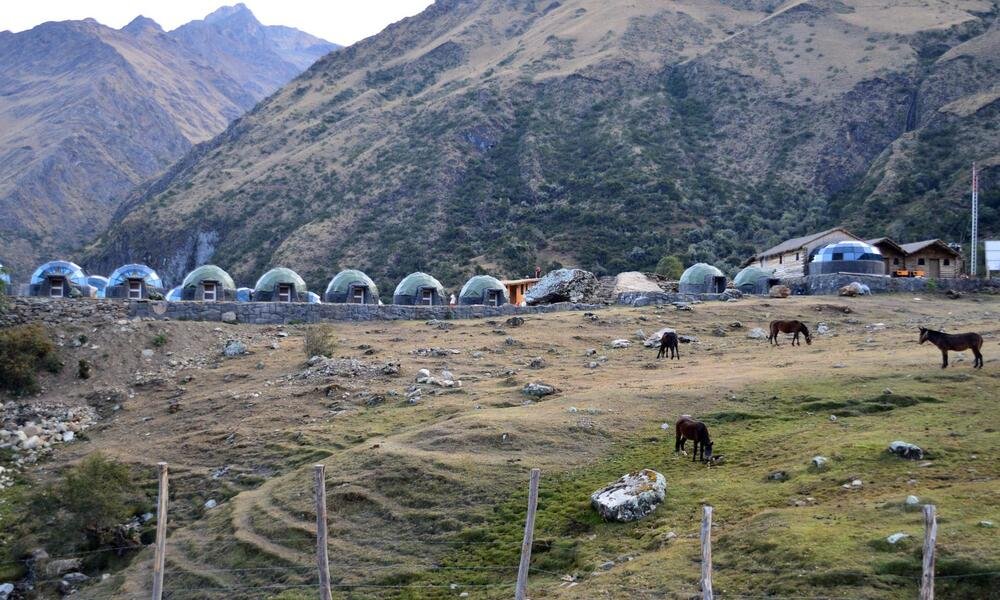
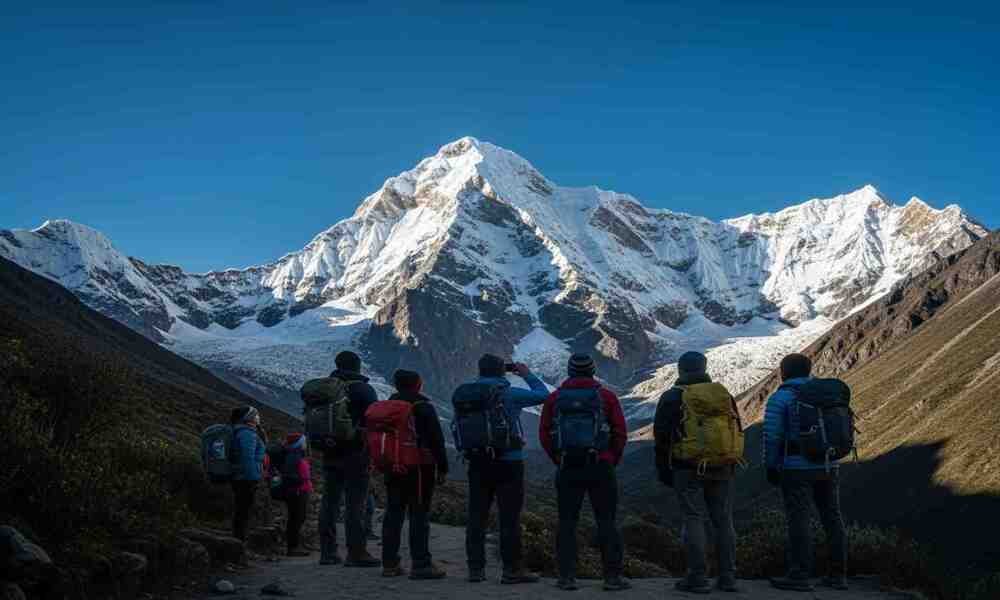
The ascent is gradual and relatively moderate. This allows you to start the trek at a relaxed pace, while your body begins to adjust to the altitude. As you progress, the landscape becomes increasingly alpine. Finally, you reach the Soraypampa campsite, located at approximately 3,800 meters above sea level. During the trek, many travelers catch their first glimpse of the imposing Salkantay mountain, one of the region’s most iconic peaks. Its snow-capped summits dominate the horizon and foreshadow the adventure that will continue in the following days.
Day 2: Soraypampa to Chaullay (Salkantay Pass)
-
Distance: Approximately 22 km.
-
Estimated walking time: 8-9 hours.
-
Elevation change: Steep climb towards the Salkantay Pass, followed by a steep descent.
Day 2 is the most challenging of the entire trek. From the Soraypampa campsite, hikers begin a gradual ascent to the highest point of the entire route: the Salkantay Pass, located at approximately 4,600 meters above sea level. This section demands considerable physical effort, as the slope becomes steeper and the air is noticeably thinner. Due to the high altitude, some trekkers may experience symptoms of altitude sickness, so it is important to walk at a steady pace, stay well hydrated, and take breaks when necessary.
However, reaching the pass is one of the most memorable moments of the entire Salkantay Trek. From the summit, you get spectacular views of the Andes, with panoramas of snow-capped mountains, glaciers, and deep valleys stretching in every direction. Nearby rises the imposing Salkantay mountain, sacred to Andean cultures, whose presence dominates the landscape and creates a truly breathtaking scene.
Day 3: Chaullay to La Playa
-
Distance: Approximately 18 km.
-
Estimated walking time: 6-7 hours.
-
Level change: Gradual descent through the rainforest.
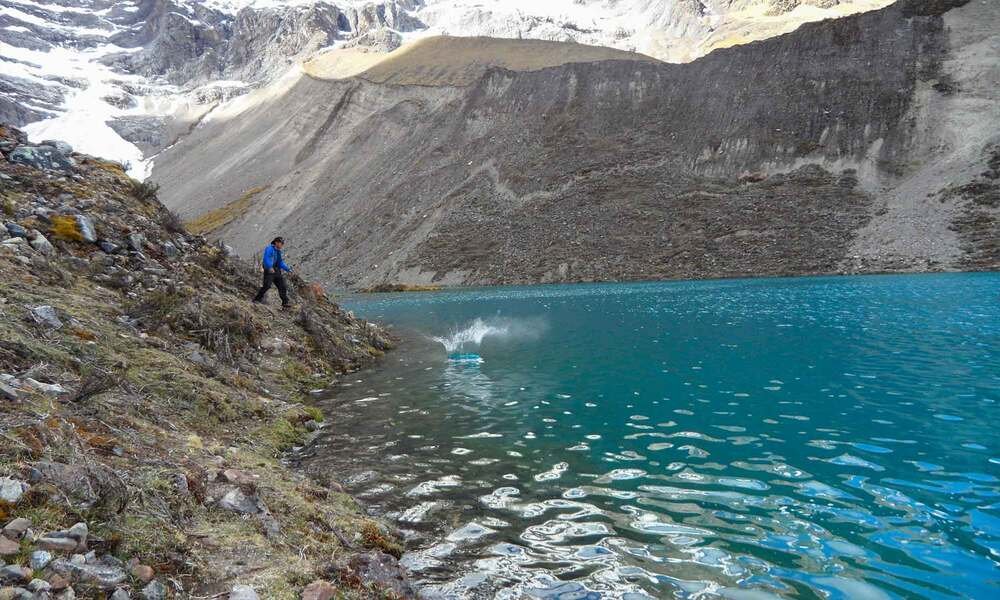
This day is less strenuous in terms of altitude, but no less spectacular. The trekkers descend along a gentler path through the rainforest. During the trek, they cross rivers and explore the Amazonian ecosystem. As they progress, the landscape changes dramatically. The high-altitude forests give way to the lush vegetation of the valleys. This is the ideal stretch to enjoy the local wildlife. Here, it’s possible to observe tropical birds, butterflies, and orchids. The destination for this day is La Playa, a small and welcoming settlement in the Santa Teresa Valley, surrounded by a jungle environment.
Day 4: La Playa to Aguas Calientes
-
Distance: Approximately 14 km.
-
Estimated walking time: 5-6 hours.
-
Elevation change: Moderate climb towards the train station.
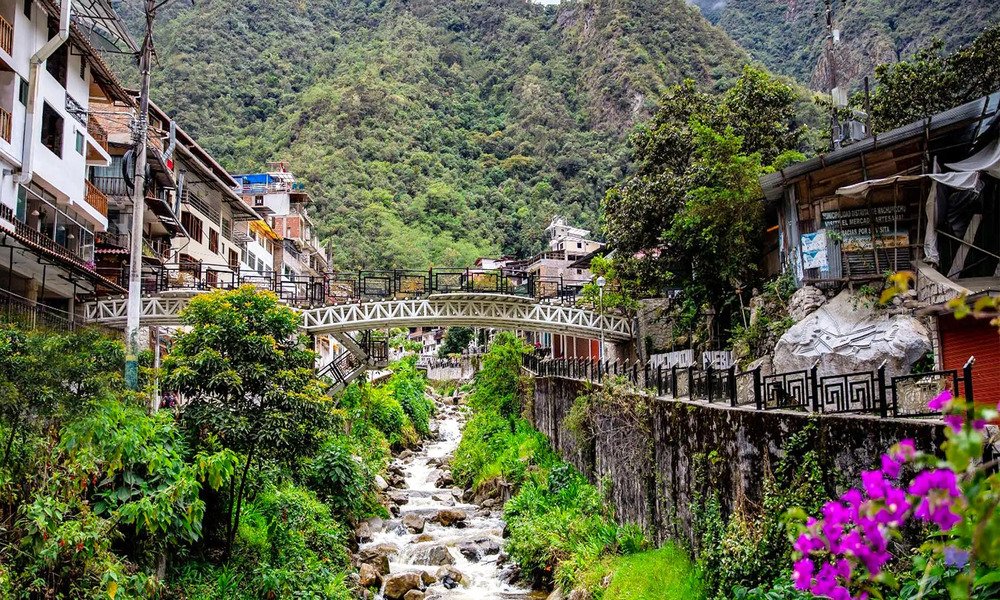
The day begins with a gradual ascent as the trekkers progress along more accessible paths. This is a more relaxed day, although the hike is still long. As you advance, the landscape becomes increasingly accessible and less densely forested. The ultimate goal is to reach the Aguas Calientes train station, where the trekkers will board a train to the picturesque town of Machu Picchu, the final destination of the trek.
Day 5: Aguas Calientes to Machu Picchu
-
Distance: Approximately 2-3 km.
-
Estimated walking time: 1-2 hours.
-
Elevation change: Steep climb to the archaeological complex.
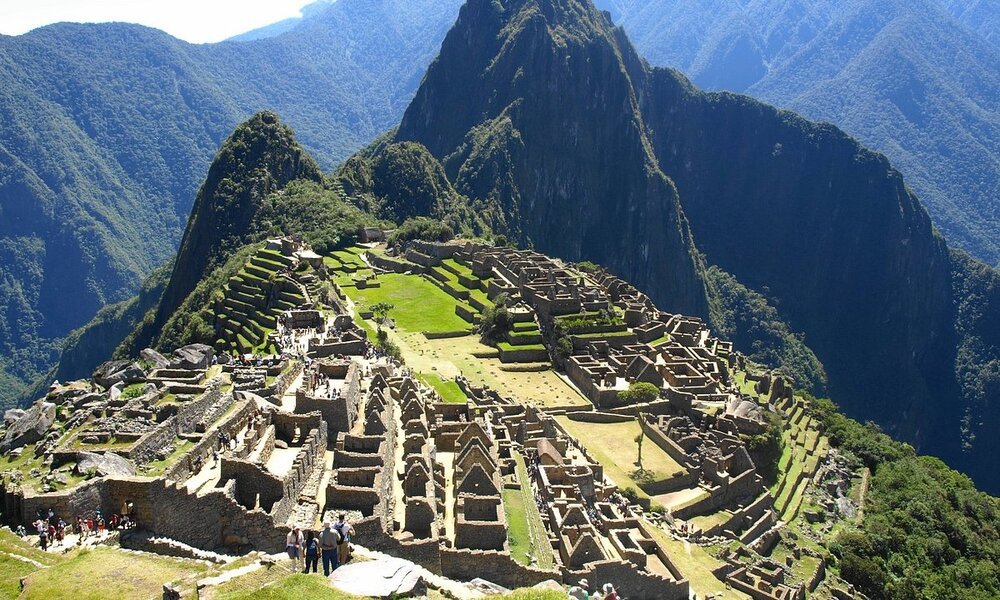
Finally, the most anticipated day: the climb to Machu Picchu. You can choose to hike the steep trail to the Inca citadel (about an hour’s walk ) or take a bus to the entrance. The scenery is spectacular, and arriving at Machu Picchu is a breathtaking moment that leaves you speechless. The Inca citadel, perched atop a mountain and surrounded by the mystical Urubamba River, offers one of the most stunning views in the world.
Additional data
Difficulty: The Salkantay Trek is considered a moderate to difficult trek due to the high altitudes reached and the often rugged terrain. Although the route is designed for experienced trekkers, those unaccustomed to high altitudes may experience problems such as altitude sickness.
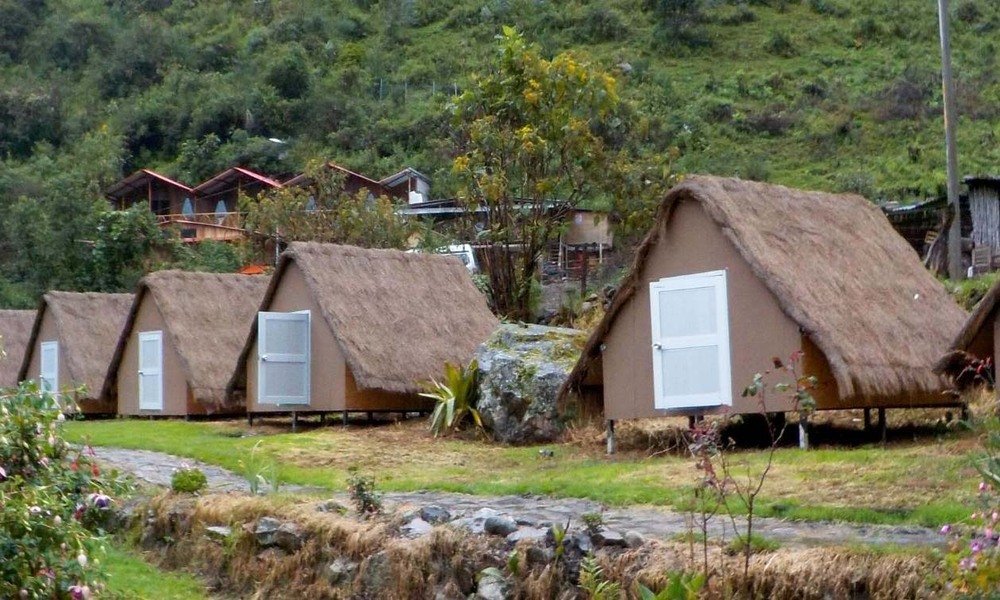
Accommodations: Throughout the trek, accommodations vary depending on the agency chosen. They range from basic tent camps to more comfortable lodging at certain stages of the trip, such as in La Playa or Aguas Calientes.
Required Equipment: Due to variable weather conditions, it is crucial to bring appropriate clothing for different temperatures (warm clothing for the altitudes and light clothing for the jungle). In addition, sturdy, non-slip footwear is recommended, especially for the steeper sections.
Altitude: Trekking reaches extreme altitudes, which can affect trekkers, especially those not accustomed to the altitude. It is advisable to take the necessary time to acclimatize to the altitude and be aware of the symptoms of altitude sickness.
Best time to do it: The best time to do the Salkantay Trek is during the dry season, between April and October. During this time, the weather is more stable, with less chance of heavy rain, making the trek more comfortable and safer. However, from November to March, rain is frequent and can make some parts of the trail more slippery.
¿Por qué elegir el Salkantay Trek?
Choosing the Salkantay Trek means opting for a wilder, less touristy adventure than the famous Inca Trail. This option takes you through a variety of unique landscapes, from glaciers to rainforests, allowing for direct contact with nature in its purest form. Furthermore, the fact that it’s less crowded than other routes allows you to enjoy a more tranquil atmosphere and a greater sense of seclusion.
This trek not only takes you to Machu Picchu, but also offers a complete experience that combines natural beauty, physical challenge, and a spiritual connection with ancient Peruvian cultures. If you’re looking for a demanding trek surrounded by breathtaking views and with the opportunity to explore unique biodiversity, the Salkantay Trek is undoubtedly one of the best options.