How to pay in Peru: cash vs. card and fees
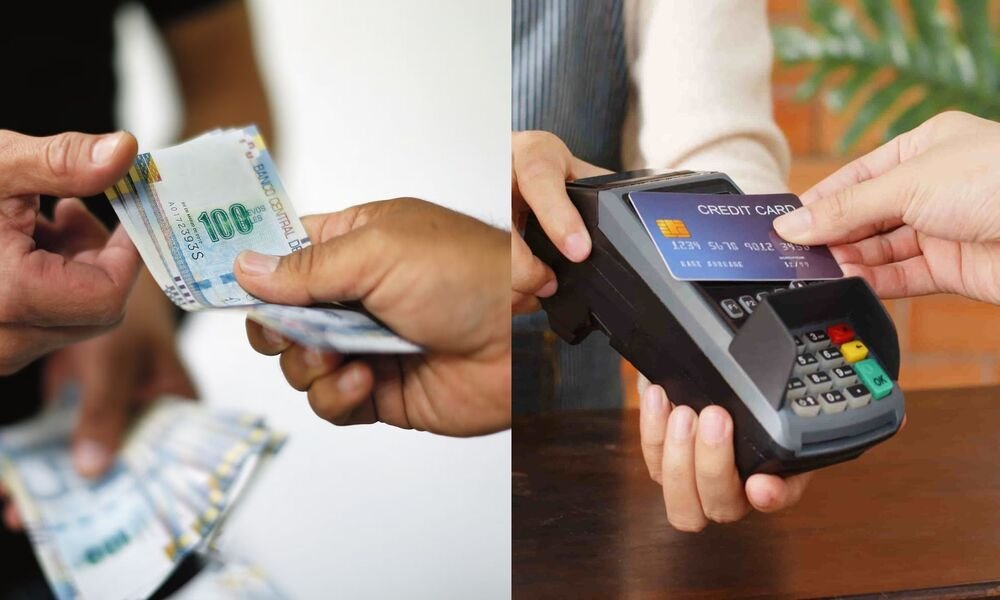
Knowing how to pay in Peru – cash vs. card – is essential for any first-time traveler. Lima and other major cities increasingly use digital payments. However, cash remains important in markets, taxis, and small businesses. Understanding this dynamic allows you to avoid surprises, better manage your budget, and enjoy your trip without any problems.
In Peru, various payment methods coexist and work in a complementary way. Cards are practical and accepted in most hotels, restaurants, and shopping centers. Meanwhile, cash offers flexibility in local areas or places where electronic transactions aren’t always available. In addition, there are ATMs, currency exchange offices, and digital wallets, each with its own advantages and costs.
This guide brings together everything a traveler needs to manage money in Peru safely: when to use a card, when it’s best to carry cash, how much ATMs charge for withdrawals, how to avoid unnecessary fees, and strategies to save money on a daily basis. With this information, paying in the country becomes simple, practical, and hassle-free.
Is it better to pay more with cash or with a card?
Both cash and cards play an important role when traveling in Peru. Each offers advantages depending on the location and the type of expenses you plan to incur. Therefore, the best strategy is to combine both methods without relying entirely on one. Some banks, such as BCP, work well with foreign cards.
Cash is practical in markets, small shops, local food stalls, and informal taxis that don’t accept digital payments. It is also useful when the amount is small or when you don’t want to pay additional fees for using a card. In traditional places, paying in cash is usually faster and more direct.
On the other hand, cards are ideal for restaurants, large stores, shopping malls, museums, and hotels. They offer security, allow you to carry less cash, and facilitate expense control. Furthermore, many terminals allow you to pay in soles, thus avoiding unnecessary surcharges that appear when choosing the dollar option.
In short, the key is to balance both methods. With cash, you’ll have convenience in small places, and with a card, you’ll enjoy the peace of mind of secure transactions in formal establishments.
ATMs and cash withdrawal fees
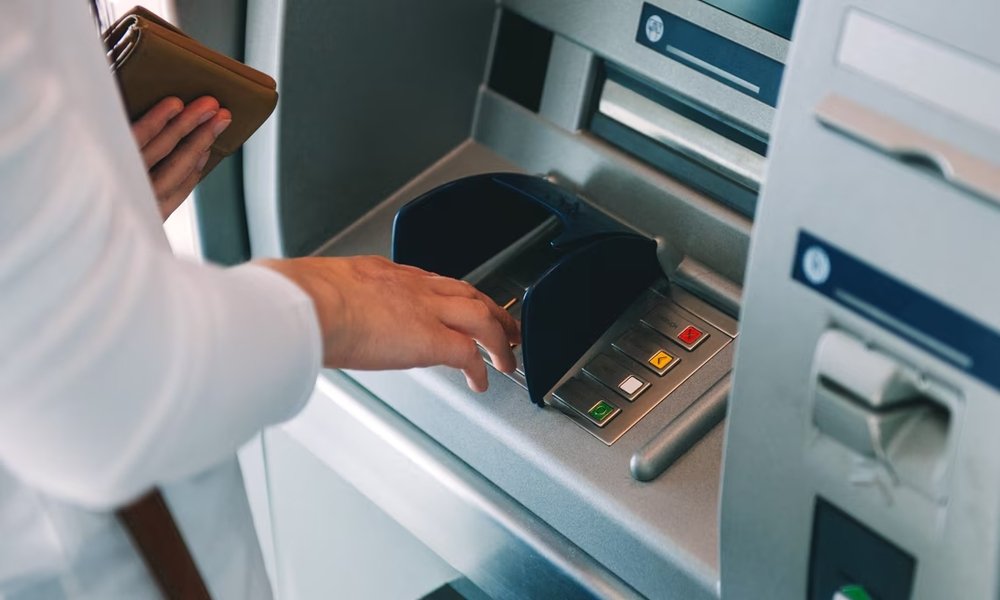
Withdrawing money in Peru is a simple and accessible process for any traveler. ATMs are available in shopping malls, supermarkets, banks, and airports, allowing you to get cash in soles in just a few minutes. However, each bank applies different fees, so it’s important to understand how they work to avoid unnecessary expenses.
ATMs located in central areas are usually safer because they have cameras, security, or constant lighting. The process is straightforward, and the system indicates the amount you can withdraw before confirming the transaction. Sometimes a notification appears about an additional fee, and it’s best to accept this charge only when you really need cash.
In most cases, ATMs allow you to choose between soles or dollars. Nevertheless, the soles option usually offers better results. Furthermore, withdrawing small amounts more frequently can increase the total cost of the trip due to fees. For this reason, many travelers prefer to withdraw a moderate amount that will allow them to manage comfortably for several days.
Withdrawal limits
Withdrawal limits depend on the bank and the type of ATM. Some allow high amounts, while others apply restrictions that require multiple transactions. Before confirming the transaction, the ATM displays the available funds, making it easier to decide whether to proceed.
ATMs in commercial areas and modern districts like Miraflores, San Isidro, or Surco typically offer higher limits and greater cash availability. After completing the withdrawal, it’s advisable to keep the receipt or take a photo of it to keep track of your expenses during your trip.
Banks, fees and more convenient options

In Peru, banks charge a fixed fee when you use a foreign card to withdraw cash. These fees vary depending on the bank, but they generally remain within a reasonable range. However, it’s important to keep in mind that multiple withdrawals can multiply these costs. For this reason, many travelers prefer to make a single, moderate withdrawal from a reliable ATM.
Larger banks tend to have more modern ATMs with better cash availability. This allows for faster transactions, fewer errors, and greater security. Furthermore, many ATMs display the exact fee upfront, helping you decide whether it’s worth proceeding.
While fees are unavoidable, it’s possible to minimize their impact. Withdrawing from secure ATMs, opting for moderate amounts, and using your card at authorized establishments are practices that help balance your travel budget.
Safer ATMs
Most travelers prefer ATMs located inside shopping malls, large supermarkets, or banks. These spaces are more closely monitored and offer a calm environment for completing transactions at their leisure. They also tend to have greater cash availability and fewer technical issues compared to street-level ATMs.
Currency exchange offices and how to get a good rate
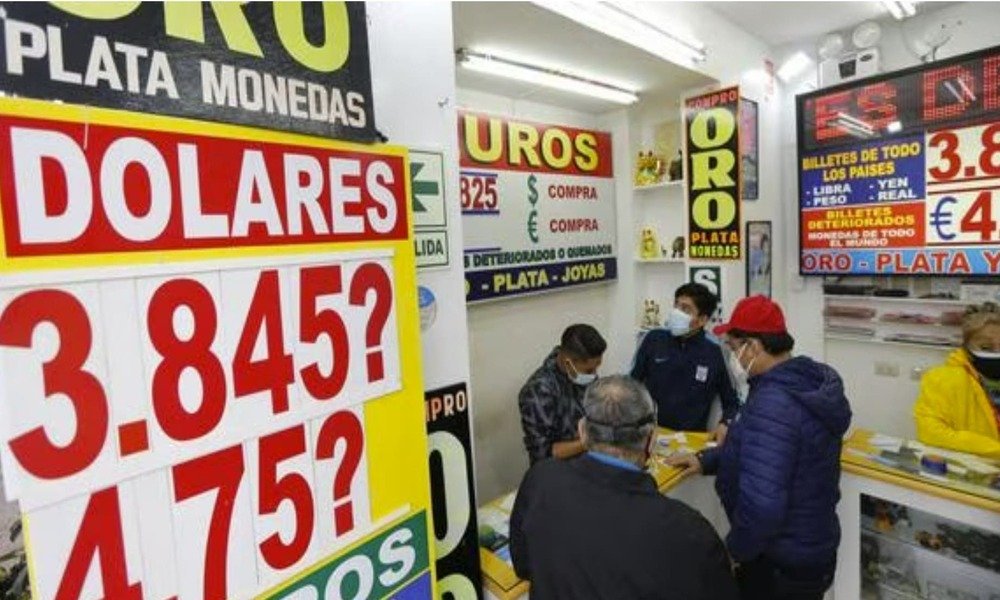
Currency exchange offices in Lima are a convenient alternative for those who prefer to avoid ATMs. Many are located in commercial areas, on main avenues, or near business centers, making it easy to compare rates in just a few minutes. Most display their rates clearly, so checking the exchange rate is a quick and simple process.
These exchange offices tend to offer attractive rates because they handle a steady flow of customers. This keeps prices stable and competitive for much of the day. Furthermore, some modern exchange offices allow you to check the exchange rate from your cell phone, which is useful for better planning your transactions.
When handing over your banknotes, it’s important that they are in good condition. Exchange offices may reject torn, heavily worn, or marked bills. Therefore, it’s advisable to check your dollars or euros before handing them over. Once you receive the money in soles, it’s a good idea to count the bills at the counter and store them securely before continuing your journey.
When is it a good time to exchange money?
Exchanging money at a formal exchange bureau is convenient when you need soles for taxis, markets, or small shops. It is also ideal when you want better rates than those offered by some ATMs or banks. With a quick check between two or three locations, you can get a good exchange rate without much hassle.
Why do commissions appear and how do they work in Peru?
Understanding why fees are charged allows you to better manage your travel budget. These fees exist because banks process international transactions through external networks, and this service incurs a cost that is passed on to the user. Although the amounts vary between institutions, they generally remain within a stable range that you can anticipate before traveling.
In Peru, fees are charged when withdrawing money from an ATM, converting currency, or using cards issued in other countries. In some cases, the terminal offers payment in dollars, although this option includes an unfavorable exchange rate. Therefore, it’s always best to pay in soles to avoid hidden surcharges.
Even so, not all purchases generate fees. Many establishments accept cards without applying additional charges, making this method convenient for larger expenses. However, carrying some cash is still useful because many small and traditional businesses do not accept digital payments.
Dynamic conversion and hidden surcharges
When you choose to pay in dollars at a payment terminal, the system applies an automatic conversion called “Dynamic Currency Conversion.” This conversion often uses an unfavorable exchange rate and generates a surcharge that goes unnoticed unless you check the final amount. Always selecting payment in soles helps control spending and avoid unnecessary costs during your trip.
Safety when withdrawing cash in Peru
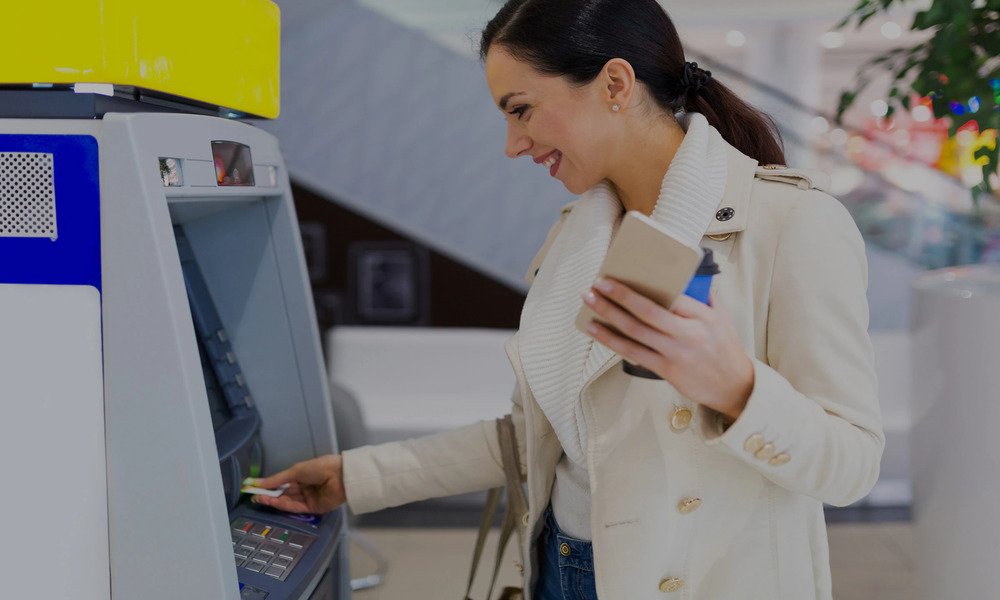
Withdrawing money in Peru is safe when you choose the right places. ATMs located inside supermarkets, shopping malls, or banks offer a more secure environment thanks to lighting, cameras, and constant surveillance. This environment reduces risks and allows you to complete the transaction calmly.
It’s also advisable to withdraw cash during the day, when there’s more activity and visibility. Before using the ATM, it’s a good idea to check that the card slot doesn’t have any loose parts or foreign objects. Although it’s uncommon, a quick check prevents problems.
Once you have the cash, it’s best to store it in different compartments of your bag or clothing. This helps protect some of the money in case of theft. Keeping the receipt is also a good practice, as it allows you to check later for duplicate charges.
Simple precautions for greater peace of mind
Covering the keypad when entering your PIN, avoiding talking to strangers near the ATM, and stepping away before counting your money are all security measures. These simple actions make a significant difference when traveling in a large city.
How to save money when paying in Peru
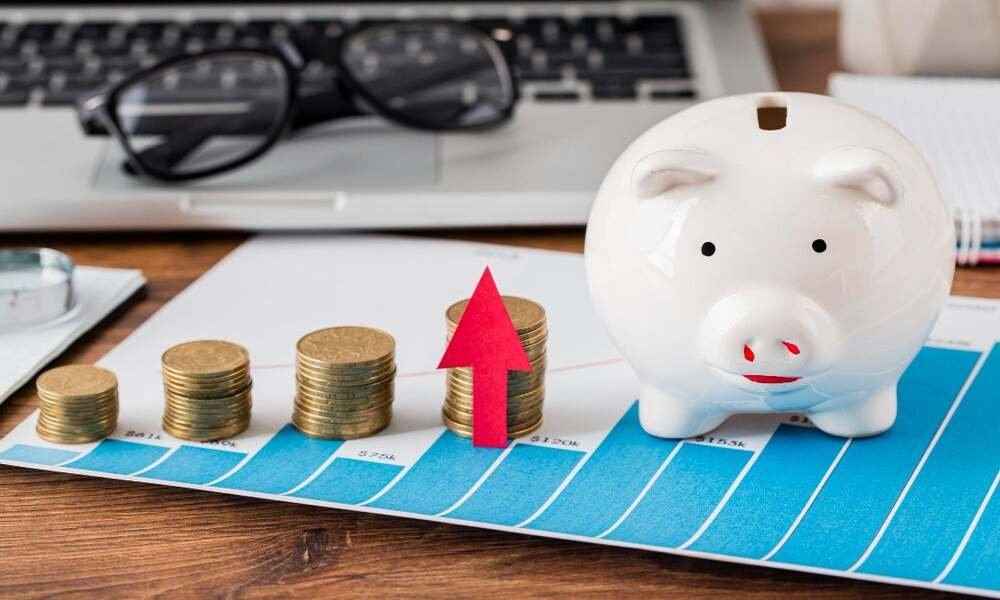
Saving money while traveling is possible if you use a balanced combination of cash and card. Using a card in restaurants, hotels, shopping malls, and for larger purchases avoids frequent ATM fees and allows for clearer control of your spending. It also reduces the amount of cash you carry, increasing your security.
Cash, on the other hand, is ideal for markets, traditional taxis, handicrafts, small shops, or local food stalls. Keeping a moderate amount will allow you to move around more freely without always relying on ATMs.
Avoiding payments in dollars within the country also helps you save, as the exchange rate used in stores is usually higher. The most practical approach is to carry soles for daily expenses and use a card for major purchases. This combination is efficient, flexible, and secure for any traveler.
Intelligent balance between both methods
The best way to make your budget stretch is to maintain a balance. Using a card for larger expenses and cash for smaller purchases allows you to reduce fees, improve money management, and enjoy your trip with greater peace of mind.