The history of the Inca Empire and its legacy.

The Inca Empire, one of the greatest civilizations in pre-Columbian America, expanded from humble beginnings in the Andes Mountains to become the largest empire in South America. Known for its advanced agricultural techniques, sophisticated architecture, and complex social structure, the legacy of the Inca Empire is still present today, influencing the landscapes, cultures, and traditions of Peru and beyond.
In this article, we’ll delve into the history of the Inca Empire, examining its conquests, achievements, and eventual collapse. We’ll also explore its lasting impact, from the ancient roads and terraces still in use today to the influence on Peruvian culture, food, and language.
The Rise of the Inca Empire: Origins and Early Expansion

The Inca Empire’s origin story is rooted in the sacred city of Cusco, where, according to legend, Manco Cápac and Mama Ocllo, the children of the sun god Inti, founded the kingdom. What began as a small kingdom grew to unimaginable proportions under the leadership of Pachacútec, who transformed the Incas from a minor Andean tribe into one of the most advanced and largest civilizations in the world.
Pachacútec: The Visionary Leader
Pachacútec, often hailed as the “father” of the Inca Empire, is remembered for his military genius, strategic mind, and far-reaching vision. In the 15th century, he expanded the empire exponentially, conquering neighboring tribes, consolidating power, and creating a unified political structure. His reign marked the beginning of the imperial expansion, laying the foundation for the Inca’s cultural and agricultural advances. He also initiated the Qhapaq Ñan (Inca road system), which helped connect the empire from the highlands of Peru to the deserts of Chile, the jungles of the Amazon, and the coastlines of Ecuador.
Under Pachacútec’s rule, the Incas developed a system that integrated the diverse cultures and ethnicities they conquered, incorporating them into a vast and powerful empire that spanned thousands of miles.
Inca Expansion and the Creation of a Unified Empire
Pachacútec’s military strategy was brilliant: instead of only conquering, he also incorporated those who were defeated into his empire, offering them a place in the Inca system. Through alliances, marriages, and diplomacy, Pachacútec consolidated control over a vast territory. He was also the mastermind behind the Inca’s efficient administrative system, with a unique way of organizing people into ayllus (community groups), allowing the empire to thrive under central rule. His successor, Tupac Inca Yupanqui, continued expanding the empire, reaching territories in what is now Ecuador and Chile.
Inca Achievements in Architecture and Engineering

The Inca Empire is renowned for its impressive engineering and architectural feats, many of which still stand to this day. The Incas had an uncanny ability to blend architecture with the landscape, using local materials and innovative techniques that still astound modern architects and archaeologists.
Machu Picchu and the Sacred Valley
While Machu Picchu remains the most iconic Inca site, it is only one of many breathtaking examples of Inca engineering. The Sacred Valley near Cusco contains many other remarkable sites, including Ollantaytambo, Pisac, and Chinchero. These locations offer a glimpse into the agricultural and ceremonial practices of the Incas, as well as their unique approach to building on the land.
The Inca’s ability to connect their cities with sophisticated infrastructure—from their advanced road network (Qhapaq Ñan) to their terracing systems and massive stone structures—was essential to the success and longevity of the empire. Even today, these sites continue to serve as a reminder of the ingenuity and mastery of the Inca civilization.
Sacsayhuamán: Masterful Inca Stonework
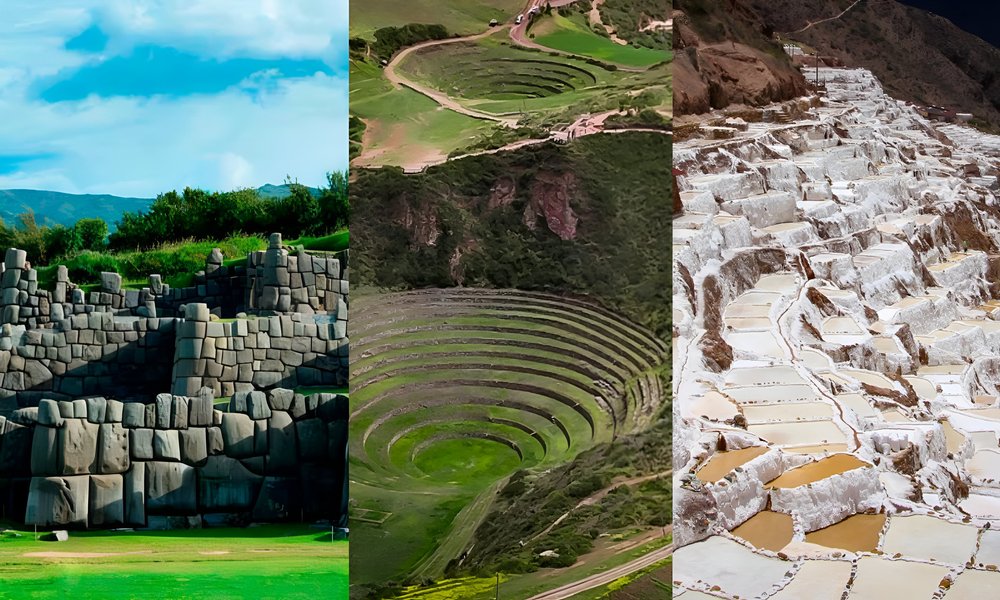
Sacsayhuamán, just outside Cusco, is perhaps the most famous example of Inca stonework. The site consists of massive stone walls, some of which contain stones weighing up to 200 tons. The precision with which the stones were cut and placed, without mortar, is truly remarkable — a testament to the advanced engineering knowledge the Incas possessed. The complex was used as a ceremonial site and as a military stronghold, overlooking the city of Cusco.
Maras and Moray: Agricultural Marvels
Two incredible examples of Inca ingenuity are the agricultural terraces of Moray and the salt mines of Maras.
- Moray: Located near the town of Urubamba, Moray is an extraordinary circular terracing system, thought to have been used for agricultural experimentation. Its design allowed the Incas to simulate various microclimates, improving crop yields across the empire.
- Maras: Not far from Moray, the Maras salt mines consist of thousands of small salt pools fed by a natural spring. This ancient technique, still in use today, produced much of the salt that the Inca Empire relied on for food preservation, medicine, and trade.
Inca Agriculture and the Economy
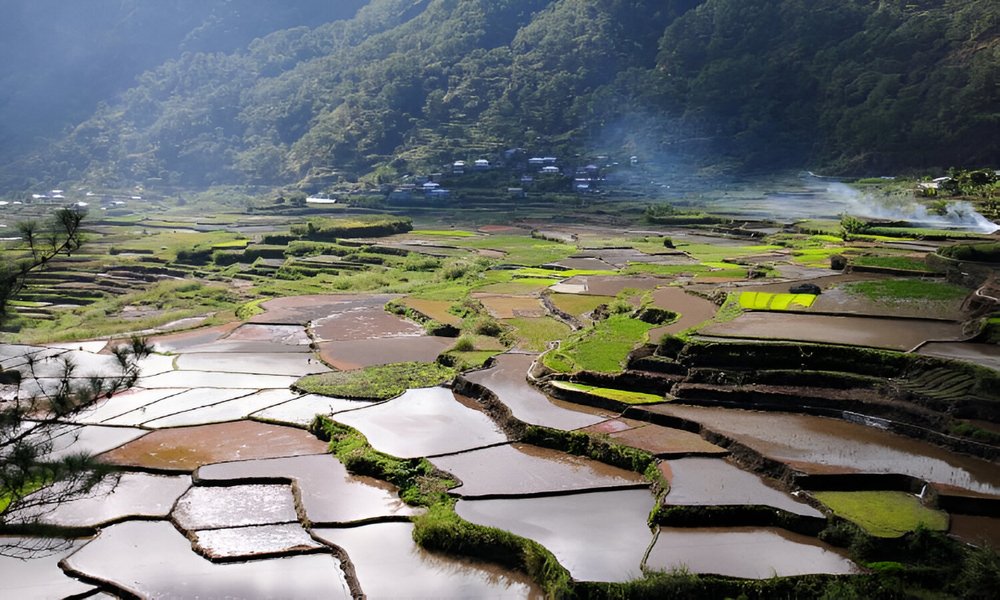
The Inca Empire thrived in part because of their revolutionary approaches to agriculture. The Incas were not only skilled warriors and builders but also expert farmers who adapted to the diverse landscapes of the Andean mountains. Their agricultural techniques allowed them to produce abundant crops in both the harsh highland valleys and the lower Amazonian jungles.
Terracing and Advanced Crop Cultivation
One of the most remarkable achievements of the Inca was their terracing systems. These large-scale terraces were built into the sides of mountains, allowing the Incas to make the most of the steep Andean slopes. Moray, near Maras, is perhaps the most famous example of Inca terracing, used for experimental agriculture. These terraces allowed them to simulate different climates and grow crops suited for various altitudes. It was here that the Incas perfected their crop management.
The most important crops were maize (corn), potatoes, and quinua (quinoa). Maize was the primary staple, used in everything from daily meals to religious ceremonies. The potato, native to the Andes, was an essential part of the Inca diet, with over 3,000 varieties grown in the empire. Quinua, a highly nutritious grain, was vital for both the Inca military and their agricultural economy.
Llamas and the Mit’a System
In addition to crops, the Inca economy was heavily reliant on camellos like llamas and alpacas. These animals were used for transportation, providing wool for textiles, and were even crucial for agricultural labor. Llamas were the primary pack animals of the Andes, carrying goods across the Inca road network, while alpacas provided the Inca people with soft wool for clothing.
The Mit’a system was another key element in the Inca economy. This labor system required every citizen to contribute a portion of their time to the state. Whether it was working on agricultural terraces, serving in the military, or building public infrastructure, the Inca used this system to support the empire’s needs without relying on a monetary system.
Inca Society: Social Structure and Religion

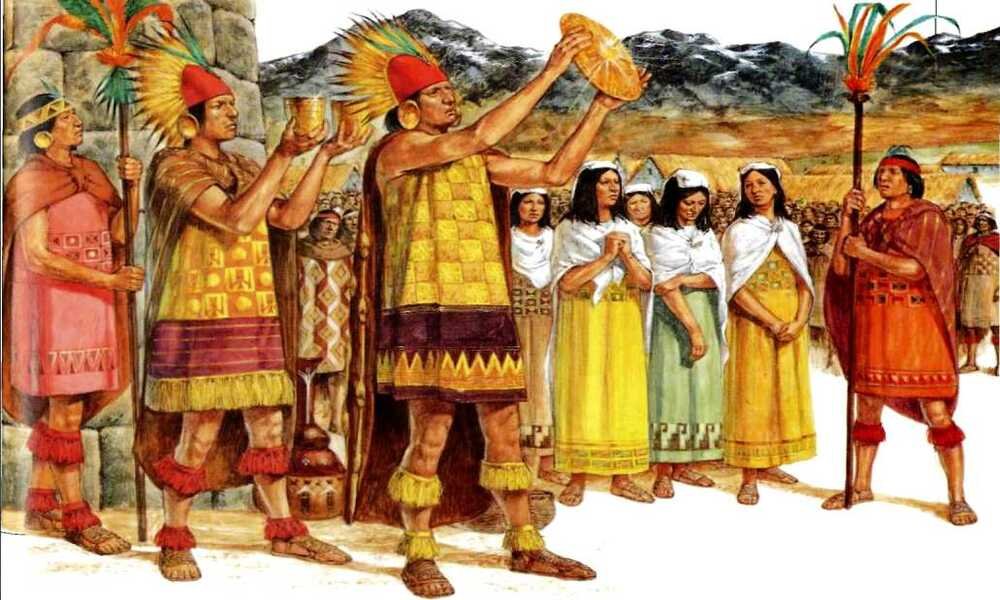
The Inca society was deeply rooted in religious beliefs, with a clear social hierarchy that placed the Sapa Inca at the very top. The Sapa Inca was not just the political ruler; he was also seen as a divine figure, the descendant of the sun god Inti. The Inca people believed their ruler’s connection to the gods justified his absolute authority over the empire.
The Sapa Inca and the Divine Right to Rule
The Sapa Inca was considered the son of the Sun (Inti), the most important of the Inca gods. He was the highest authority in both the political and spiritual spheres, seen as a living god. His rule was legitimized through his direct descent from Inti, which gave him the divine right to rule over the entire empire. His word was law, and he could command the lives of the people with the belief that he acted on behalf of the gods.

Social Classes: Nobles, Artisans, and Farmers
Beneath the Sapa Inca were the nobles (called “Inca”), who were typically royal family members or highly trusted administrators. They governed regions and were tasked with enforcing the empire’s laws. The next class was made up of artisans and architects, responsible for the empire’s monumental works, including the Qhapaq Ñan road system, Machu Picchu, and the many terraces.
At the bottom of the hierarchy were the farmers and laborers, who provided the majority of the work. The Mit’a system required them to contribute time to the state, in exchange for food and protection. The society was organized around these roles, which were crucial to keeping the Inca Empire functioning.
The Fall of the Inca Empire: Conquest and Collapse
The fall of the Inca Empire stands as one of the most dramatic and pivotal moments in world history. From its humble beginnings in Cusco to its peak as the largest empire in pre-Columbian America, the Incas controlled a vast region that stretched from present-day Ecuador to Chile, including Peru, Bolivia, and parts of Argentina. Yet, in just a few decades, this mighty empire was reduced to ruins, not by military defeat but by a combination of internal divisions, disease, and the arrival of Spanish conquistadors.
The Inca Empire at its Height
Before the Spanish arrived, the Inca Empire was one of the most sophisticated and powerful civilizations in the Americas. Under Pachacútec, Topa Inca Yupanqui, and their successors, the empire expanded rapidly. Its strength lay in its efficient administrative systems, the vast network of roads, its advanced agricultural terraces, and its ability to incorporate conquered peoples into its economy and society. The Qhapaq Ñan (Inca Road System) connected the empire, making it possible to move armies, resources, and information efficiently.
By the time Francisco Pizarro and his men arrived in 1532, the Inca Empire was thriving, but it had already begun to show signs of weakness, particularly due to the following factors:
Civil War Between Atahualpa and Huáscar: The empire had been embroiled in a civil war between Atahualpa, the ruler of the northern part of the empire, and Huáscar, the ruler of the southern part. This internal division weakened the Inca’s political structure, causing instability and leaving them vulnerable to external threats. Both brothers, who were direct descendants of the Sapa Inca, fought for supremacy, culminating in Atahualpa’s victory.
The Spread of Disease: As early as 1525, smallpox had spread into the Inca territories, likely introduced by Spanish settlers or traders. This deadly disease decimated the Inca population long before the Spanish arrived, causing mass deaths and leaving the Inca empire without a strong line of succession. The death of Huayna Capac, the Inca emperor, in 1527, left his sons Atahualpa and Huáscar fighting for power. The disruption caused by disease weakened the empire’s ability to defend itself.

The Role of Disease in the Inca Collapse
The arrival of smallpox in 1525, several years before the first significant encounters with the Spanish, was devastating for the Incas. The virus wiped out entire communities, including many of the Inca aristocracy, who lacked immunity to European diseases. In a cruel twist of fate, the Inca emperor Huayna Capac died from smallpox, and the empire’s leadership was left in disarray.
By the time Pizarro’s expedition arrived in 1532, the Inca military had already been significantly weakened, and the empire had no clear successor. The Spanish, equipped with superior weaponry, horses, and steel armor, exploited this internal weakness. The Inca people, who had already suffered from disease, were less able to organize resistance. The death toll from diseases alone would have been higher than any military defeat.
The Spanish Conquest of the Inca Empire: Pizarro’s Bold Strategy
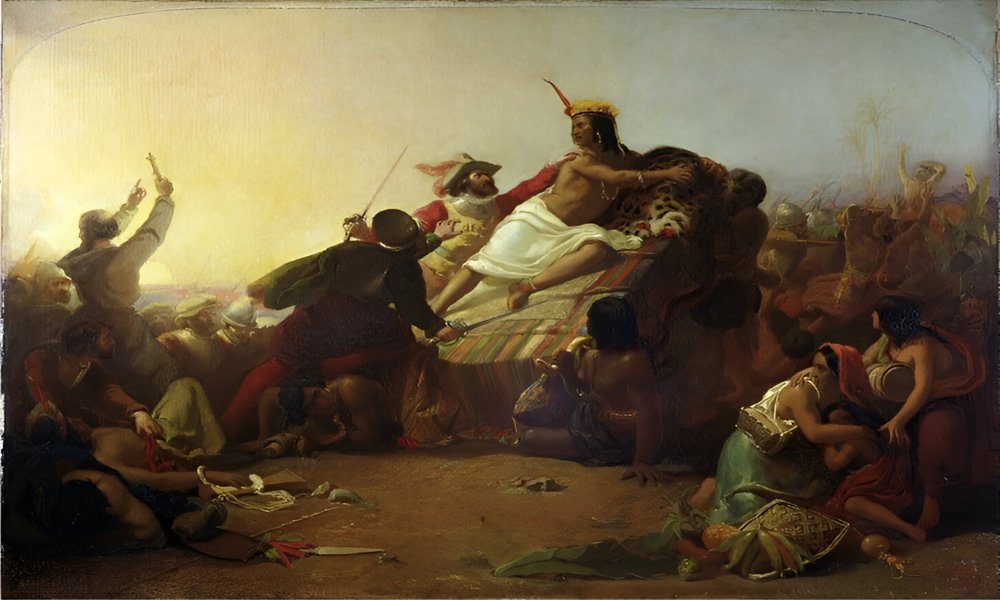
In 1532, Francisco Pizarro and his 168 men arrived in Peru, seeking gold and glory for the Spanish crown. Pizarro, an experienced conquistador, had already heard rumors about the riches of the Inca Empire, and he saw an opportunity to conquer the mighty empire with minimal forces. His success was largely due to the divide-and-conquer strategy he employed, capitalizing on the Inca civil war between Atahualpa and Huáscar.
When Pizarro met Atahualpa, the Inca emperor, in the square of Cajamarca, it was under the false pretense of negotiation. Atahualpa, confident in his military superiority, agreed to meet the Spanish. But the Spaniards ambushed him, capturing the emperor and holding him for ransom. Pizarro demanded a room full of gold and silver as Atahualpa’s ransom. The Inca complied, offering vast quantities of gold and silver, yet, despite receiving the ransom, the Spaniards executed Atahualpa in 1533, solidifying the collapse of the Inca Empire.
The Aftermath: The Destruction of the Inca Empire
With Atahualpa’s death, the empire lost its final legitimate ruler. The Spanish took control of Cusco in 1533, marking the official downfall of the Inca Empire. Although small pockets of Inca resistance continued in remote areas for years, the empire was no longer unified, and its political structures were destroyed by the Spanish.
What followed was the looting and destruction of Inca treasures. The Spanish sought to convert the Inca Empire’s wealth into gold and silver for the crown, looting not only its treasures but also its spiritual and cultural symbols. Many of the Inca temples and sacred buildings were destroyed or repurposed by the Spanish to build Catholic churches. The Inca road system and other infrastructure were altered or abandoned, and much of the empire’s rich agricultural knowledge was lost.
Legacy of the Inca Empire
Though the Inca Empire fell quickly, its legacy lives on in modern Peru. The Inca’s agricultural techniques, their roads, their language Quechua, and their spiritual traditions still shape the culture of Peru today. Many of the Inca structures, such as Machu Picchu, Sacsayhuamán, and the Sacred Valley, continue to awe visitors, serving as symbols of the Inca’s remarkable achievements.
The fall of the Inca Empire was a tragic event, but it was also the beginning of a new era in South American history, one that would blend Inca heritage with Spanish colonial influence to create the modern Peruvian culture we know today.
The Inca Legacy: Lasting Influence on Modern Peru
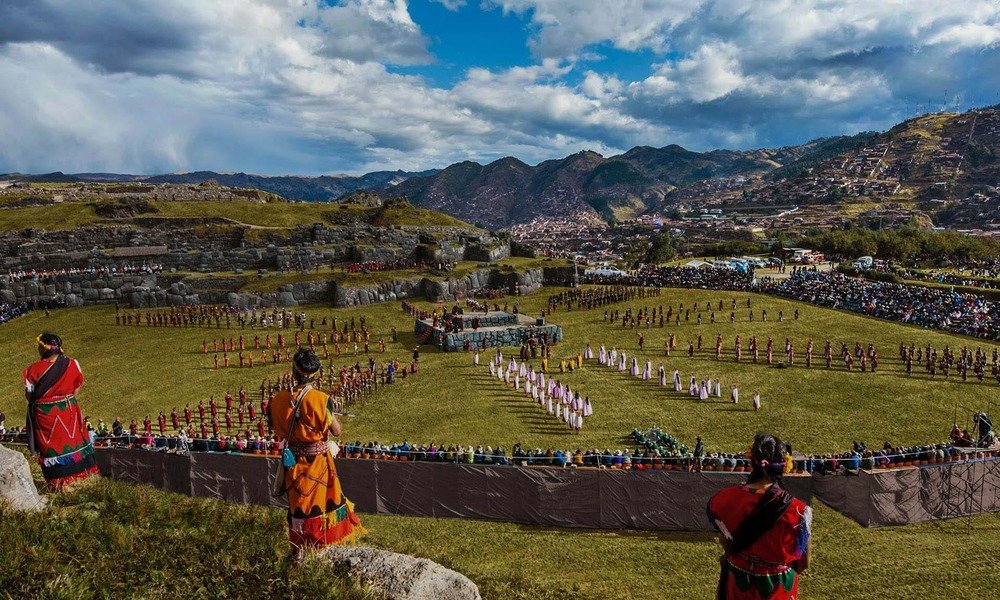
The Inca Empire left a remarkable legacy that continues to influence modern Peru. From advanced agricultural practices to the Inca road system (Qhapaq Ñan), the empire’s achievements have shaped much of contemporary life. However, one of the most enduring aspects of Inca culture is their language, architecture, and cultural rituals — which still resonate today in everyday life and practices across the country.
Inca Influence on Peruvian Cuisine: Ancient Flavors, Modern Taste
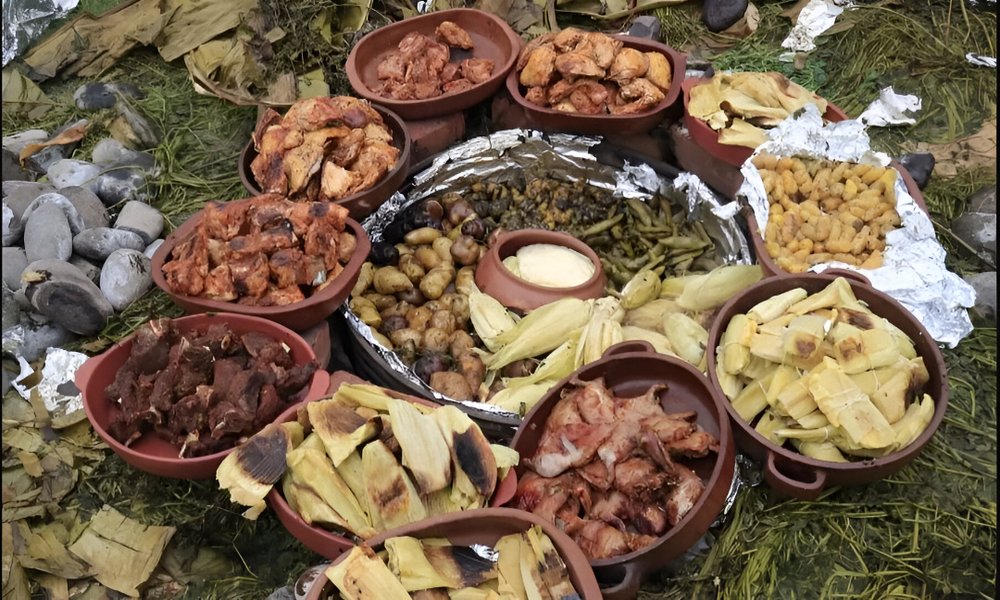
As mentioned earlier, the Inca Empire’s contributions to agriculture, particularly the cultivation of potatoes, maize, and quinoa, form the foundation of modern Peruvian cuisine. These crops, first cultivated by the Incas, remain staples of the Peruvian diet and are featured in traditional dishes like “papas a la huancaína”, “cuy chactado”, and “tamales”.
While agriculture remains a strong aspect of the Inca legacy, their cooking techniques of preserving and fermenting food, such as drying and using salt, continue to be practiced in modern Peruvian kitchens. In modern gastronomy, chefs have increasingly embraced ancient ingredients, elevating them with new culinary techniques and highlighting the role of Inca innovations in today’s food culture.
Beyond the Plate: Inca Cultural and Linguistic Influence
The Inca influence is not only visible in Peru’s food but also in its language and spiritual practices. Many aspects of modern Peruvian culture — especially in the Andes and the Amazon Basin — are directly tied to the Incas.
The Influence of the Inca Empire: Key Cultural and Linguistic Elements
- Quechua Language: The Quechua language, spoken by the Incas, is still widely spoken today by millions of Peruvians. It remains the official language of the highlands and Amazon regions. Many indigenous communities continue to speak Quechua as their primary language, keeping the Inca legacy alive in daily communication.
- The Inca Road System (Qhapaq Ñan): The Inca road system — a vast network of roads connecting the empire from Colombia to Chile — is still used today for trade and travel in remote areas. Qhapaq Ñan is a UNESCO World Heritage site and continues to be central to the connectivity of various Andean regions.
- Inca Rituals and Religious Practices: The Inca’s spiritual beliefs were based on the worship of nature gods. The Sun God Inti was the most important deity, and ceremonies often involved sacred rituals performed in ceremonial centers. These practices have influenced modern festivals like the Inti Raymi, which continues to be celebrated in Cusco every year.
Inca Sites and Archaeological Discoveries
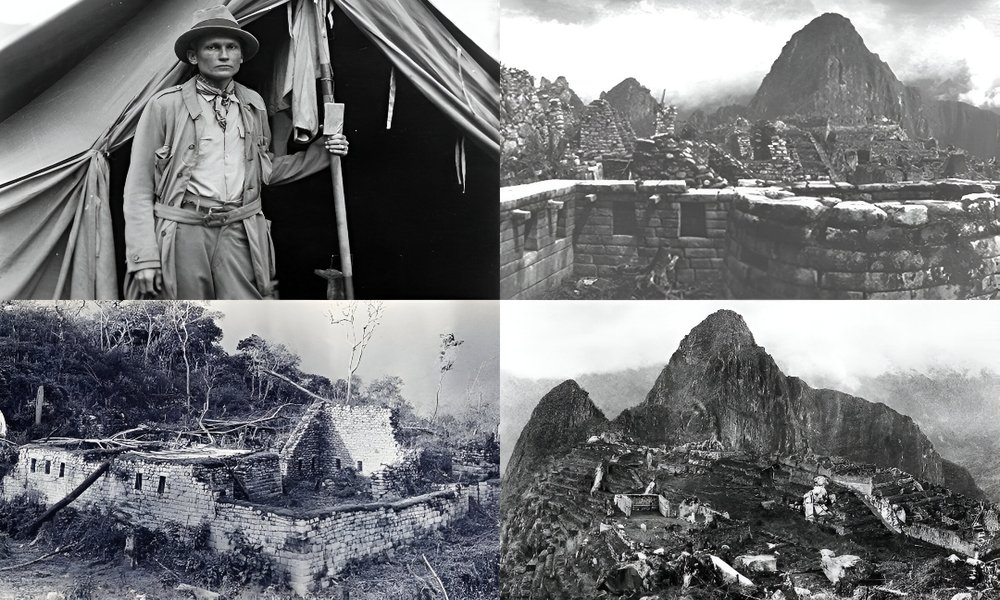
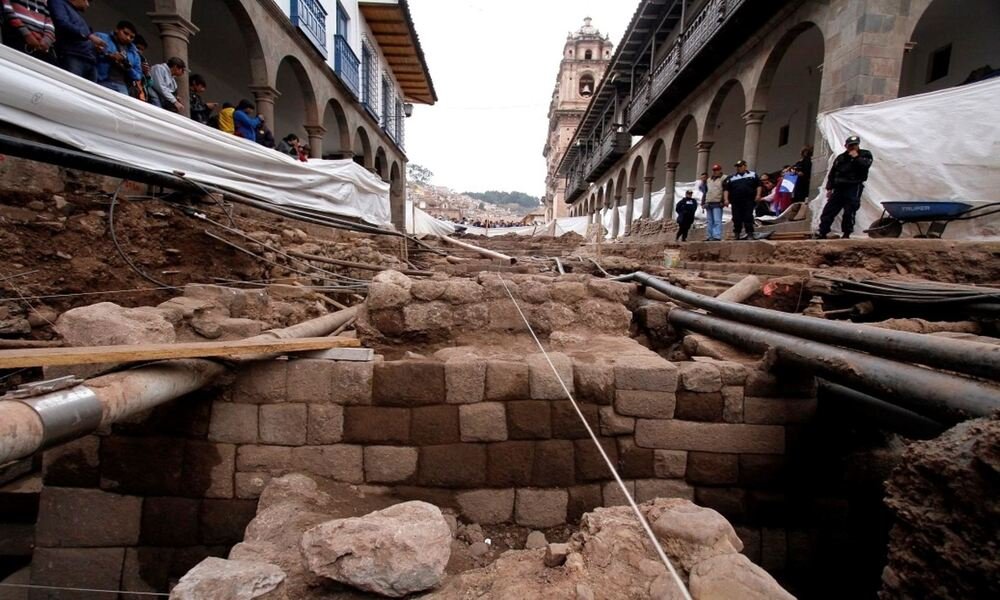
While Machu Picchu remains the most iconic Inca site, the recent archaeological discoveries and ongoing excavations continue to offer new insights into Inca history, architecture, and daily life. What was once considered a “lost city” is now understood to be a carefully planned royal estate and spiritual sanctuary, meticulously designed with precision and purpose.
Machu Picchu: New Excavations and Revelations
Machu Picchu, the ancient Inca citadel, was rediscovered by Hiram Bingham in 1911, but recent excavations and technological advances continue to shed new light on its significance. New research indicates that Machu Picchu was more than just a ceremonial site; it was a high-altitude agricultural research center, likely used to experiment with crop cultivation techniques and to honor the sun god Inti during key astronomical events.
Ongoing excavations have uncovered hidden chambers, ritual objects, and well-preserved Inca tools that deepen our understanding of the daily lives of the Incas. For example, excavations in the Intihuatana (the ritual stone known as the “Hitching Post of the Sun”) have revealed precise alignments with the sun’s movement during solstices, confirming its significance in the Inca astronomical calendar.
Additionally, advanced technology like ground-penetrating radar is being used to explore unexcavated areas of the site, with new discoveries in the surrounding regions of Choqquequirao and the Sacred Valley offering even more clues about the Inca’s sophisticated infrastructure and urban planning.
Beyond the famous Machu Picchu, other Inca sites like Sacsayhuamán, Ollantaytambo, and Pisac are also being studied extensively. The Qhapaq Ñan, the Inca road system, continues to reveal more about the Empire’s extensive transportation and communication networks.
These new discoveries are not only adding layers to our understanding of Inca architecture and religious practices but also giving us a clearer picture of how the Incas interacted with their environment, their people, and their gods.