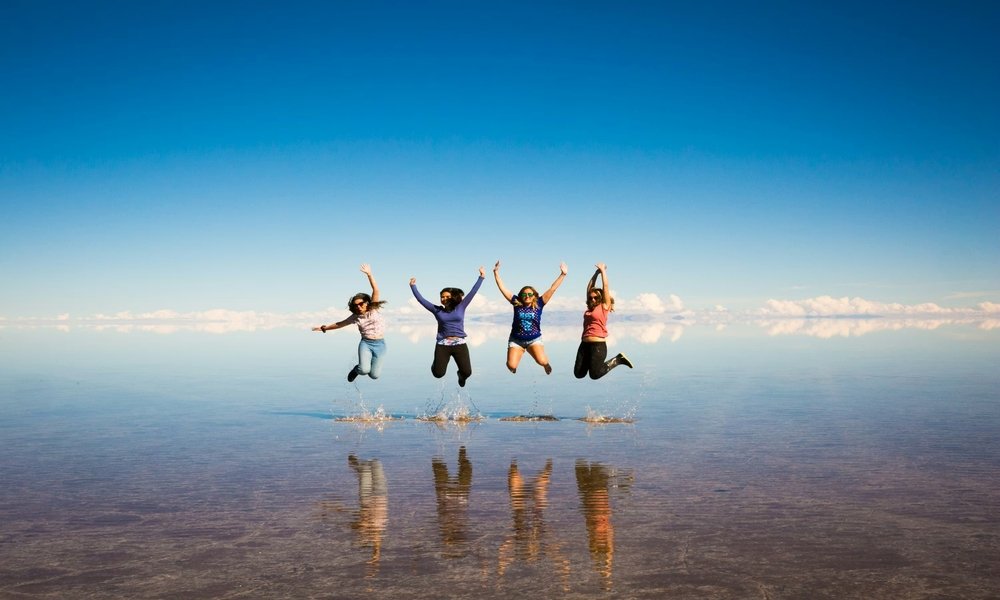
Does the altitude affect you in Uyuni?
The Salar de Uyuni is located more than 3,600 meters above sea level, an altitude that can affect those who are not used to it. From dizziness and fatigue to difficulty sleeping, knowing how your body reacts is key to enjoying the trip without any problems.
In this guide, we will explore the effects of altitude in Uyuni and how to prevent them.
What is this altitude sickness?
Altitude sickness (also called soroche or acute mountain sickness) is a set of symptoms that appear when a person goes up to high places (generally above 2,500 meters above sea level) and their body does not adapt quickly to the lower amount of oxygen.

Why does it happen?
At higher altitudes, atmospheric pressure decreases, meaning less oxygen is available with each breath. Although the percentage of oxygen in the air remains the same, less oxygen reaches the lungs and blood.
When a person ascends rapidly, the body doesn’t have enough time to adapt . Normally, the body needs several days to:
Increase breathing and heart rate.
Produce more red blood cells, which carry oxygen.
Adjust the functioning of the brain and other organs to the lowest amount of oxygen.
If these changes do not occur in time, the brain and other organs receive less oxygen than necessary , causing the symptoms of altitude sickness such as headache, dizziness, nausea, and fatigue.
Who does it affect?
The Salar de Uyuni, located in Bolivia, sits at 3,656 meters above sea level . This altitude can cause altitude sickness , especially in people unaccustomed to high altitudes. Understanding the symptoms, risks, and ways to adapt is key to enjoying your trip and preventing altitude sickness in Uyuni.
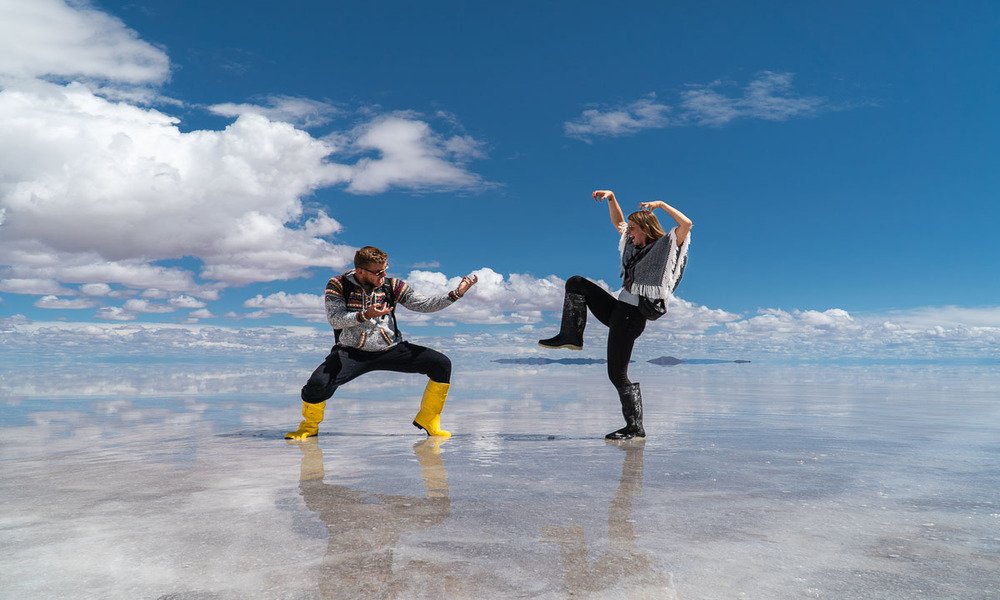
Altitude effects in Uyuni
As you ascend to higher altitudes, the oxygen in the air decreases , which can affect your body. Common effects include:
Fatigue and weakness : Feeling more tired than usual, even with little activity .
Headache : One of the most frequent symptoms of altitude sickness.
Dizziness or vertigo : The feeling of imbalance may appear during the first few days.
Nausea and loss of appetite : Eating may be less appealing while the body adjusts.
Difficulty sleeping : It is common to have interrupted sleep or irregular breathing.
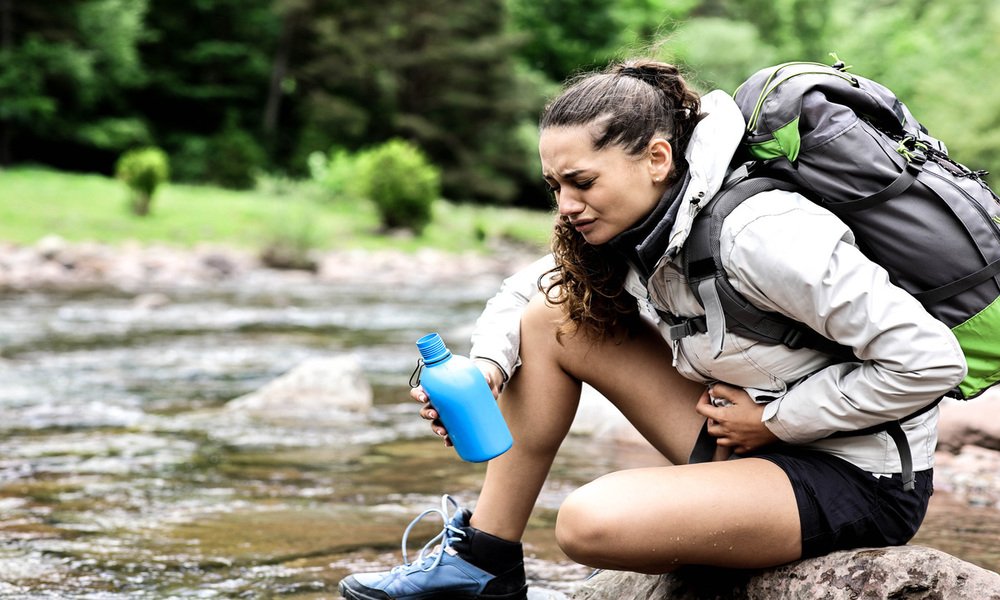
Factors that increase risk
Not everyone reacts the same way to altitude. Some factors that can increase the risk include:
Ascending too quickly without time to adjust.
Stress, lack of sleep, or dehydration.
Previous health problems, such as hypertension or respiratory diseases.
How to adapt to altitude
There are several strategies to reduce the effects of altitude sickness:
Ascend gradually : If possible, spend a few days at intermediate altitudes before reaching Uyuni.
Stay hydrated : Drinking enough water helps the body adapt.
Eat light and nutritious food : Avoid heavy and alcoholic meals for the first few days .
Rest : Sleep well and avoid excessive physical exertion at the beginning.
Sucking on coca leaves or coca tea : Traditionally used in Bolivia to relieve mild symptoms.
Consult a doctor : For people with medical conditions, it is recommended to speak with a professional before traveling.

When to seek medical help
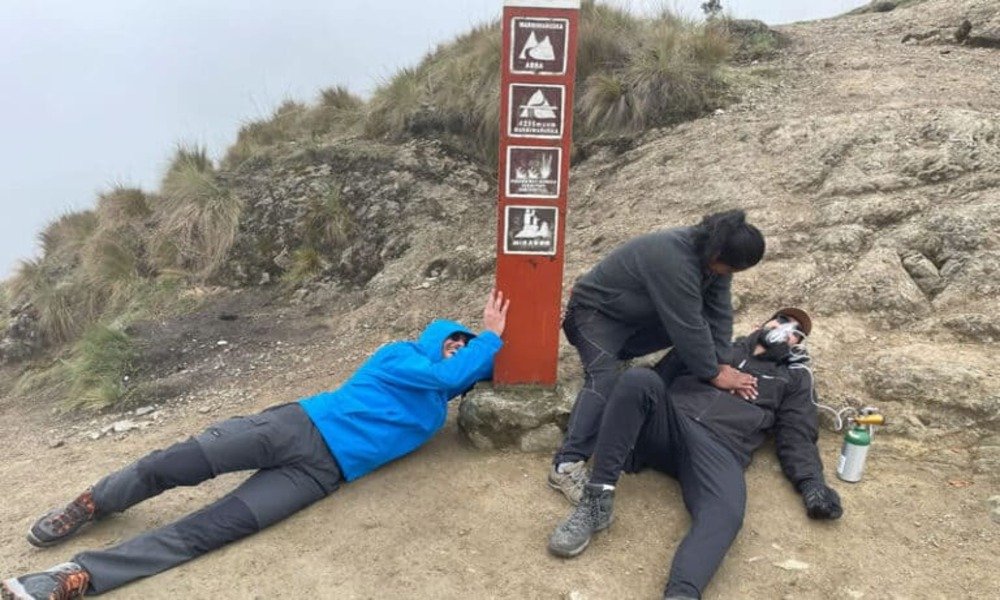
If symptoms become very intense, such as extreme difficulty breathing, confusion, swelling, or severe dizziness, it is crucial to seek medical attention immediately, as this could be a serious case of altitude sickness requiring urgent care.
Enjoying Uyuni without problems
With the right precautions, most travelers adapt in 1–2 days and can fully enjoy the spectacle of the world’s largest salt flat, its unique landscapes, and the cultural experience of the region.