


Is it safe to travel with children to Peru and Machu Picchu?
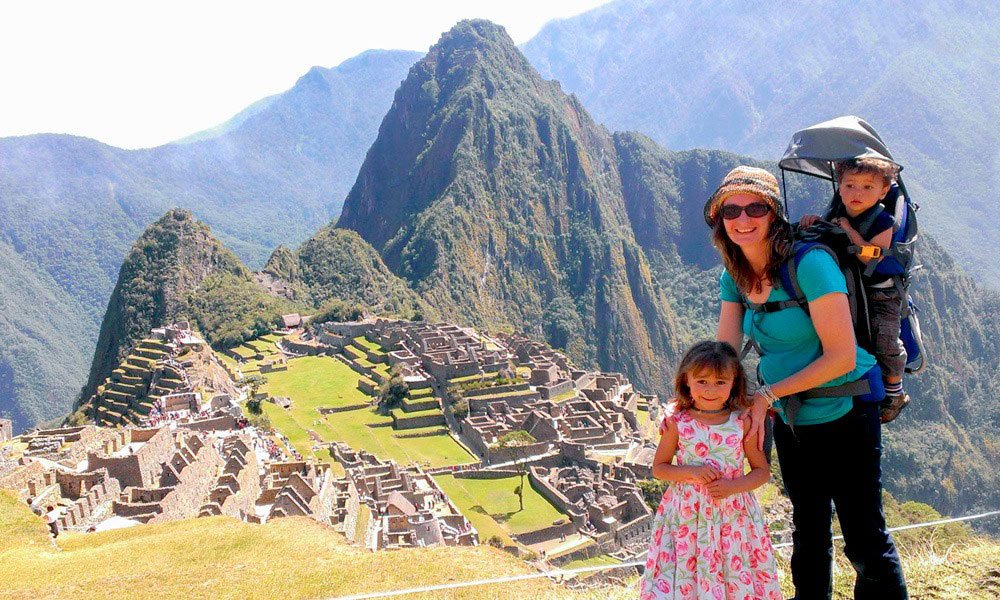
Traveling with children to Peru is a unique experience that combines adventure, culture, and nature in one destination. From the mysterious ruins of Machu Picchu to the colorful markets of Cusco and the natural wonders of the Amazon, every corner offers something fascinating for little ones. Although the country presents challenges such as altitude and long journeys, with good planning, a suitable pace, and the necessary precautions, the trip is safe and enriching. Peru offers children the opportunity to learn about ancient civilizations, discover breathtaking landscapes, and share unforgettable moments with their families.
General Security Situation in Peru
- The South American country of Peru has a Level 2 travel warning issued by the United States, which indicates the need to “exercise increased caution,” particularly due to civil unrest, crime, and the occasional risk of kidnapping.
- The Australian government advises exercising “a high level of caution” in much of the country, especially in border areas and remote areas.
- Regarding petty crime, pickpocketing and bag theft are most common, as well as robberies in tourist areas.
- Demonstrations, protests, or roadblocks are likely to occur and impact transportation, primarily in Lima and other major cities.
Overall Conclusion: Yes, it is possible and safe to travel to Peru with children, provided you plan ahead, select trusted providers, maintain caution with your belongings, and heed local alerts.
Specific Dangers of Traveling with Children in Peru
Traveling with children requires specific considerations: their health, stamina, and physical and emotional adaptation. These are some risks that should be carefully considered:
Soroche (Acute Soroche / Altitude Sickness)
- Some routes or hikes reach higher altitudes, but cities like Cusco are at an altitude of approximately 3,200 meters. Infants are more susceptible to oxygen deprivation.
- Symptoms can include nausea, headache, dizziness, and fatigue. It may be more difficult for young children to express their feelings.
- It is crucial to acclimatize: avoid climbing too quickly and take a couple of days in Cusco or at an intermediate altitude before attempting more demanding activities.
Limited medical infrastructure in remote areas
- On roads or in remote locations, there may not be hospitals equipped to handle serious emergencies in children.
- Therefore, it is essential to have a first-aid kit with the child’s essential medications, know where the nearest health centers are, and have travel insurance that includes evacuation if necessary.
Risky Transportation
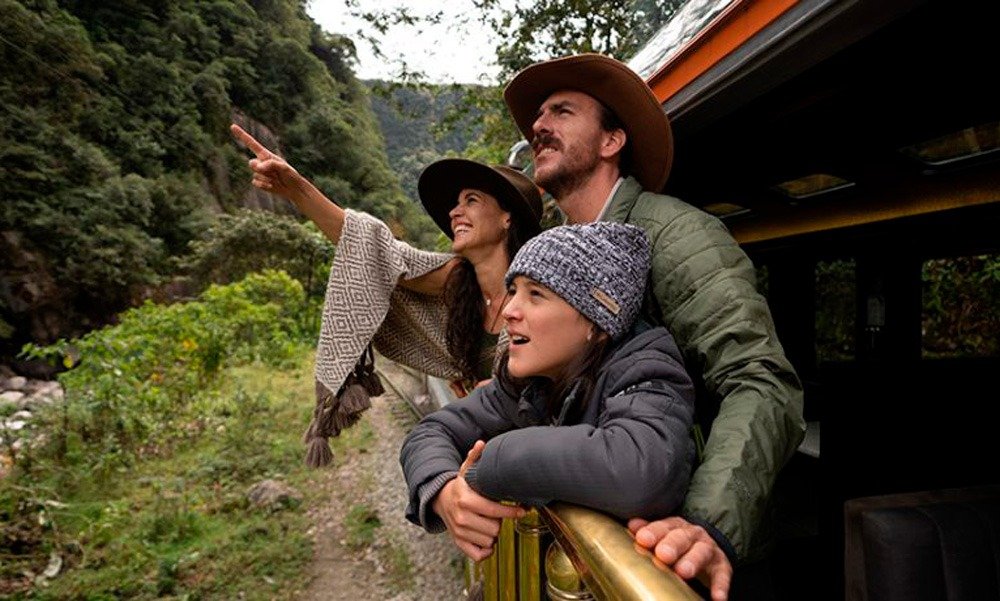
- Andean routes are generally mountainous, with twists and turns, narrow sections, variable weather conditions, and inconsistent signage.
- Bus accidents have occurred on Andean roads, highlighting the importance of choosing safe companies, avoiding nighttime travel on dangerous routes, and checking vehicle condition.
- For example, strollers are not permitted inside Machu Picchu; many parents use ergonomic baby carriers.
Climate and Environmental Conditions
- In mountain and jungle areas, heavy rain, fog, and sudden temperature fluctuations can occur throughout the day and night. Trails can become dangerous.
- In areas of the Amazon, the risk of vector-borne diseases (such as malaria) varies by region.
Fatigue, Logistics, and Travel Pace
- Children require frequent meals, rest breaks, bathroom breaks, and clothing changes, and they tire more quickly. Long trips can be very demanding.
- It’s not advisable to overload your schedule with too many activities in a row without time for rest.
Safety in Machu Picchu with Children
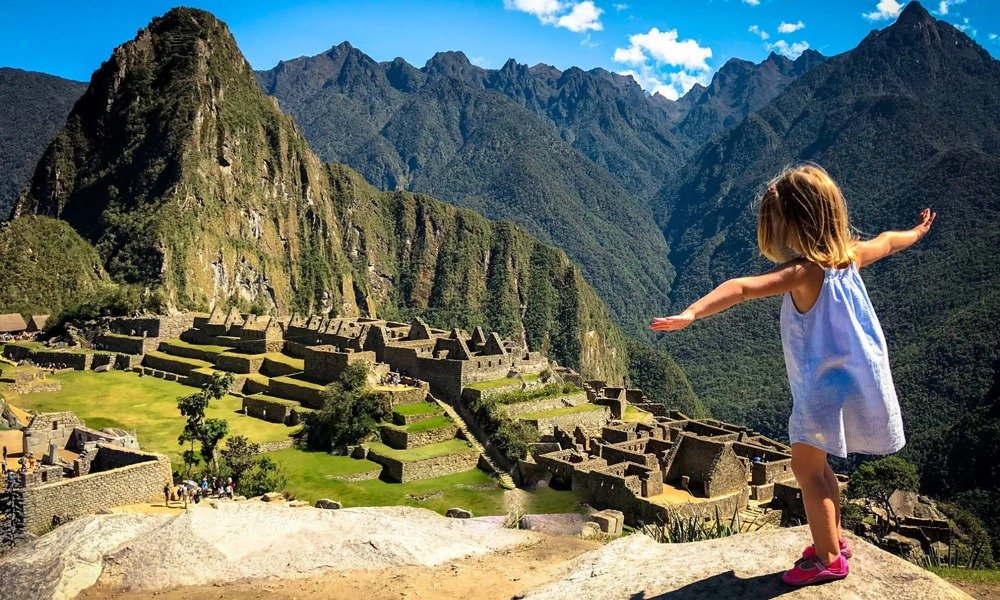
Machu Picchu is one of Peru’s most iconic sites, but it has its own unique features when visiting with children. The main points you need to know are the following:
Is Machu Picchu safe for tourists traveling with children?
- Generally speaking, Machu Picchu is viewed as a moderately safe place for visitors: the rate of violent crime within the citadel is low, and security measures have been implemented, including tourist patrols, surveillance, lighting, and emergency plans.
- Dangerous circuit closures, falls, altitude, motion sickness, dehydration, and fatigue are the main risks at the site.
- It is advisable to take special care with personal belongings (mobile phones, wallets, cameras), particularly in lines, at access points, or on related means of transport (bus, train).
Specific Tips for Visiting Machu Picchu with Children
Purchase tickets in advance.
- Seating, particularly for additional circuits like Huayna Picchu, is subject to capacity restrictions. Plan ahead to ensure everyone in the family has a spot.
Opt for less demanding circuits.
- Machu Picchu has several guided hikes. Some are easier and more appropriate for families with children.
- If your child is young, avoid steep circuits or those with dangerous steps.
Use baby carriers instead of strollers.
- Since strollers are not allowed in the citadel, the best option is an ergonomic baby carrier.
Adjustment and a Calm Pace
- Do not immediately ascend from Lima to Machu Picchu; it is recommended that children acclimatize to the altitude, so it is recommended to spend a few days in the Sacred Valley or Cusco.
Offer regular breaks along the way.
Sun protection, nutrition, and hydration
- Bring healthy, light snacks and plenty of water.
- Sunglasses, hats, appropriate clothing for the changing weather, and sun protection.
Travel insurance and contingency plan
- Find out the location of health centers in Cusco and Aguas Calientes.
- Bring a first-aid kit with the child’s medicines and travel insurance that covers medical transportation if necessary.
If possible, stay overnight in Aguas Calientes.
- To avoid long trips in a single day and to be flexible with children, many parents recommend staying at least one night in Aguas Calientes.
