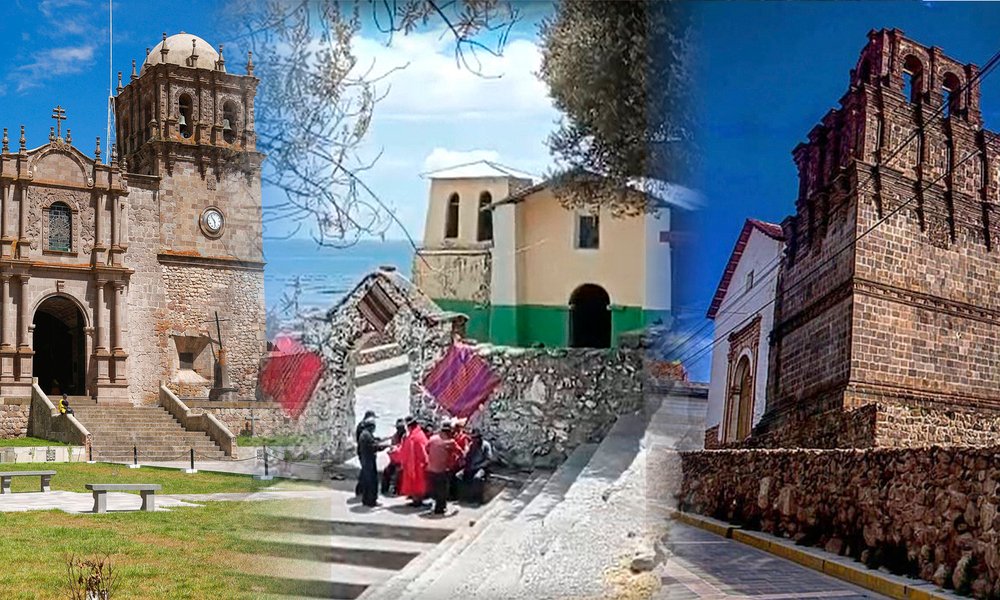
“Juli: Little Rome of the Americas: Colonial churches and Andean Baroque art”
Juli (Little Rome of America) is a picturesque town in Puno , Peru, known for its colonial churches and Andean Baroque art . Nicknamed the “Little Rome of America,” Juli preserves altars, retables, and sculptures that reflect the fusion of European culture and local traditions, making it an ideal destination for those seeking history, art, and spirituality.
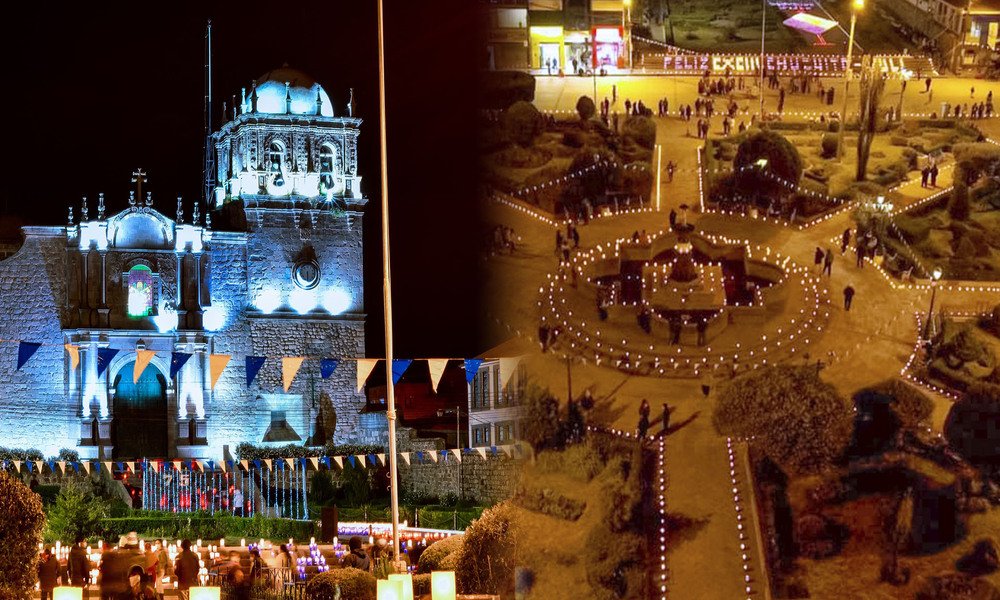
Location and Historical Significance
Juli is a town located in the province of Chucuito, Puno region, in the Peruvian highlands, near Lake Titicaca. Its history dates back to the colonial era, when it became an important religious and administrative center of the Viceroyalty of Peru. Due to its high concentration of churches and convents, it is known as the “Little Rome of America . ”
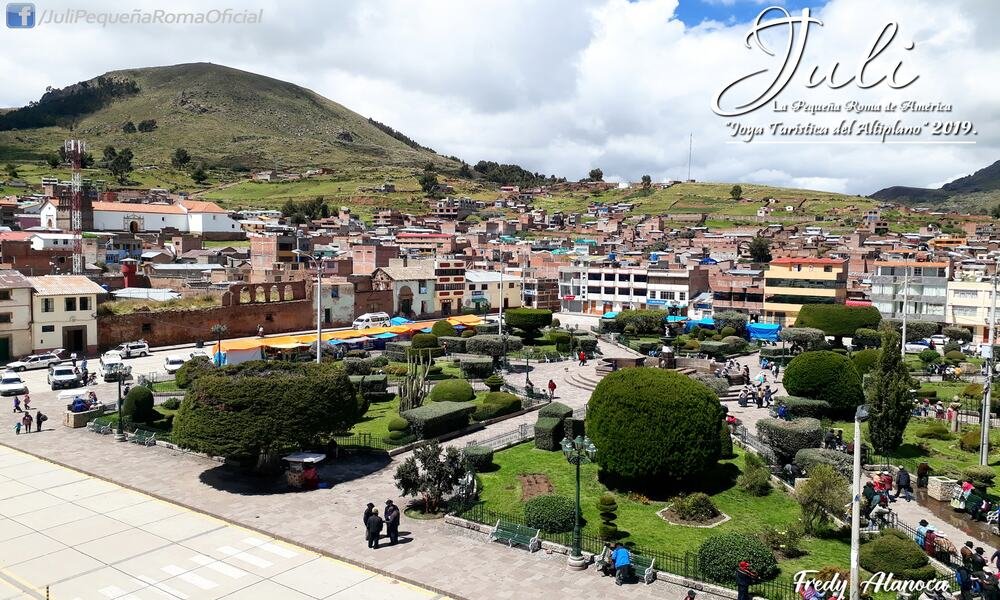
Besides:
Juli was a very important religious center of the Peruvian highlands, where administrative and ceremonial activities linked to the Church were carried out.
Its colonial churches and Andean baroque art reflect the strong Spanish influence, just as Rome represents the power and culture of the Church in Europe.
The combination of architectural richness, religious devotion, and concentration of temples gave it the nickname that highlights its spiritual and cultural importance in the region.
In short, Juli is like a small version of Rome in America because of its density of temples and its central role in colonial religious life.
Colonial churches
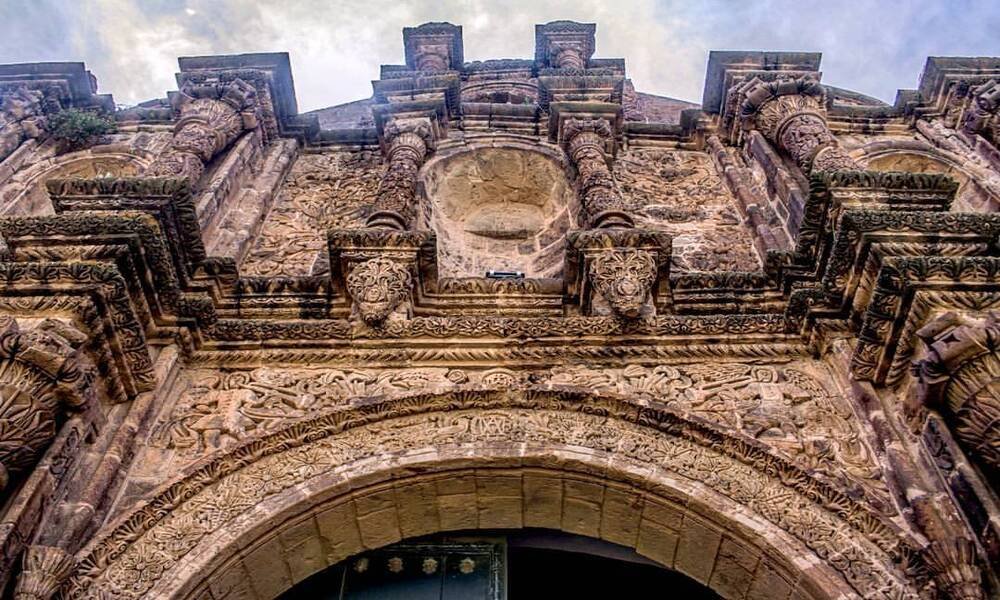
Juli boasts numerous colonial churches dating from the 17th and 18th centuries. These churches are famous for:
Its well-preserved Spanish architecture.
Ornate altars and ceilings decorated with carved wood.
Churches such as San Pedro Apóstol , San Julián and the Convent of Santo Domingo , which are symbols of the colonial religious legacy in the region.
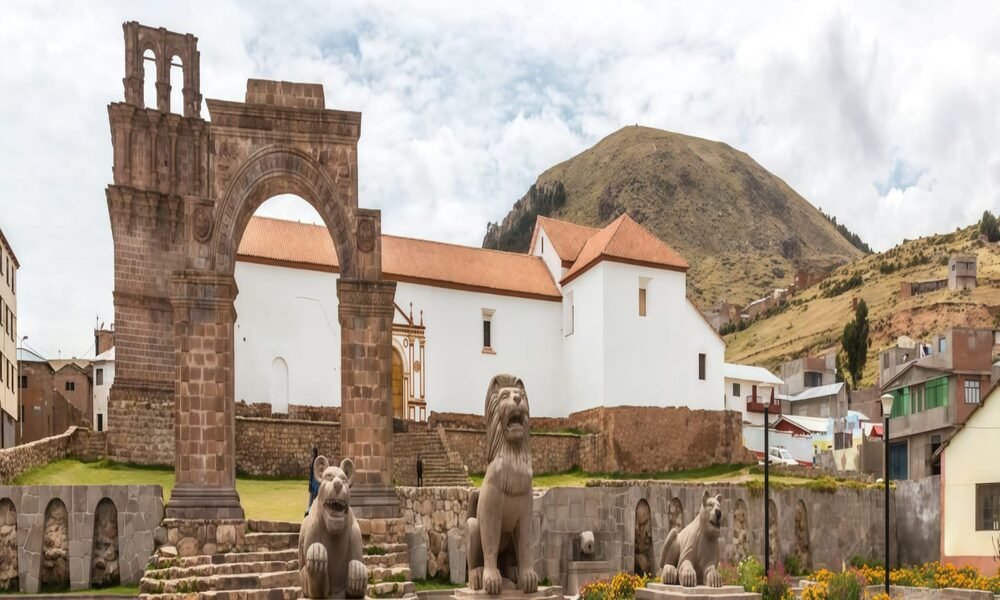
Andean Baroque art
The town is a prime example of Andean Baroque , an artistic style that blends European elements with local indigenous traditions. This is reflected in:
Altarpieces and altars with gilding, polychromy and figures of saints.
Religious sculptures that combine Christian iconography with Andean symbols.
Paintings and ornaments that show the cultural fusion between Spain and the communities of the high plateau.
Cultural heritage
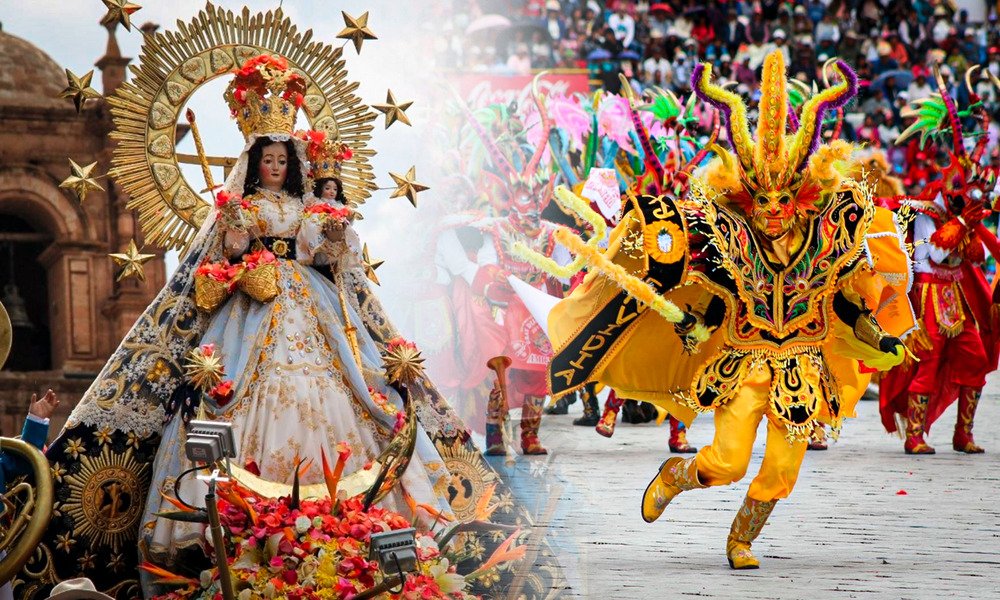
Juli remains an active religious center , where traditional festivities are held that combine Catholic rites with Andean customs, festivities such as the Feast of Saint Peter the Apostle, Holy Week or the Feast of the Virgin of La Candelaria.
The preservation of its churches and works of art makes it an attractive destination for cultural , historical and religious tourism .
How to get there
From Puno (nearest city)
By car or taxi:
The distance between Puno and Juli is approximately 60 km .
The journey takes about 1 hour and 30 minutes on paved roads.
You can hire a taxi or private transport for greater convenience, for example Uber .
By public transport:
From Puno, you can take a colectivo or combi to the province of Chucuito or directly to Juli.
The journey takes between 1 hour and 45 minutes to 2 hours , depending on traffic and stops.
It is recommended to ask about schedules at the Puno terminal, as services are limited.
Recommendations
Bring warm clothing, as Juli is located in the highlands and temperatures can be cold, even in summer .
Leave early if you want to make the most of the day to explore the colonial churches and the historic center .
For greater comfort and safety, you can hire a guided tour from Puno , which includes transportation and explanation of the historical and cultural heritage.