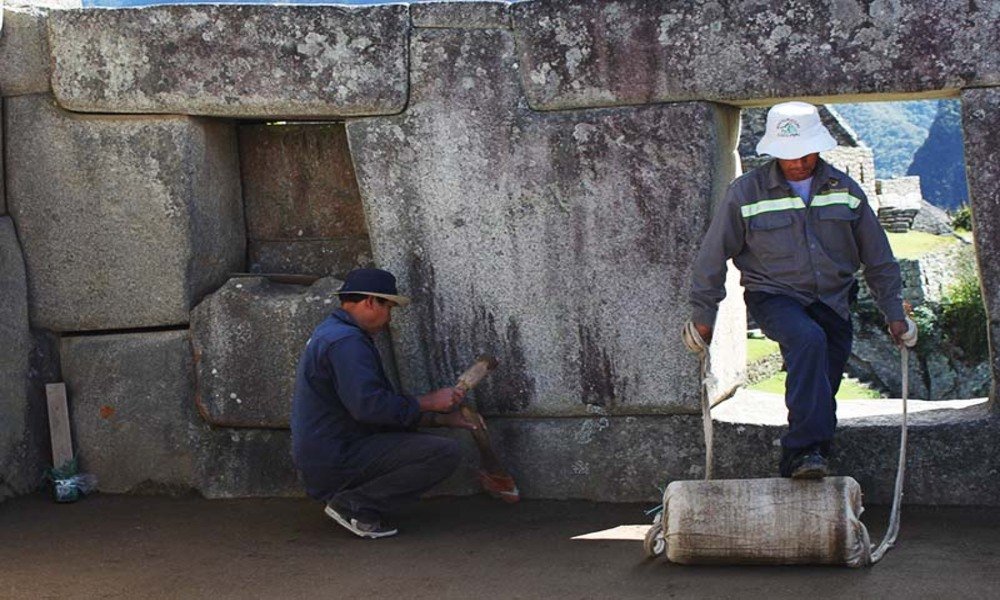
Machu Picchu: history, significance, and wonder of the Inca world
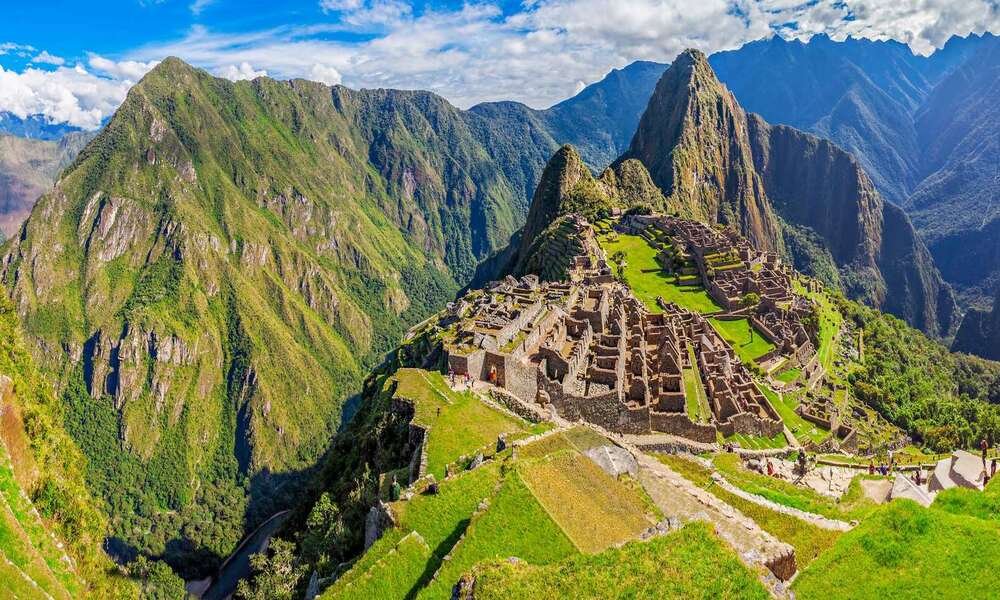
Machu Picchu is one of the world’s most important archaeological destinations and the main symbol of the Inca legacy in Peru. Located high in the Andes, this site is renowned for its architecture, cultural significance, and connection to nature.
The Incas built Machu Picchu during the reign of Inca Pachacuti. The city demonstrates the high level of knowledge this civilization achieved in architecture, social organization, and observation of the natural environment.
Today, Machu Picchu is a UNESCO World Heritage Site and one of the New Seven Wonders of the Modern World. Thousands of visitors arrive each year to learn about its history, its significance, and the unique experience this sacred place offers.
Geographical location and natural environment of Machu Picchu
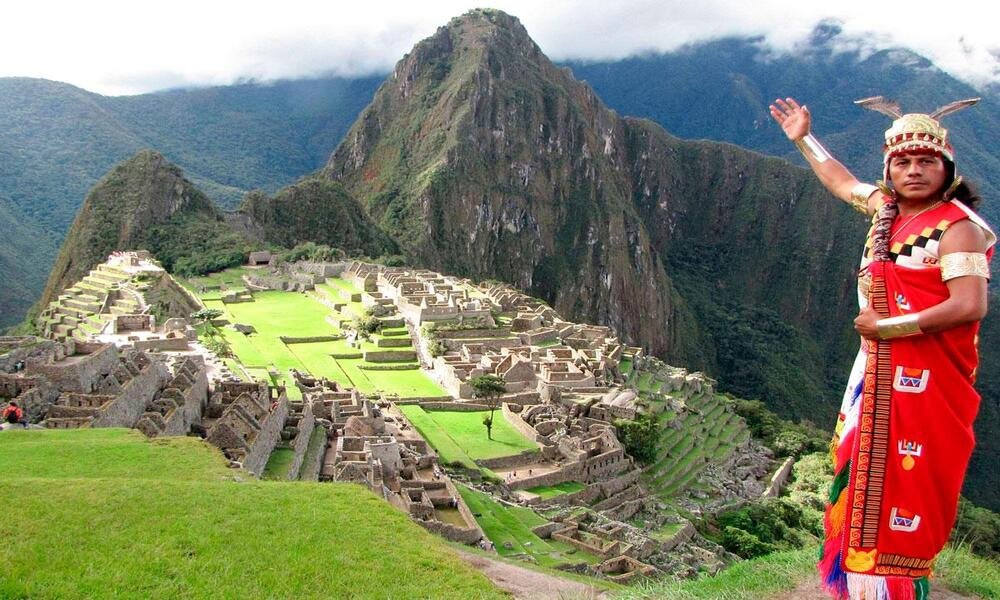
Machu Picchu is located in the Cusco region, atop a mountain overlooking the Urubamba River valley. Its location was not accidental, as the Incas chose this site for its strategic value, its natural surroundings, and its connection to the Andean landscape.
The site is surrounded by mountains, rivers, and lush vegetation. This combination creates a unique setting that reinforces the sacred character of Machu Picchu and its harmony with nature.
Relief, climate and biodiversity of the sanctuary
The terrain of Machu Picchu is mountainous and features steep slopes. These characteristics forced the Incas to develop advanced solutions for construction and land management.
The climate is temperate and humid for most of the year. Rainfall is concentrated between November and March, while the dry season runs from April to October. These conditions favor a great diversity of flora and fauna.
The area is home to orchids, ferns, and native trees. It is also inhabited by birds, butterflies, and species typical of the Andean and Amazonian regions. This natural wealth makes Machu Picchu a natural and cultural sanctuary.
Strategic importance and relationship with the Andean landscape
Machu Picchu’s location allowed for visual control of the valley and the Inca roads that connected different regions. This position facilitated communication and the protection of the settlement.
The Incas integrated the city into the landscape without disrupting the natural balance. The buildings adapt to the shape of the mountain and respect the environment. This relationship demonstrates the profound Andean understanding of nature.
Thanks to this planning, Machu Picchu remains an example of harmony between humankind and the natural environment. This balance is one of the aspects most valued by visitors today.
History and construction of Machu Picchu
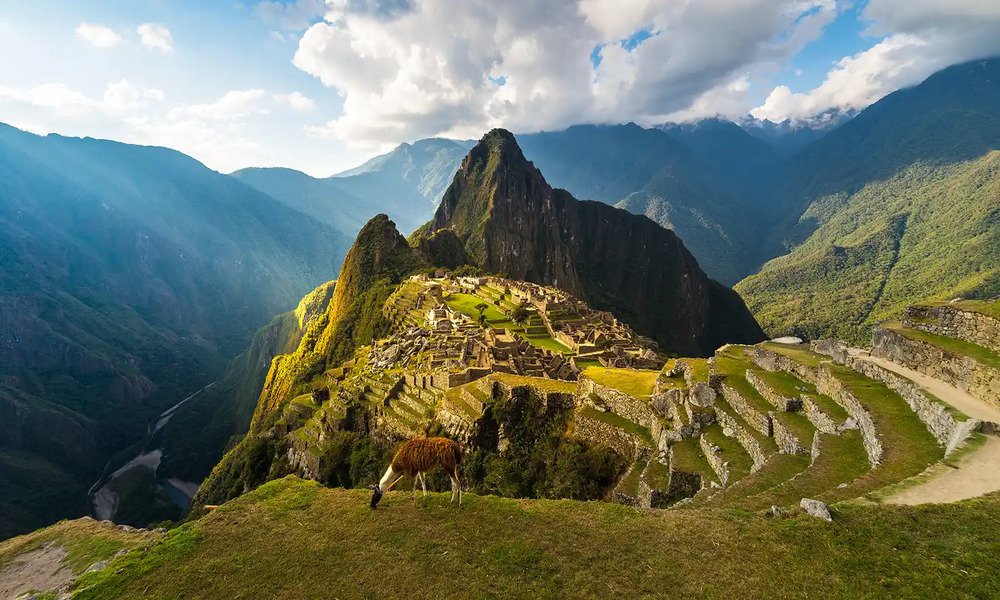
Machu Picchu is one of the most important expressions of the power and organization of the Inca Empire. Its origin is linked to a period of political, economic, and cultural expansion led by the Inca Pachacuti.
The city was built as a planned space that served religious, administrative, and residential functions. Its location and design reflect a deep connection to the Andean worldview and a respect for nature.
The role of the Inca Pachacuti and the origin of the site
The Inca Pachacuti promoted the construction of Machu Picchu during the 15th century. Under his rule, the Tahuantinsuyo reached its greatest territorial and political development.
Machu Picchu was designed as an exclusive center for the Inca elite and ceremonial activities. The site allowed the Inca to reinforce their power and consolidate their authority within the empire.
The settlement’s strategic location also served a symbolic function. The mountains, the river, and the sky were all part of the design of the sacred space, according to the Andean worldview.
Inca construction techniques and urban planning
The Incas used advanced techniques to build Machu Picchu in a mountainous environment. They carved large stones and assembled them with precision, ensuring stability and strength.
Urban planning divided the city into well-defined sectors. There were religious, residential, and agricultural areas that served specific functions within the whole.
Furthermore, Inca engineers developed drainage systems and agricultural terraces. These solutions allowed them to control water and prevent soil erosion. Thanks to this, Machu Picchu remains in good condition to this day .
Cultural and spiritual significance of Machu Picchu
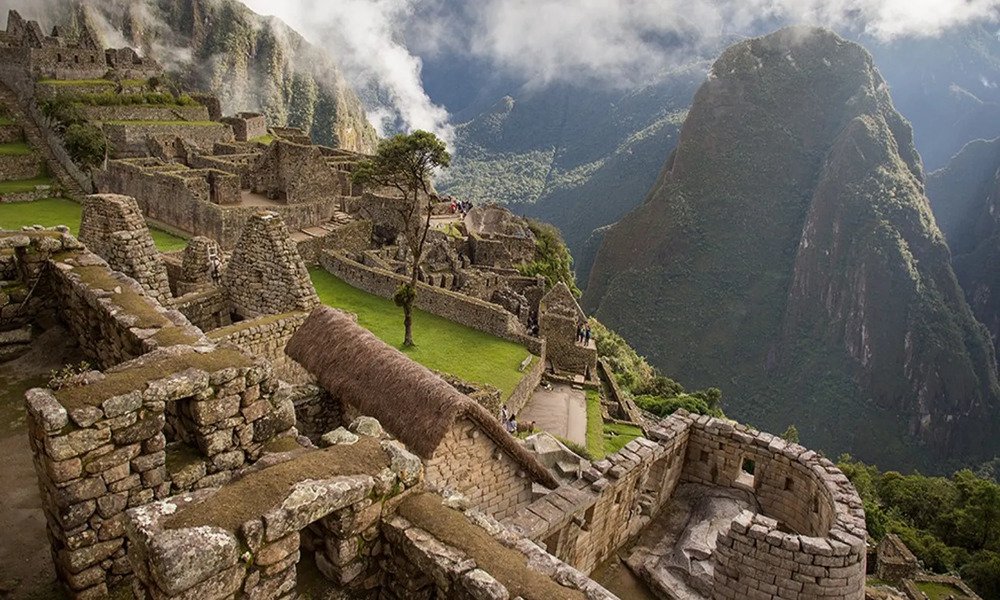
Machu Picchu held profound cultural and spiritual significance within the Andean world. For the Incas, this place represented a sacred space where the relationship between humankind, nature, and the gods was strengthened.
The site’s location, surrounded by mountains and crossed by the Urubamba River, reinforced its symbolic character. Every element of the landscape fulfilled a function within the Andean worldview.
Religion, astronomy and Andean worldview
Religion played a central role in Machu Picchu. The Incas worshipped Inti, the Sun god, and other elements of nature such as the mountains, known as apus.
The site’s structures show a clear connection to astronomy. Some enclosures were oriented to observe the sun’s movement during the solstices. These observations allowed for the organization of the agricultural and ceremonial calendar.
The Andean worldview understood the world as a balance between the sky, the earth, and humankind. Machu Picchu reflects this vision through its design and its integration with the natural environment.
Sacred spaces and landscape symbolism
Within Machu Picchu there are spaces considered sacred, such as temples, plazas, and altars. These places were used for ceremonies and rituals linked to the spiritual life of the empire.
The landscape also held symbolic value. The mountains surrounding the city protected the sacred space and were integral to religious life. Water, stone, and sunlight reinforced the spiritual significance of the place.
This symbolism makes Machu Picchu a unique site. Its value lies not only in its architecture, but also in the spiritual significance it retains to this day.
Tourist importance and conservation of Machu Picchu
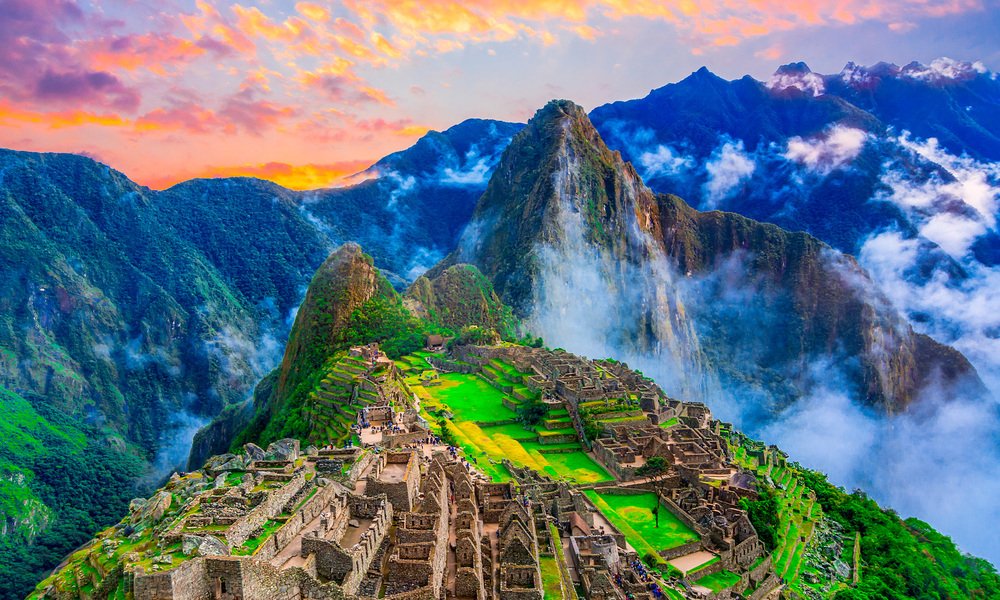
Machu Picchu is Peru’s main tourist attraction and one of the most visited destinations in Latin America. Its international recognition has boosted cultural tourism and strengthened the country’s image worldwide.
At the same time, the high influx of visitors creates challenges related to heritage conservation. Therefore, responsible site management is essential to protect its historical and natural value.
Cultural tourism and its impact on the region
Tourism in Machu Picchu has generated significant economic benefits for the Cusco region. Thousands of people work in activities related to guiding, transportation, hotels, and tourist services.
Furthermore, tourism has contributed to the appreciation of Andean culture. Visitors show interest in Inca history, traditions, and heritage, which strengthens local cultural identity.
However, tourism growth also requires proper planning. Organizing visitor flows is key to avoiding negative impacts on the archaeological site.
Heritage conservation and sustainable tourism
The conservation of Machu Picchu is a priority for the authorities and the local community. There are rules that regulate visitor access and behavior within the sanctuary.
Sustainable tourism strategies aim to balance tourism activity with the protection of the natural and cultural environment. These actions include capacity control, appropriate signage, and environmental education.
Thanks to these efforts, Machu Picchu remains an example of heritage management. Its preservation ensures that future generations can learn about and appreciate this legacy of the Inca world.
Tourist importance and conservation of Machu Picchu
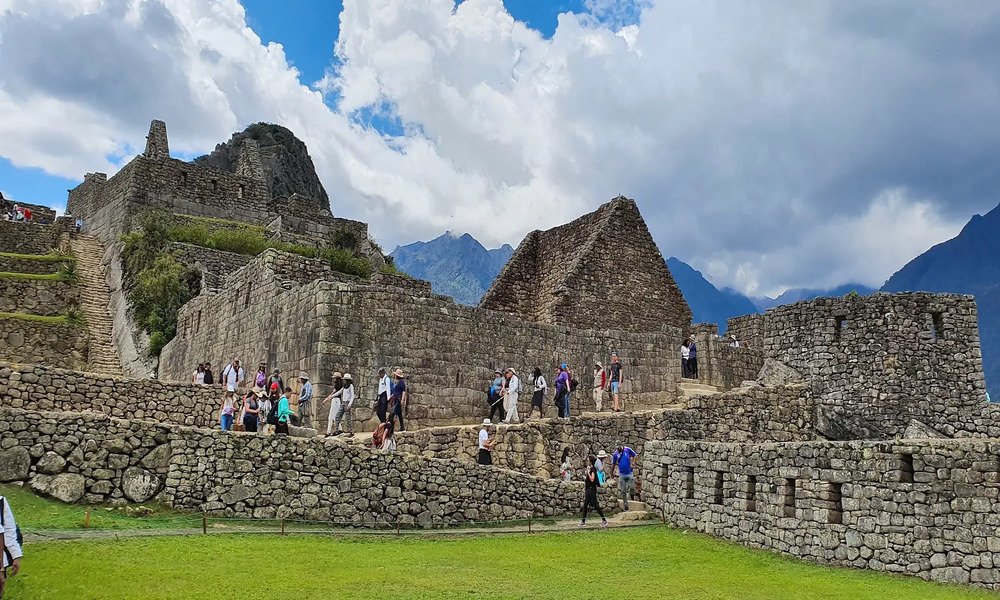
Machu Picchu is Peru’s main tourist attraction and one of the most visited destinations in Latin America. Its international recognition has boosted cultural tourism and strengthened the country’s image worldwide.
At the same time, the high influx of visitors creates challenges related to heritage conservation. Therefore, responsible site management is essential to protect its historical and natural value.
Cultural tourism and its impact on the region
Tourism in Machu Picchu has generated significant economic benefits for the Cusco region. Thousands of people work in activities related to guiding, transportation, hotels, and tourist services.
Furthermore, tourism has contributed to the appreciation of Andean culture. Visitors show interest in Inca history, traditions, and heritage, which strengthens local cultural identity.
However, tourism growth also requires proper planning. Organizing visitor flows is key to avoiding negative impacts on the archaeological site.
Heritage conservation and sustainable tourism
The conservation of Machu Picchu is a priority for the authorities and the local community. There are rules that regulate visitor access and behavior within the sanctuary.
Sustainable tourism strategies aim to balance tourism activity with the protection of the natural and cultural environment. These actions include capacity control, appropriate signage, and environmental education.
Thanks to these efforts, Machu Picchu remains an example of heritage management. Its preservation ensures that future generations can learn about and appreciate this legacy of the Inca world.