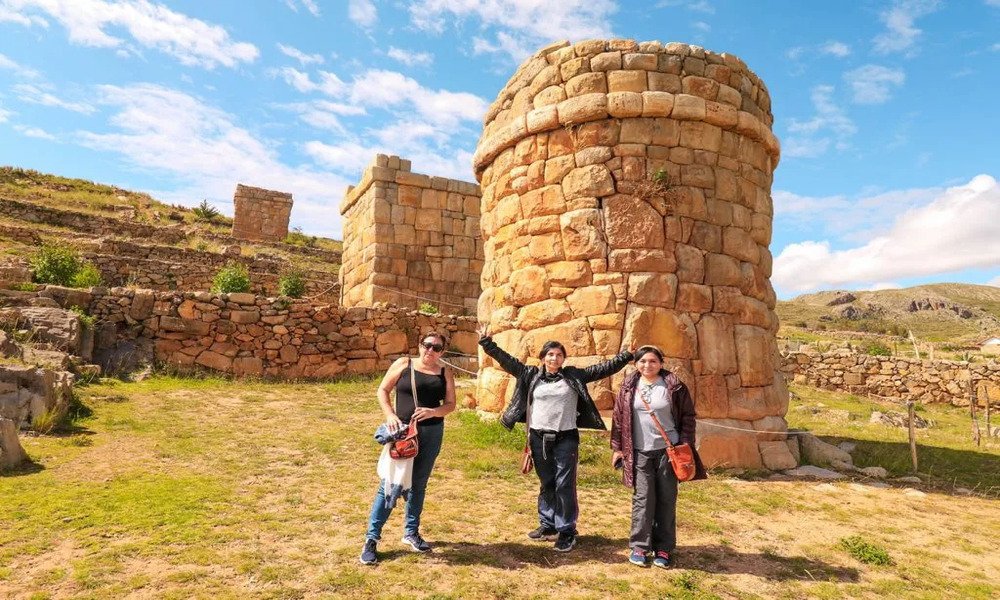
“Molloco Archaeological Complex: Pre-Inca and Inca Archaeology, Hiking”
The Molloco Archaeological Complex , located in the Puno region, is a site that combines history, culture, and nature . Renowned for its pre-Inca and Inca archaeology , it offers visitors the opportunity to explore ancient structures, walls, and vestiges of Andean civilizations . Furthermore, its trails allow visitors to enjoy Andean landscapes, panoramic views , and a close connection with the area’s history and cultural heritage.
Location and access
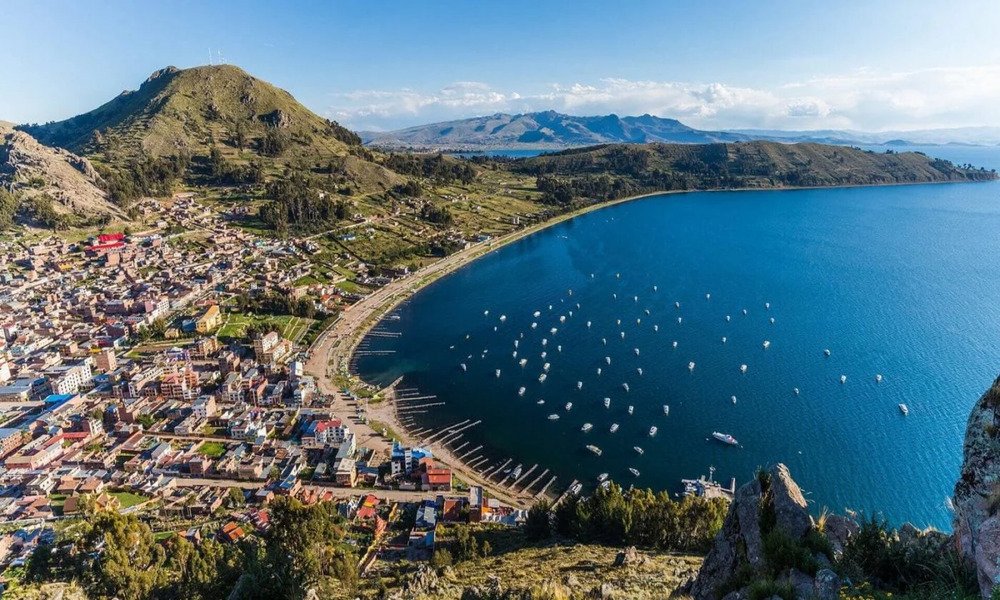
The Molloco Archaeological Complex is located in the Puno region of Peru, relatively close to the city of Puno. This makes it an easily accessible option for those visiting Lake Titicaca. Access is primarily via rural roads, which are ideal for those seeking to combine cultural tourism with nature .
Pre-Inca and Inca Archaeology
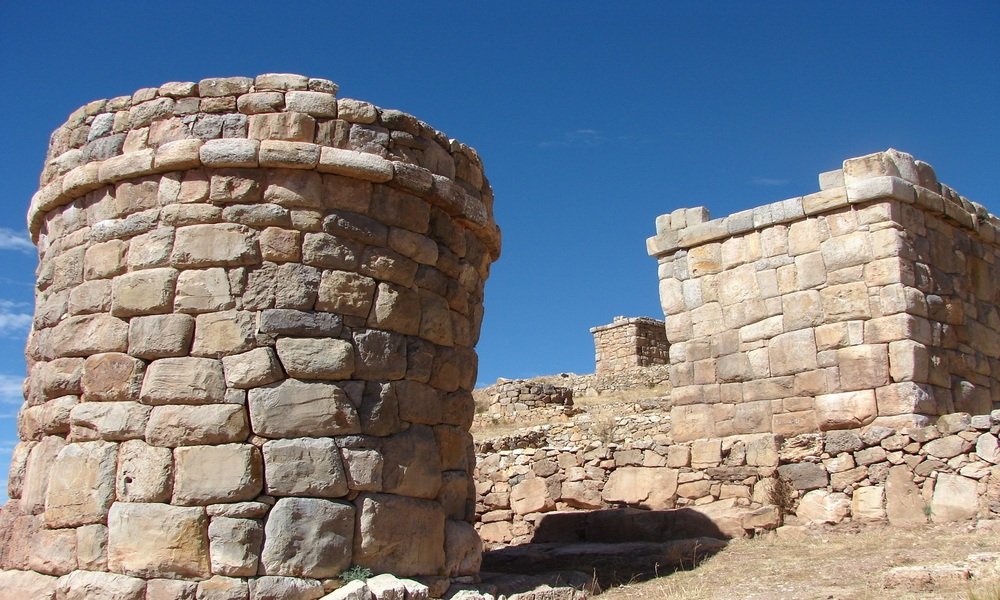
Molloco is a site of great historical and archaeological value. On one hand , pre-Incan remains can be observed , such as stone platforms and the ruins of rural settlements. On the other hand , the complex preserves Incan structures, including walls, canals, and stone buildings, which demonstrate the planning and organization typical of Incan engineering.
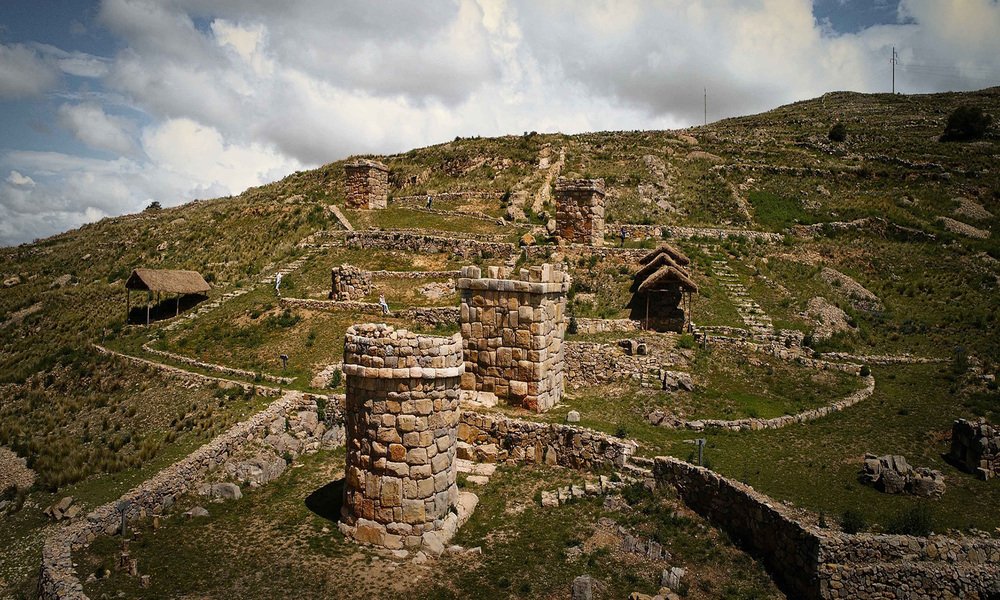
Taken together, these constructions reflect the strategic and cultural importance of the area , as well as the techniques of adaptation to the mountainous terrain and the climate of the high plateau.
History and Context
The Molloco Archaeological Complex represents an outstanding example of the interaction between pre-Inca cultures and the Inca civilization in the southern Peruvian highlands.
Pre-Inca culture: Before the arrival of the Incas, the area was already inhabited by communities that developed stone construction techniques and agricultural terraces adapted to the mountainous terrain.
Inca Period: During the height of the Inca Empire, Molloco was incorporated into the network of strategic settlements, which facilitated territorial control, defense , and the administration of agricultural and water resources.
The Pre-Inca Necropolis of Puno
It is located on the slopes of the Molloco hill.
It consists of ten chullpas from the pre-Hispanic era made of local lithic material, and 20 underground cists located on a hillside of rocky terrain.
Currently, a structure has been built over them to protect them from inclement weather and allow them to be observed.
It is a necropolis in which burials from the Aymara and Inca sides were found.
These chullpas are related to elite people or people with a certain social hierarchy, which shows that there was no kind of confrontation between these civilizations.
Burials of people who did not have the hierarchy of great lords but of settlers were also found, which were found in underground cists.
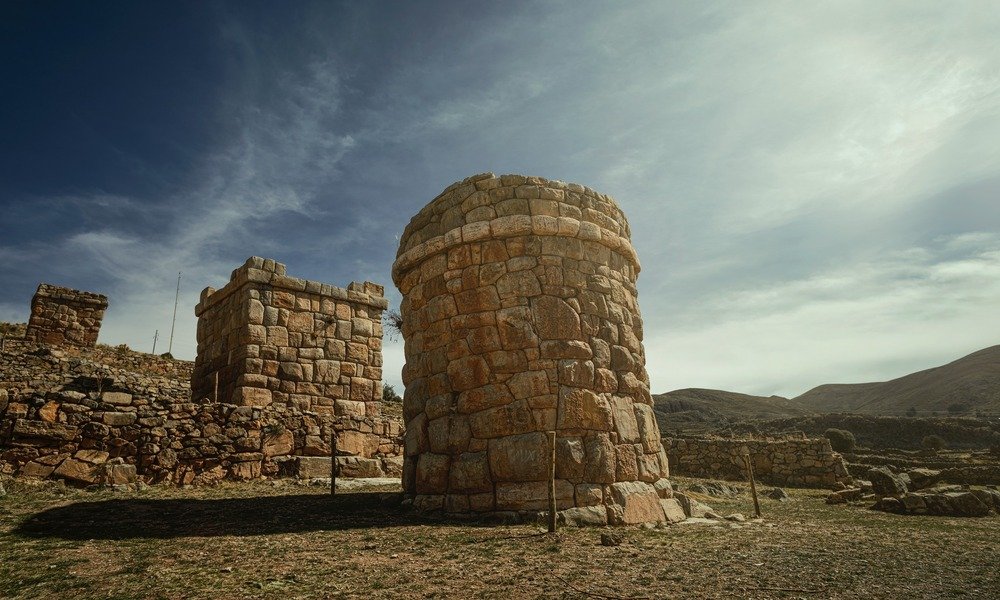
Therefore, the site reflects the social, economic, and religious organization of the ancient Andean communities, with evidence of ceremonial and agricultural areas.
Architecture and Main Structures
The complex features various elements that visitors can explore:
- Walls and platforms: Built in stone, they show the Inca engineering adapted to the topography of the land .
- Agricultural canals and terraces: They highlight the planning of agriculture on slopes, allowing the cultivation of potatoes, quinoa and other products of the high plateau.
- Ancient paths: Trails that connected different sectors of the complex and that are still passable today.
- Possible ceremonial areas: Spaces where rituals linked to the Andean worldview and the worship of Pachamama and other natural elements were performed.
Hiking and experiential tourism
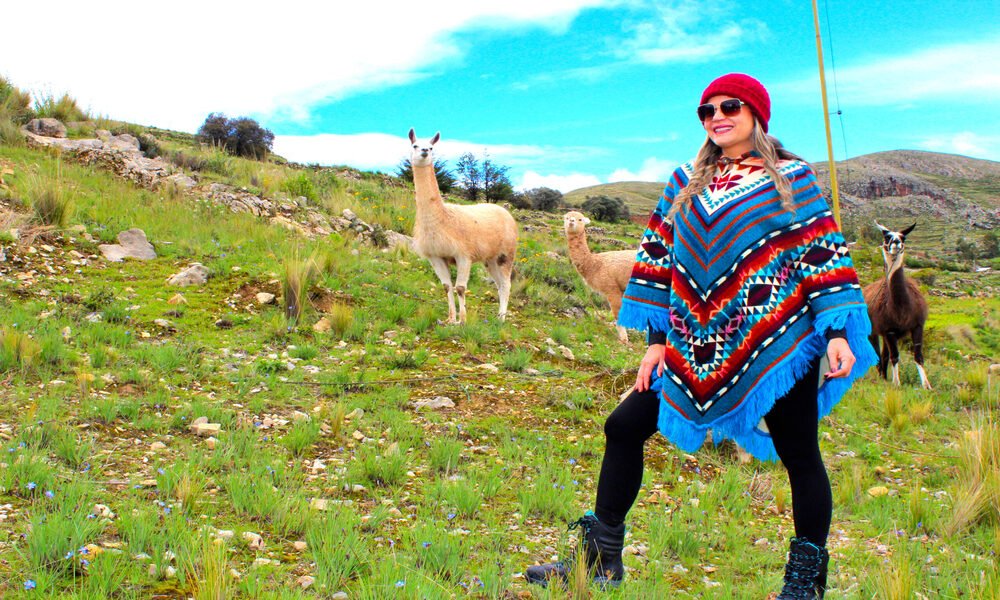
The archaeological site is surrounded by natural trails, allowing for peaceful walks among the archaeological remains, with panoramic views of the Andean landscape and the surrounding valley.
Visitors can also explore ceremonial platforms, walls, and Inca trails, learning about the history and function of each structure. Ultimately , the experience combines education, exercise, and contact with nature, making it ideal for those who enjoy active and cultural tourism.
Highlights include:
Guided walks: Touring the complex allows for in-depth learning about construction techniques, history and local culture.
Landscape photography and observation: The views of the high plateau and the stone constructions provide unique opportunities for photographs.
Interaction with nearby communities: Some tours include visits to neighboring villages where you can learn about rural life, customs and Andean gastronomy.
Landscape and Nature
Molloco is not only an archaeological site; its natural surroundings are breathtaking. For example , being located on the Andean plateau, it offers panoramic views of the surrounding valley, mountains, and small lagoons.
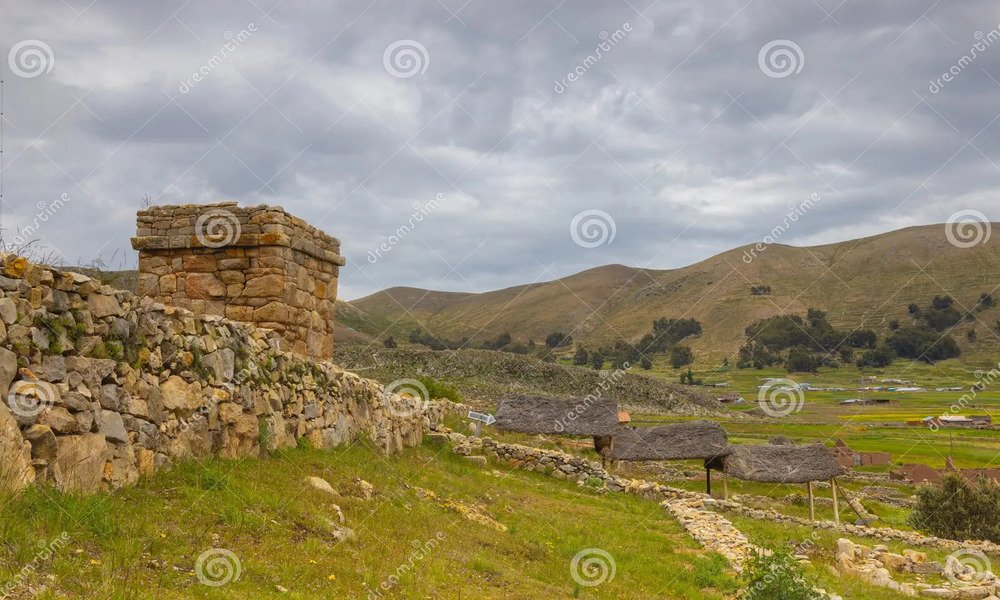
In addition, you can observe local birds, high Andean grasslands and vegetation typical of the region, making it ideal for combining archaeological tourism with nature .
Cultural and Educational Importance
Visiting Molloco offers a deeper understanding of the lives of pre-Incan cultures and the Inca Empire , their construction techniques, and their relationship with the natural environment. It also promotes the preservation of historical heritage and knowledge of local traditions.
How to get there
From the city of Puno:
- By private transport: The fastest and most comfortable way is by car or taxi from Puno, taking the road towards the rural villages near Molloco. The journey takes approximately 1 to 2 hours, depending on road conditions and the exact access point.
- By public transport: You can take a bus or minivan to communities near the archaeological site. From there, it’s recommended to walk or hire a local guide, as the final stretches are often dirt and mountain trails.
Visitor Recommendations
Wear appropriate footwear for hiking on uneven terrain and warm clothing due to the cold climate of the high plateau.
Llevar agua, snacks y protector solar.
Hire a local guide to make the most of your visit and understand the history behind each structure.
Please respect the site rules, as it is a protected archaeological heritage site .