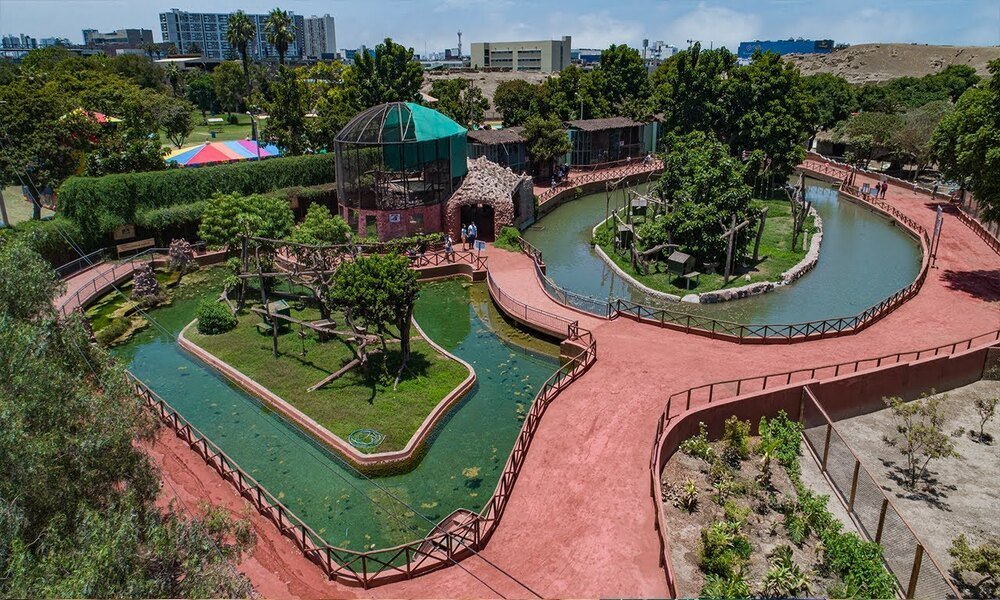
Parque de las Leyendas – Peru in One Place
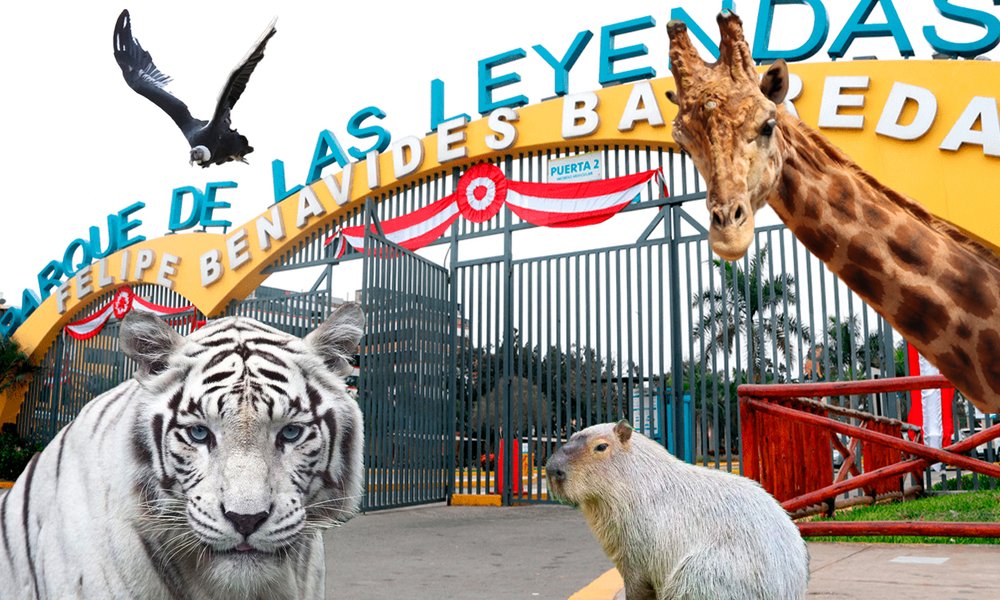
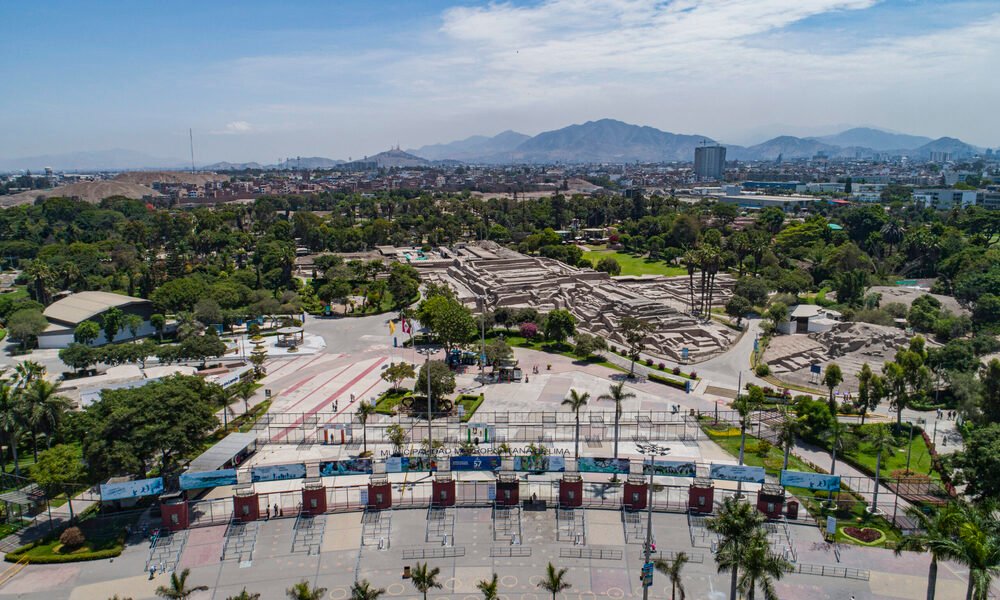
The Parque de las Leyendas, located in the San Miguel district of Lima , is one of the most iconic and educational parks in Peru.
Its concept combines nature, culture, and conservation. Within its more than 90 hectares, visitors can explore all of Peru in a single day, thanks to its layout in three main zones that reflect the country’s natural regions: Coast, Highlands, and Rainforest.
In addition to its recreational function, the park plays a fundamental role in the protection of endemic species, environmental education and the dissemination of archaeological heritage, since within the grounds there are also preserved pre-Hispanic huacas dating back more than 2,000 years.
Visiting it is a complete experience: learning, relaxing and discovering the richness of Peru in its flora, fauna and living culture.
Location of the Parque de las Leyendas
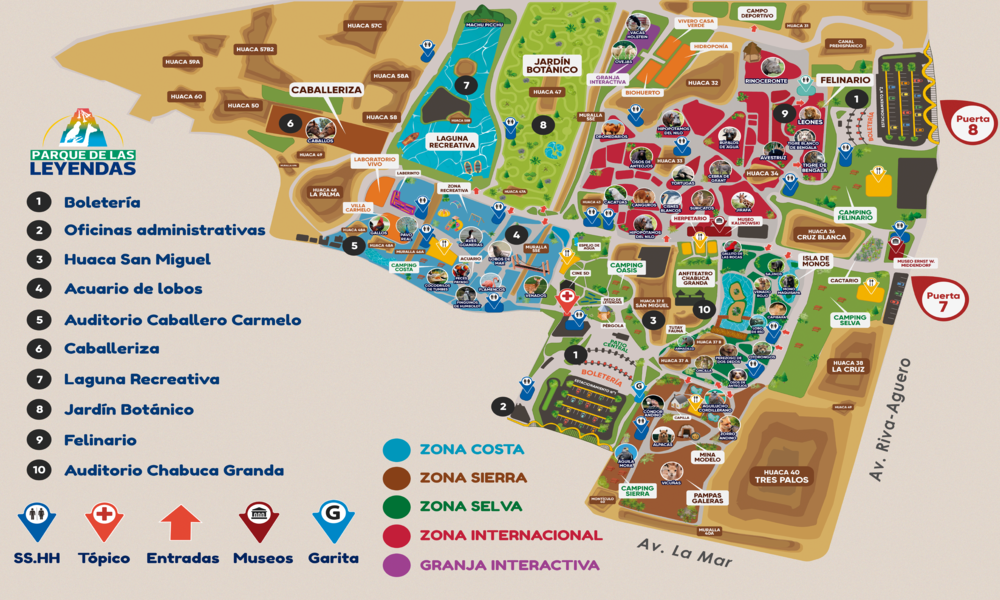
The Parque de las Leyendas is located at Av. Las Leyendas 580, San Miguel district – Lima, Peru, just 25 minutes from the historic center of Lima and 15 minutes from Miraflores.
It is strategically located near major avenues such as Av. La Marina and Av. Universitaria, making it easily accessible from anywhere in the city.
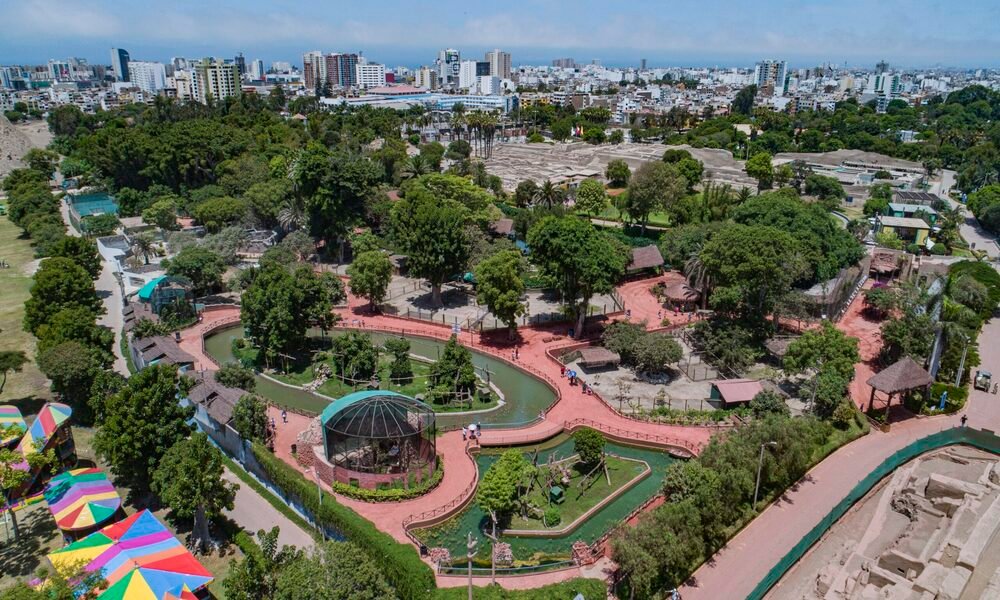
Its surroundings combine urban areas with green spaces, making it an ecological haven within the capital.
In addition, its proximity to shopping centers, restaurants and the Costa Verde Beach Circuit allows you to complement your visit with a family outing or an afternoon by the sea.
Tip: If you’re traveling by public transport, take routes that go through La Marina or Universitaria; both will drop you off less than 5 minutes’ walk from the main entrance.
Schedule and Tickets
The park is open every day of the year, including holidays, making it an excellent visit option any time of year.
Official hours are from 9:00 am to 5:00 pm, with last entry at 4:30 pm.
Entradas y precios:
- Adultos: S/ 15.00
- Children (3 to 12 years): S/ 8.00
- Seniors and people with disabilities: S/ 8.00
- Students or school groups: special rates upon prior arrangement.
Tickets can be purchased directly at the ticket office or online through the park’s official website.
It is recommended to arrive early to enjoy all areas at your leisure and avoid queues, especially on weekends and holidays.
Coastal Zone of the Parque de las Leyendas: Between the Desert, the Sea and History

The Coastal Zone of the Parque de las Leyendas is one of the park’s most fascinating areas, as it brings together the arid, marine, and cultural ecosystems that characterize the Peruvian coast.
In this part of the park, visitors can observe animals that inhabit the Pacific coast, learn about ancient desert cultures, and enjoy environments that recreate the region’s beaches, dunes, and wetlands.
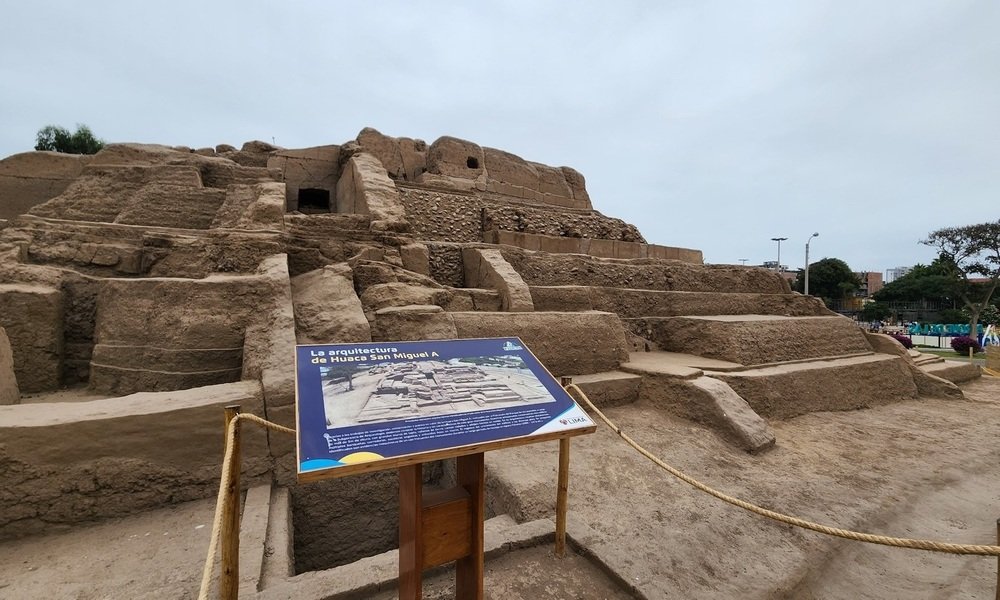
Furthermore, this area preserves a valuable archaeological heritage: the Huaca San Miguel de Maranga, a pre-Hispanic structure that was part of a large adobe city inhabited by the Lima, Ichma, and Inca cultures.
Walking through this area is to feel how history, nature, and the sea merge into a unique educational experience.
Fauna Marina y Costera
The tour begins with emblematic species from the Peruvian coast, carefully distributed in environments that simulate their natural habitats.
Here, visitors can experience firsthand the biodiversity of the Pacific Ocean and its desert fringe.
Main species you will find:
- Humboldt Penguin : native to the central and southern coast of Peru, symbol of cold marine ecosystems.
- South Pacific sea lions: one of the most beloved attractions; they often swim, rest and play in front of the public.
- Pelicans and boobies: seabirds that fly over the area and perch on the artificial rocks.
- Gulls, plovers and coastal flamingos: species that represent life in wetlands and lagoons near the sea.
Each enclosure has been precisely designed to offer spacious areas, saltwater, natural rocks and coastal vegetation, faithfully recreating the environment of the Peruvian coast.
Interesting fact: Parque de las Leyendas participates in conservation programs for the Humboldt penguin, a species threatened by climate change and overfishing .
Archaeological Heritage: The Huaca San Miguel de Maranga
One of the park’s greatest treasures lies within this area: the Huaca San Miguel de Maranga, an adobe pyramid built between 200 and 700 AD.
This structure belonged to the Lima culture and was later occupied by the Ichma and the Incas.
Currently, it is part of the National Cultural Heritage and can be visited via marked trails that allow visitors to observe its terraces and passageways.
During the tour, the guides explain how the ancient inhabitants of the Rímac Valley lived in harmony with their arid environment and how they made use of marine and agricultural resources.
Therefore, this area is not only a zoo, but also an active archaeological site where Peru’s past and present coexist.
Tip: Visit the huaca at midday; the sunlight highlights the ochre tones of the walls and the views are perfect for cultural photographs.
Environmental Education and Interactive Spaces
The Coastal Zone not only showcases animals, but also features interactive educational centers that teach about marine ecosystems, recycling, and the importance of water in arid regions.
Children can participate in workshops and exhibits where they learn in a fun way how to care for Peru’s oceans and beaches.
In addition, there are information panels and observation stations with data on ocean currents, sustainable fishing, and migratory species.
These areas have been designed to inspire respect and curiosity for Peruvian biodiversity.
Tip : Dedicate at least 40 minutes to fully explore this area. It’s ideal to start your day here before continuing on to the mountains or the rainforest.
Coastal Environments and Gardens
The setting is one of the area’s biggest draws.
Walking among artificial dunes, palm trees, cacti, and paths with fine sand creates a real feeling of being by the sea.
Visitors also enjoy rest areas and viewpoints, ideal for relaxing under the Lima sun.
Among the gardens, the plants of the Peruvian coastal desert stand out, such as huarangos, tillandsias, columnar cacti and salicornia, species adapted to extreme conditions of drought and salinity.
Interesting fact: the park has managed to reproduce more than 30 species of native coastal plants, thus contributing to their conservation and botanical study.
Sierra Zone of the Parque de las Leyendas: Living Nature of the Peruvian Andes
The Sierra Zone of the Parque de las Leyendas (Park of Legends) is a tribute to the majestic Andes of Peru.
On this route, visitors can discover the wildlife, flora, and cultural traditions that characterize the country’s highlands.
Each enclosure recreates Andean landscapes: mountains, ravines, grasslands, and temperate climates that evoke the inter-Andean valleys.
Here, the experience is more than just visual; it’s educational. Visitors learn how Andean peoples live in harmony with nature, respect the sacred mountains—the apus—and preserve ancestral agricultural techniques.
Fact: This area seeks to raise public awareness about the importance of water and high Andean ecosystems, on which a large part of the water supply of the Peruvian coast depends.
Fauna Emblemática de los Andes
The Peruvian Andes are home to species adapted to cold climates and high altitudes. In the park, these species live in spacious, natural enclosures with Andean vegetation and fresh air that recreate their original environment.
Most representative animals:
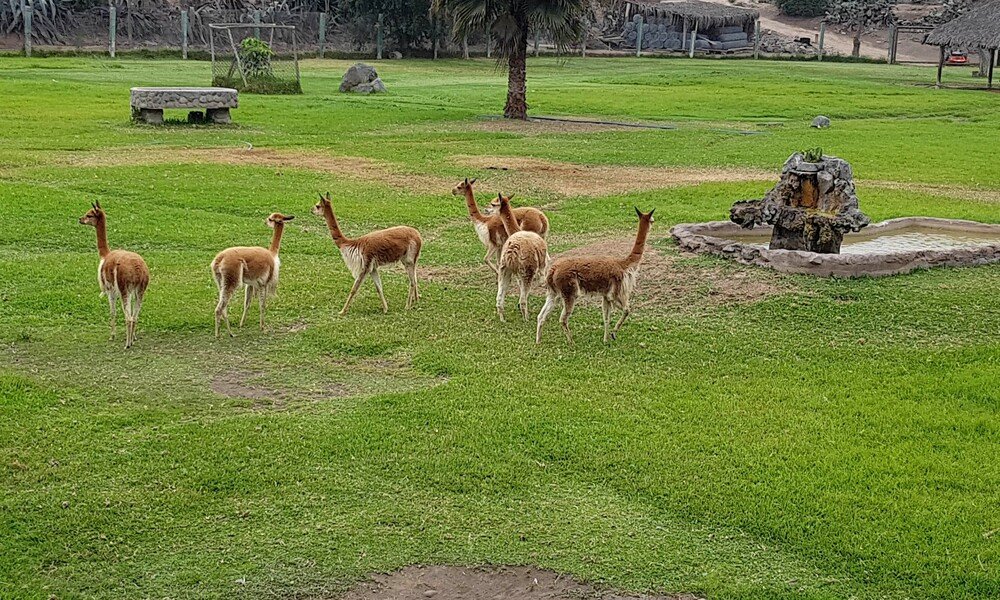
- Vicuñas and llamas: symbols of the high plateau, valued since Inca times for their fiber and their role in the Andean economy.
- Spectacled bear: the only bear in South America, which inhabits cloud forests between 1,800 and 3,000 meters.
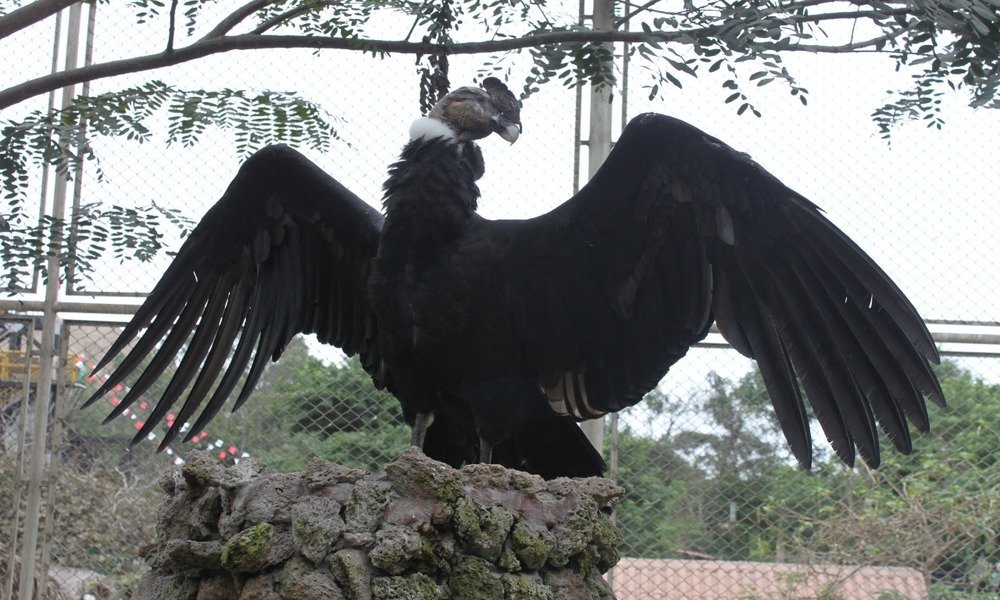
- Andean condor: one of the largest flying birds in the world; its flight represents freedom and power in the Inca worldview.
- Vizcachas and tarucas: small agile mammals that live on rocky slopes.
The park’s caretakers and guides explain how each species fulfills an essential ecological role within its habitat. Furthermore, many of these animals are part of captive breeding and conservation programs.
Tip: Take time to observe the condor enclosure; seeing it spread its wings over the artificial hills is one of the most impressive sights of the tour.
Andean Culture and Tradition
The Sierra Zone not only showcases wildlife; it also pays tribute to the living culture of rural Peru.
During the tour, visitors can see replicas of peasant houses, pottery and weaving workshops, and spaces where customs such as pachamanca, terrace farming, and the harvest festival are explained.
Aprendizaje cultural:
- The value of ayni (cooperation between communities) is taught.
- Traditional agricultural tools, such as the chaquitaclla, are displayed.
- Rituals dedicated to Pachamama (Mother Earth) are explained.
These spaces promote respect for the Andean highland communities, reminding us that their ancestral wisdom remains essential for sustainability and Peruvian identity.
Fun fact: Some special events at the park include performances of traditional dances and food fairs that highlight the cultural diversity of the Andes.
Flora y Paisajes Andinos
Visitors can also enjoy gardens of ichu grass, native shrubs, high-altitude flowers, and small forests of quenual trees (typical of the puna).
These spaces recreate high Andean ecosystems and their climatic variations, with shaded areas, artificial fog, and small streams that simulate glacial meltwater.
The artificial mountains and stone terraces allow us to understand how humans adapted to the Andean terrain to build their lives in harmony with nature.
Environmental fact: The Parque de las Leyendas participates in education programs on climate change, showing how Andean glaciers are shrinking and why it is vital to conserve water sources.
Experiencia del Visitante
The tour through the Sierra Zone takes approximately 45 minutes and combines observation, learning, and relaxation.
Visitors can pause at themed viewpoints, take photographs next to the llamas, or rest under native trees while listening to the sound of the wind that evokes the high-altitude landscapes.
Tourist tip: Bring sunscreen, water, and a hat. Although it’s an “Andean” region, Lima maintains a mild climate, ideal for exploring at a leisurely pace and enjoying every corner.
🌴
Jungle Zone of the Parque de las Leyendas: A Journey to the Peruvian Amazon

The Jungle Zone of the Parque de las Leyendas is a true tribute to the immensity of the Peruvian Amazon, one of the most biodiverse regions on the planet.
Here, visitors can experience the humid climate, listen to the sounds of the rainforest, and admire the extraordinary variety of animals and plants that represent life in the Amazon.
Each step on this journey immerses you in a landscape of dense vegetation, towering trees, and natural trails.
The environment has been carefully designed to recreate the tropical ecosystem, offering an immersive experience ideal for those who have not yet visited the real Amazon.
Interesting fact: The Jungle Zone occupies one of the largest areas of the park and is part of its environmental education and endangered species conservation program .
Amazonian Fauna: Diversity and Color
The wildlife in this area reflects Peru’s impressive natural wealth. The enclosures are surrounded by natural vegetation, with lagoons, waterfalls, and wide-open spaces that allow visitors to observe the animals’ natural behavior.
Featured species you can learn about:
- Jaguar: the great feline of South America, symbol of power and guardian of the jungle.
- Spider monkey and woolly monkey: agile and sociable species that live in family groups and show their dexterity by jumping between branches.
- Poison dart frogs and anacondas: reptiles and amphibians that represent the humid and mysterious life of the tropical forest.
- Macaws and toucans: birds with colorful plumage that fill the air with their songs.
In addition, the park participates in breeding and reintroduction programs for threatened Amazonian species, contributing to their conservation.
Tip: Visit this area early in the morning or after midday; during those times the animals are more active and visible.
Tropical Vegetation and Ecosystems
The walk through the park’s jungle is a sensory experience: the air becomes warmer and more humid, the aromas of the vegetation intensify, and the sounds of birds and frogs accompany the stroll.
The setting accurately recreates Amazonian ecosystems, from floodplains to the banks of tropical rivers.
Representative plants and trees:
- Shihuahuaco and mahogany: imposing timber species that can exceed 30 meters in height.
- Heliconias, orchids and bromeliads: colorful flowers that attract hummingbirds and pollinating insects.
- Lianas and vines: climbing plants that create green tunnels along the path.
Fun fact: some plants in the park come from Amazonian nurseries and are used in urban reforestation programs in Lima.
Environmental Education and Interactive Experience
The Jungle Zone also plays a vital educational role.
Through information panels, talks, and interactive modules, visitors learn about the importance of the rainforest, the water cycle, and the connection between the jungle and the global climate.
Children can participate in workshops where they discover how trees absorb carbon dioxide or how animals help disperse seeds.
These activities aim to raise awareness about the need to protect the Amazon and its communities.
Educational fact: part of the park’s income is allocated to conservation campaigns in partnership with environmental institutions in eastern Peru.
Visitor Tour and Experience
The Jungle Zone is usually the final section of the Parque de las Leyendas tour.
The tour takes about an hour, and it’s recommended to take your time, enjoying the natural surroundings.
During the walk, you can stop at elevated viewpoints, small suspension bridges, and rest areas surrounded by tropical vegetation.
Tip: Bring water, a hat , and a camera. The colors, the light, and the movement of the animals make this area one of the most photogenic in the park.
Why Visit the Parque de las Leyendas?
The Parque de las Leyendas is not just a zoo, a museum, or a botanical garden: it’s a place where Peru becomes intimate, real, and surprising. Here, every path tells a story, and every area reveals a diverse country, full of life and culture. Furthermore, exploring its grounds allows you to discover the Coast, the Highlands, and the Jungle in a single day—something no other place in Lima offers with such authenticity.
Therefore, if you’re looking for an educational, entertaining, and deeply Peruvian experience, this park is a must-see. Whether you’re traveling with family, as a couple, or alone, you’ll find nature, history, and adventure all in one place. Come and experience Peru in miniature: a space where learning, exploring, and marveling are always just a stroll away.