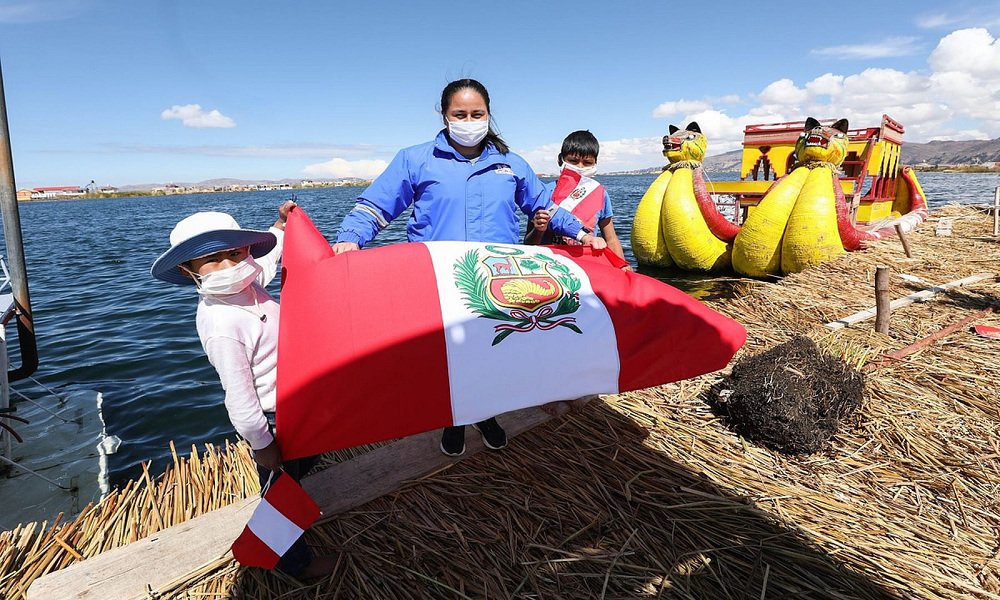
“Complete guide: What to do in Puno in 3 days”
Exploring Puno in 3 days allows you to delve deeper into the culture, history, and nature of the Andean highlands. In addition to seeing the main sights of the historic center and taking a boat trip on Lake Titicaca, you’ll have time to visit indigenous communities on the Floating Islands of the Uros , discover traditional life on Taquile or Amantani , and explore archaeological sites like Sillustani , with its ancient pre-Incan chullpas (burial towers).
This guide will help you plan a balanced itinerary that combines cultural experiences, spectacular landscapes, and living traditions of southern Peru.
Complete guide: What to do in Puno in 3 days
Day 1: Discover the historic center and local customs
Plaza de Armas and Puno Cathedral
Begin your visit at the Plaza de Armas , the social heart of the city. Here you can admire the San Carlos Borromeo Cathedral Basilica , built in 1757 and one of the finest examples of Andean mestizo baroque architecture in southern Peru.
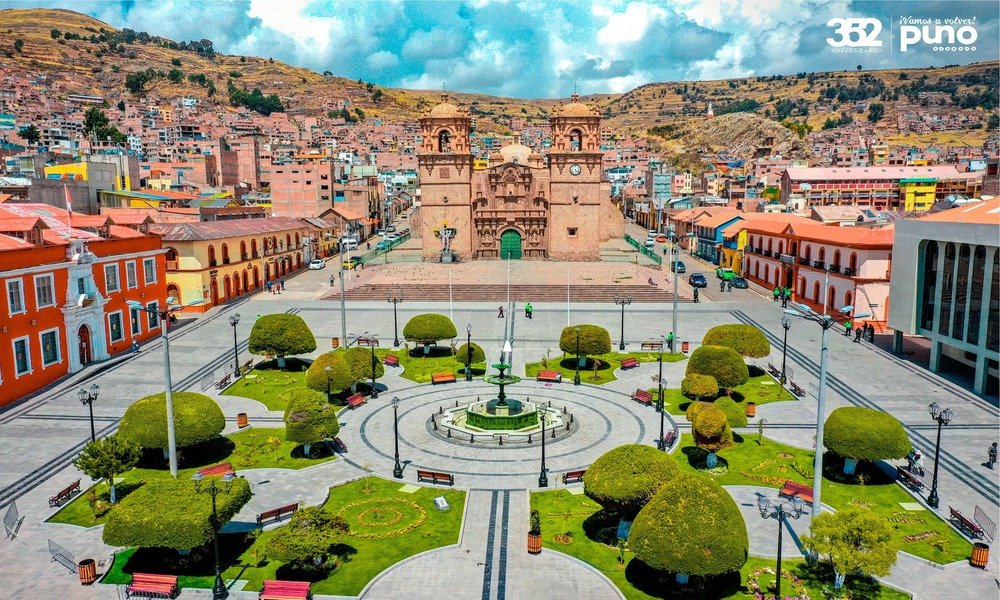
Around the square are located historic buildings, public institutions and spaces where cultural events, parades and local festivities are often held
The Puno Cathedral , also called the Basilica Cathedral of San Carlos Borromeo , is one of the most important monuments in the city dedicated to Francisco Bolognesi and is located next to the Plaza de Armas.
Outside, its two tall bell towers and granite reliefs with Andean motifs stand out, and inside, colonial paintings and Baroque-style altars are preserved .
Puno Central Market
The Central Market of Puno , also called San Juan Market , is located near the Plaza de Armas , in the heart of the city, and is one of the most representative commercial and cultural spaces of daily life in Puno.
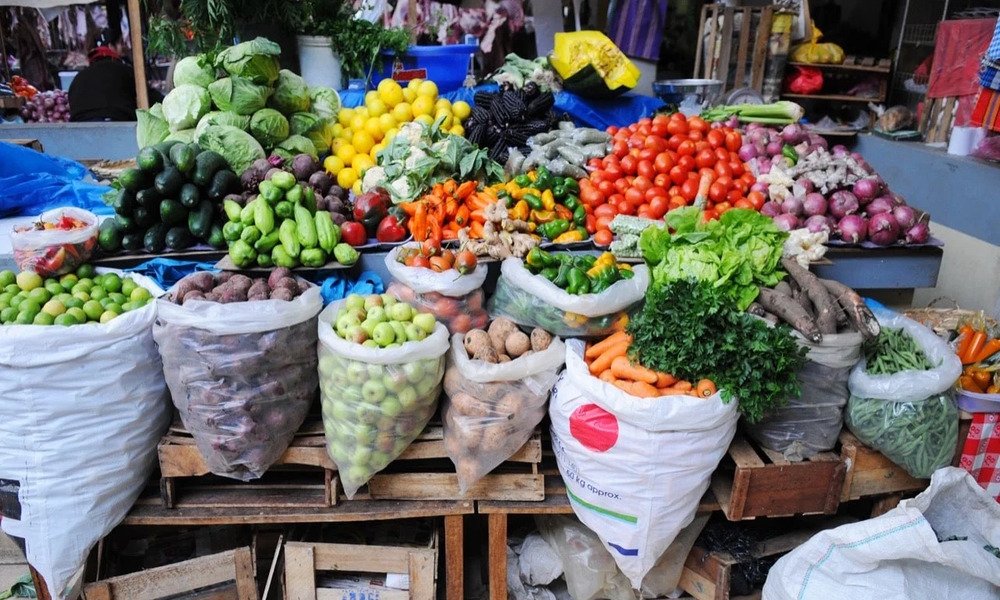
You can find fresh fruits and vegetables , meats, fish, cheeses and spices at affordable prices.
The food area is very varied and invites you to taste local flavors , either in small stalls or on the second floor where there are more options to sit and eat.
In addition to food, the market offers handicrafts, Andean textiles, ceramics, jewelry and souvenirs , ideal for taking home a memento of your visit.
Churches and colonial architecture
Visit the Church of San Juan Bautista and the Convent of Santa Catalina to learn more about the region’s colonial religious architecture.
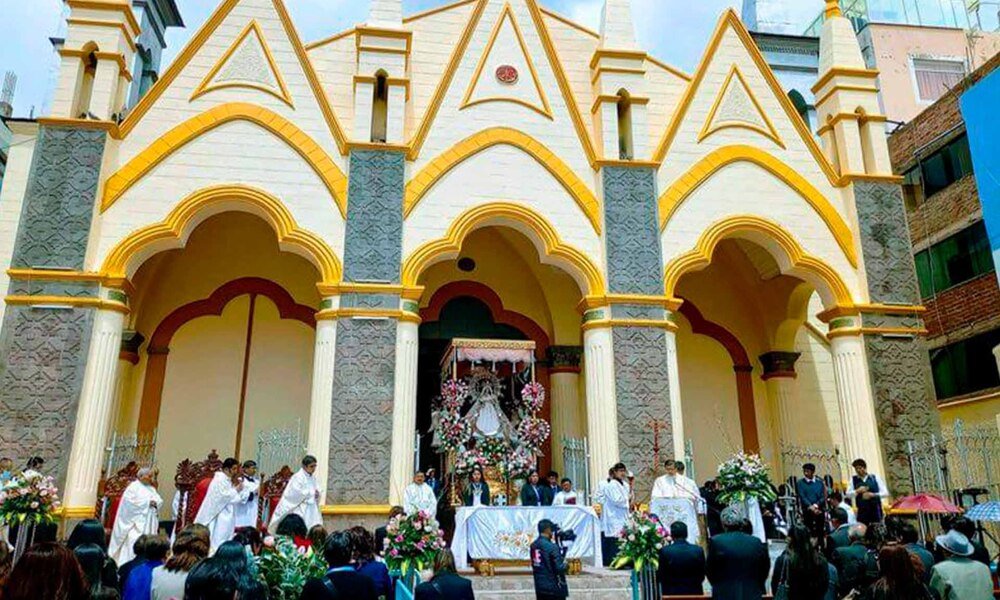
The Church of San Juan Bautista is one of the most important colonial temples in Puno and a prominent example of the mixture between European and indigenous traditions in local religious architecture.
Inside, the church houses numerous works of religious art , including paintings from the Cuzco school, sculptures , and silver ornaments that reflect Peru’s colonial artistic tradition.
Colonial religious architecture in Puno, such as that of the Church of San Juan Bautista, is characterized by the mixture of styles : European influences (especially Baroque) adapted to local materials and motifs.
Lake Titicaca Waterfront
The Lake Titicaca waterfront in Puno is a pedestrian promenade along the lake , ideal for a leisurely stroll, enjoying the open views of the water, and feeling the Andean breeze. Lake Titicaca is known for being the highest navigable lake in the world and one of South America’s most iconic natural landscapes.
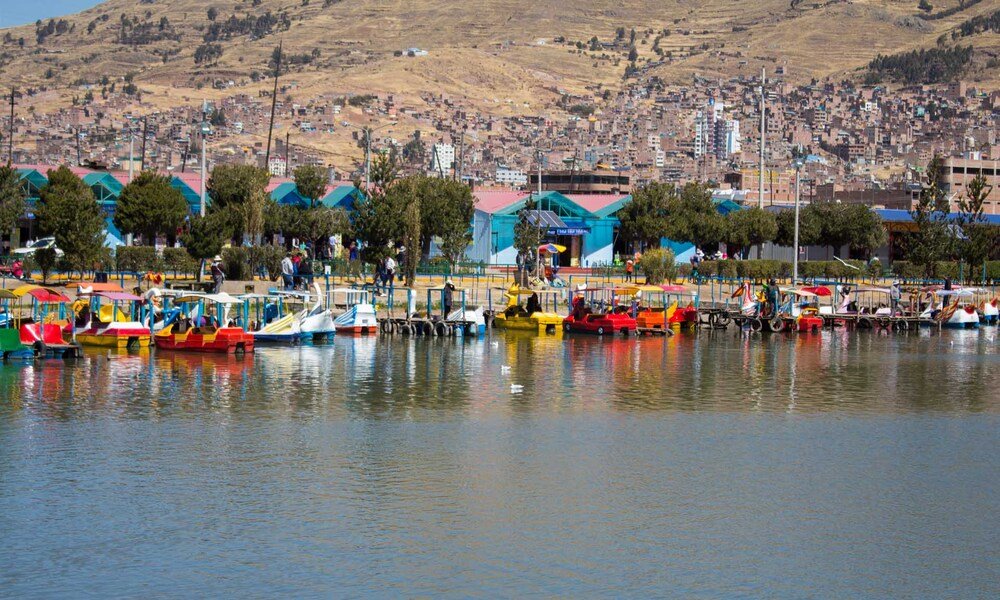
As you walk along the waterfront, you can observe the landscape of the lake , including its crystal-clear waters and the horizon that blends with the nearby mountains.
It is common to see water birds and other species typical of the Titicaca ecosystem, especially during the early morning hours or at sunset, as well as traditional fishing activity.
Depending on the weather and available time, many visitors combine hiking with boat trips on the lake to explore beyond the shoreline.
Day 2: Adventure on Lake Titicaca and its islands
Uros Floating Islands
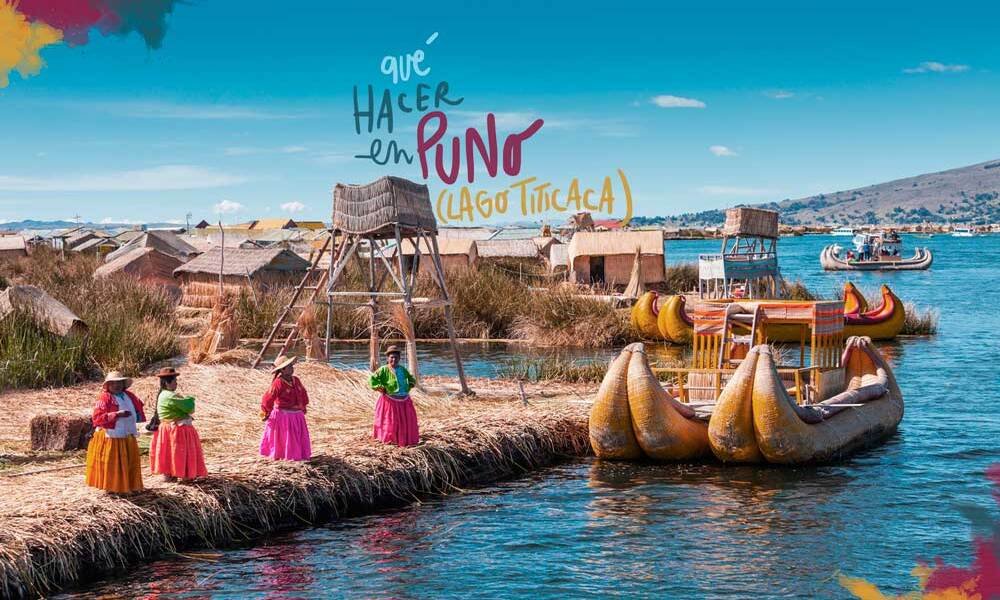
Dedicate the second day to an excursion on the lake. First, visit the Floating Islands of the Uros , constructed from totora reeds, where you’ll learn about the ancestral culture of this indigenous people. The Floating Islands of the Uros are one of the most iconic attractions near Puno. These are artificial islands built entirely from totora reeds , an aquatic plant that grows in the shallow waters of Lake Titicaca , the highest navigable lake in the world.
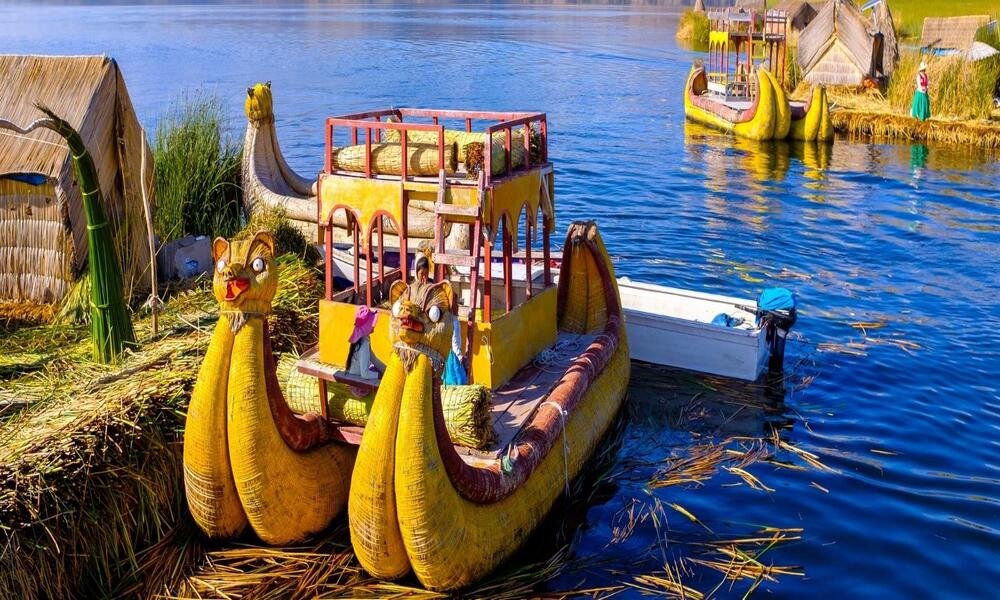
The excursion from Puno usually takes about 30 minutes by boat to the islands.
Upon arrival, you can walk among the islands , learn how they are made and maintained, interact with the community, and learn about their daily traditions.
In addition, many tours include cultural demonstrations, the possibility of buying local crafts and the opportunity to see daily life in a unique environment.
Amantani and/or Taquile Islands
Then continue to Amantani and/or Taquile , where you can interact with local communities and see their traditions and textiles. Many tours include an overnight stay on Amantani with a host family , enriching the experience.
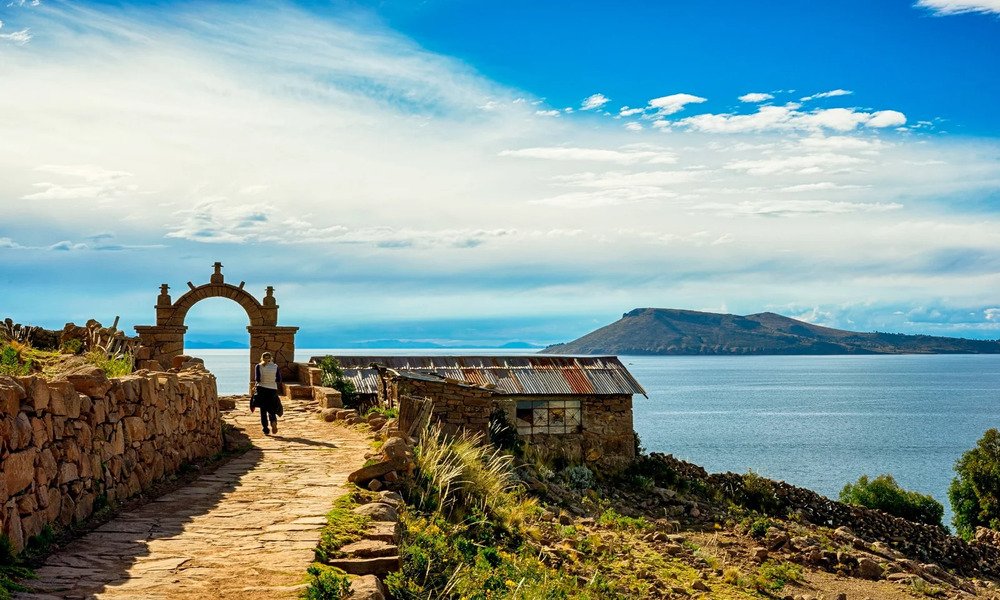
Most visitors spend one or two nights with local families , allowing for an immersion in Andean daily life : sharing traditional meals, conversing with hosts, and learning about their agricultural and cultural practices .
Taquile is known for its ancestral textile art , so much so that its tradition was declared a “Masterpiece of the Oral and Intangible Heritage of Humanity” by UNESCO .
The island has mountainous terrain with agricultural terraces , offering incredible views of the lake and peaceful walking trails between traditional communities.
Many tours organize lunches overlooking the lake and cultural activities with local inhabitants.
Day 3: Archaeology, nature and viewpoints
Sillustani and Umayo Lagoon
On your last day, visit the Sillustani archaeological site , famous for its impressive chullpas (pre-Incan funerary towers) overlooking the tranquil Umayo Lagoon . This place offers a unique combination of history and natural landscape. It is an ancient necropolis, a monumental cemetery, where the famous chullpas are located, stone funerary towers built by the Colla culture between the 12th and 15th centuries to bury the elites and leaders of that society.
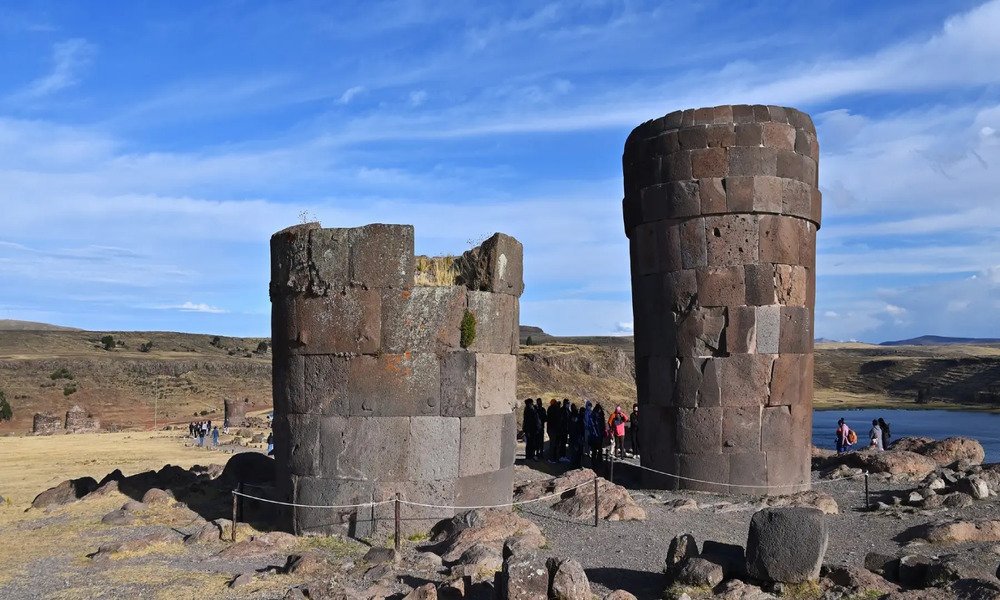
It is located approximately 30–35 km north of Puno , in the district of Atuncolla , on the shores of Lake Umayo
The site blends history and nature: while exploring the chullpas, you can enjoy the surrounding Umayo Lagoon, connecting with both the past and the Andean landscape.
The complex’s elevated location offers panoramic views and a tranquil atmosphere that invites reflection and photography.
Panoramic viewpoint
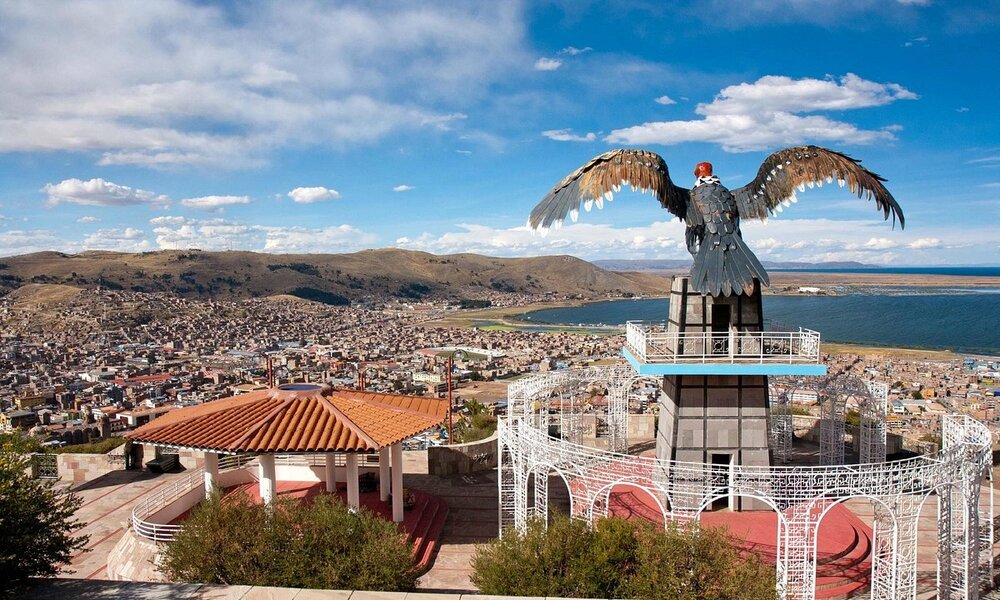
Afterwards, return to Puno and head to the Kuntur Wasi viewpoint for panoramic views of the city and Lake Titicaca, perfect for sunset photos.
Museos opcionales
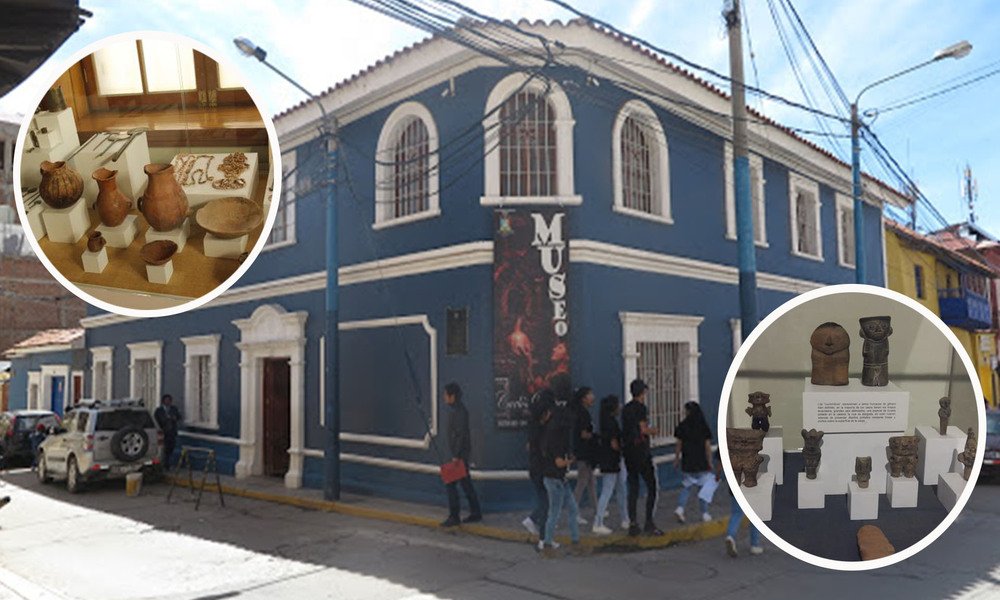
For a deeper dive into history and culture, visit the Carlos Dreyer or Folklore Museum, showcasing religious art, traditional objects, and local life.
Tips for your trip
Acclimatization: Puno is ~3,827 m above sea level. Take your time to acclimatize, stay hydrated, and consider coca tea to relieve altitude sickness.
Climate: Temperatures are cold, especially at night, even in the dry season. Bring warm clothing and sun protection .
Tours: Booking tours to the islands (Uros, Amantani, Taquile) in advance ensures availability, especially during peak season (April to September).
Money: In communities and on islands, cash is often preferred for local payments and purchases.
Safety: Although Puno is generally safe for tourists, it is always advisable to keep an eye on your belongings, especially in markets and crowded places.