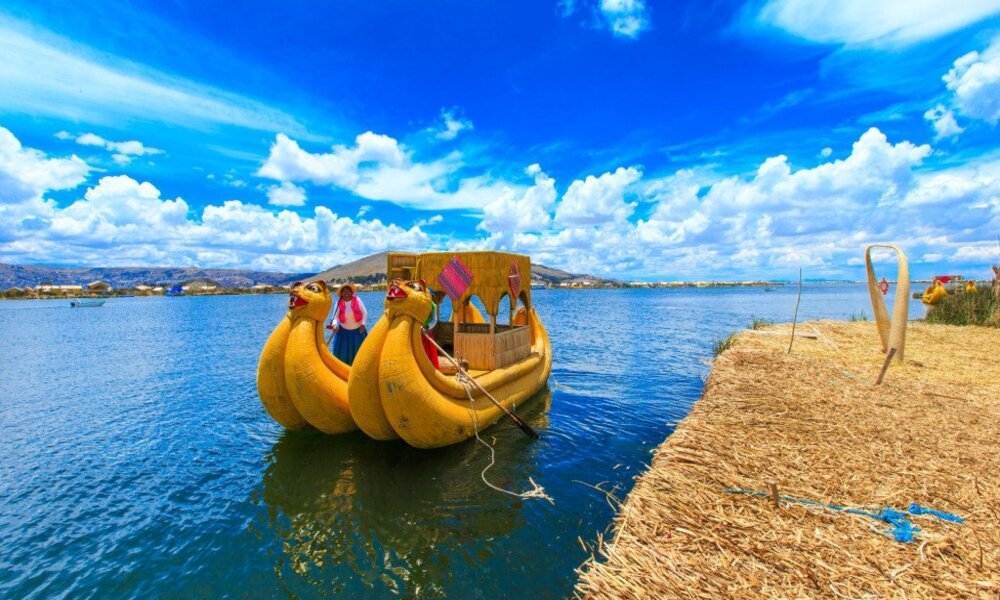
Which months have the most rain in Puno and Lake Titicaca?
Knowing the rainiest months in Puno and Lake Titicaca is key to planning your trip. Rainfall can affect outdoor activities, island excursions, and boat trips on the lake, so knowing when to expect rain will help you choose the best time to visit and make the most of your visit.
Weather and rain in Puno
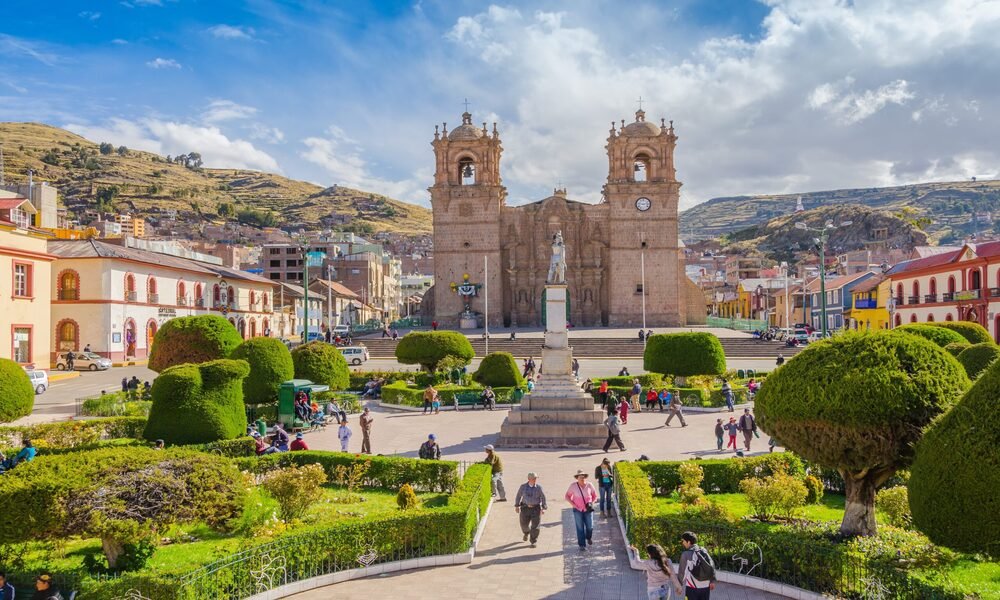
Puno, located at over 3,800 meters above sea level, has a high-altitude climate with very distinct seasons. The region is primarily divided into a dry season and a rainy season , which significantly affects the conditions for visiting Lake Titicaca and its islands, according to SENAMHI (National Meteorology and Hydrology Service of Peru ).
Months with the most rain
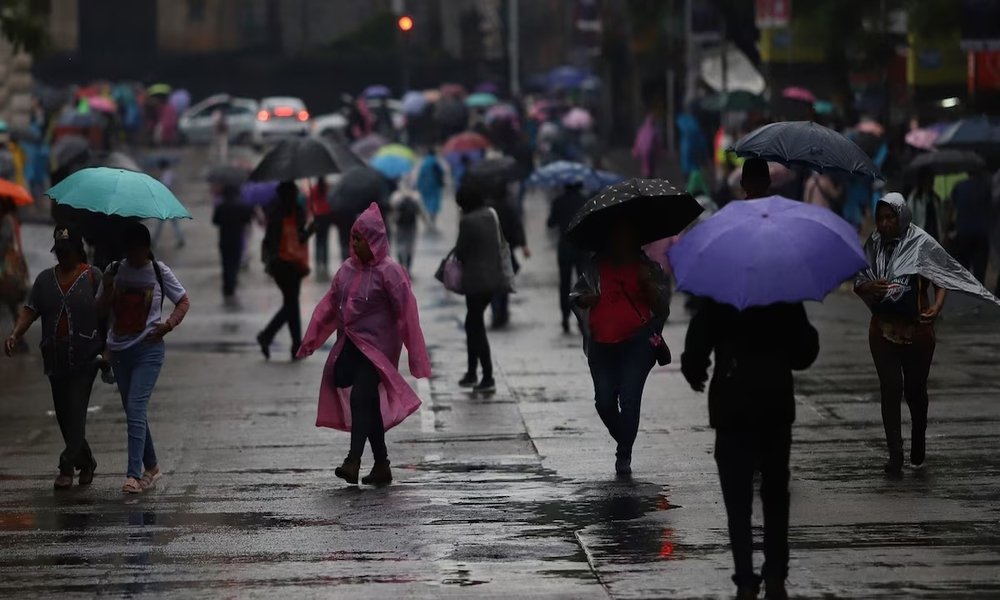
The rainy season in Puno generally extends from November to March .
December and January are usually the months with the most rainfall, with frequent afternoon showers and some short storms.
During these months, roads may be slippery, trails more difficult to travel, and some outdoor activities could be affected.
November
Start of the rainy season.
Frequent afternoon rains, but mornings are usually sunny.
Landscapes begin to turn greener.
December
One of the months with the highest rainfall.
Possible short storms, especially in the afternoon
Ideal for those seeking fewer tourists and greener landscapes.
January
Peak of the rainy season in the region.
Paths and trails may be slippery, affecting some excursions.
Higher water levels in Lake Titicaca, offering views different from the dry season.
Febrary
Rains still frequent, but start to decrease towards the end of the month.
Some festivals and cultural activities continue to take place.
March
End of the rainy season.
Landscapes remain green, but the weather begins to stabilize with less rainfall.
Characteristics of the rainy season
Landscapes become greener and more vibrant, offering spectacular views of fields and mountains.
Fewer tourists, allowing for a more peaceful and authentic experience.
Some local festivals coincide with this season, which can enrich your visit.
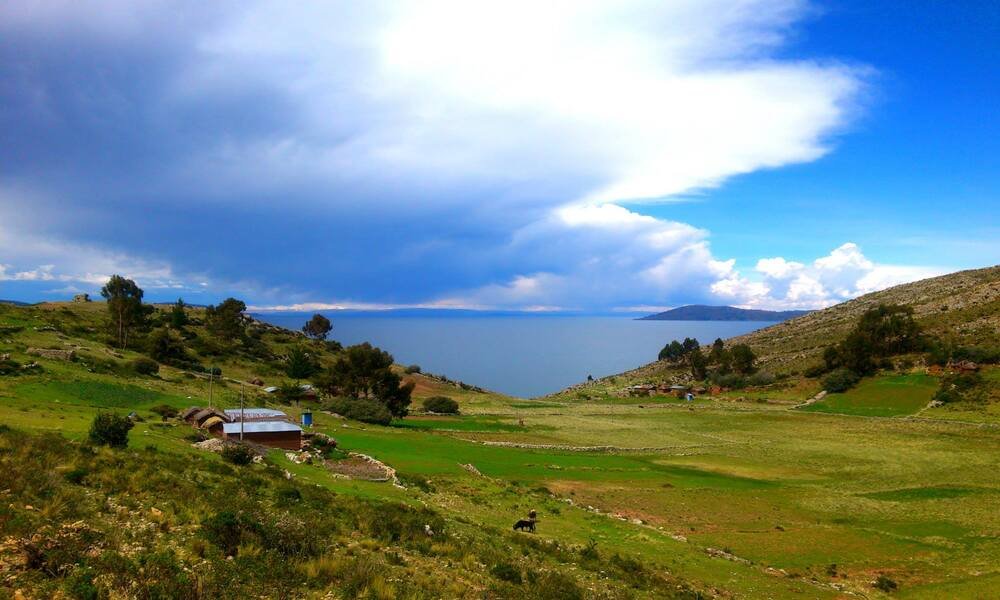
Lake Titicaca’s water level rises, presenting a view different from the dry season.
Impact of rain on activities
Island excursions: Boats may face waves or delays on days of heavy rain.
Trekking and hikes: Trails become slippery; wearing appropriate footwear is recommended.
Photography: Although cloudy days reduce light, the lush vegetation and reflections on the lake create unique landscapes.
Local festivals: Some celebrations coincide with this season, offering the opportunity to experience local traditions.
Tips for traveling during these months
Bring waterproof clothing , an umbrella, and water-resistant footwear.
Prioritize activities in the morning , when rain is less likely .
Maintain flexibility in plans and excursions to adapt to changing weather conditions .
Consider fewer tourists as an advantage: more tranquility and contact with the local culture.