


“Comparison between the 4-day and 5-day Salkantay Trek”
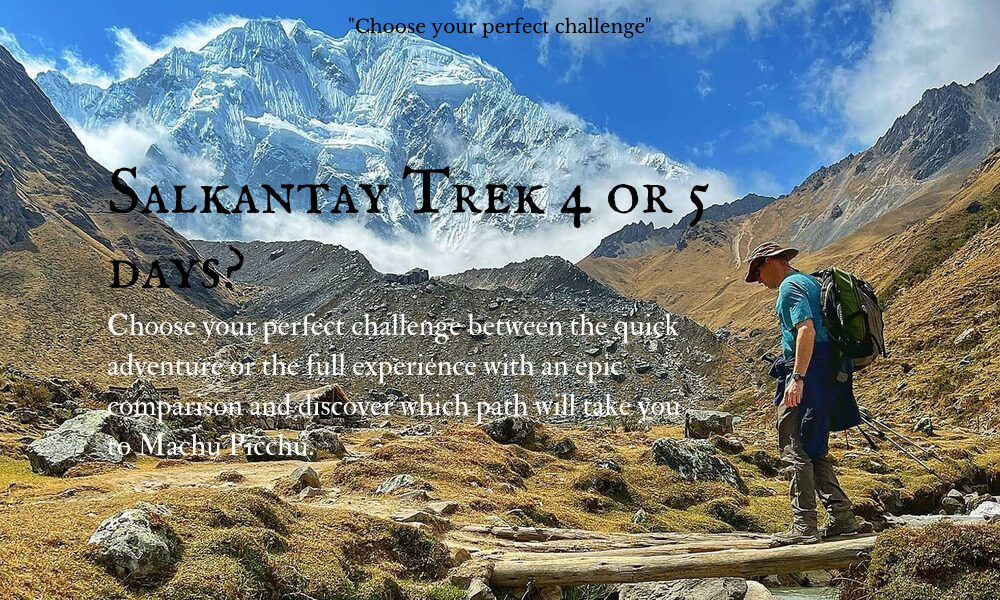
The Salkantay Trek is one of Peru’s most spectacular and challenging trekking routes, offering a unique alternative to the famous Inca Trail. This journey connects the city of Cusco with the majestic Machu Picchu. Along the way, you’ll traverse completely different ecosystems, from cold, arid highlands to lush cloud forests and subtropical valleys. The highest point of the trek is the Salkantay Pass, at 4,630 meters above sea level. From there, you’ll be rewarded with breathtaking views of snow-capped peaks, glaciers, and alpine lakes. What makes this route especially appealing is its combination of wilderness, history, and adventure. It allows travelers to experience a cultural and ecological immersion that few other routes in the world can offer.
Furthermore, unlike the traditional Inca Trail, the Salkantay Trek does not require permits that must be purchased months in advance. This makes it more accessible for those planning their trip at a shorter time. However, it is still highly recommended to book well in advance during peak season. This way, you can secure accommodation and transportation without any hassle.
Salkantay Trek Comparison: 4 days vs 5 days
⓸ ⚔️ ⓹
Overall difficulty
4 days:
This version of the Salkantay Trek is considerably more intense and demanding than the 5-day trek. The days are long, with steep ascents and abrupt descents. These sections test both physical and mental endurance. Each day requires maintaining a steady pace while traversing high-altitude sections, especially the Salkantay Pass at 4,630 meters, where acclimatization is crucial.
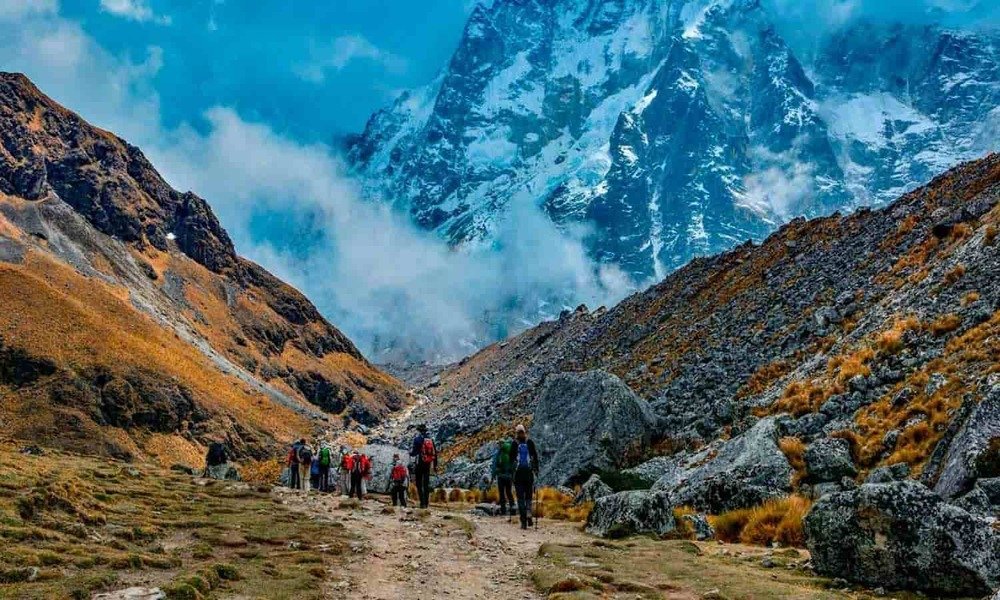
It’s ideal for people with experience in high-altitude trekking. It’s also suitable for those accustomed to hiking long distances with a backpack and who aren’t intimidated by sudden changes in weather or uneven terrain. This version offers a sense of extreme adventure, perfect for those seeking an intense and exciting physical challenge.
5 days:
In comparison, the 5-day version distributes the ascents and descents more evenly. This makes the experience more balanced and manageable. By reducing the daily hiking time, travelers can enjoy the scenery more, observe the local flora and fauna, and have time to interact with the communities along the route.
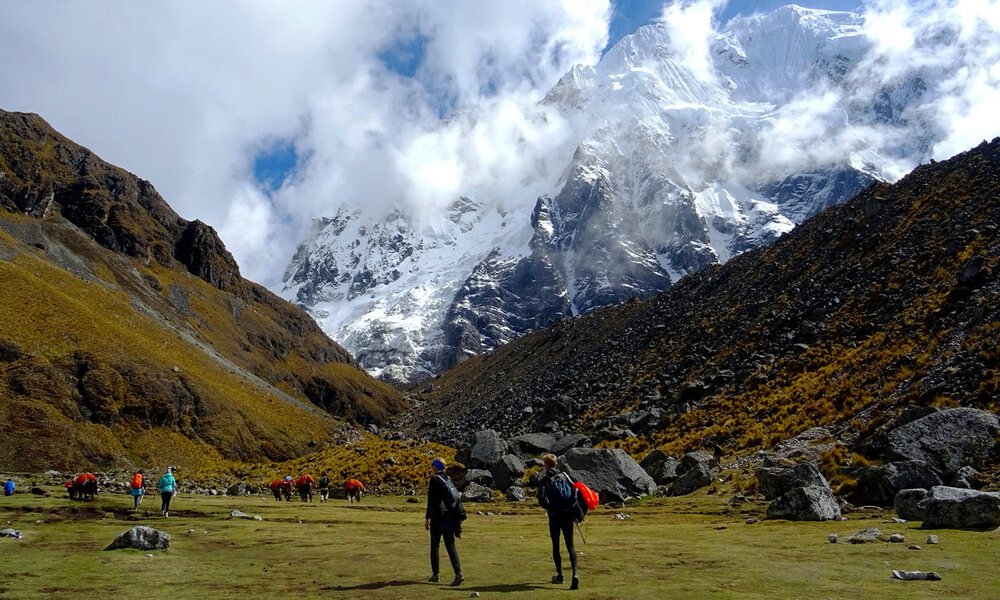
Although it remains a demanding trek due to the altitude and terrain, the risk of extreme exhaustion is reduced. A balance is achieved between physical exertion and scenic enjoyment. This version is ideal for those who wish to combine adventure with comfort and contemplation of the surroundings.
Approximate mileage
4 days: The full trek covers between 65 and 75 km, which means walking long, continuous stretches each day. This translates to longer and more demanding trekking days, with less time for extended breaks. The shorter version concentrates much of the effort into fewer days, which can be physically demanding, but allows you to reach Machu Picchu in less time.
5 days: The trek covers between 70 and 80 km, distributing the distance into shorter, more leisurely stages. This allows you to walk at a comfortable pace, stop to admire the views, and take photographs without feeling pressured to meet a strict schedule. Each day offers a balance between distance and exploration time, making the experience more enjoyable and accessible even for those without much experience in high-altitude trekking.
Campsites and rest ⛺
4 days: Fewer nights camping mean less time to recover after strenuous days. Sleeping at altitude and then facing long hikes can increase accumulated fatigue, making the route harder for those who are not well-trained or fully acclimatized. The shorter version requires endurance and the ability to recover quickly.
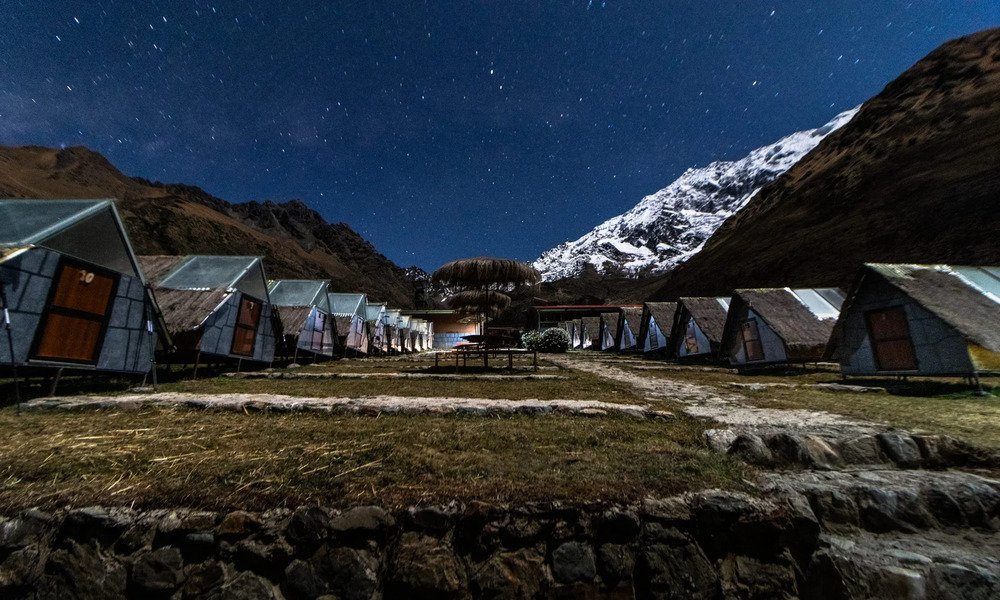
5 Days: With more nights spent camping, this version offers more complete rest between each stage, allowing the body to better adapt to the altitude and recover energy for the more challenging sections. More effective recovery reduces the risk of altitude sickness and excessive fatigue, allowing trekkers to enjoy each stage with greater comfort and safety.
Ecosystems
4 days: During the 4-day trek, you’ll mainly cross high moorlands and forests , with less time to explore the diverse local flora and fauna in detail. Stops are usually brief, and the focus is more on completing the route than observing the natural environment.
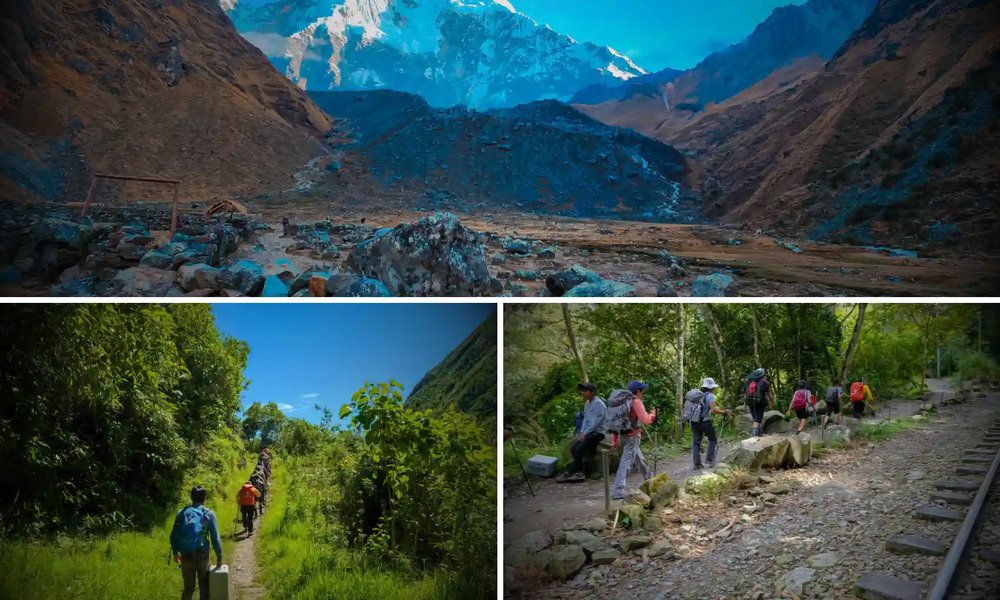
5 Days: The 5-day version allows you to appreciate more varied ecosystems: from the glaciers and alpine lakes near the Salkantay Pass, to cloud forests and subtropical zones on the descent towards Aguas Calientes. This offers unique opportunities to observe birds, orchids, and the rich vegetation of the valley. In addition, trekkers have more time to connect with nature and enjoy the contrasting landscapes that make the Salkantay trek unique in the world.
Trekking pace
4 days: Days typically last between 6 and 10 hours, with demanding sections that require maintaining a steady pace for extended periods. This makes the experience physically demanding and can be challenging for those without experience in prolonged high-altitude hikes.
5 days: Daily stages are reduced to between 5 and 8 hours, allowing for a more leisurely pace and time to rest, take photos, or explore small communities along the way. This makes the experience more relaxed and enjoyable, ideal for those who want to combine trekking with contemplating the surroundings and photography.
Landscapes / extras
4 days: The shorter version allows you to enjoy the main landscapes and most iconic sections of the trek, such as the Salkantay Pass and the surrounding valleys. However, due to the demanding pace, time for additional stops or exploring cultural and scenic sites is limited.
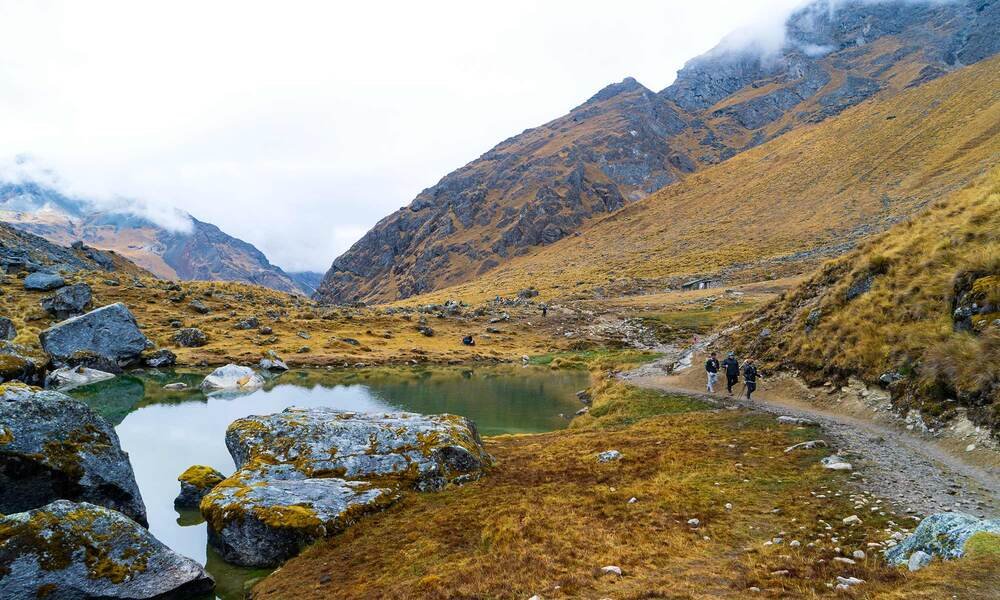
5 days: This version offers the opportunity to visit ruins like Llactapata, explore hot springs near Santa Teresa, and make scenic stops to enjoy unique views. The experience is more complete, with more opportunities for photography and connecting with nature and local culture, making the trek memorable beyond the physical challenge.
Recommended for
4 days: For people with high physical endurance, accustomed to walking long distances with a backpack, and who have limited time. Ideal for those seeking an intense and challenging trek, where adrenaline and a sense of accomplishment are priorities.
5 days: For travelers who want to enjoy trekking, relax, take photos, and explore nature and local culture at a more leisurely pace. It’s suitable for those who want to balance adventure with contemplating the surroundings and prefer a more relaxed rhythm that allows them to connect with each stage of the journey.
Itineraries and Key Differences
Salkantay Trek 4 days
⓸
The 4-day version is designed for travelers seeking an intense, dynamic, and challenging trek. The days are long and test both physical endurance and altitude acclimatization. Each day represents a significant leg, with steep ascents and demanding descents.
Good physical fitness and prior experience in high-altitude trekking are recommended. This version concentrates the effort, allowing you to complete the route more quickly. However, it demands determination, discipline, and mental fortitude, as there is little room for extended breaks or gradual acclimatization to the altitude.
Typical 4-day itinerary
- Day 1 – Cusco → Soraypampa
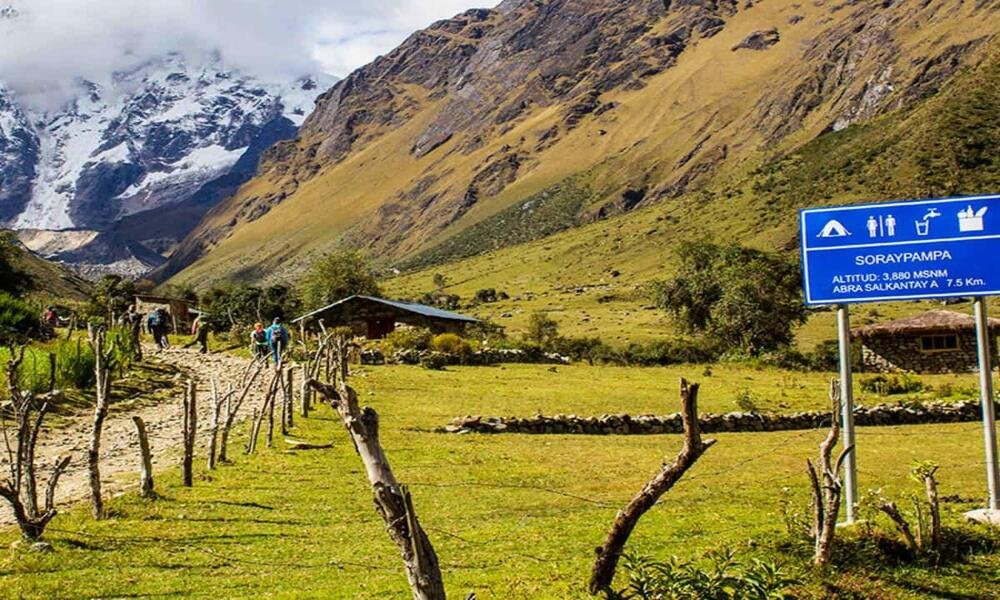
Transfer from Cusco to the trek’s starting point. The initial hike is moderate, gently ascending to the base camp at Soraypampa. This stage allows you to begin acclimatizing to the altitude and enjoy spectacular views of nearby snow-capped mountains. The camp is surrounded by glaciers and lagoons, offering a stunning backdrop for the first few days.
- Day 2 – Soraypampa → Step Jump → Descent
This is the most challenging stage of the entire trek. You ascend to the Salkantay Pass, at 4,630 m, traversing rocky terrain exposed to the cold high-mountain winds. The views are breathtaking, with glaciers and alpine lakes that make the effort worthwhile. After reaching the pass, a steep descent begins towards the camp at Chaullay, crossing valleys and rivers as the ecosystem changes from high-altitude grassland to cloud forest.
- Day 3 – Chaullay → Lucmbamba
A longer but gentler stage than the previous one, crossing cloud forests, coffee plantations, and small Andean villages. During the hike, you can interact with local communities, observe endemic birds and flowers, and enjoy a landscape that blends nature and culture.
- Day 4 – Lucmbamba → Hydroelectric Plant → Aguas Calientes → Machu Picchu
The final leg begins with a hike to the hydroelectric plant, following the Vilcanota River. From there, you can choose to continue hiking or take a train to Aguas Calientes. The afternoon is dedicated to resting in preparation for visiting Machu Picchu early the next morning, thus completing the experience of reaching the Inca citadel after a challenging but extremely rewarding trek.
Salkantay Trek 5 days
⓹
The 5-day version offers a more relaxed, scenic, and contemplative experience, allowing you to enjoy each leg of the journey at a leisurely pace and dedicate more time to observing the landscapes, biodiversity, and local culture. This option is ideal for those who want to balance adventure and enjoyment, avoiding excessively long days and reducing accumulated fatigue.
Typical 5-day itinerary
-
Day 1 – Cusco → Soraypampa
The start of the trek is similar to the 4-day version, but the hike is shorter. There is extra time to acclimatize and explore the area near the campsite. This allows the body to gradually adjust to the altitude, reducing the risk of altitude sickness. The scenery at this stage includes views of mountains and lakes near the campsite.
-
Day 2 – Soraypampa → Passage Jump → Descent to Colpapampa
The trek ascends to Salkantay Pass, the highest point of the route. The pace is more relaxed than on the 4-day version, helping to manage fatigue. The descent to Colpapampa Camp is also more leisurely, allowing for a longer rest and effective recovery before continuing. This stage combines views of glaciers, alpine lakes, and high-altitude páramo landscapes.
-
Day 3 – Colpapampa → Chaullay
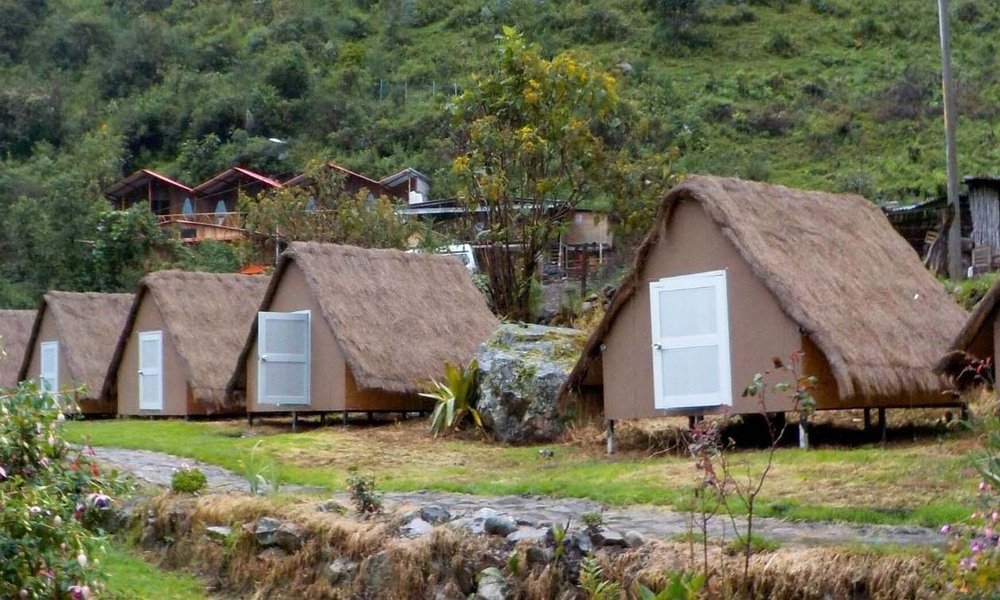
Today’s hike is shorter and more gradual, winding through cloud forests and small villages. Trekkers have the opportunity to interact with the local people, observe birds, and enjoy the endemic flora. There’s also ample time to take photographs and appreciate the scenery without the pressure of time, making this stage more relaxed and contemplative.
-
Day 4 – Fishing → Lucmabamba → Llactapata → Hydroelectric Power Plant
This stage combines nature and culture. You’ll visit the Llactapata ruins, from where you’ll get your first partial view of Machu Picchu. The descent to the hydroelectric plant is gentle, passing through coffee plantations, rivers, and lush green areas. There are scenic stops along the way to rest and capture memorable photos. This stage allows you to appreciate the contrasting landscapes and the rich cultural heritage of the region.
-
Day 5 – Hydroelectric Plant → Aguas Calientes → Machu Picchu
The final day arrives in Aguas Calientes, where you can stroll through the town before visiting Machu Picchu. This leg of the journey allows ample time and energy to explore the Inca citadel at a leisurely pace. The experience is more relaxed, enabling you to enjoy both the trek and the archaeological wonder at your own pace.
Compared difficulty
🆚
Both routes reach significant altitudes, so altitude sickness is a factor to seriously consider. The 4-day version concentrates the longest and most demanding stages into a shorter time, making it more physically demanding and requiring prior preparation. The 5-day version, on the other hand, allows for a more gradual progression, reducing the impact of the altitude and providing time to adapt to each level of the ecosystem.
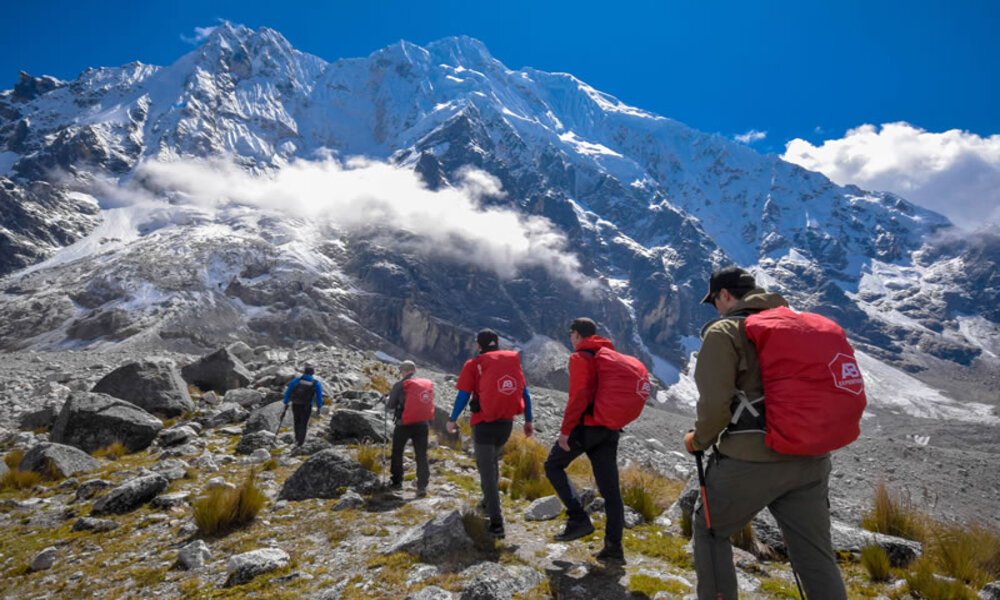
The trekking experience depends not only on physical strength, but also on mental resilience, the ability to handle sudden changes in weather, and the ability to enjoy the surroundings while overcoming the challenges of the terrain.
Personal considerations
If you have little time and are resilient
The 4-day version is perfect if you want to complete the route quickly and intensely, ideal for those who enjoy a tough physical challenge and aren’t bothered by long days. It’s recommended for travelers who already have experience in trekking or mountaineering and are looking for a condensed itinerary that combines adventure and adrenaline.
If you want to enjoy the scenery and culture
The 5-day version is best suited for those who want to savor every moment, explore cloud forests, discover small villages, and enjoy the scenery and history along the way without the pressure of time. It’s also safer for those without prior experience in high-altitude trekking, offering more manageable days and time to acclimatize.
Practical tips BEFORE deciding
Acclimatization: Spending at least 2–3 days in Cusco or the Sacred Valley before the trek is essential to minimize the risks of altitude sickness.
Training: Practicing long walks with a backpack, strengthening legs and joints, and cardiovascular exercises better prepares the body for prolonged ascents and descents.
Essential equipment: Trekking poles, thermal clothing, waterproof clothing, comfortable and waterproof boots, sunscreen, sunglasses, and energy snacks.
Conclusion: Which is better?
The choice between 4 or 5 days depends on your priorities:
5 days: Maximum enjoyment, proper acclimatization, and complete exploration of Salkantay. Ideal if you want to combine adventure with comfort and spectacular photos.
4 days: maximum intensity, fast pace, and condensed adventure. Ideal if your time is limited and you’re physically prepared.
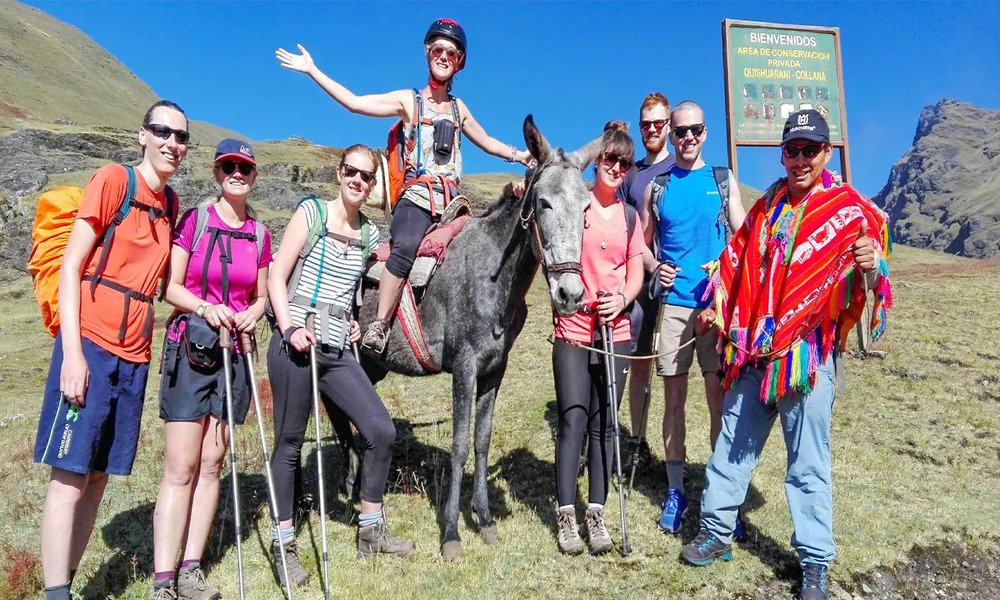
In short, both options are spectacular, but the experience changes depending on your travel style: intensity and challenge versus enjoyment and contemplation of the landscape.