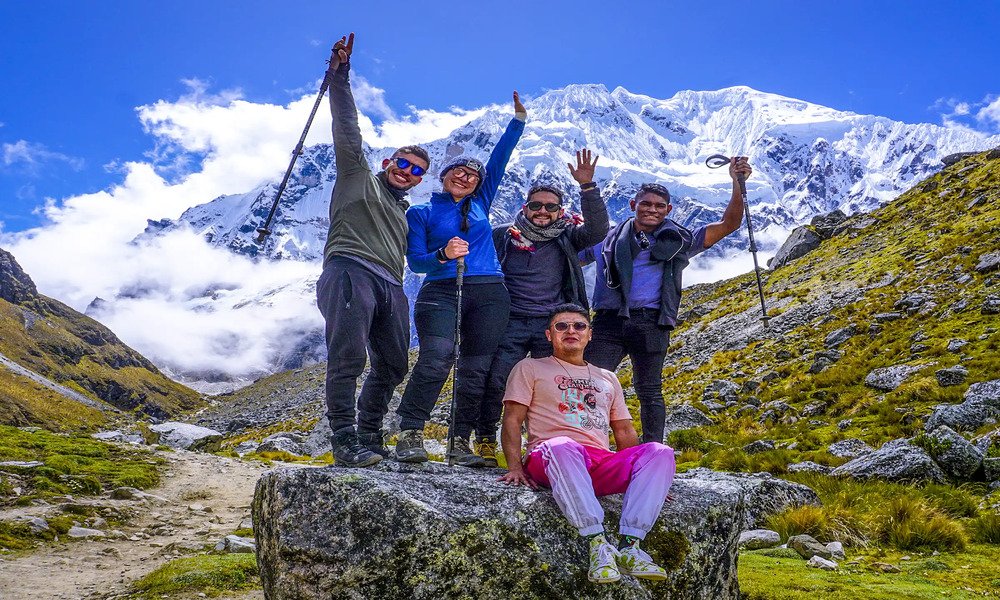
Maximum altitude of the Salkantay Trek and effects of altitude sickness
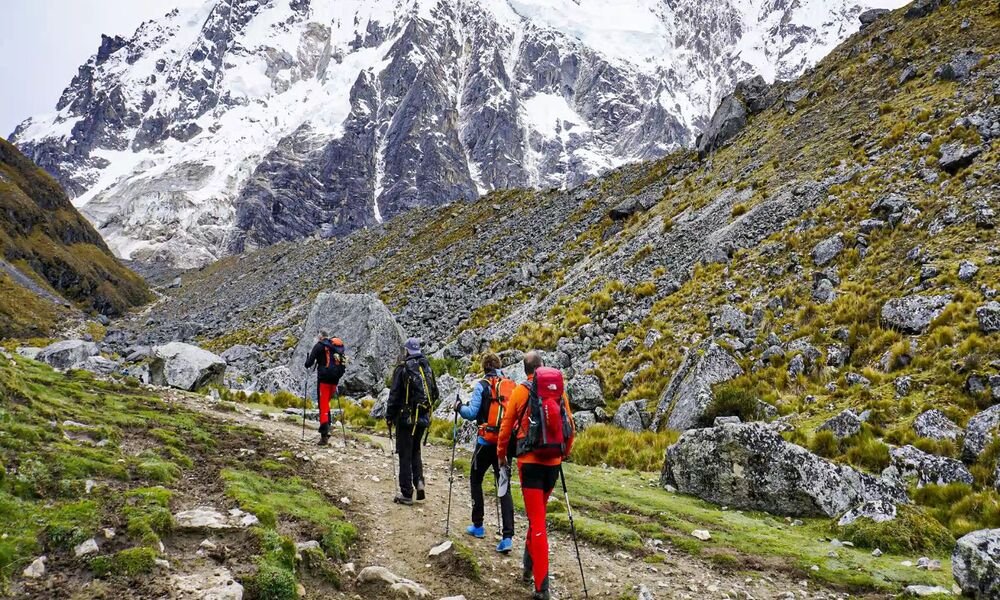
The Salkantay Trek is not just a trail; it’s a true journey. It traverses some of the most dramatic and spectacular landscapes in the Peruvian Andes. From snow-capped peaks to verdant valleys and lush rainforests, each stage of the trek offers a visual and sensory contrast that leaves a lasting impression on travelers. However, what truly tests adventurers is the altitude. The route reaches its highest point at the Salkantay Pass, at approximately 4,630 meters above sea level. This makes the trek a considerable physical and mental challenge. At this point, the majesty of the mountains combines with the thin atmosphere. The air is colder, the wind blows fiercely, and the lack of oxygen is noticeable with every breath.
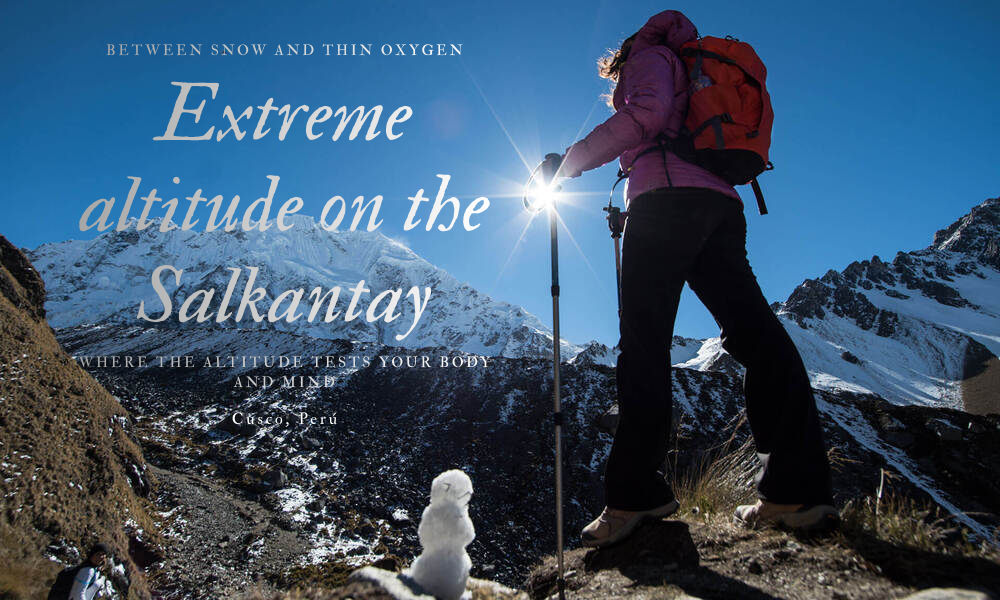
To put it in perspective, at this altitude the air contains almost 40–45% less oxygen than at sea level. This means that every step requires more effort. Your breathing quickens, and your muscles work harder to compensate for the reduced oxygen availability. It’s a challenge that affects both beginners and experts. Even hikers in excellent physical condition can feel the effects if they don’t acclimatize properly. Compared to other sections of the trek, the difference is striking. While Cusco is at around 3,400 m, and Soraypampa —the first campsite—at 3,880 m, reaching the Salkantay Pass represents a significant altitude gain in a single day. This ascent demands prior preparation, a sound strategy, and, above all, respect for the mountain.
Why is this altitude so challenging?
What is altitude sickness and why does it occur?
Altitude sickness, also known as soroche, is the body’s natural response to the lower oxygen pressure experienced at high altitudes. When you ascend rapidly, your body doesn’t have time to adapt to the decreased oxygen, and symptoms begin to appear. Physiologically, this means your body has to work harder: your lungs must extract more oxygen from the air, your heart pumps faster, and your brain receives less oxygen than it needs to function optimally.
Symptoms can range from mild to severe and depend on the rate of ascent, the altitude reached, and individual predisposition. Even someone in excellent physical condition can experience dizziness or fatigue if they ascend too quickly. Therefore, acclimatization is essential: spending a few days in Cusco before the trek allows your body to adjust gradually, reducing the risk of complications. Understanding how your body reacts at altitude allows you to make smart decisions during the trek, such as adjusting your pace, staying properly hydrated, and listening to your body’s signals.
Symptoms of altitude sickness (from mild to dangerous)
The effects of altitude sickness, also known as acute mountain sickness (AMS), occur when the body fails to adapt quickly enough to the reduced oxygen availability at higher altitudes. The risk increases above 2,500 meters above sea level, and in places like La Paz or Cusco, it is common for travelers to experience some degree of symptoms during the first few days. The severity depends on factors such as the rate of ascent, the altitude reached, the level of physical exertion, and each person’s individual condition.
The initial symptoms may seem like simple discomforts similar to a mild flu or a hangover, leading many to underestimate them. However, ignoring them can lead to serious complications, especially if you continue ascending without allowing your body to acclimatize. Understanding the progression of symptoms is key to acting in time.
Mild
In its mild form, altitude sickness manifests as a throbbing headache (especially in the forehead or back of the head), unusual fatigue, a feeling of weakness, loss of appetite, mild nausea, slight insomnia, and occasional dizziness. Some people also experience slight swelling in their hands, feet, or face due to fluid retention.
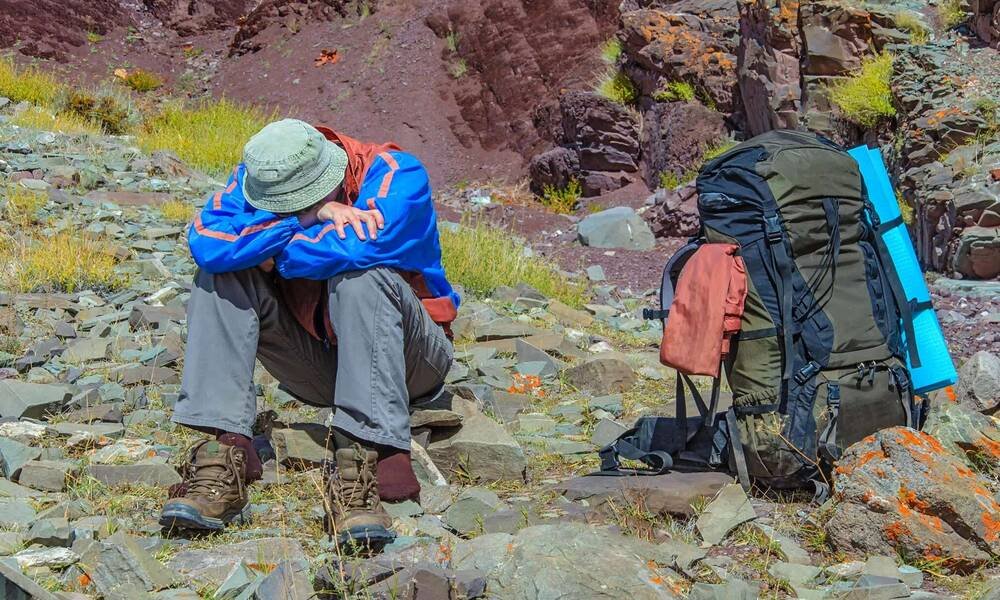
These symptoms usually appear between 6 and 24 hours after reaching a higher altitude and may worsen overnight. Although uncomfortable, they generally improve within one or two days if the person rests, stays well hydrated, avoids alcohol, and reduces strenuous physical activity. At this stage, the body begins to adapt by increasing the respiratory rate and producing more red blood cells to carry oxygen.
Moderate
At the moderate level, symptoms intensify and become more debilitating. Headaches are persistent and do not easily relieved by common painkillers. More intense nausea or vomiting may occur, along with shortness of breath even at rest, increased chest tightness, and noticeable unsteadiness when walking, as if the person were disoriented or losing their balance.
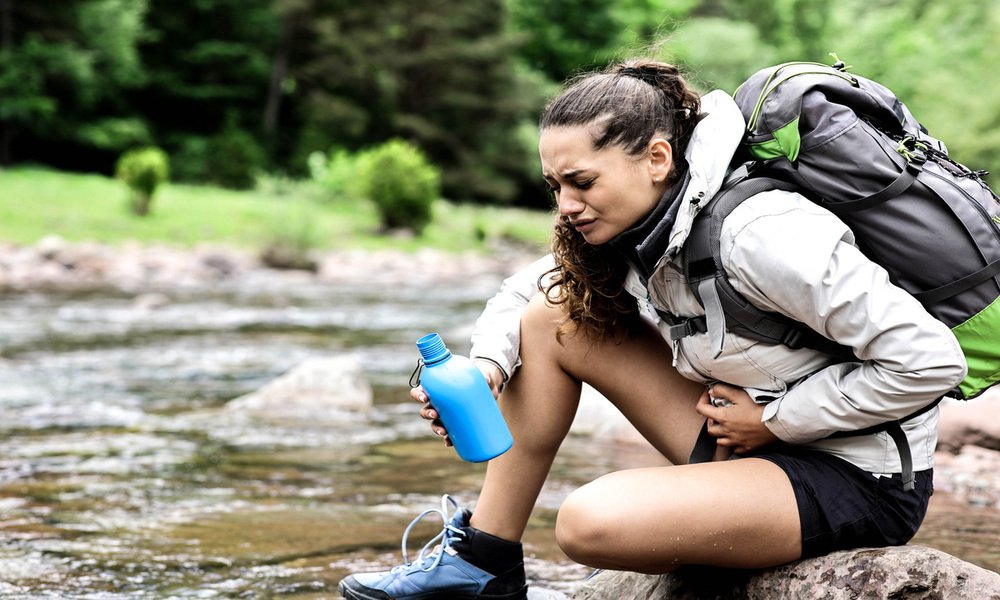
There may also be increased irritability, difficulty concentrating, and more pronounced sleep disturbances. At this point, the body is showing clear signs that it is not adapting properly. Acclimatization and constant monitoring are crucial: it is recommended to stop the ascent, rest for one or more days at the same altitude, and, if symptoms do not improve, descend at least 300 to 1,000 meters. Continuing to climb in this condition significantly increases the risk of serious complications.
Severe (urgent!)
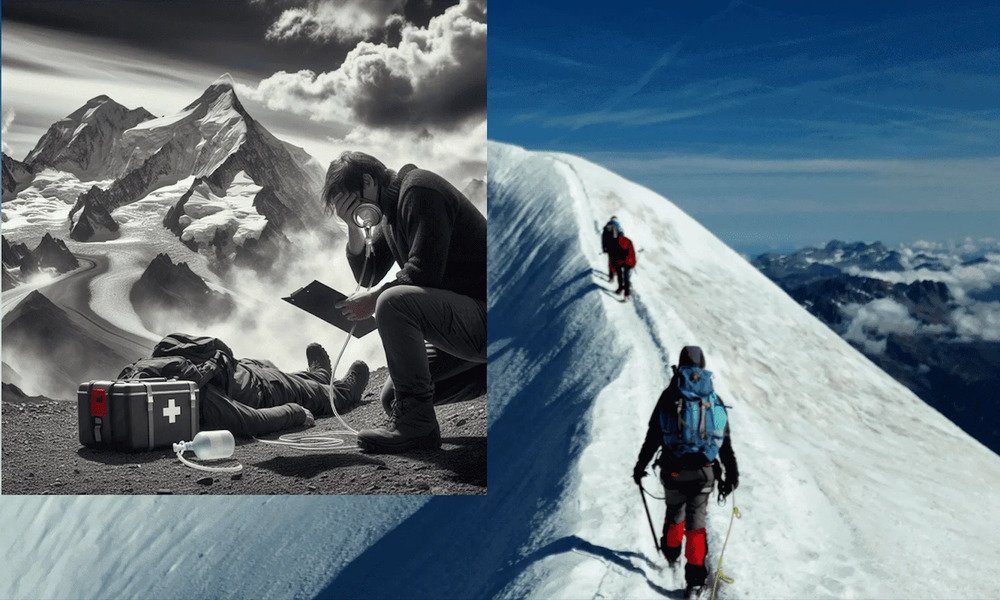
The severe phase is a medical emergency and can progress to two life-threatening complications: high-altitude cerebral edema and high-altitude pulmonary edema. At this stage, symptoms include marked mental confusion, bizarre behavior, difficulty coordinating simple movements (such as walking in a straight line), extreme difficulty breathing, a persistent cough that may produce pink froth, strong palpitations, and bluish discoloration of the lips or fingers (cyanosis), a sign of critical oxygen deprivation.
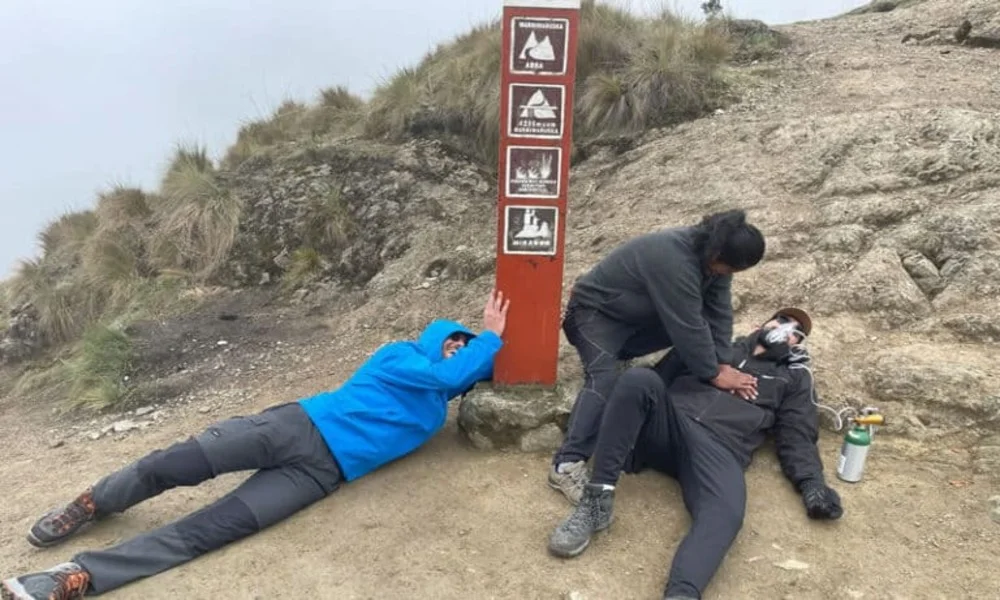
The person may appear drowsy, disoriented, or unable to recognize their surroundings, indicating neurological impairment. The risk to life is real and immediate. The only safe course of action is to descend without delay to a lower altitude and seek urgent medical assistance. In some cases, it may be necessary to administer supplemental oxygen or use portable hyperbaric chambers during the descent.
Prevention remains the most effective tool: ascend gradually, allow for acclimatization days, and listen to your body’s signals. There’s no way to force your body to adapt faster by ignoring the symptoms. Recognizing them early can make the difference between a safe mountain experience and a high-risk situation.
Tips for preventing altitude sickness on Salkantay
Properly preparing for altitude can make the difference between a memorable hike and an unpleasant experience. Here are some essential strategies:
Acclimate before you begin: Spending 2-3 days in Cusco allows your body to start producing more red blood cells, which facilitates oxygen circulation. This can be the difference between enjoying the scenery and constantly battling discomfort.
Stay hydrated: Drinking water helps maintain blood pressure and respiratory efficiency. Avoiding dehydration is crucial, as it can intensify altitude sickness symptoms.
Avoid alcohol and heavy meals at the beginning: Alcohol and fatty foods increase the body’s workload and can worsen fatigue and altitude sickness. Eating light and nutritious food helps maintain energy and well-being.
Walk slowly and listen to your body: More than speed, a steady, unhurried pace is key. Breathing deeply and taking short breaks helps oxygenate your muscles and brain, preventing unnecessary strain.
Local remedies and preventative medicine: Coca leaves, coca tea, and, under medical supervision, medications like Diamox can help prevent or relieve mild symptoms. In addition, many local communities offer traditional remedies that have been used by travelers for centuries.
In summary
The Salkantay Trek is much more than a trail: it’s a transformative personal experience that combines physical challenge, cultural discovery, and extraordinary landscapes. Reaching its highest point at the Salkantay Pass (approximately 4,630 m), it presents a challenge where preparation, acclimatization, and awareness of altitude sickness symptoms are essential. If the proper recommendations are followed, this trek can become one of the most rewarding experiences of your life, offering unforgettable memories and a unique connection to the majesty of the Andes.