


“Complete Packing List for the Salkantay Trek”
The Salkantay Trek is one of the most popular and challenging routes to Machu Picchu, and it’s easy to see why. It’s also one of the most spectacular hikes in the world. This trek offers a unique experience as you traverse a landscape as diverse as it is breathtaking. As you make your way along the trail, you’ll pass through lush tropical valleys. There you’ll find vibrant vegetation and a warm climate. Then you’ll ascend to the extreme altitudes of the Andes Mountains. In these areas, snow and icy winds are constant.
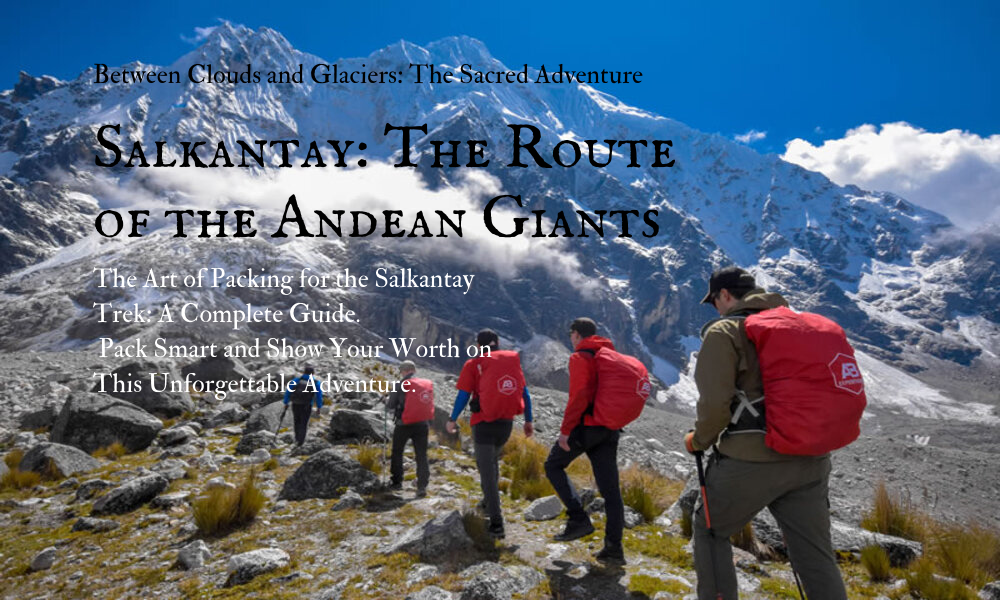
This climatic and geographical transition adds an extra layer of complexity to the trek. Therefore, thorough preparation is essential, not only physically but also in terms of equipment. From the very first hours of the trek, temperatures can drop below freezing in the higher elevations. Conversely, in the lower areas, the climate is warm and humid. During the day, temperatures can even exceed 25°C (77°F). Since the Salkantay Trek is a multi-day hike, typically lasting 5 to 7 days depending on the itinerary, it is crucial to have the right gear. Planning makes all the difference between a demanding experience and a truly enjoyable one.
Despite the challenging route, with the right equipment you can enjoy the experience safely and comfortably. This will allow you to fully appreciate the majesty of the mountains. In this guide, I provide a detailed list of everything you need to pack in your backpack to take on this challenge. You’ll also find some helpful tips to make your adventure even more memorable.
Backpack (40-50L): Your Adventure Companion
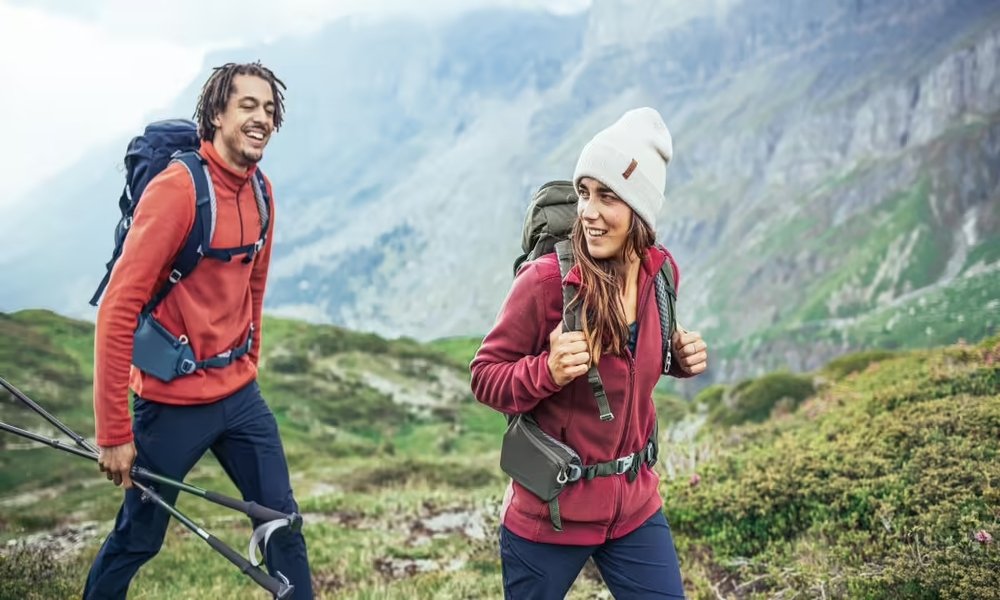
Clothing Suitable for Mountain Climates: Layers and Protection for All Weathers
Base Layer:
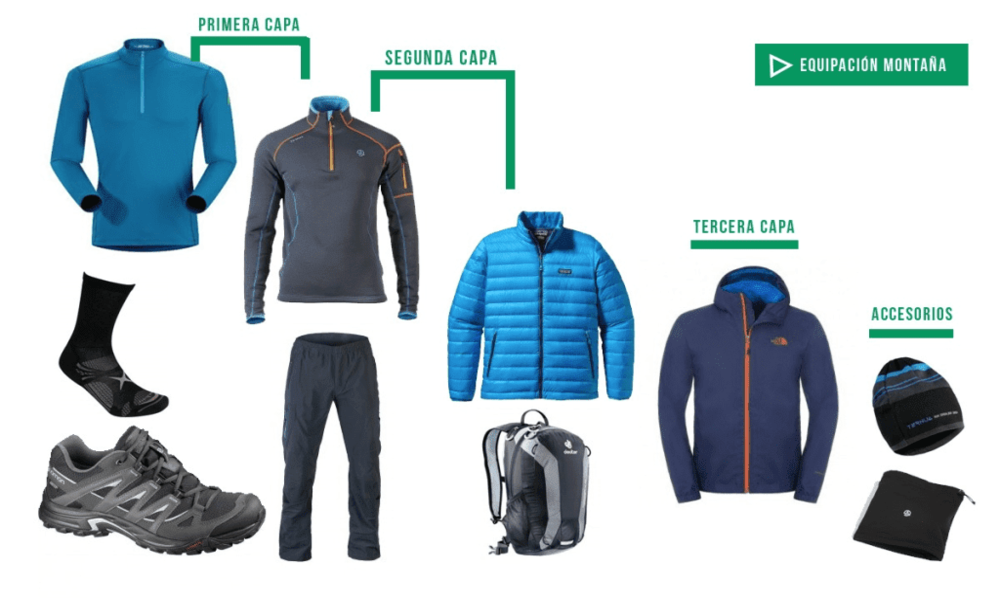
The base layer, which is in direct contact with your skin, should be lightweight and breathable. It should also wick away sweat efficiently to prevent moisture from chilling you. It’s important that it keeps your skin as dry as possible during your hike.
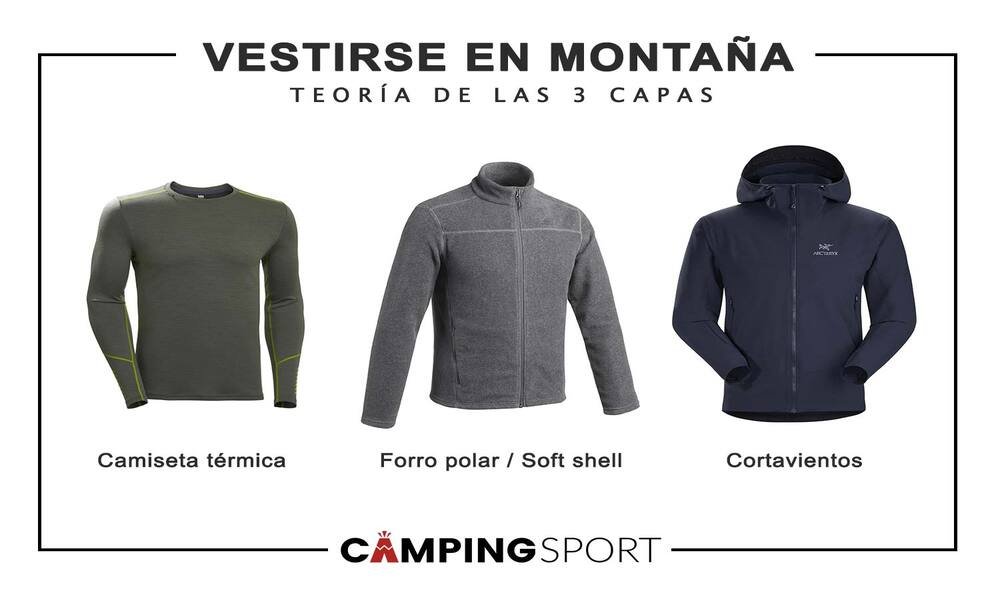
Avoid cotton T-shirts, as they retain moisture and take a long time to dry. This can make you uncomfortable and even make you feel colder. Instead, opt for short- and long-sleeved T-shirts made from technical materials, such as polyester or merino wool. These fabrics dry quickly and help regulate body temperature.
It’s also advisable to wear thermal underwear, including both pants and long-sleeved shirts. This will be especially useful during the early hours of the day and on cold nights, when temperatures drop considerably.
Mid Layer:
Outer Layer:
Your outer layer is your barrier against the elements. Make sure you pack a waterproof jacket to protect you from the rain and wind, which are common on the trail, especially between November and March (the rainy season). This jacket should be lightweight, water-resistant, and have a hood to protect your head. Waterproof trekking pants are also essential. In many sections, the terrain may be wet, snowy, or rocky, so these pants will not only protect you from the rain but also provide comfort and freedom of movement.
Key Accessories:
Don’t forget the essential accessories: a wool hat or thermal material to protect your head and ears from low nighttime temperatures, and thermal gloves to keep your hands warm when temperatures drop.
Trekking Footwear: Support and Comfort for Demanding Terrain
👟
Footwear is one of the most crucial aspects of any trek, and the Salkantay Trek is no exception. The terrain is varied and often slippery, rocky, and steep, requiring high-quality, supportive footwear.
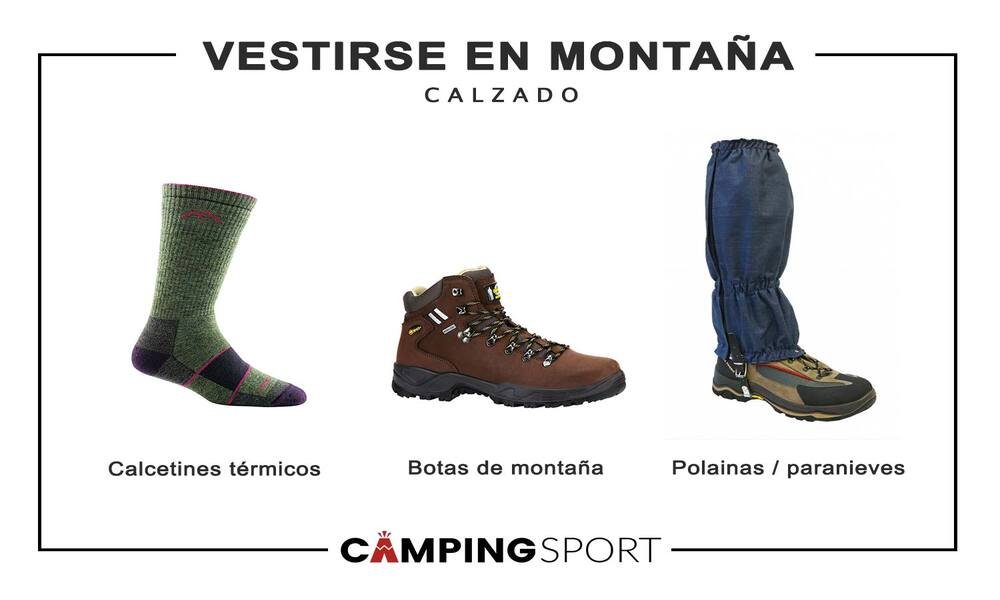
Waterproof trekking boots: Your boots should be comfortable, durable, and have a high shaft to provide good ankle support. Also, make sure they are waterproof to protect your feet from rain, mud, and any streams you might cross. Boots with a non-slip sole will help you maintain your balance on slippery or rocky terrain, especially on steep descents.
Lightweight shoes or sandals: Be sure to pack a pair of comfortable shoes or sandals to relax in after a day of hiking. These will be perfect for wearing at campsites at the end of the day, allowing your feet to breathe and relax.
Technical socks: Technical socks are a smart investment for preventing blisters and keeping your feet dry. Opt for merino wool or synthetic materials, as they are more efficient than cotton at managing moisture. Carry several pairs so you can change if they get wet.
Personal Hygiene Items: Stay Comfortable and Hygienic in the Mountains
Even though you’ll be out in nature, maintaining basic hygiene is essential for your physical and mental well-being. The dry air of the high mountains and long days of hiking can cause sweat and dust to accumulate quickly, so it’s important to bring the right items to keep yourself clean and comfortable.
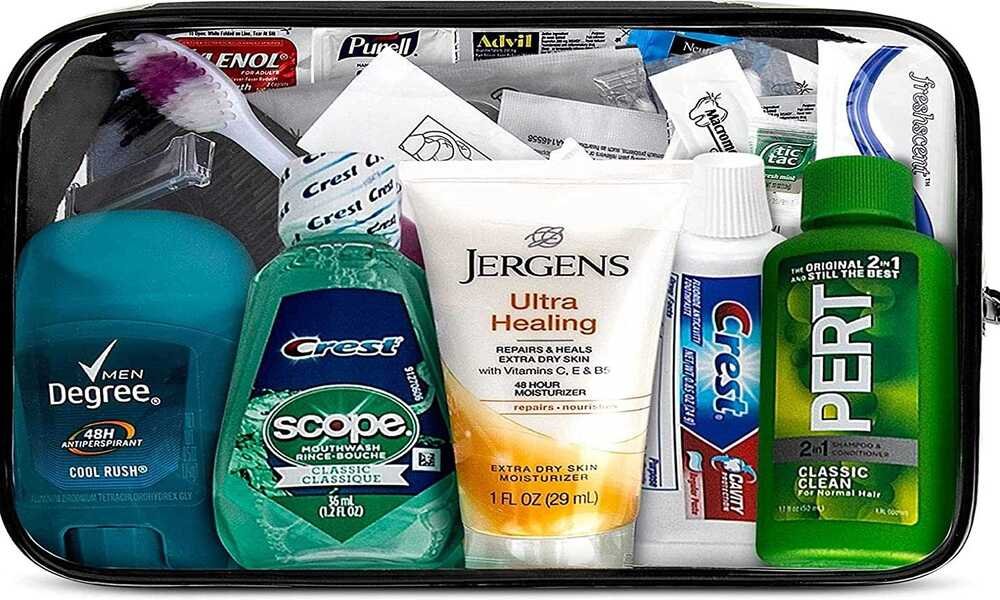
Biodegradable toothbrush and toothpaste: Eco- friendly products are key in a natural environment. Make sure you carry biodegradable toothpaste and a toothbrush to avoid polluting water sources.
Biodegradable soap: In some camps you can shower, but keep in mind that you must use biodegradable soap. In addition to being environmentally friendly, it will help you stay clean and fresh.
Small Microfiber Towel: The microfiber towel is lightweight and dries quickly, making it perfect for trekking conditions.
Sunscreen and lip balm: Altitude and proximity to the sun can cause rapid sunburn, so you should apply a high protection sunscreen (SPF 50 or more) and carry a lip balm to prevent your lips from drying out and cracking.
Other Essential Items for Trekking
Trekking Poles: The Extra Support You Need
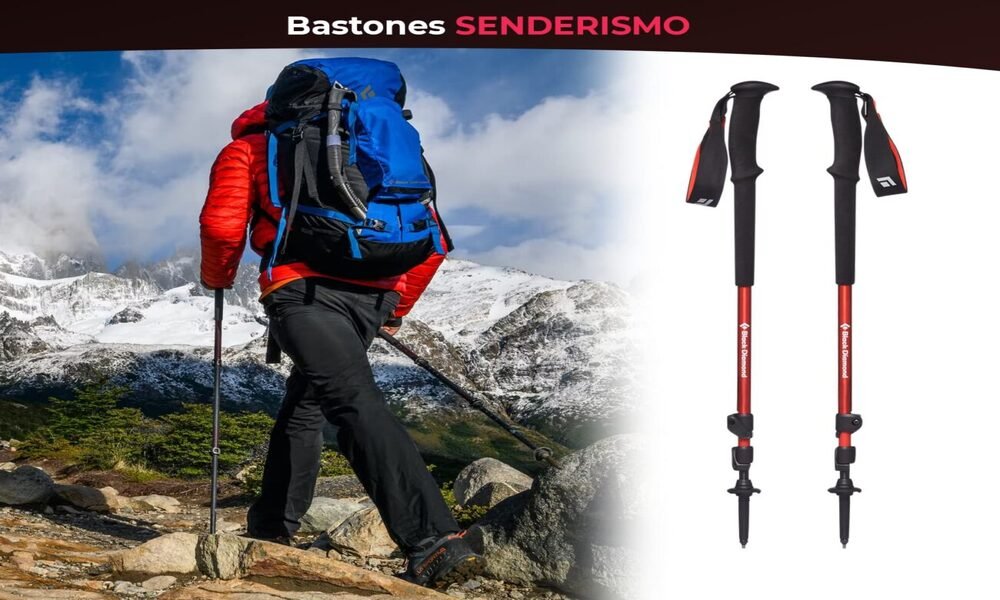
While not essential, trekking poles can be an incredibly useful tool for improving your balance and stability, especially on the steeper and more slippery sections of the trek. This type of terrain is quite common on the Salkantay Trek, where you’ll face long, demanding descents, as well as parts of the route covered in mud, snow, or loose rocks.
Key Benefits:
- Trekking poles reduce the impact on the knees, which is especially important during the long descents that are common on this route.
- They provide an additional point of support, which can be very helpful if the terrain is unstable or if you are walking in light rain.
- They increase your confidence while walking, allowing you to move forward more safely on technical and steep routes.
If you decide to use trekking poles, make sure you choose an adjustable and lightweight model, preferably made of aluminum or carbon fiber. Folding models are easy to carry and take up little space when not in use.
Hydration System or Water Bottles: Stay Hydrated at All Times
On a demanding trek like the Salkantay, staying well-hydrated is essential. High altitudes and long hikes can cause you to lose fluids quickly, even without realizing it. Dehydration can lead to premature fatigue and impair your performance.
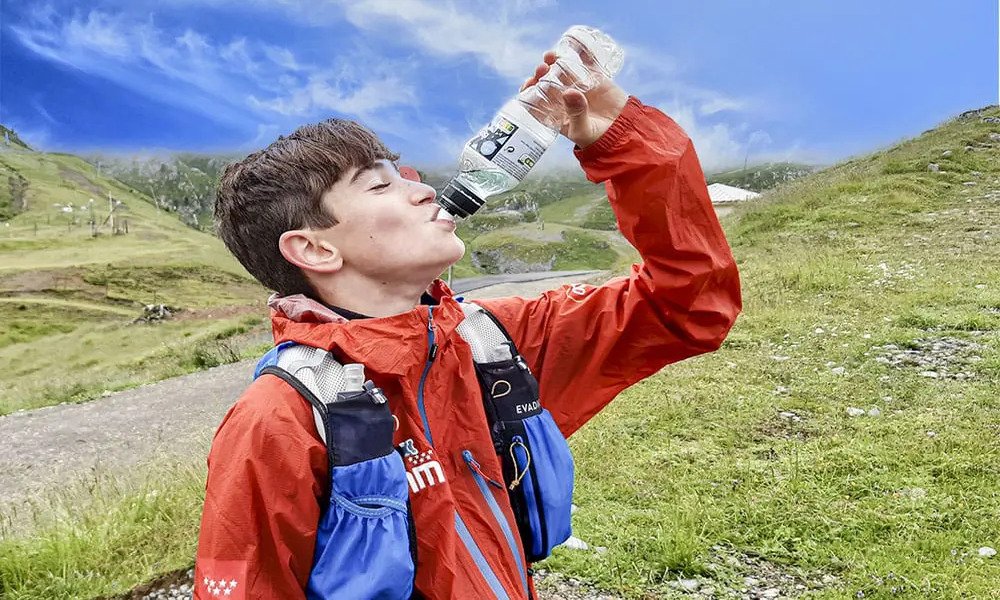
Hydration System: A Camelbak or any bladder-type hydration system with a hose is ideal for drinking while hiking without having to stop. These systems are comfortable and allow you to take small, constant sips during your hike.
Reusable Bottles: If you prefer traditional bottles, opt for a reusable water bottle that is lightweight, durable, and has enough capacity to keep you hydrated throughout the day. Some people prefer stainless steel bottles because they keep water cold longer and are more environmentally friendly.
Remember that, at some points along the route, there won’t always be sources of drinking water nearby. Therefore, it’s essential that you carry enough water for the entire day and use water purification tablets or a water filter to ensure that the water you consume is safe, especially if you choose to use natural water sources.
Energy Snacks: Keep Your Energy High All Day Long
The Salkantay trek can be very demanding, and you’ll need constant energy to maintain a good pace during the long days. Although meals are provided at the camps, bringing your own energy snacks is an excellent idea to replenish your energy along the way and avoid feeling exhausted prematurely.
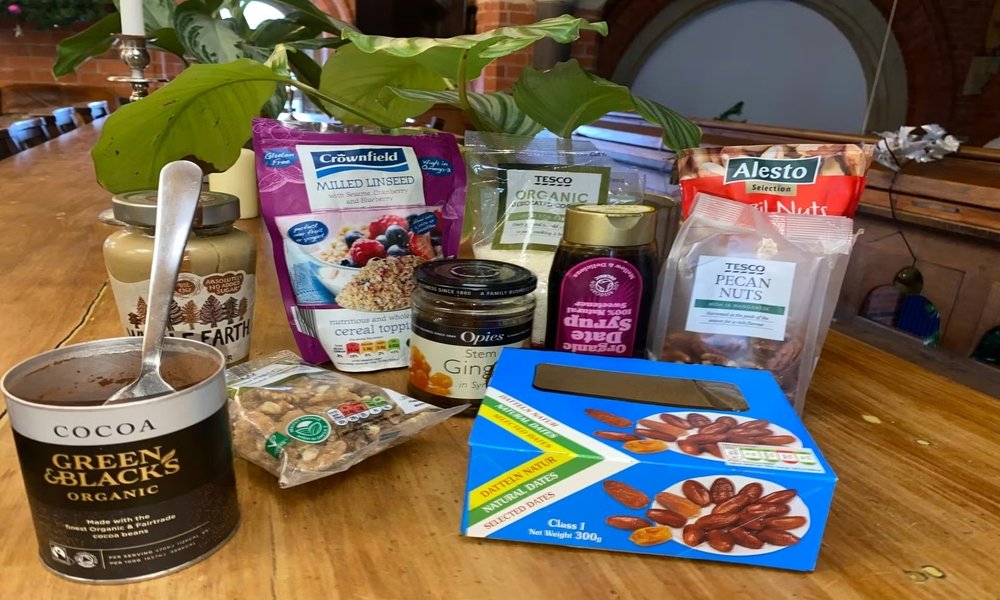
Energy bars: Granola, protein, or nut bars are perfect for trekking because they’re easy to carry, don’t fall apart, and give you a quick energy boost. They also usually contain a good mix of carbohydrates, protein, and healthy fats, which is key to replenishing your energy stores.
Nuts and seeds: Walnuts, almonds, peanuts, raisins, and seeds are excellent choices. They are light, nutritious, and high in calories, which is perfect for maintaining your energy during hikes.
Chocolate: A little dark or milk chocolate can be the sweet touch you need to feel refreshed. It also provides quick energy thanks to its sugar content, and is an excellent source of antioxidants.
Pack a variety of snacks to avoid taste fatigue and enjoy a little treat during your hike. Don’t forget to bring resealable bags to store the snacks and prevent them from spilling or getting wet.
Camera or Mobile Phone: Capture the Unforgettable Landscapes
The Salkantay Trek is famous for its breathtaking scenery, including snow-capped mountains, glaciers, deep valleys, and cloud forests. Capturing these moments in photos or videos will allow you to relive the experience when you return home. However, it’s important to be practical and choose the right equipment.
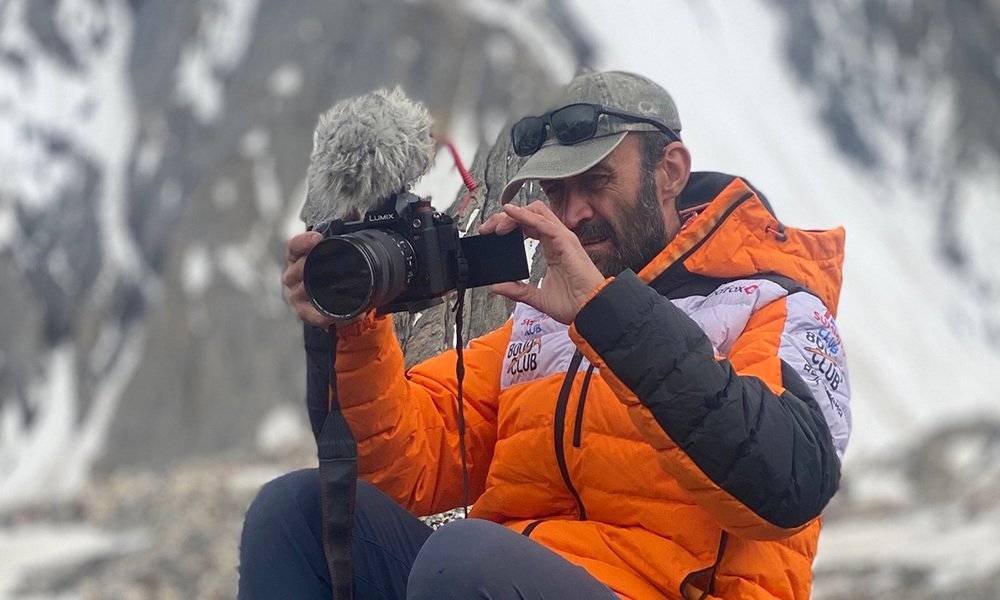
Camera: If you’re a photography enthusiast, bring a compact camera or a mid-sized DSLR. Make sure it’s water and dust resistant, as you’ll be exposed to varying conditions, such as rain or windblown dirt. Also, be sure to bring extra batteries and memory cards, as cameras can quickly run out of power, especially in cold temperatures.
Mobile Phone: A mobile phone with a good camera is also an excellent choice. Not only will it allow you to capture high-quality photos, but it’s also useful for accessing maps, emergency information, and staying in touch with the group or your guide if needed. Be sure to bring a portable charger or external battery, as there is likely to be no access to electricity along the route.
If you plan to use the phone to take photos, also be sure to protect it with a waterproof case or protective sleeve to prevent damage from water or dust.
Important Documents and Money
Don’t forget to bring the essential documents for your adventure:
Passport: This is necessary both to access Machu Picchu and for control at the entrances of the route.
Cash: Make sure you carry enough money in soles, as there are no ATMs along the way and some purchases or tips may be necessary.
Final Tips:
Pack Light: One of the most important things to keep in mind when packing your backpack is not to overload it. While it may be tempting to carry a lot of clothing, gear, and accessories, remember that every extra pound can add up to a significant burden over the days. The Salkantay Trek involves walking for long hours over difficult and steep terrain, making the extra weight even more challenging.
Acclimatization: Your Health Comes First. One of the biggest challenges on the Salkantay Trek is the altitude. The trek will take you through areas exceeding 4,000 meters above sea level, and the lack of oxygen at these altitudes can significantly affect both your physical performance and your overall well-being. That’s why prior acclimatization is essential to avoid altitude sickness, which can make the trek much more difficult or even dangerous.
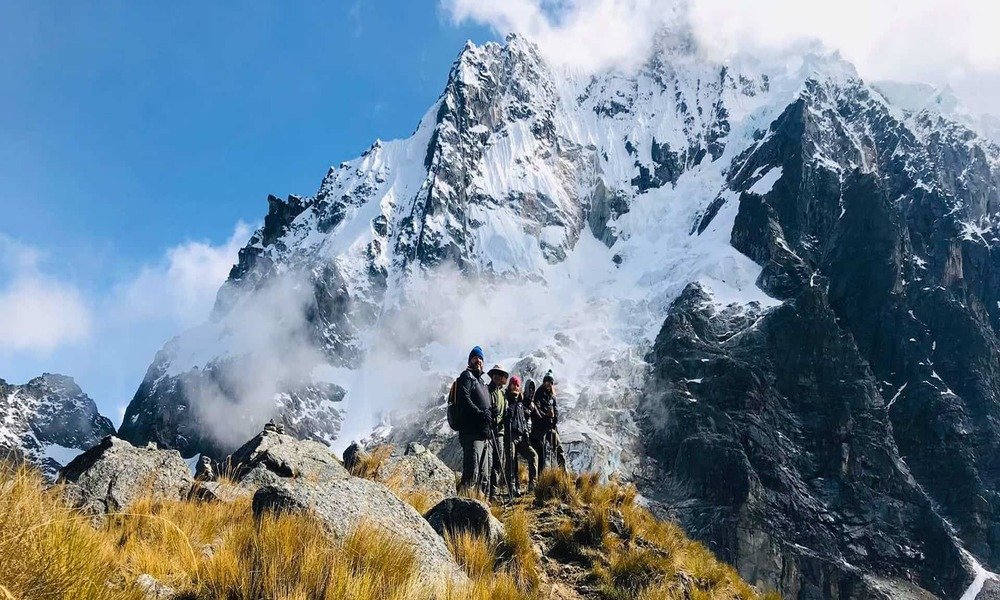
Check the Weather: Prepare for the Unexpected: The weather on the Salkantay Trek is extremely variable and can change rapidly, so checking weather conditions before your trip is essential. During the rainy season (November to March), rainfall is frequent, which can make the trail more slippery and cause temperatures to drop considerably in the higher elevations. Conversely, during the dry season (April to October), the weather is more stable, but variations can still occur.