


Salkantay Trek on Your Own Without an Organized Tour
The Salkantay Trek is one of Peru’s most spectacular hiking routes, earning a special place among trekking enthusiasts for its natural beauty and physical challenge. Unlike the famous Inca Trail to Machu Picchu, which is usually packed with tourists, the Salkantay offers a more intimate connection with nature. Hiking it independently means taking control of your adventure: you decide your pace, your schedule, and how to enjoy each landscape.
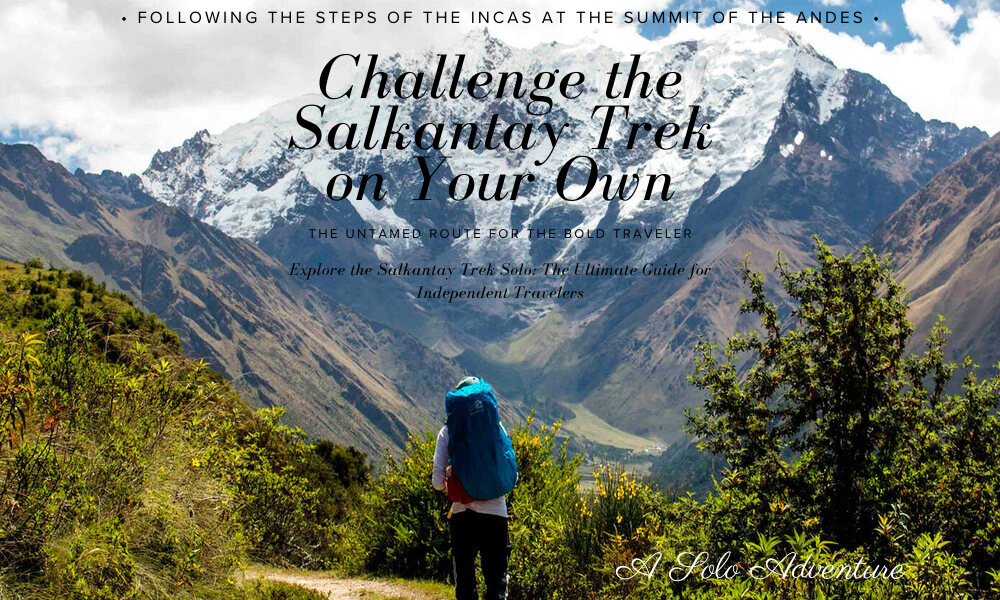
However, it also requires planning, physical and mental preparation, and an adventurous spirit willing to face challenges.
Why do the Salkantay Trek on your own?
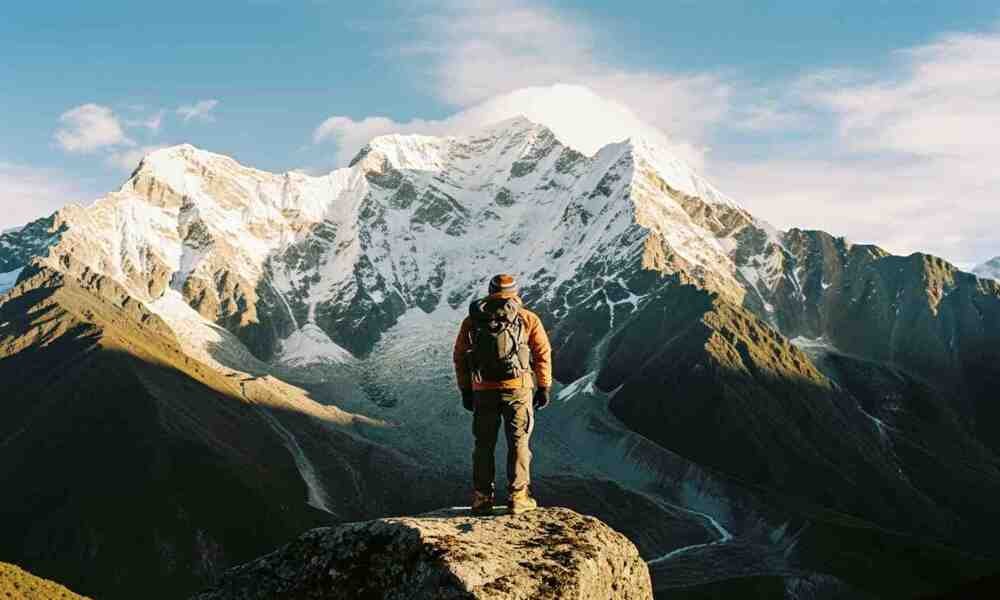
Hiking the Salkantay Trek independently is an experience that transcends the physical hike. It’s a true journey of self-discovery. The first advantage is absolute freedom . You can rise at dawn to watch the first rays illuminate the snow-capped peaks of Salkantay. You can also delay your departure to savor the mountain’s silence as the wind caresses the valleys. Along the way, you can pause to admire a crystal-clear river cascading down from the glaciers. You can listen to the songs of endemic birds or capture panoramic photos without the pressure of a group following you. This independence transforms each day into a profoundly personal experience. Every decision, from where to rest to which trails to explore, becomes part of your unique adventure story.
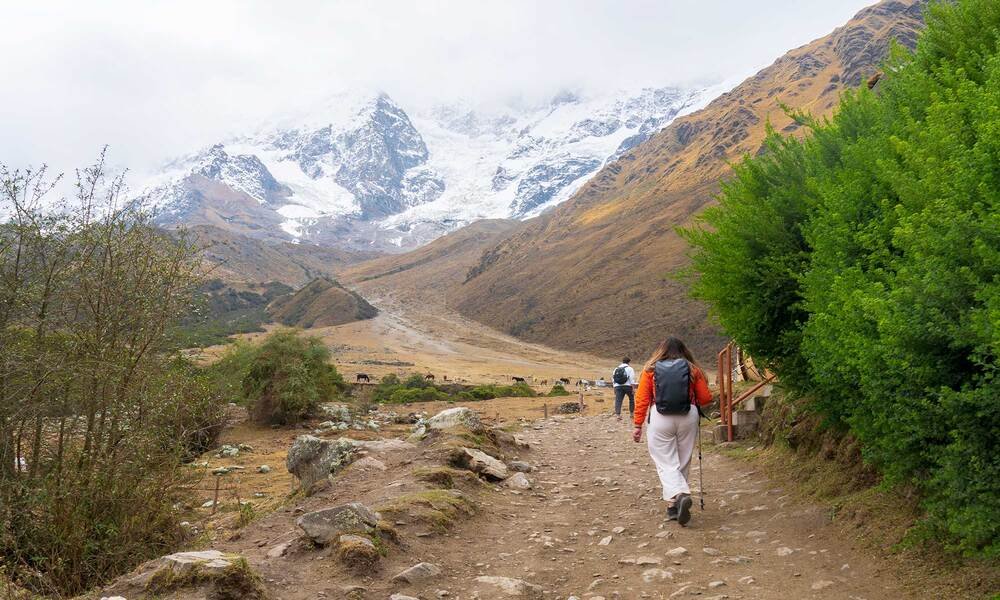
Another important factor is cost savings. Organized tours typically cost between $500 and $700 USD per person, including a guide, transportation, and accommodation. By doing it independently, you can reduce these costs to a fraction of the price. The money saved can then be used to enhance the experience: renting better equipment, sampling local cuisine in small restaurants, or enjoying special moments. For example, a soak in the Santa Teresa hot springs, surrounded by mountains and the sounds of the jungle, or spending an extra night in Aguas Calientes to witness Machu Picchu at sunrise without the rush or crowds. These kinds of choices allow you to personalize your adventure and make it more than just a simple trek.
Essential Preparations
Documentation and Permits
Unlike the Inca Trail, which requires permits months in advance and has limited capacity, the Salkantay Trek is much more flexible and accessible. This makes it ideal for those who choose to venture independently. You don’t need to pay or apply for special permits to hike the route, but it is essential to carry personal documents and take basic precautions. Carrying your passport is mandatory, and it’s always advisable to keep a physical or digital copy in case of loss. Additionally, Peruvian soles are essential. Many towns along the way don’t accept cards, and food and transportation services may not have access to point-of-sale terminals.
Transportation to the Starting Point
The most common route of the Salkantay Trek begins in Mollepata, a picturesque mountain village with local restaurants, small markets, and simple accommodations. This town serves as a staging point before venturing into the mountains. From Cusco, you can reach it by shared taxi, shared van, or bus, a journey of 2 to 3 hours. During the trip, you’ll enjoy breathtaking views of verdant valleys, crystal-clear rivers, and ancient agricultural terraces. It’s also common to see llamas grazing on the hillsides and farmers transporting goods on donkeys, adding an authentic touch to the experience from the very beginning.
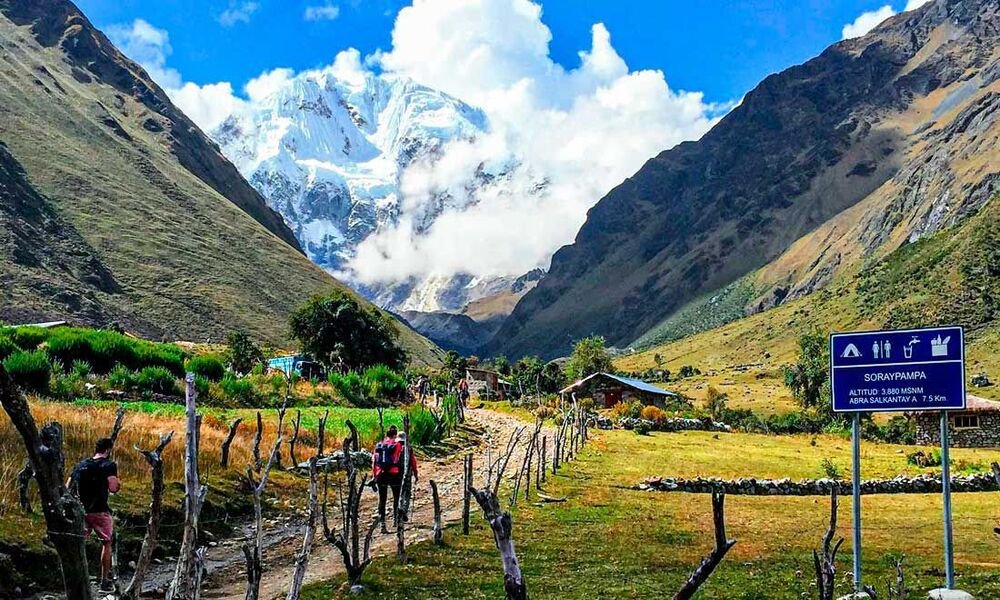
For those who prefer to shorten the route or avoid the longer first day of climbing, there is the option of starting in Soraypampa, which is located at a higher altitude. This allows you to begin the trek closer to the famous Salkantay Pass and acclimatize gradually. Soraypampa also offers basic accommodation and campsites surrounded by lagoons and snow-capped peaks, making the start of the trek a visual spectacle from day one.
Recommended Gear
Doing the Salkantay Trek independently requires proper equipment to ensure comfort and safety. This is especially important because weather conditions can vary greatly, from the extreme cold of the puna to the humid heat of the high jungle. A 40–50 liter backpack is ideal for carrying clothing, food, water, and gear without being too heavy. Waterproof and sturdy trekking boots are essential for traversing rocky terrain, mud, or rivers.
Thermal clothing and extra layers allow you to adapt to sudden temperature changes. A sunny day can quickly turn into rain, wind, or even snow. A sleeping bag rated for sub-zero temperatures ensures warm nights in the mountains. Trekking poles help reduce pressure on your knees and ankles, especially during long descents.
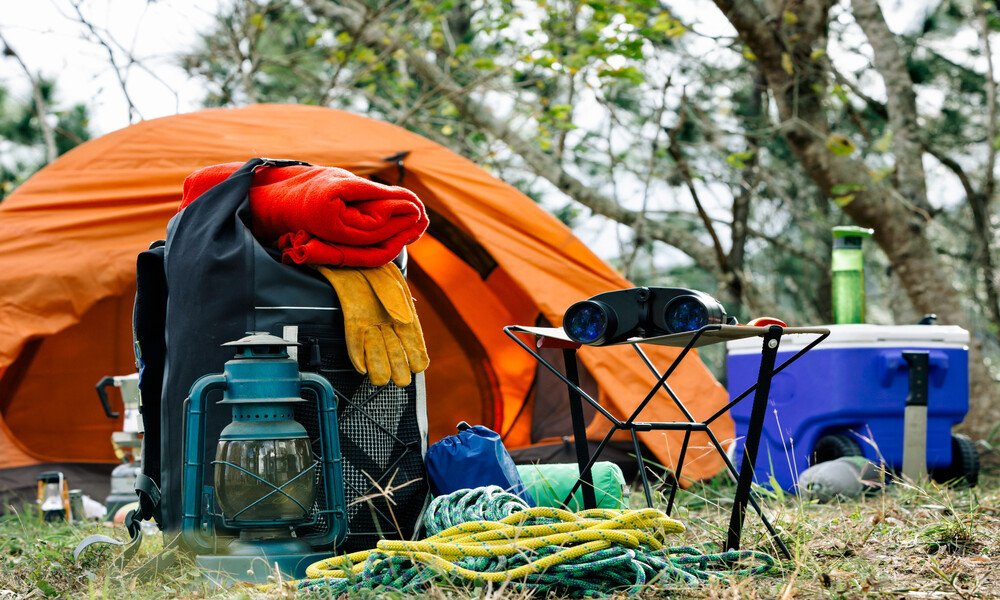
For those who choose to camp, a lightweight, windproof tent is essential. Selecting strategic campsites, such as near lakes or sheltered areas, allows you to enjoy the tranquility of the mountains and spectacular sunrises without relying on accommodations.
Extra tip: In addition to dehydrated food and energy snacks, it is advisable to bring rehydration salts and a headlamp, as the days of walking can be long and darkness comes quickly in the high areas.
The Route Day by Day (Example without a tour)
Day 1: Mollepata – Soraypampa
Distance: 12–15 km | Maximum altitude: 3,900 m
The first day is mainly for acclimatizing to the altitude. The trail ascends gradually through valleys filled with corn and tubers, surrounded by mountains that seem to touch the sky. In Soraypampa, you can set up camp near crystal-clear lagoons. The reflection of the snow-capped peaks in the water creates a breathtaking visual spectacle, as if you were inside a painting by nature.
Day 2: Soraypampa – Salkantay Pass – Wayracmachay / Colcapampa
Distance: 18–22 km | Maximum altitude: 4,650 m
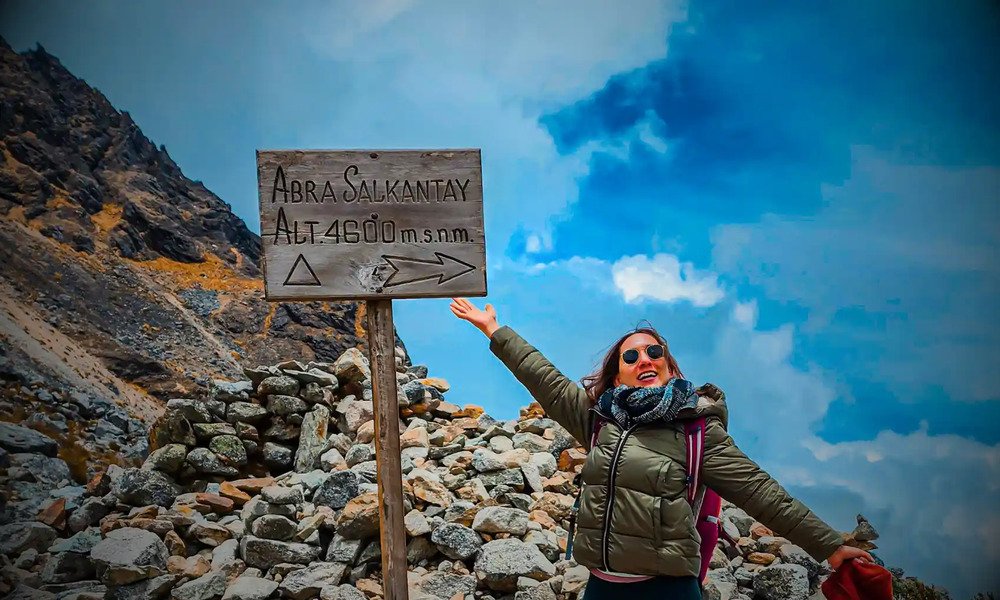
This is the most challenging day of the trek. The ascent to Salkantay Pass demands physical effort, but the reward is worth every step. From the summit, you’ll see a breathtaking panorama of glaciers, snow-capped peaks, and clouds that seem to float beneath your feet. Every step serves as a reminder of the majesty of the Andes and the awe-inspiring power of nature.
Day 3: Descent towards La Playa or Santa Teresa
Distance: 22–25 km | Maximum altitude: 2,500 m
The change in altitude brings a warmer climate and lush vegetation. The trail descends through cloud forests and past rushing rivers into the high jungle. Upon reaching Santa Teresa, you can enjoy a well-deserved soak in the natural hot springs, a relaxing experience after days of exertion.
Day 4: Hydroelectric Plant – Aguas Calientes
Distance: 10–12 km.
The walk along the train tracks is easier and offers panoramic views of the Urubamba River and the surrounding jungle. Arriving in Aguas Calientes, the base town for Machu Picchu, is a reward for days of effort: narrow streets, local markets, and cozy hostels where you can rest before your big encounter with history.
Día 5: Machu Picchu
Climbing early to watch the sunrise over the ruins is an unforgettable experience. With the first light, the sun illuminates temples, terraces, and mountains. The feeling of having conquered a challenging route on your own blends with the awe of being in a sacred, ancient site.
Practical tips for independent travelers
Aclimatization:
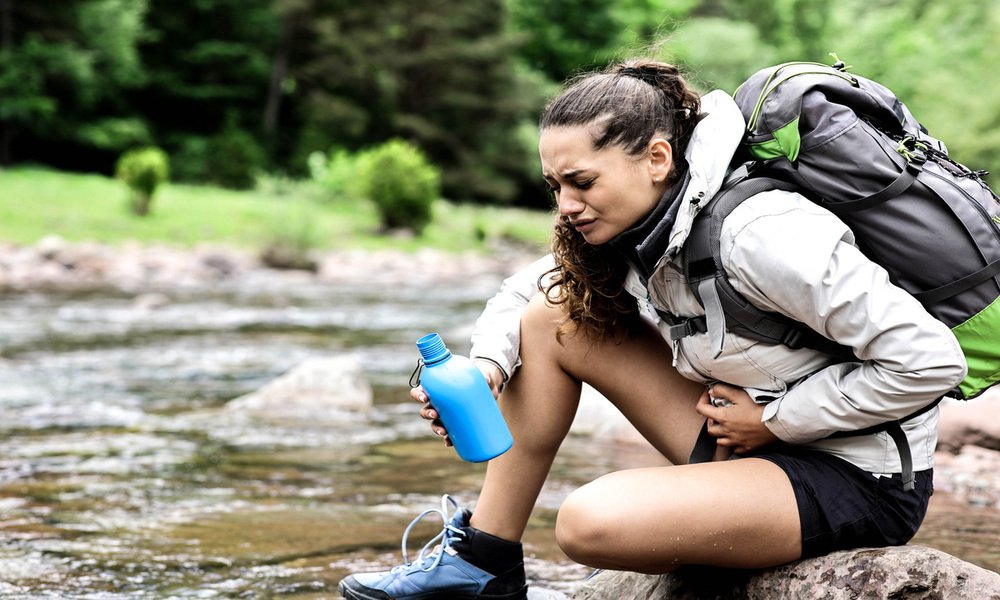
Don’t underestimate the altitude of the Salkantay Trek, which reaches 4,650 meters at its highest point. Altitude sickness can manifest with symptoms such as headaches, fatigue, nausea, or dizziness, and can ruin the experience if not prevented. An effective strategy is to spend at least two days in Cusco, walking around the city and engaging in light activities to help your body acclimatize. Drinking plenty of water, avoiding alcohol and excessive caffeine, and eating light, energizing foods also facilitate acclimatization. Some travelers choose to take coca leaves or coca tea, a traditional practice that can alleviate mild altitude sickness symptoms.
Mapas y GPS:
When hiking on your own, don’t rely solely on common sense or cell phone signal. Carrying offline apps like Maps.me or Gaia GPS, as well as printed maps, can be crucial, especially in areas with no signal. Marking key points such as towns, lakes, campsites, or river crossings will allow you to plan strategic rest stops and avoid potentially dangerous detours. Even a small route error at high altitudes can be exhausting or risky, so having a good map plan is essential.
Cash Money:
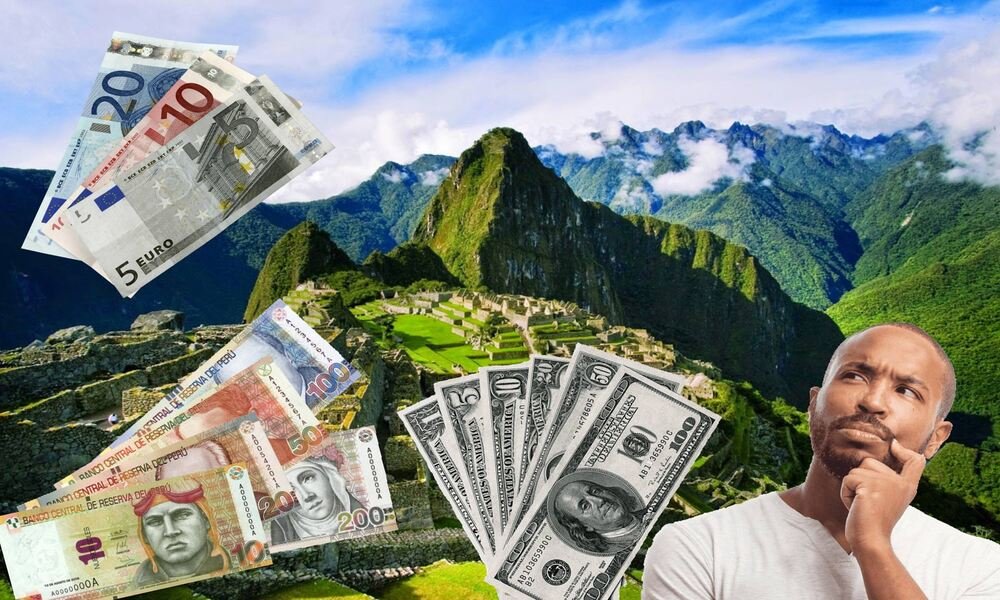
Although Cusco and Aguas Calientes accept cards, many towns in between, such as Mollepata, Soraypampa, and La Playa, only accept cash. Carrying enough Peruvian soles ensures you can pay for accommodation, food, local transport, and entrance fees without any problems. It’s also advisable to carry smaller denomination bills for tips or small purchases at local markets.
Safety:
Safety is paramount on an independent trek. Keep your belongings close and under control, especially in areas with high tourist traffic or at transport stops. When camping, always choose authorized campsites or those near local communities, where you can ask for guidance and protection. In addition, informing someone of your itinerary and estimated arrival times adds an extra layer of security in case of unforeseen circumstances.
Weather:
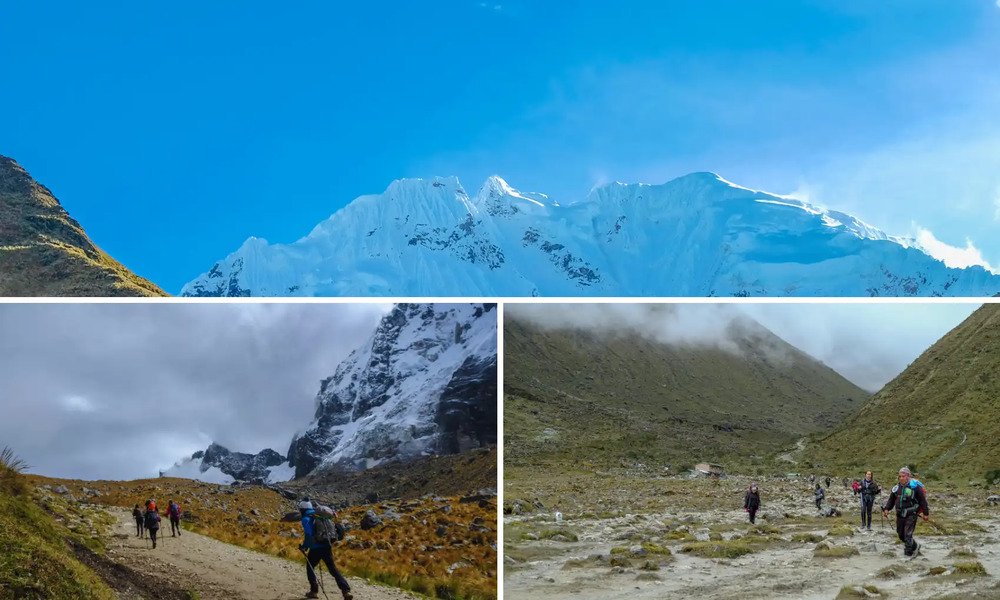
The weather on the Salkantay Trek is extremely changeable. A sunny day in the valley can quickly turn into rain, wind, or even snow as you ascend to the mountain pass. Wearing layered , waterproof , and windproof clothing , along with a hat , gloves , and sunscreen , is essential to adapt to these changes. Being prepared not only improves comfort but is also vital for safety, preventing hypothermia or slipping on wet and steep terrain.
Pros and cons of doing it without a tour
Pros:
-
Total freedom: Doing the Salkantay Trek independently allows you to decide every detail of the hike: your pace, breaks to rest or photograph the scenery, and the length of each day. You can choose to wake up next to a crystal-clear lake or delay your arrival at a campsite to witness a unique sunset among the snow-capped peaks. This freedom transforms every decision into a personal experience, independent of a guide’s imposed itinerary.
-
Closer interaction with nature and local communities: When traveling independently, it’s easier to stop in small villages and meet the locals. You can talk to farmers about ancestral farming techniques, watch the preparation of traditional dishes like pachamanca, or even participate in small local ceremonies honoring the Apus , the sacred mountains. This proximity allows for a deeper connection with Andean culture and the biodiversity along the way.
-
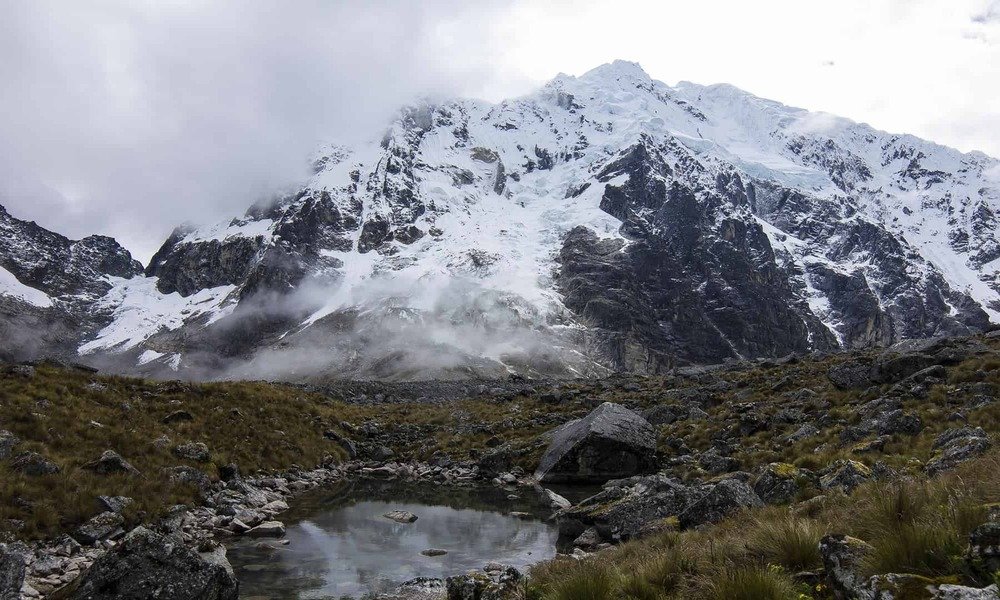
An authentic and unforgettable experience: Without crowds of tourists following the same route, you have the opportunity to enjoy the absolute tranquility of the Andes. The sound of the wind among the snow-capped peaks, the murmur of mountain rivers, or the songs of exotic birds become your personal soundtrack. Every moment feels more intense, more intimate, and your journey transforms into a memorable and unique experience.
Cons:
- It requires planning and logistics: Traveling independently means taking care of transportation, accommodation or campsites, food, and equipment. This can be challenging if you’re not used to organizing mountain routes, and it demands attention to every detail to avoid setbacks.
- Less assistance in case of emergency: Without a guide or group, the responsibility falls entirely on you. In case of accident, altitude sickness, or illness, you will depend on your own resources, travel insurance, and the help of locals or other hikers. This means being well-prepared and having emergency communication and tools.
- Transportation and camping require self-management: Choosing where to camp or how to get around between towns can be stressful for those who prefer convenience or want someone else to handle the logistics. While these decisions increase independence, they also require prior knowledge and planning.
Interesting Facts about the Salkantay Trek
Sacred Mountain: TheSalkantayis considered anApu, a protective mountain in the Andean worldview. For the local people, Salkantay is not only a breathtaking landscape, but a living being that protects the region and holds ancestral stories about nature, the climate, and life in the Andean valleys.
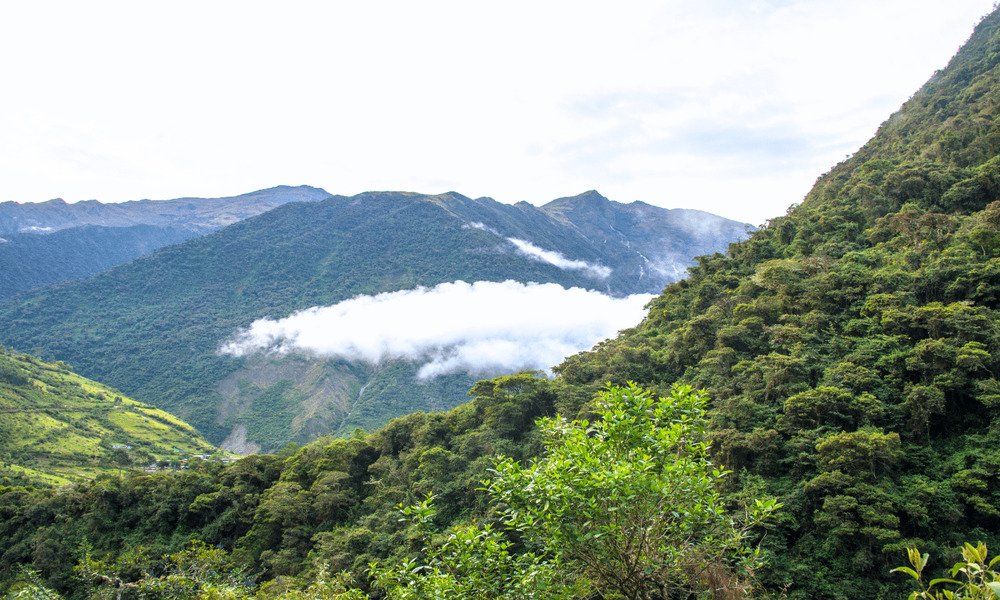
Diversity of ecosystems: The trek crosses impressively diverse areas. It begins in cold Andean highlands, covered with grasslands and rocks, continues through cloud forests full of giant ferns and orchids, and descends into the high jungle, where humidity, vegetation, and rivers completely transform the landscape. This variety allows you to experience different climates, flora, and fauna in just a few days.
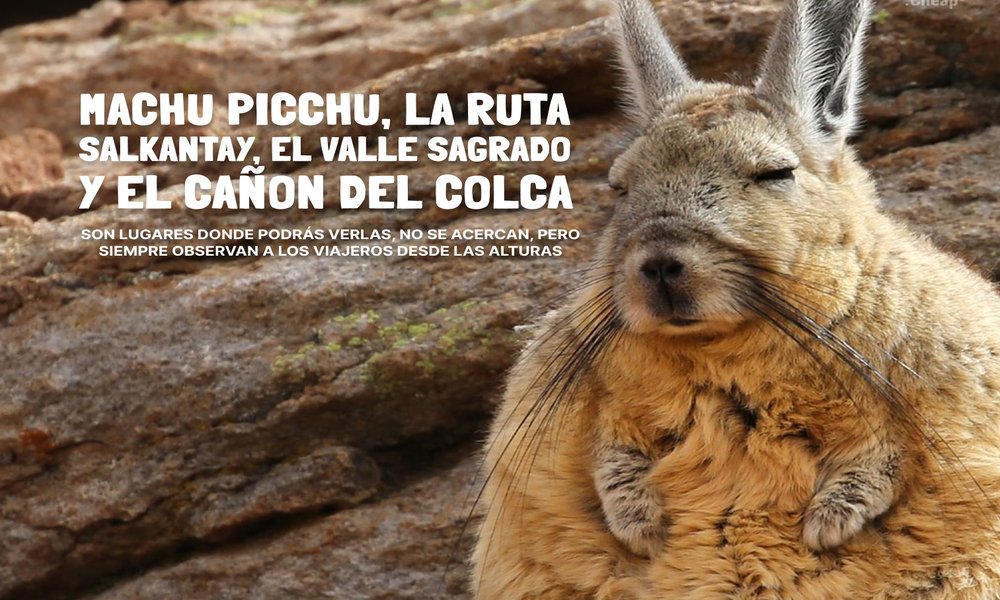
Spectacular Wildlife: Hikers along the trail can observe species that are difficult to spot elsewhere. From the Andeancock-of-the-rock, with its vibrant red plumage and striking mating rituals, to viscachas hopping among the rocks. If you’re lucky and patient, you might see condors soaring above the snow-capped peaks—an experience that makes every effort of the hike worthwhile.
Unique experiences: In addition to nature, the route offers unexpected cultural encounters, such as local festivals, traditional ceremonies, or people inviting you to try typical products of the region, making the walk a journey that is not only physical, but also cultural and spiritual.
Conclusion: The adventure of Your Life
Hiking the Salkantay Trek independently is not simply a trek to Machu Picchu; it’s an experience that combines physical challenge, a connection with nature, and cultural discovery. Each day invites you to push your limits while enjoying landscapes ranging from towering snow-capped peaks to lush rainforests, passing through verdant valleys dotted with traditional villages.
The independence offered by walking without a tour allows you to decide your pace, stop at every crystal-clear river, every panoramic view, or every encounter with local wildlife, creating unique memories that no standard itinerary can offer.