“Titicaca National Reserve: Birdwatching, Biodiversity, Ecotourism”
The Titicaca National Reserve is a protected natural area that also stands out for its rich biodiversity and extensive reed beds, which are home to numerous bird species. In fact , this unique ecosystem harbors remarkable biological diversity, especially in its reed beds, which serve as both a refuge and breeding ground for various species of flora and fauna, according to the Peruvian government . Therefore , it is an ideal place for birdwatching and ecotourism, as it simultaneously promotes ecosystem conservation and the sustainable development of local communities.
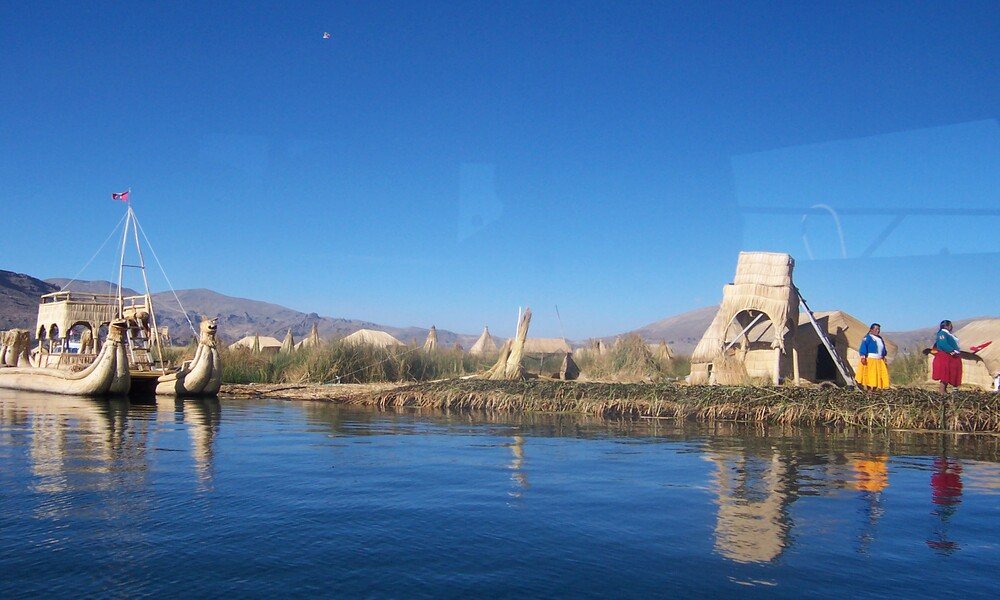
Location and Importance
The Titicaca National Reserve is located in the Puno region of Peru and protects part of Lake Titicaca and its wetlands. It is also a key ecosystem of the Andean highlands and plays an important role in regulating the local climate, conserving water, and protecting native species.

Birdwatching
Birdwatching in the Titicaca National Reserve is one of its main natural activities, thanks to the lake’s unique conditions. Indeed , the reed beds, shallow waters, and abundant food create an ideal environment for numerous aquatic and riparian birds.
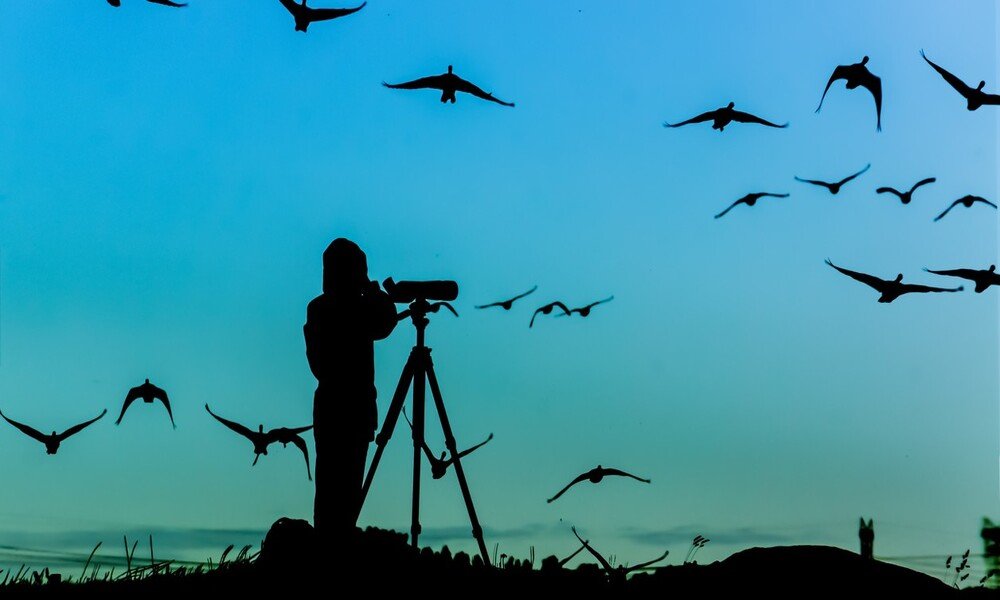
Furthermore , the reserve is home to year-round resident birds that have developed special adaptations for living at high altitude and in the cold climate of the Altiplano. In fact , these birds use the wetlands for feeding, resting, nesting, and breeding, while the reed beds provide them with protection from predators and harsh weather conditions.
Some notable species include:
Resident birds (year-round):
Titicaca Grebe ( Rollandia microptera ): emblematic bird of the lake, it does not fly and is endemic.
Puna duck (Spatula puna).
Red-crested duck (Netta peposaca).
Andean Gallareta (Fulica ardesiaca).
Yanavico ibis andean ibis (Plegadis ridgwayi).
Huallata or andean duck (Chloephaga melanoptera).

Migratory birds:
Playero de Baird (Calidris bairdii).
Playero semipalmeado (Calidris pusilla).
Andean gull ( Chroicocephalus serranus ), present in certain seasons.
Birds associated with the reeds:
Totorero (Phleocryptes melanops).
Seven colors of the cattail ( Tachuris rubrigastra ).
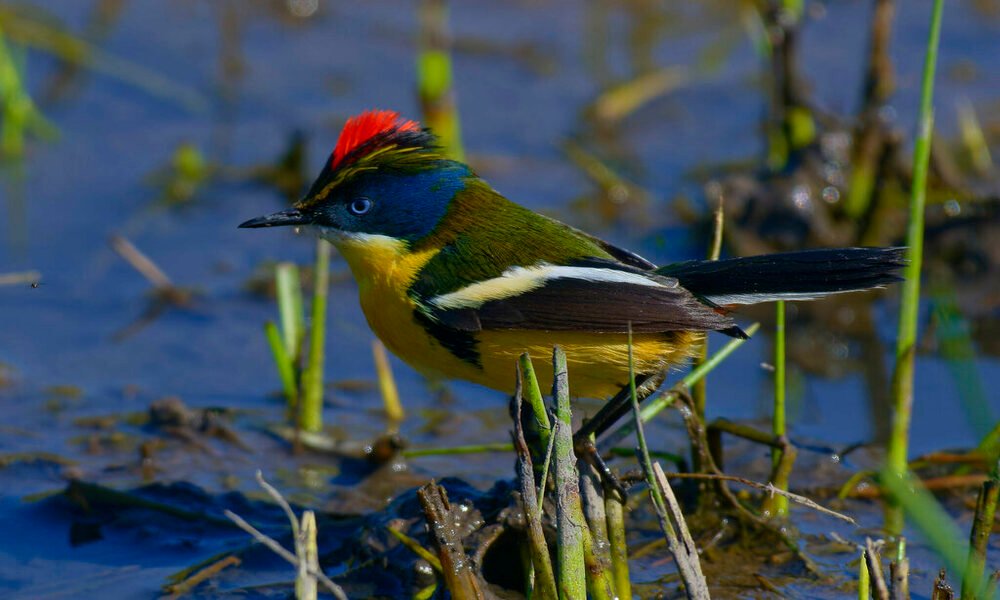
Therefore , these birds depend on the reed beds and wetlands for food, protection and reproduction, making Lake Titicaca an ideal place for both birdwatching and biodiversity conservation.
Biodiversity
In addition to birds, the reserve is home to a great diversity of aquatic plants, native fish, and other animals adapted to the lake’s conditions. In particular , the reed beds are essential, as they protect the shores, prevent erosion, and serve as a natural refuge. Therefore , Lake Titicaca’s biodiversity is unique due to its adaptation to the high altitude and cold climate.
Notable species include:
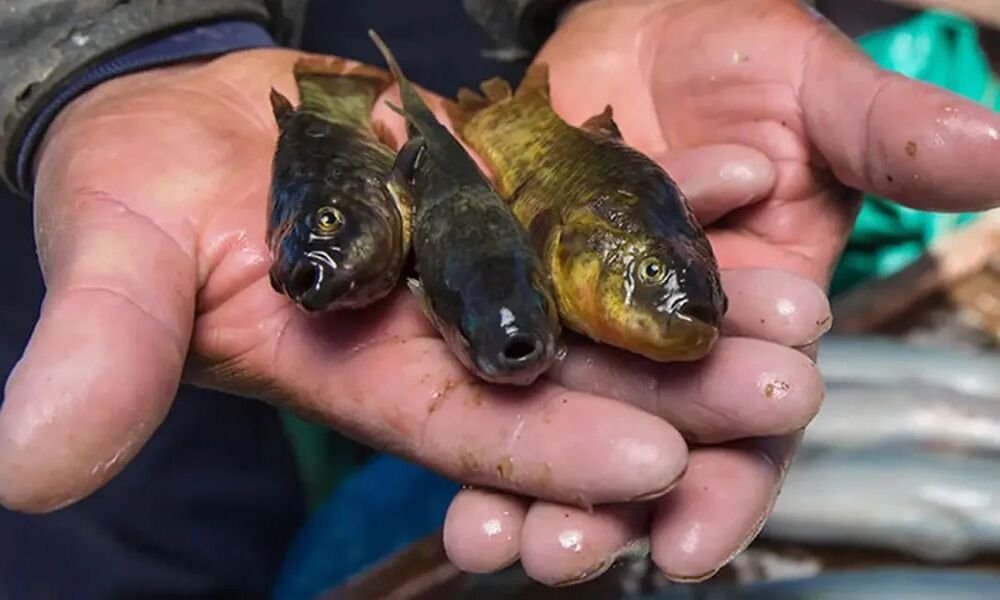
Native fish:
Carachi (Orestias spp.)
Ispi (Orestias ispi)
Suche (Trichomycterus rivulatus)
Maurí (Trichomycterus spp.)
Amphibians and Mammals:
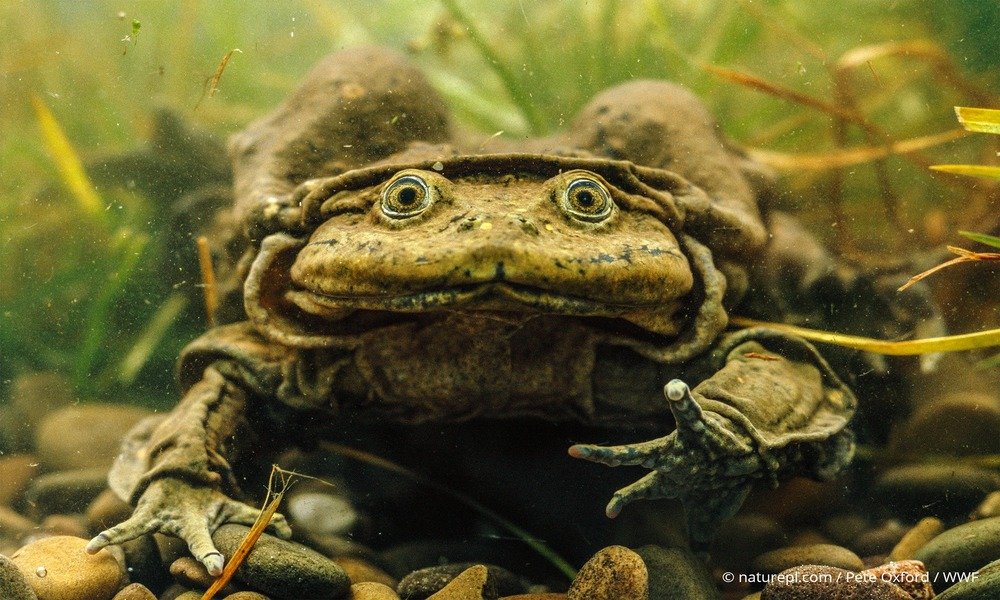
Titicaca Giant Frog ( Telmatobius culeus ), an emblematic and endemic species
Chinchilla andina (Lagidium peruanum)
Zorro andino (Lycalopex culpaeus)
Vicuña ( Vicugna vicugna ), in areas near the reserve
Ecotourism and Local Communities
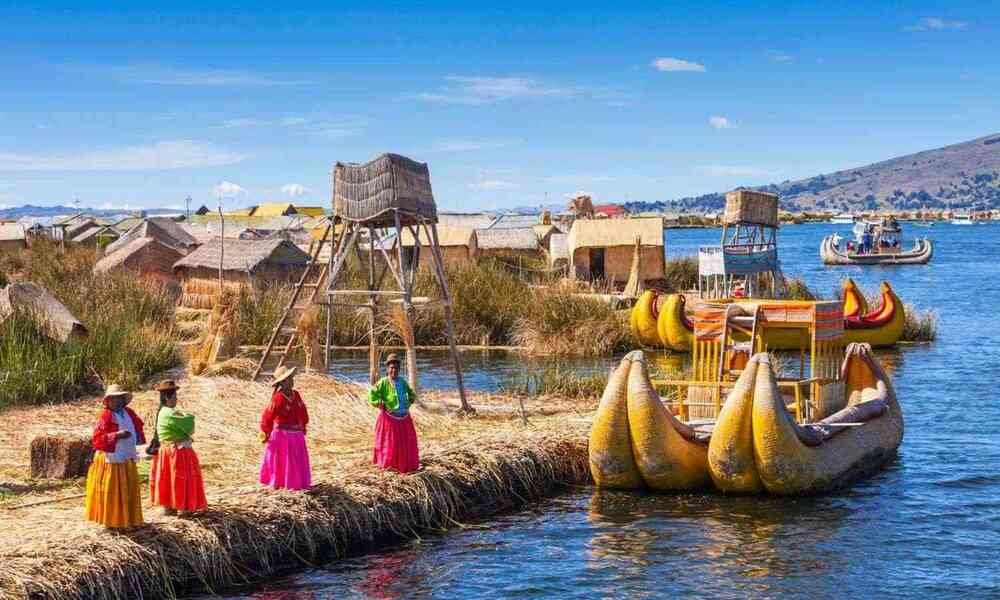
Ecotourism is developed responsibly, seeking to minimize environmental impact. Local communities actively participate by offering tourist services, such as traditional boat trips and cultural activities, as they do on the Uros Islands. In this way , income is generated, cultural identity is strengthened, and ecosystem conservation is promoted.
Main Ecotourism Activities:
Birdwatching: Visitors can observe resident and migratory species in their natural habitats, especially in the reed beds.
Tours in traditional boats: Rides are made in totora reed rafts or small boats to explore the wetlands and get closer to the flora and fauna of the lake.
Hiking and biodiversity observation: There are routes to explore the area, learn about aquatic plants, fish and other animals of the ecosystem.
Cultural experiences: Tourists can interact with local communities, learn about their customs, traditional fishing techniques and the sustainable use of the lake’s resources.
Environmental Conservation
The Titicaca National Reserve faces threats such as pollution and the misuse of natural resources. Therefore , conservation efforts, environmental education, and sustainable management are being implemented to protect the lake for future generations.

Conclusion
In conclusion, the Titicaca National Reserve is an important ecotourism destination thanks to its biodiversity, birdwatching opportunities, and unique landscapes. Furthermore , responsible tourism allows visitors to enjoy the lake while simultaneously contributing to ecosystem conservation and the development of local communities.