


“Mandatory or Recommended Travel Insurance for the Salkantay Trek”
The Salkantay Trek is one of Peru’s most breathtaking hiking routes. It leads travelers through high-altitude Andean landscapes, towering glaciers, and lush rainforests, all before reaching the majestic citadel of Machu Picchu. Due to the trek’s physical demands, variable weather conditions, and remoteness of some sections, an important question arises for many travelers: Is travel insurance mandatory or advisable for the Salkantay Trek?
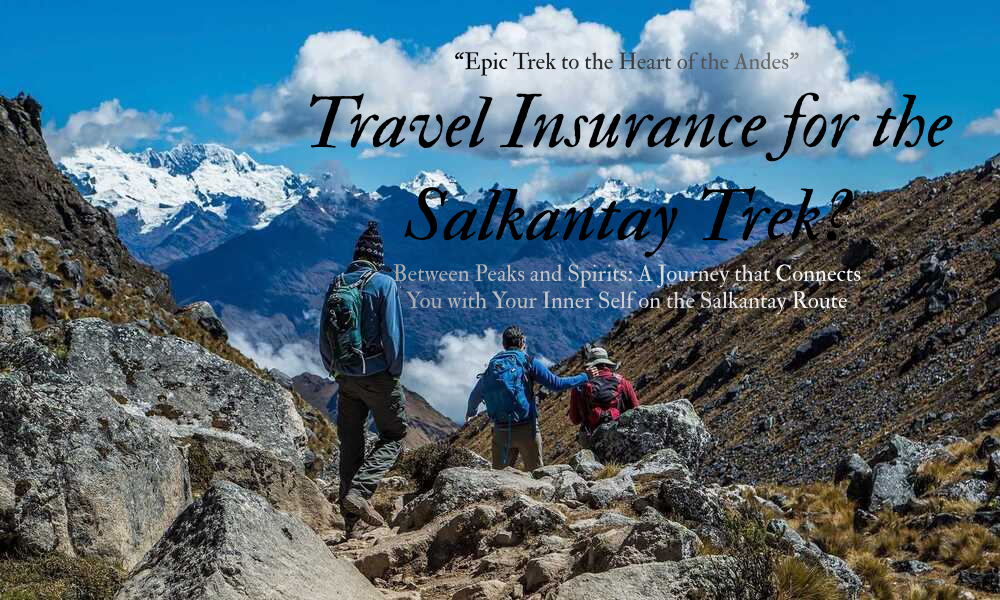
While not always mandatory for hiking, having adequate travel insurance can make a significant difference. This is especially true in case of unforeseen events such as altitude sickness, injuries during the hike, cancellations, or the need for medical evacuation. Therefore, it’s essential to understand when insurance is required, when it’s highly recommended, and what type of coverage you need. This information allows you to plan your adventure with greater peace of mind and security.
Is travel insurance mandatory for the Salkantay Trek?
Currently, there is no law or government regulation requiring travelers to have travel insurance for the Salkantay Trek. Unlike other regulated trekking routes, this trek is an open trail that does not require limited permits or special government authorizations. This means that travelers can arrange the trek independently or through tour agencies without needing to present insurance documentation as a mandatory requirement to begin the trek.

However, many trekking agencies and tour operators strongly recommend purchasing insurance before embarking on your adventure. This insurance covers unforeseen events such as medical emergencies, trip cancellations, evacuations, or lost luggage. On a multi-day activity in remote, natural areas, having this coverage can make a significant difference. It provides peace of mind for both the traveler and their family.
In some cases, certain agencies even require travelers to present a copy of their insurance policy before the tour begins. This is especially common on multi-day expeditions or high-altitude treks. Tour operators aim to ensure that participants are prepared to handle any eventuality during the trek, particularly in an environment where immediate medical attention may not be readily available.
Why is it so highly recommended to have insurance for the Salkantay Trek?
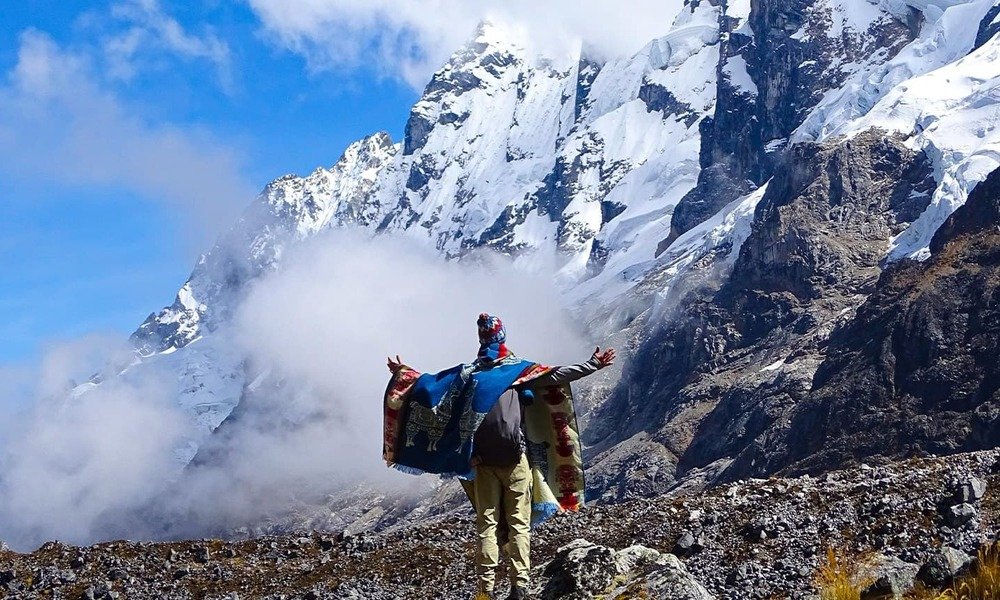
Extreme Altitude
The highest point on the route is the Salkantay Pass, which reaches approximately 4,630 meters above sea level , very close to the imposing Nevado Salkantay , one of the most sacred and emblematic mountains of the Peruvian Andes. At this altitude, symptoms of altitude sickness may appear , a condition that affects many travelers who are not fully acclimatized. Among the most common symptoms are headache, dizziness, fatigue, nausea, and shortness of breath, which can vary in intensity from person to person.
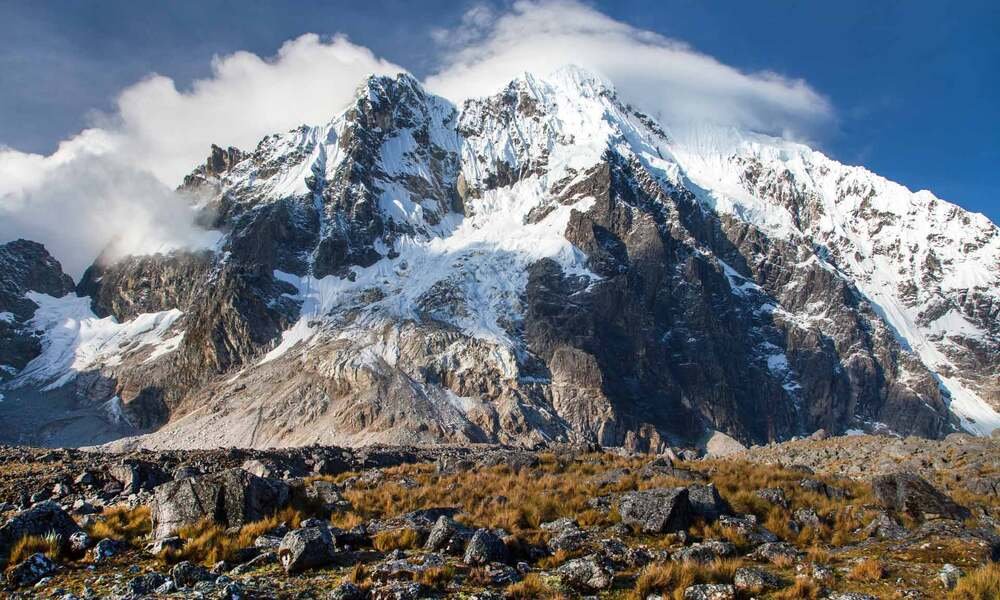
For this reason, it’s important to acclimatize properly before starting the trek, stay well hydrated, maintain a moderate pace, and always listen to the guides’ recommendations. Although most cases are mild and temporary, having travel insurance that includes altitude sickness assistance can be invaluable in case of any complications, especially considering that the trek takes place in remote areas where access to medical services may be limited.
The most common symptoms include:
- Headache
- Nausea
- Extreme fatigue
- Dizziness
- Difficulty breathing
In most cases, these symptoms are mild and can be managed with rest, hydration, and proper acclimatization. However, in more serious situations, medical attention or even evacuation to lower altitudes may be required, reinforcing the importance of having adequate travel insurance.
Challenging Terrain
The Salkantay Trek is considered moderate to challenging, requiring good physical preparation before embarking on the adventure. The route includes a wide variety of landscapes and terrain types that can pose a challenge for many hikers, especially those without prior experience in multi-day high-altitude treks. The trail traverses steep paths, rocky trails, high-altitude passes, and long descents that demand stamina, balance, and good physical fitness.
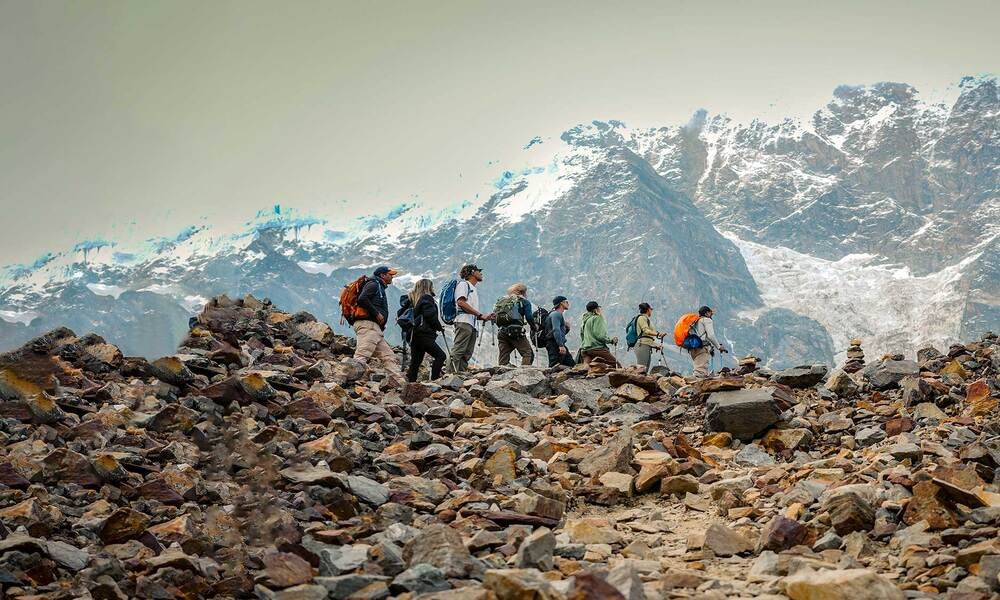
Furthermore, the long days of hiking, which can last between six and eight hours, are combined with changing weather, cold temperatures in the highlands, and wet or slippery terrain in the high jungle areas. Therefore, it is advisable to prepare in advance with training hikes, endurance exercises, and proper acclimatization to the altitude. In this way, travelers can face the challenge with greater confidence and fully enjoy the spectacular natural landscapes that this famous route to Machu Picchu offers.
The route includes:
- Steep trails
- Rocky terrain
- Hikes of up to 20 km per day
- Abrupt climate changes
These conditions can lead to accumulated fatigue and increase the risk of injuries such as sprains, falls, or physical exhaustion. Travel insurance with medical coverage can be very helpful should you need medical attention or treatment during your trip.
Unpredictable Weather
The weather in the Andes can change rapidly, even within hours. During a single day, it’s possible to experience very different conditions along the route, especially when crossing different ecological zones, from high mountain areas to cloud forests. This climatic variability can include intense sunshine in the morning, sudden rain showers in the afternoon, or sharp drops in temperature at nightfall.
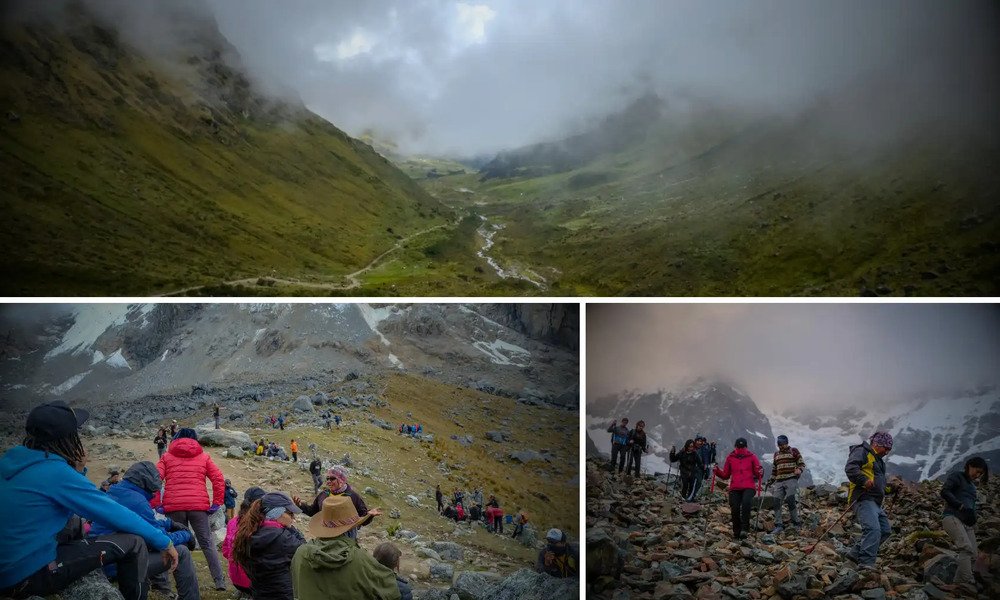
Furthermore, in the higher elevations of the Salkantay Trek, it’s common to encounter strong winds, fog, or even light snowfall at certain times of the year. These changes can affect the pace of the hike and trail conditions, making some sections more slippery or challenging. For this reason, it’s essential to wear appropriate layered clothing, waterproof gear, and be prepared to adapt to varying weather conditions.
During the hike, the following may occur:
- Intense sun
- Heavy rain
- Icy winds
- Sub-zero temperatures in high-altitude areas
These conditions increase the risk of accidents or illnesses during the hike, such as slipping on wet trails, hypothermia, or dehydration. For this reason, travelers should be well-prepared and consider insurance that covers situations related to outdoor activities.
Remote Location
Much of the route is in areas far from medical centers or main roads, meaning that immediate assistance may not be available in an emergency. Access to medical services may require transfers to nearby towns or larger cities, which can take several hours depending on the location of the incident. This remoteness means that any injury, altitude sickness, or unexpected accident can become complicated if adequate resources for prompt care are not available.
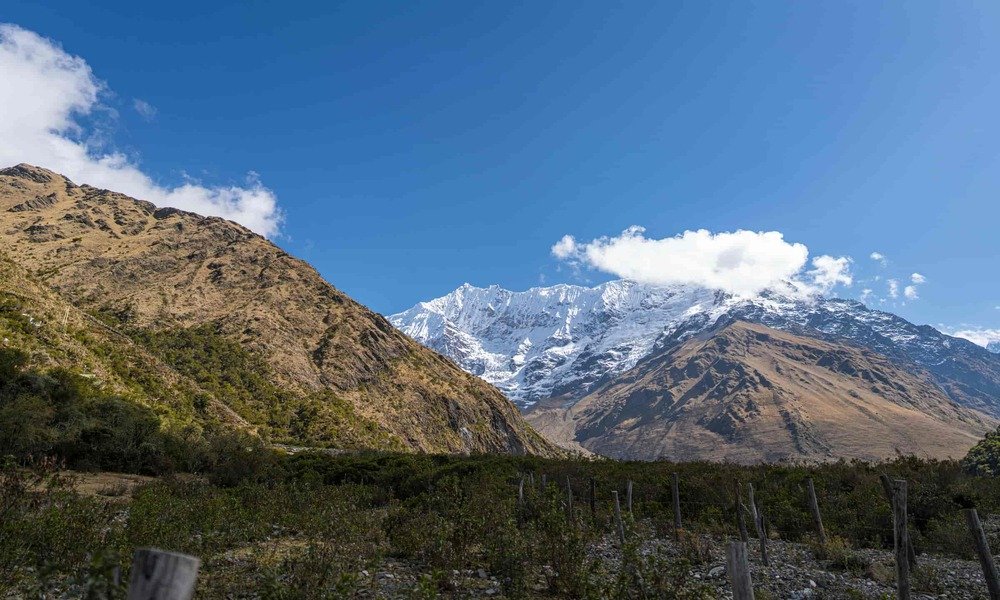
Therefore, it is highly recommended to have travel insurance with medical coverage and emergency evacuation, as well as a basic first aid kit and to follow the guides’ instructions at all times.
In case of emergency, the transfer may involve:
- Evacuations in 4×4 vehicles
- Transport by mule or horse
- Rescue helicopters (in extreme cases)
These services can be very expensive without insurance, especially when it comes to specialized rescues in hard-to-reach areas.
What should good insurance cover for the Salkantay Trek?
If you decide to purchase travel insurance for this route, it is recommended that it includes specific coverage for adventure activities and high-altitude trekking, as some basic insurance policies do not cover these types of activities.
An ideal insurance policy should cover:
Medical Emergencies
- Hospitalization
- Medical care during the trip
- Medications
This type of coverage allows you to receive treatment in case of illness, injury, or altitude-related problems during your trip.
Mountain Evacuation and Rescue
One of the most important types of coverage is emergency medical assistance, as evacuations in remote areas can be costly. This assistance can include transportation to nearby medical centers or even specialized rescues in mountainous regions.
Trip Cancellation or Interruption
It covers situations such as:
- Illness before travel
- Flight cancellations
- Family problems or emergencies
This coverage helps to recover part of the money invested in the trip if an unforeseen event arises that forces you to cancel or modify your plans.
Baggage Loss or Delay
Very useful when transporting trekking equipment, technical clothing, or other important items for your hike. In case of lost or delayed luggage, insurance can help cover the costs of replacing essential items.
Medical Repatriation
It covers your return to your home country in case of a serious emergency. This coverage typically includes medical coordination and specialized transport if the traveler’s health requires them to return home for continued treatment.
How much does trekking insurance cost in Peru?
The price of insurance depends on several factors:
- Traveler’s age
- Trip duration
- Medical coverage
- If it includes adventure sports
On average, travel insurance for trekking in Peru can cost approximately:
- $30 to $80 USD for short trips of 1–2 weeks
- $80 to $150 USD for more comprehensive coverage or long trips
Compared to the expenses that a medical emergency could generate, the cost is relatively low and may represent a small investment compared to the potential risks of an adventure trip.
Tips
Before purchasing insurance for the Salkantay Trek, it’s essential to carefully review several key aspects to ensure you’re protected against any eventuality. These include:
- It should include trekking or hiking at high altitude (over 4,000 m), as many basic policies exclude mountain activities.
- Mountain rescue coverage, essential in case of accidents or emergencies in remote areas.
- Sufficient international medical coverage, covering everything from altitude sickness treatment to more serious injuries.
- Flexible cancellation policy to protect your investment in case of unforeseen changes to travel plans.
- 24/7 assistance, allowing you to receive immediate help in case of any incident, regardless of the time or location.
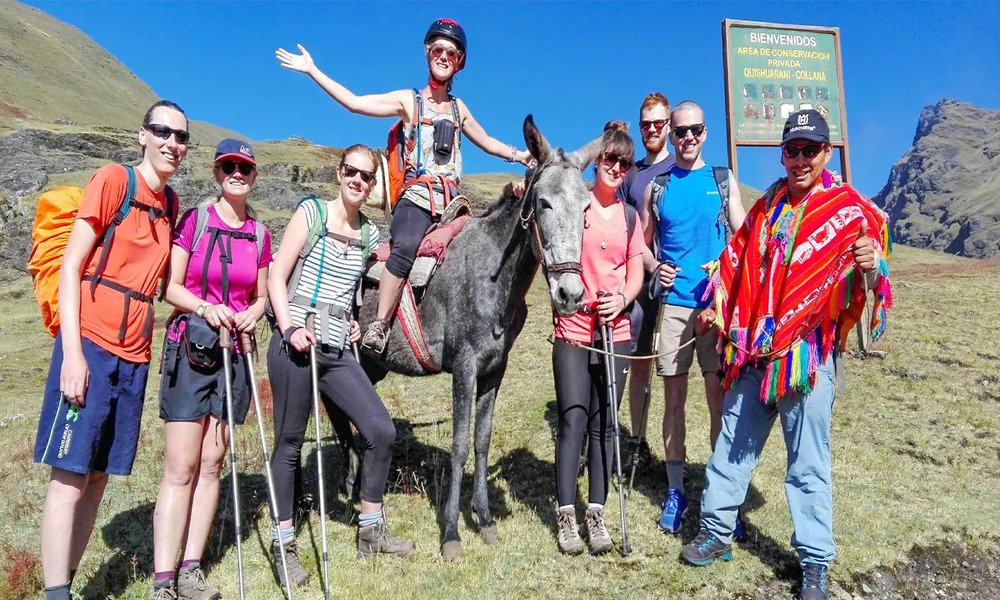
Is It Worth Getting Travel Insurance for the Salkantay Trek?
The short answer is yes.
While not mandatory, travel insurance can offer peace of mind, security, and financial support during an adventure in a challenging natural environment. The Salkantay Trek is an unforgettable hike that allows you to discover spectacular landscapes before reaching Machu Picchu, but it also involves certain risks that are best anticipated.
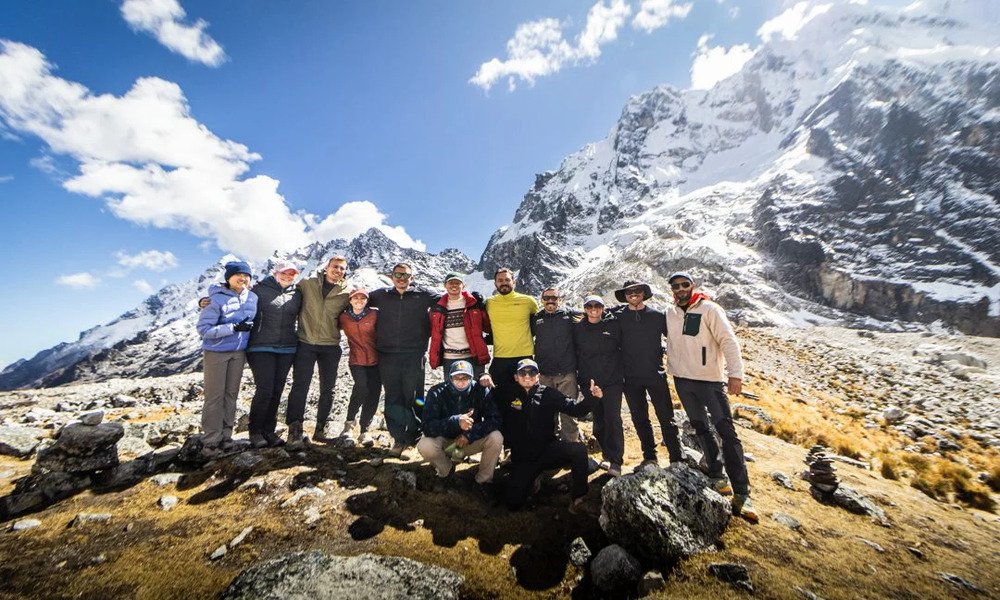
Having adequate insurance not only protects your health and travel investment, but also allows you to fully enjoy the journey to Machu Picchu without worries, focusing solely on the experience, nature, and adventure offered by this incredible trekking route in the Peruvian Andes.