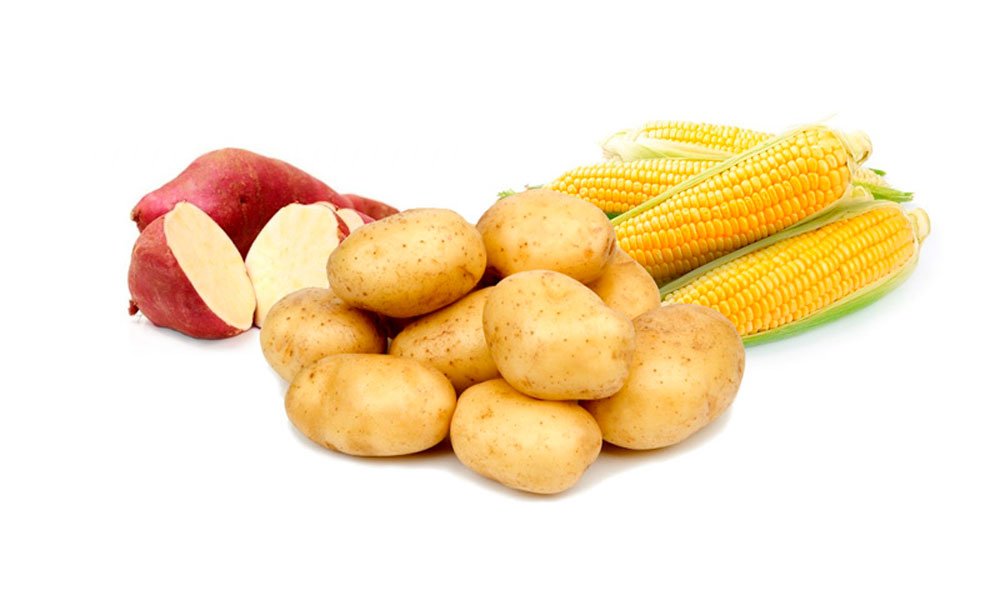
What is the difference between the cuisine of Lima and Cusco?
If you’re planning a trip to Peru and coming from Mexico, you’ll notice that Peruvian food changes a lot depending on the region, and Lima and Cusco are two completely different worlds in terms of flavors, ingredients, and style. I’ll explain it to you clearly and deliciously 👇
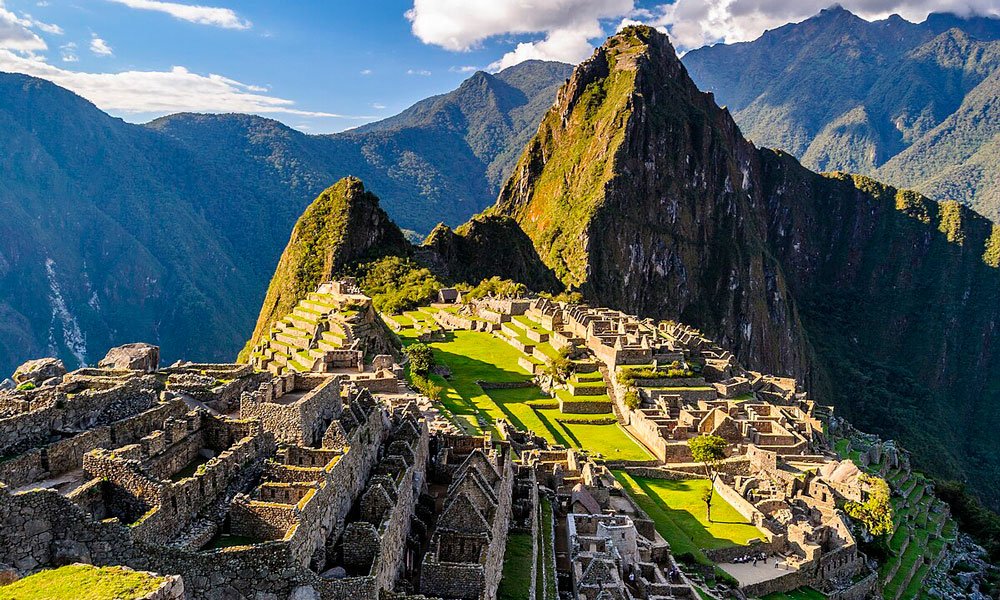
🏙️ Lima Cuisine: The Capital of Flavor
Lima is the gastronomic heart of Peru, internationally recognized (in fact, it has several of the best restaurants in the world, such as Central and Maido).
Here coastal cuisine prevails, with Creole, Chinese (chifa), Japanese (nikkei), and European influences.
The sea is the star, so the dishes are fresh, light, and full of lemon, chili, and red onion.
Typical dishes of Lima:
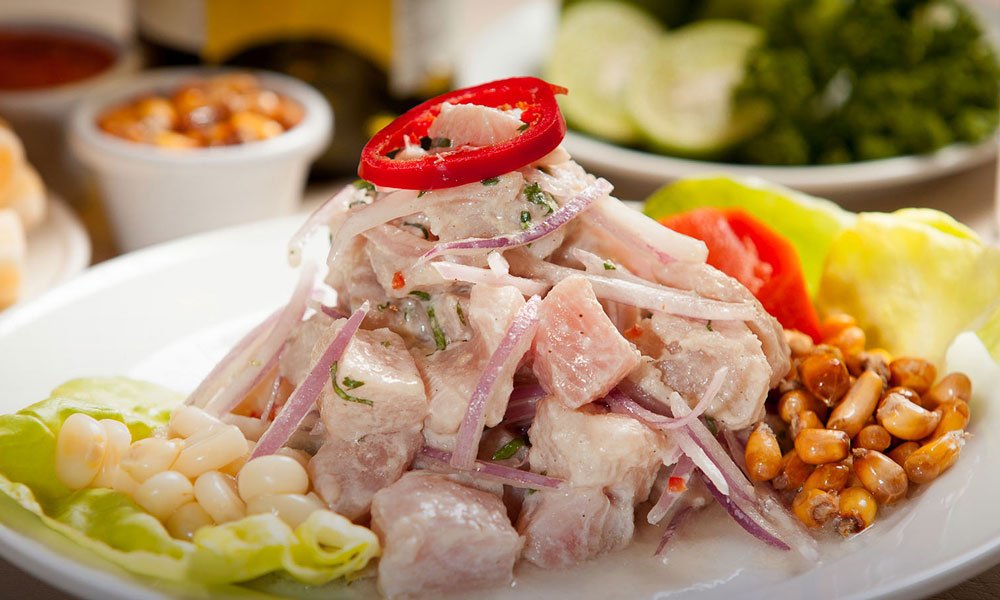
- 🐟 Ceviche: fresh fish marinated in lime juice, with red onion, limo chili, and cilantro. It’s served with sweet potato and large corn.
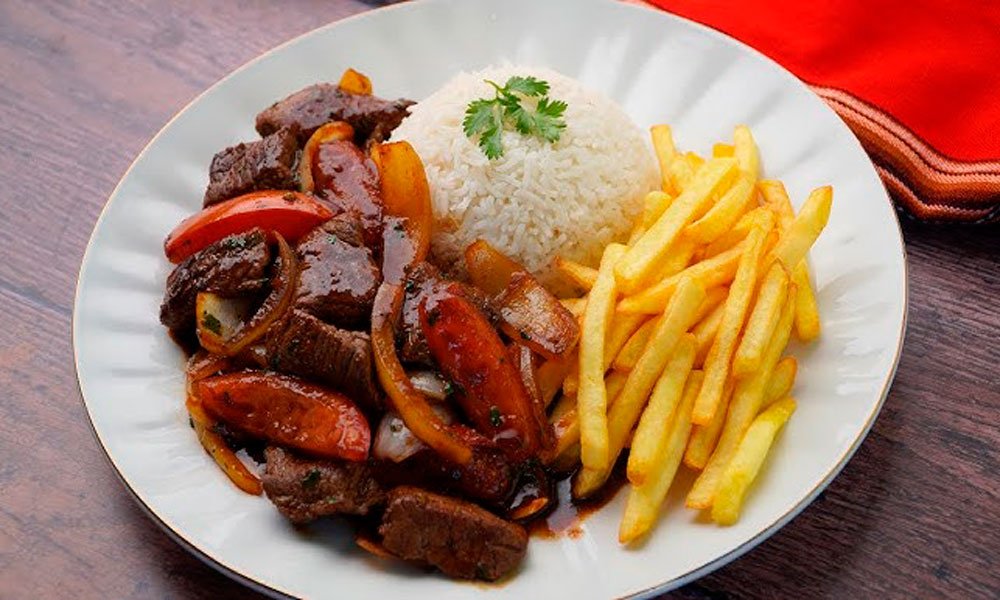
- 🍛 Lomo saltado: beef stir-fried with onions, tomato, soy sauce, and French fries. A jewel of Peruvian-Chinese fusion.
- 🍜 Tiradito: similar to ceviche, but the fish is cut like sashimi and comes with a creamier sauce.
👉 In short: Lima is fresh, cosmopolitan, and marine, perfect if you love intense yet balanced flavors.
🏔️ Cusco Cuisine: The Taste of the Andes
Cusco, on the other hand, is located in the highlands, over 3,000 meters above sea level.
Here the food is more rustic, ancestral, and energetic, designed to withstand the cold mountain climate.
It uses native ingredients like potatoes (there are more than 3,000 varieties in Peru 😱), corn, quinoa, and Andean meats such as cuy (guinea pig) or alpaca.
Typical dishes of Cusco:
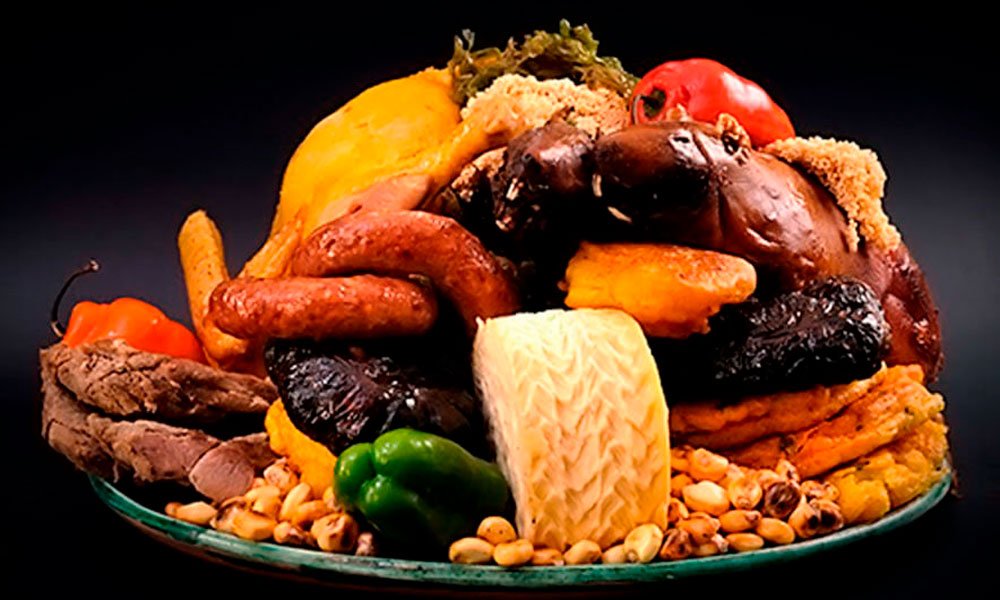
- 🥩 Chiriuchu: festive dish with cold meats, toasted corn, cheese, egg, and guinea pig.
- 🍲 Chairo: thick soup with meat, dried potatoes (chuño), vegetables, and Andean herbs.
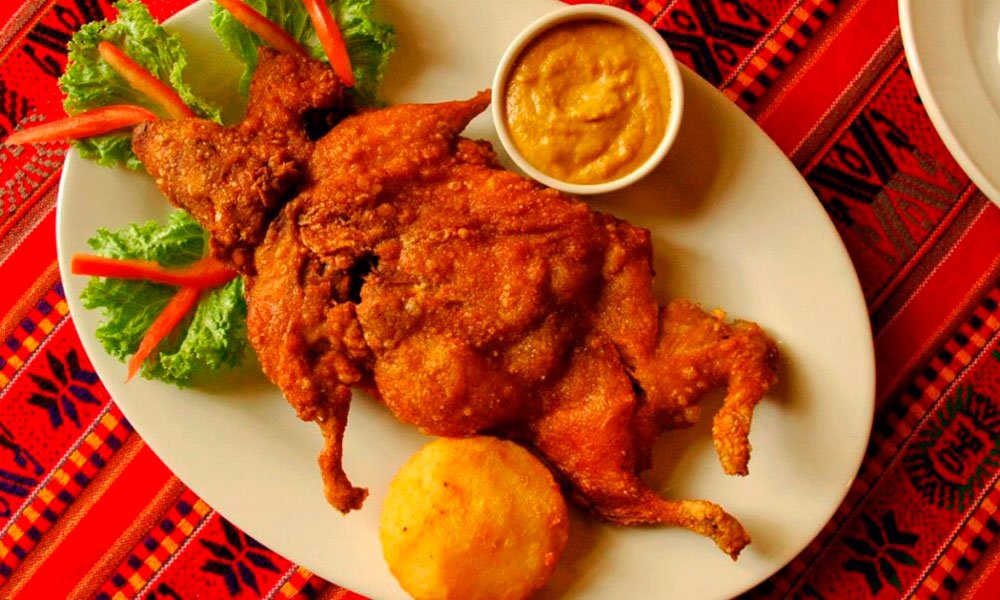
- 🍖 Cuy chactado: whole fried guinea pig — crispy on the outside, tender inside.
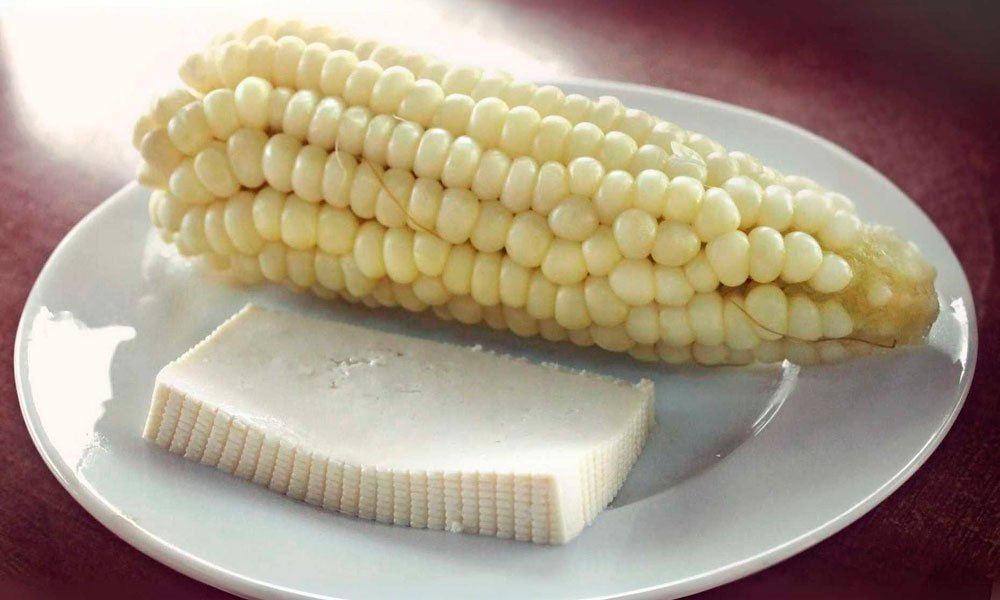
- 🧀 Andean cheese and native potatoes: simple but full of local flavor.
👉 In summary: Cusco is earthy, traditional, and hearty, ideal if you enjoy homemade food with indigenous roots.
🌮 Comparing it with Mexico:
We could say that:
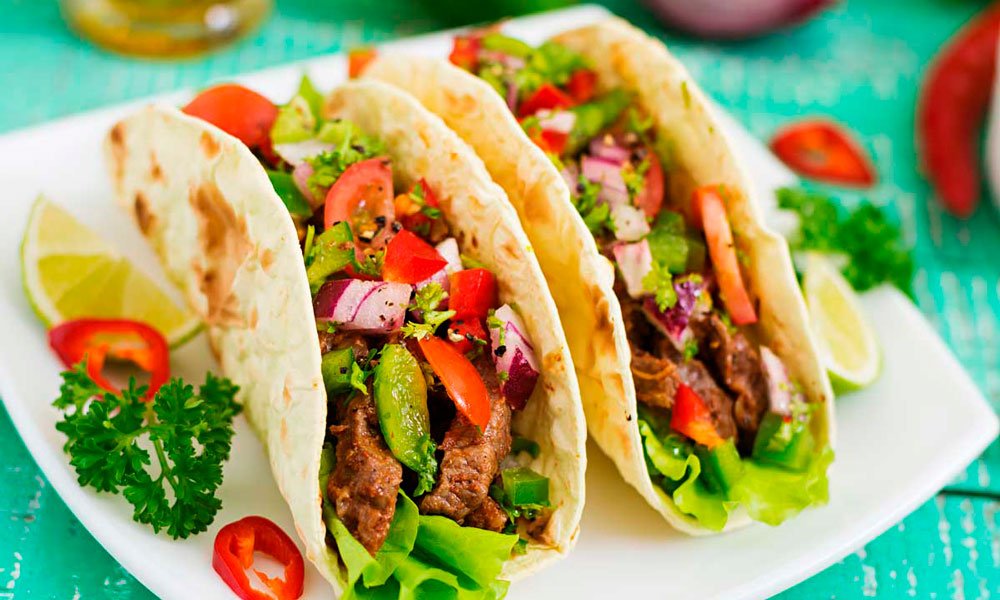
- Lima is more like the cuisine of Veracruz or Ensenada, for its love of the sea and citrus flavors.
- Cusco resembles the cuisine of Oaxaca or Puebla, for its connection to tradition, corn, and indigenous heritage.
🍷 Traveler Tip:
If you travel to Peru, eat ceviche in Lima and chiriuchu or cuy in Cusco. Don’t swap them: ingredients and climate change the flavor.
And if you dare, try chicha morada (purple corn drink) or a pisco sour — you’ll want another one!
Peruvian Gastronomic Route for Curious and Hungry Mexicans
🏙️ 1. Lima — The Capital of Flavor
📍 Recommended stay: 2–3 days
🍴 Style: coastal, fresh, marine, and cosmopolitan
Must-try dishes:
- 🐟 Classic ceviche: fresh, tangy, and vibrant (try it at La Mar or Punto Azul).
- 🍛 Lomo saltado: beef with fries and rice — a delicious Chinese-Peruvian fusion.
- 🍜 Tiradito: like sashimi with a touch of chili.
- 🦑 Arroz con mariscos: similar to paella, but with more chili and flavor.
- 🍸 Pisco Sour: the national cocktail, made with pisco, lime, egg white, and bitters.
💡 Mexican Tip: if you’re not a fan of spicy food, ask for “sin ají” or “con poco ají,” because Limeños love strong flavor, though it’s not like Mexican chili (it’s more citrusy).
📸 Recommended restaurants:
-
La Mar Cevichería (for top ceviches)
-
El Mercado (casual yet elegant)
-
Central (for a luxury modern experience)
-
Panchita (for traditional homemade Creole food)
🏔️ 2. Cusco — The Tradition of the Andes
📍 Recommended stay: 3–4 days (and acclimatize to altitude sickness 🏔️)
🍴 Style: Andean, rustic, and energetic
Must-try dishes:
- 🥩 Cuy chactado: the famous fried guinea pig — mild flavor, very traditional.
- 🥘 Chiriuchu: festive dish with meat, egg, and toasted corn (typical at celebrations).
- 🍲 Chairo soup: comforting for the Andean cold.
- 🌾 Lake Titicaca trout: light, similar to Mexican white fish.
- 🍫 Artisanal chocolate: Cusco has some of the world’s best cacao.
💡 Mexican Tip: chili here is milder — you can try it without fear.
And beware of altitude sickness: eat light the first days and avoid alcohol for the first 24 hours.
📸 Recommended restaurants:
-
Chicha by Gastón Acurio (modern Andean cuisine)
-
Pachapapa (traditional setting with wood oven)
-
Green Point (vegan but delicious even if you’re not)
🏞️ 3. Sacred Valley and Machu Picchu — Energy and Nature
📍 Recommended stay: 2–3 days
🍴 Style: rural cuisine, with fresh produce from the countryside
Must-try dishes:
- 🌽 Choclo con queso: giant corn with Andean cheese — simple but addictive.
- 🍠 Baked native potatoes: in a thousand colors and flavors.
- 🍷 Chicha morada or chicha de jora: ancestral drinks (the first non-fermented, the second fermented).
- 🥗 Quinoa and corn in all forms: from soups to salads.
📸 Recommended restaurants:
-
Tunupa (Urubamba – buffet with river view)
-
El Huacatay (Urubamba – excellent local fusion)
-
Indio Feliz (Aguas Calientes – the classic before climbing Machu Picchu)
🌋 4. Arequipa — The “White City” and Its Elegant Spice
📍 Recommended stay: 2 days
🍴 Style: Creole cuisine with rocoto chili (the strongest Peruvian pepper)
Must-try dishes:
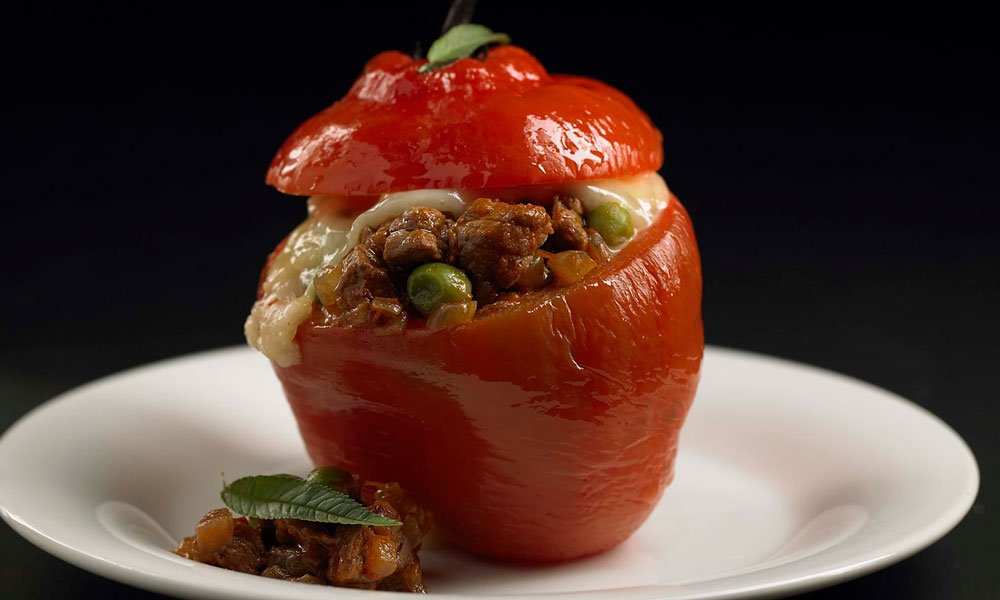
- 🌶️ Rocoto relleno: spicy pepper stuffed with meat and cheese, au gratin.
- 🍲 Ocopa arequipeña: potatoes with peanut and huacatay (aromatic herb) sauce.
- 🍗 Adobo arequipeño: pork stew in chicha (corn beer).
💡 Mexican Tip: this one does burn 😅 — but it’s worth it! Think of it as a “gourmet chile relleno.”
📸 Recommended restaurants:
-
Zig Zag (meats and trout on hot stones)
-
La Nueva Palomino (traditional picantería)
🍴 Final Tips for Eating in Peru:
-
Eat local: avoid international chains — the small fondas and picanterías are the country’s soul.
-
Stay hydrated: at high altitude, your body needs more water.
-
Don’t compare spice levels: Peruvian ají is different from Mexican chili — fruitier and less aggressive.
-
Give potatoes and corn a chance: Peruvians reinvent them in a thousand ways.