


“What to do in Puno in 2 days?”
Puno, the gateway to Lake Titicaca, offers a unique blend of culture, history, and nature. Over two days , you can explore its main tourist attractions, such as the Plaza de Armas, local markets, and the Baroque cathedral, as well as enjoy a stroll along the lake’s shoreline. You can also visit the Floating Islands of the Uros and immerse yourself in the traditions and landscapes of the Peruvian highlands. This guide will help you make the most of your visit and discover the best that Puno has to offer.
Day 1: Exploring downtown Puno
Plaza de Armas of Puno
The Plaza de Armas, also called Plaza Mayor, is the city’s nerve center and a meeting point for both locals and tourists. It is also considered the social and cultural heart of Puno, where celebrations, civic events, and traditional festivities such as the Fiesta de la Virgen de la Candelaria take place.
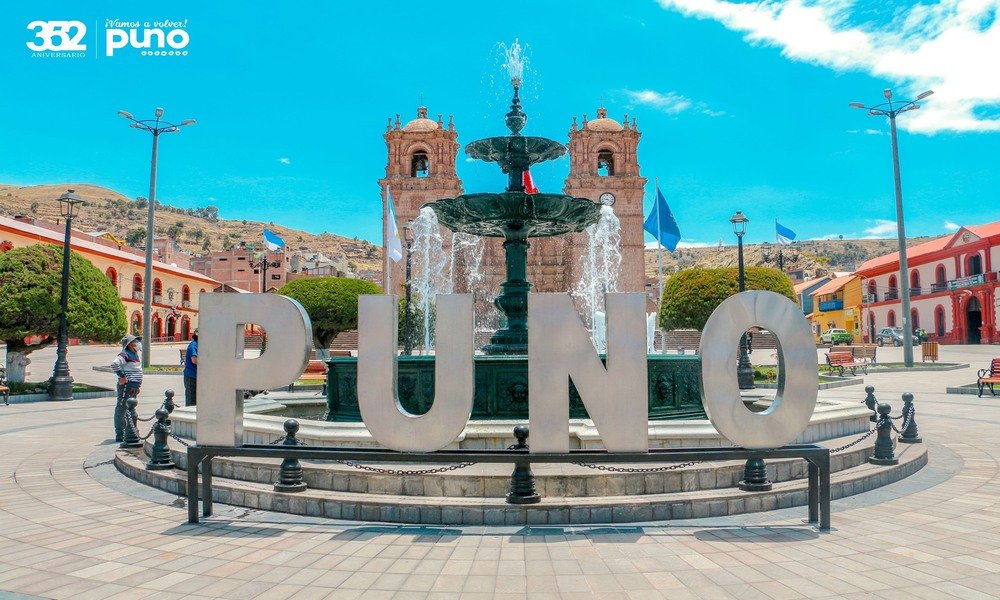
It’s also an ideal spot to admire the Puno Cathedral, built in the 18th century. A prime example of Andean Baroque architecture, its carved stone facade and artistic details reflect the Spanish influence in the region. Furthermore , the picturesque setting with its gardens, benches, and lanterns is perfect for taking photos.
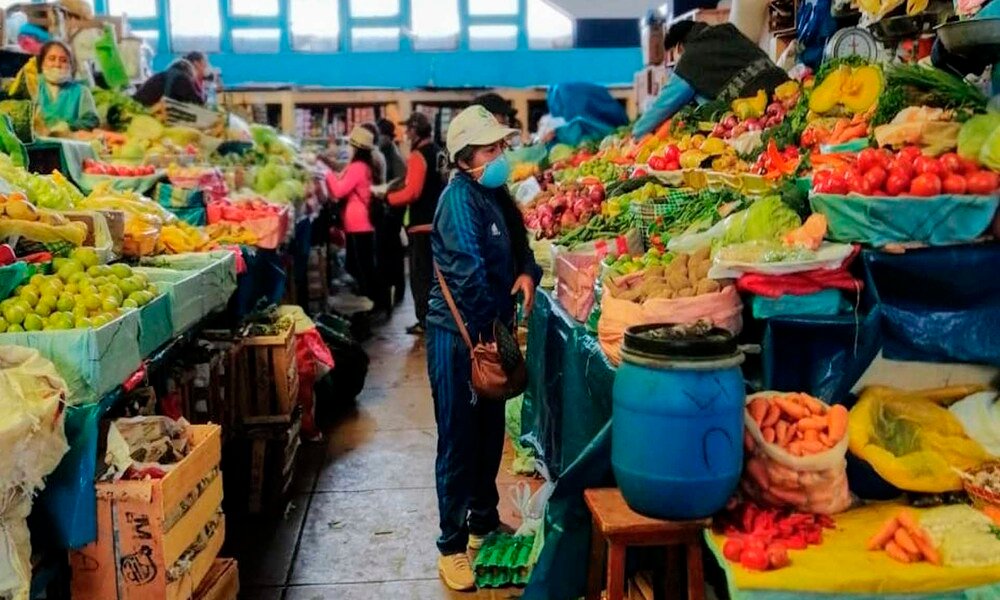
Puno Central Market
The market is an excellent place to observe the daily life of the locals. There , you can sample typical products such as artisanal cheeses, Andean fruits, and chicha de jora (a fermented corn beverage), and also buy souvenirs like textiles, hats, and local crafts.
Church of San Juan Bautista or Convent of Santa Catalina
The Church of San Juan Bautista and the Convent of Santa Catalina are jewels of Puno’s colonial architecture. These sites offer a glimpse into the city’s religious and cultural life, allow visitors to admire its sacred art, and provide a space that reflects the tradition and history of the Peruvian highlands.
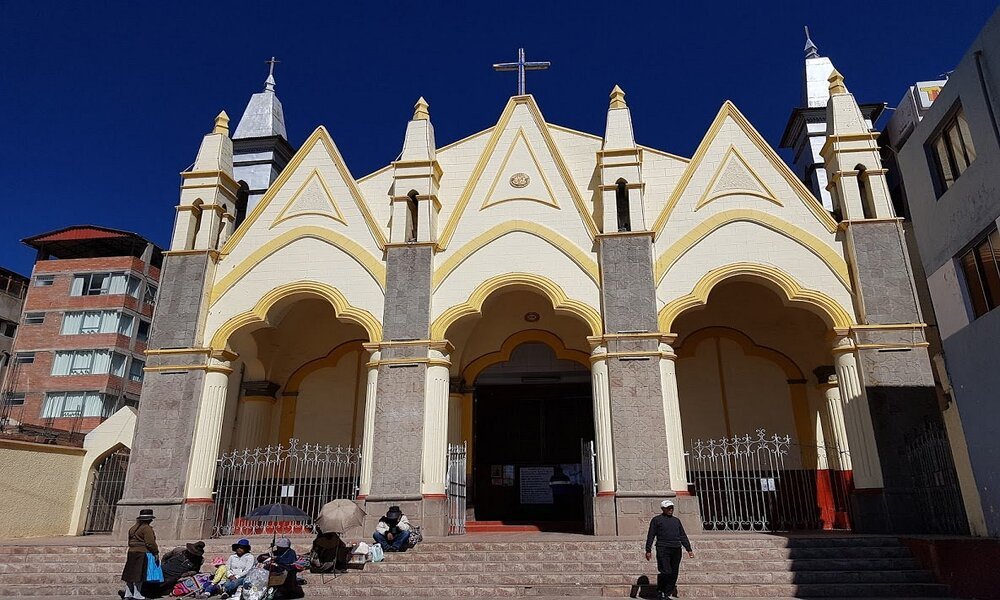
They allow you to appreciate altars, paintings and details of sacred art typical of the Andean region.
They allow you to learn about local history, culture and traditions and understand the Spanish influence on religion and education in the Peruvian highlands.
Stroll along the shores of Lake Titicaca
A stroll along the lakefront offers panoramic views of the lake, the chance to observe the fishermen at work and the local wildlife, and a relaxing experience while admiring one of the most iconic landscapes of the Peruvian highlands. Short boat trips are also available, weather permitting.
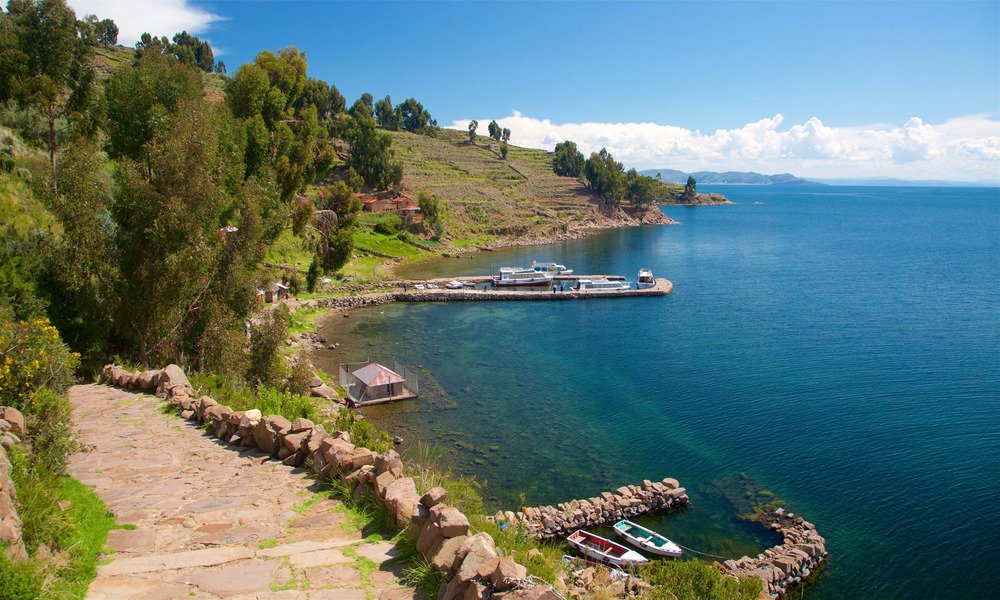
Day 2: Lake Titicaca and nearby islands
Uros Floating Islands
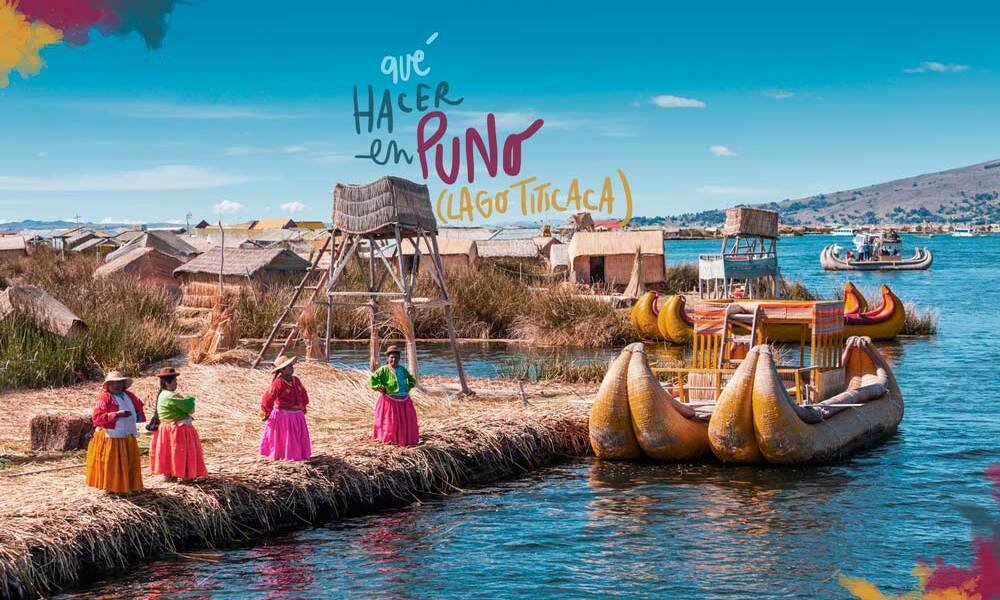
The Uros are an indigenous people of the Peruvian and Bolivian highlands, known for building and inhabiting the Floating Islands of totora reeds on Lake Titicaca.
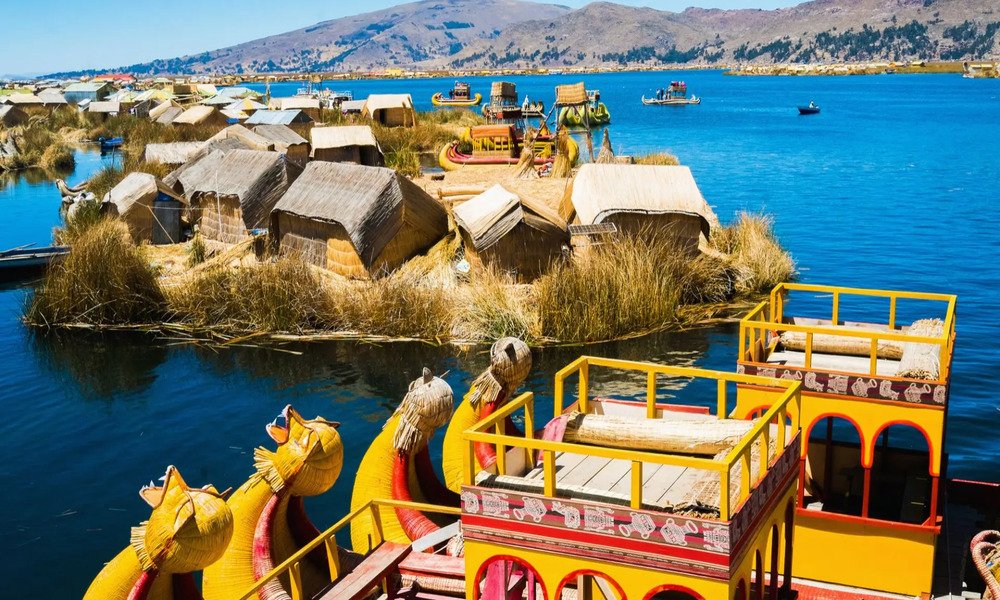
Main characteristics:
Floating islands: made with layers of totora reeds, an aquatic plant from the lake, which is constantly renewed.
Housing and culture: They build houses, boats and traditional objects with totora reeds.
Economy: based on fishing, tourism and the sale of handicrafts .
Tradition: They maintain ancestral customs, including clothing and cultural practices typical of the highlands.
A visit to the Floating Islands of the Uros usually lasts between 2 and 3 hours, depending on the type of tour.
Example:
Boat transfer: approximately 30–40 minutes from Puno to the islands.
Island tour: short walks to see the houses, craft workshops and traditional boats.
Interaction with the inhabitants: time to learn about their customs, culture and daily life.
Some tours include lunch or cultural demonstrations, which can extend the visit to 3–4 hours.
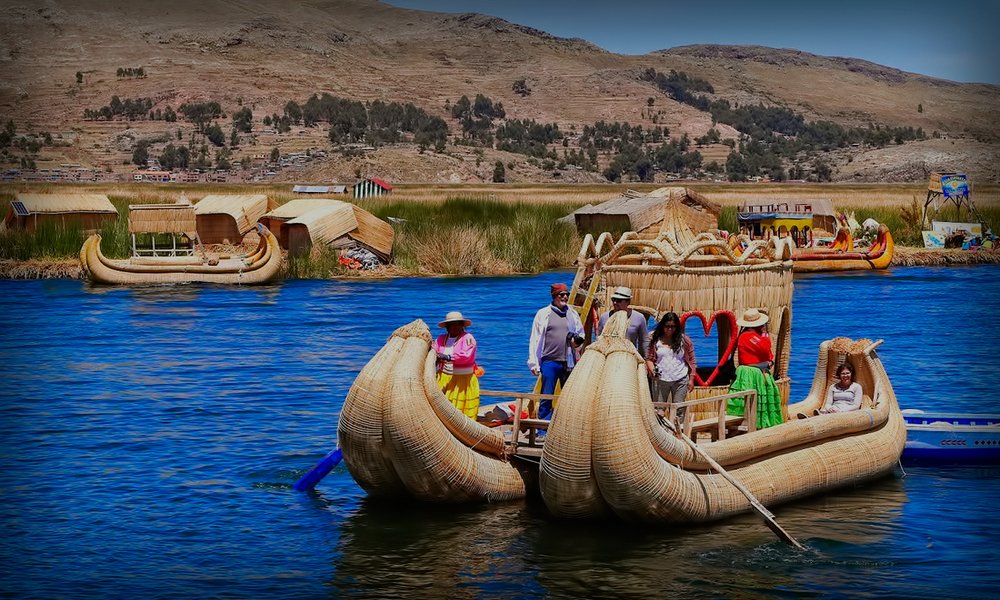
Kuntur Wasi Viewpoint (Puno Viewpoint)
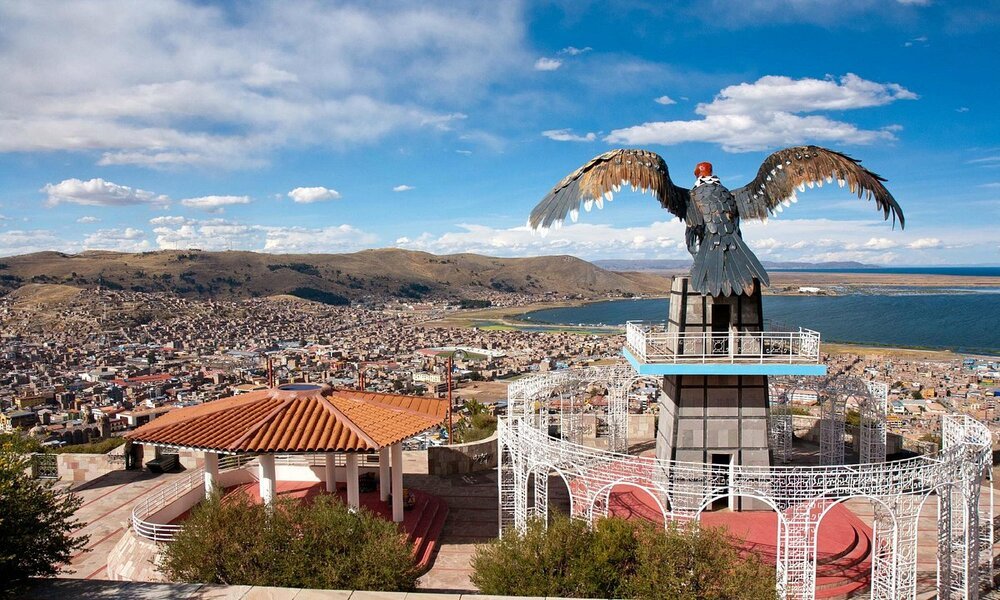
This panoramic viewpoint offers complete views of the city of Puno and Lake Titicaca. Its name in Quechua means “House of the Condor”.
Location: It is located on one of the highest hills in Puno, a few minutes from the city center, and can be accessed by car, taxi or walking along a path.
Why visit it: It offers panoramic views of the city and Lake Titicaca, making it ideal at sunset for photography and contemplation.
Carlos Dreyer Museum or Folklore Museum (optional)
The Carlos Dreyer Museum and the Folklore Museum in Puno are ideal places to learn about the history, culture, and traditions of the Peruvian highlands. They also exhibit religious art, colonial artifacts, and traditional clothing, offering a comprehensive view of local life and customs.
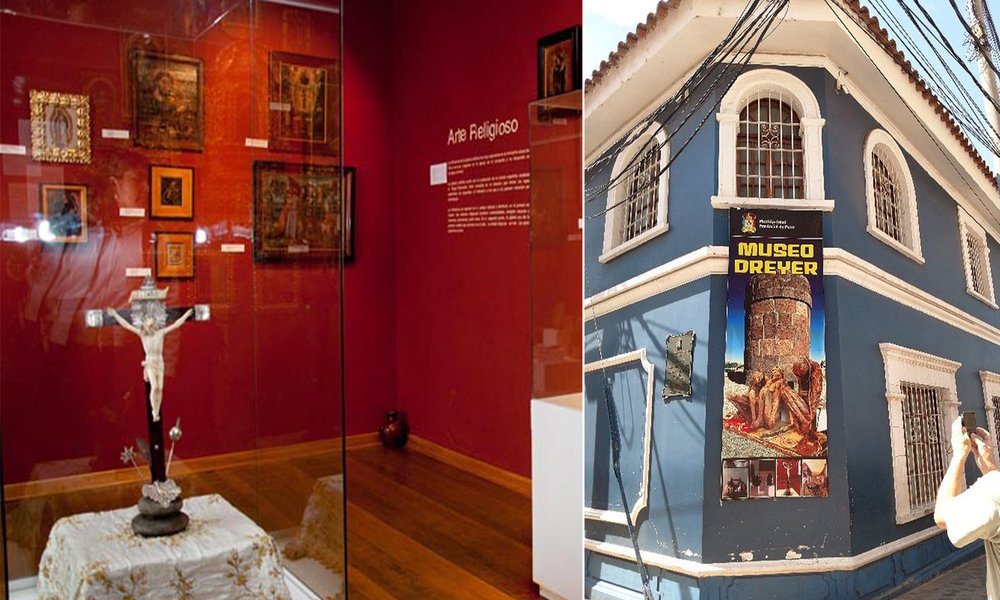
They showcase religious art, history, and Andean traditions.
They are perfect if you want to learn more about the local culture on a quick visit.