WHERE IS BETTER TO STAY: IN CUSCO OR IN THE SACRED VALLEY?
Where to stay in Cusco or the Sacred Valley is one of the most important decisions when planning your trip to Peru. Both destinations offer unique and complementary experiences that reflect the essence of the Andean world. Cusco, with its rich history, Inca temples, colonial architecture, and vibrant cultural life, is ideal for acclimatizing to the altitude, enjoying local cuisine, and exploring the legacy of the ancient Inca Empire. In contrast, the Sacred Valley stands out for its tranquility, natural landscapes, and proximity to Machu Picchu, perfect for relaxing and connecting with nature. Choosing between the two will depend on your travel style: if you prefer culture and urban life, Cusco is your choice; If you seek calm and spiritual connection, the Sacred Valley will be your refuge. In this guide, you’ll discover the advantages of each location to fully enjoy your adventure through the heart of the Peruvian Andes.
Features
Cusco (City)
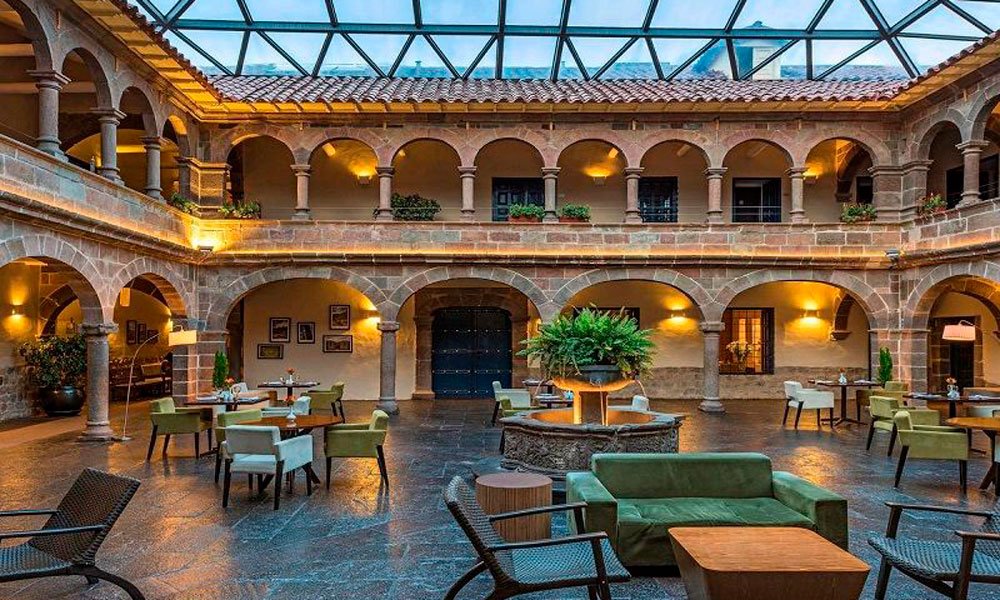
Located at 3,399 meters above sea level, Cusco combines Inca history and colonial charm in a vibrant atmosphere filled with cobblestone streets, museums, and restaurants. It is the ideal starting point for exploring the surrounding area, with direct access to ruins such as Sacsayhuamán, Qenqo, and Tambomachay. The city offers an excellent hotel infrastructure, from budget hostels to boutique and luxury hotels. It also has its own airport and multiple transportation options, making it the main logistical hub for tours to the Sacred Valley and Machu Picchu.
Sacred Valley of the Incas
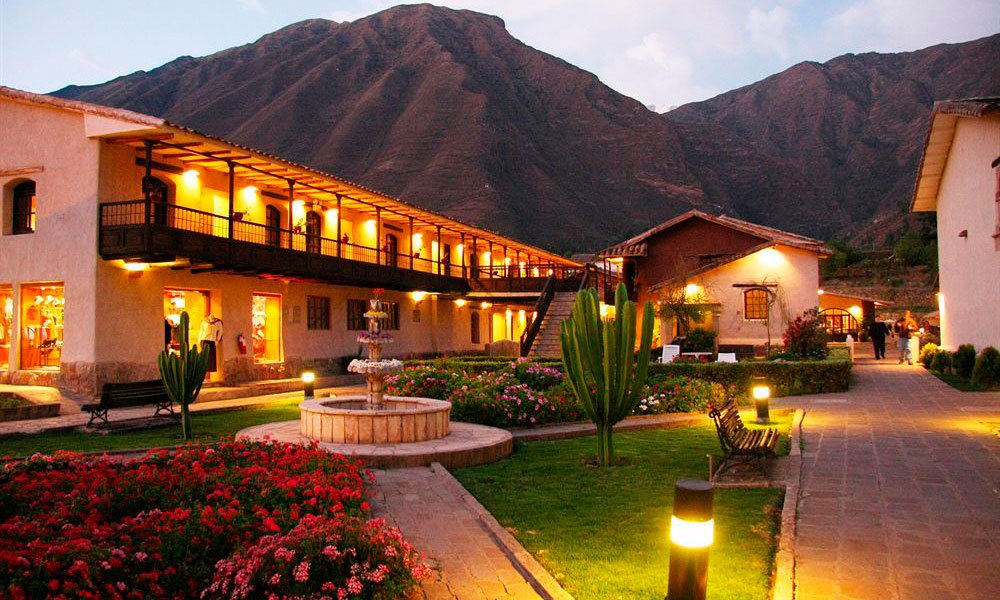
Located between 2,700 and 2,900 meters above sea level, the Sacred Valley offers a more peaceful and natural environment, surrounded by mountains, rivers, and Andean villages steeped in tradition. It is very close to attractions such as Ollantaytambo, Pisac, Maras, and Moray. Its hotel offerings consist primarily of rural lodges, family-run lodgings, and boutique hotels. Although connecting towns requires more travel, traveling by private transportation or organized tours makes the experience easier and more comfortable for families.
Hotels in Cusco
Staying in Cusco is experiencing the essence of the Andean world. At over 3,300 meters above sea level, this city combines Inca history, colonial architecture, and a unique energy that captivates all travelers. Sleeping in Cusco is not only convenient for acclimatizing before visiting Machu Picchu or Rainbow Mountain, but also an incomparable cultural experience. Its strategic location allows easy access to the airport, travel agencies, artisan markets, and ancient temples. With a wide range of hotels and internationally recognized cuisine, Cusco becomes the ideal starting point for exploring the heart of the ancient Inca Empire.
Advantages of staying in Cusco
Better adaptation and starting base
Cusco is located at 3,399 meters above sea level; For this reason, many tourists recommend spending the first few nights here to acclimatize before climbing higher elevations or undertaking difficult hikes, such as the Rainbow Mountain or the Inca Trail.
Cusco is also the ideal place to begin your adventure in southern Peru, as it was the heart of the ancient Inca Empire.
Ease of logistics and connectivity
The Alejandro Velasco Astete International Airport, located in the city of Cusco, is the main entry point for tourists in this area. Most tours to Machu Picchu, the Sacred Valley, or the Rainbow Mountain begin from here.
Additionally, you’ll find pharmacies, hospitals, currency exchange offices, travel agencies, and banks; it’s perfect for those who prefer to have all services close by.
A Wide Range of Accommodations
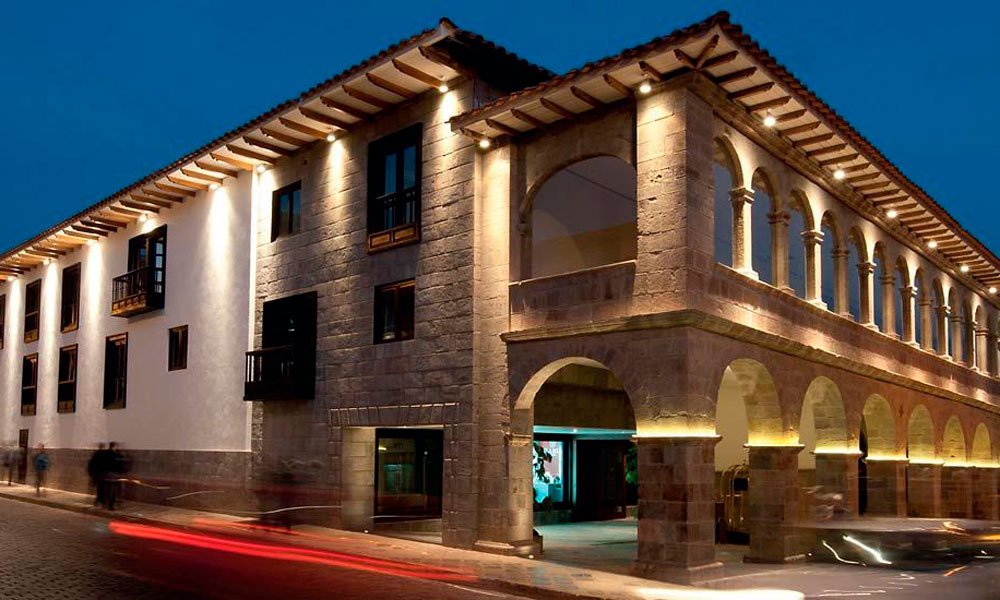
Cusco offers one of the largest hotel options in the country, ranging from budget hostels for backpackers to boutique hotels with views of the Andes.
In the historic center, you have the option of staying in contemporary hotels offering all the amenities or in restored colonial mansions.
Tip: If you want a convenient location, stay near Santa Ana, San Blas, or the Plaza de Armas.
Culture, Gastronomy, and City Life
Cusco isn’t just history; it also has an unparalleled energy.
Don’t miss the opportunity to walk its cobblestone streets, visit museums like the Inca Museum or the Pre-Columbian Art Museum, taste Andean trout or lomo saltado, and enjoy a pisco sour while gazing at the illuminated city.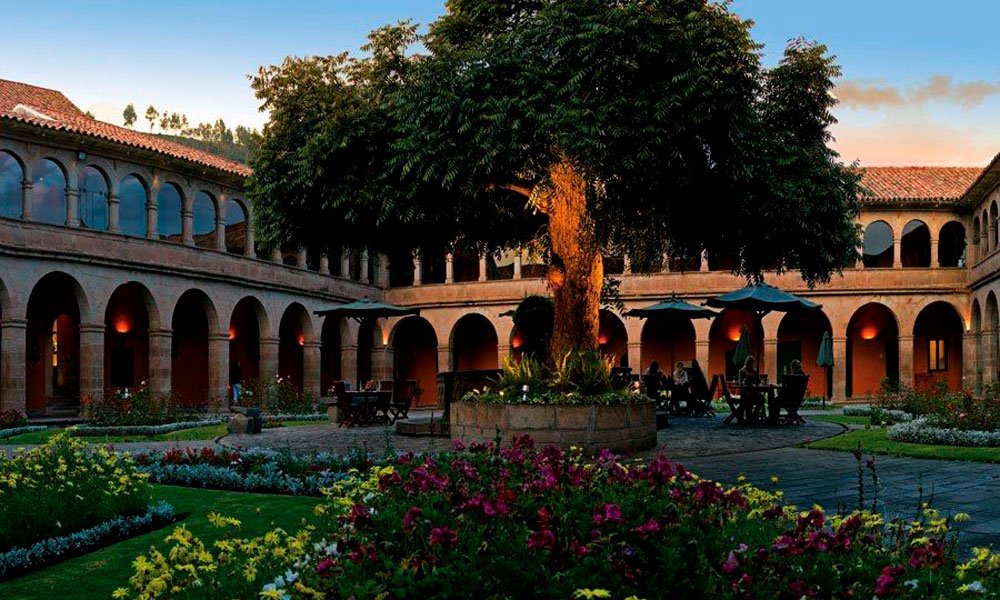
Disadvantages of staying in Cusco
High Altitude: Cusco is located at 3,399 meters above sea level. Despite its breathtaking scenery, the altitude can be impactful for some travelers, especially in the first 24 to 48 hours after arrival.
Soroche (also called altitude sickness) can cause subtle symptoms such as fatigue, dizziness, headaches, or shortness of breath. This happens because the body needs time to adjust to the reduced oxygen in the air.
More Noise and Traffic: Cusco is a busy tourist city, so there is constant movement, especially in the historic center.
Longer Travel Times to Machu Picchu: One of the logistical disadvantages of sleeping in Cusco is the distance to the train station that takes you to Machu Picchu.
Trains to Aguas Calientes (the base town for visiting Machu Picchu) depart from Ollantaytambo or Poroy, and getting to these stations involves an additional trip:
- Cusco – Ollantaytambo: approximately 2 hours by car or tourist bus.
- Cusco – Poroy: approximately 30–40 minutes, but not all trains operate from Poroy year-round.
This means that if you have an early train (for example, at 6:00 am), you should leave Cusco between 3:30 and 4:00 am This can be exhausting, especially after a busy day of touring or if you are traveling with children.
Hotel in the Sacred Valley
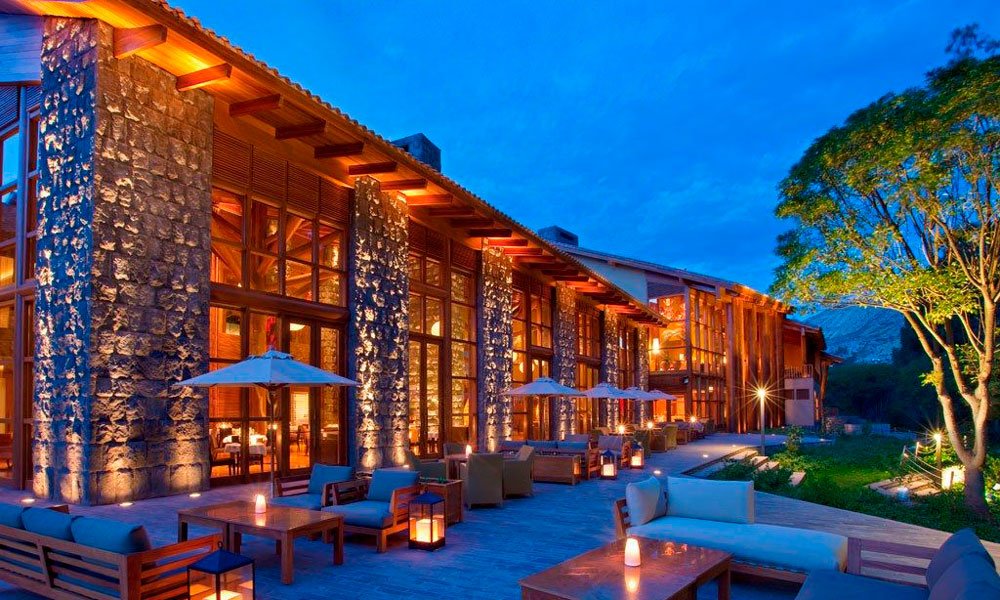
For those seeking peace, nature, and an authentic experience in the Peruvian Andes, staying in the Sacred Valley is the perfect option. This valley offers a milder climate and a lower altitude than Cusco, making it easier to acclimatize and ensuring a restful night’s sleep. Surrounded by mountains, rivers, and ancient Inca villages, it invites you to enjoy unique landscapes and moments of complete disconnection. Staying in places like Ollantaytambo, Pisac, or Urubamba allows you to be close to the main archaeological sites and the train station to Machu Picchu. Their hotels and lodges blend harmoniously with nature, offering spectacular views and a deep connection with Andean culture. If you’re wondering where to stay in Cusco or the Sacred Valley, choosing the Valley offers a more peaceful, intimate, and spiritual experience, connecting you with the purest essence of Peru.
Advantages of staying in the Sacred Valley
Lower altitude and milder climate
The Sacred Valley is located between 2,700 and 2,900 meters above sea level, depending on the town.
This makes it ideal for those seeking a cooler environment, with lower altitude and better sleep. Many tourists arriving in Cusco choose to stay their first few nights in the city to gradually acclimatize.
Proximity to Machu Picchu and archaeological sites
If you’re planning to visit Machu Picchu, staying in Ollantaytambo is a great advantage. The direct train to Aguas Calientes departs from here, so you can save time and not have to get up so early.
The Sacred Valley also contains wonderful sites, such as Maras, Pisac, the Salt Mines, and Moray, all located within walking distance of each other.
Cultural Connection, Peace, and Nature
The Sacred Valley is perfect for those seeking tranquility, clean air, and a connection with nature.
Its communities keep Andean customs alive: local fairs, handmade weavings, celebrations, and genuine hospitality.
For many visitors, the experience of waking up to views of the Andes or falling asleep listening to the sound of the Urubamba River is captivating.
Charming Accommodations
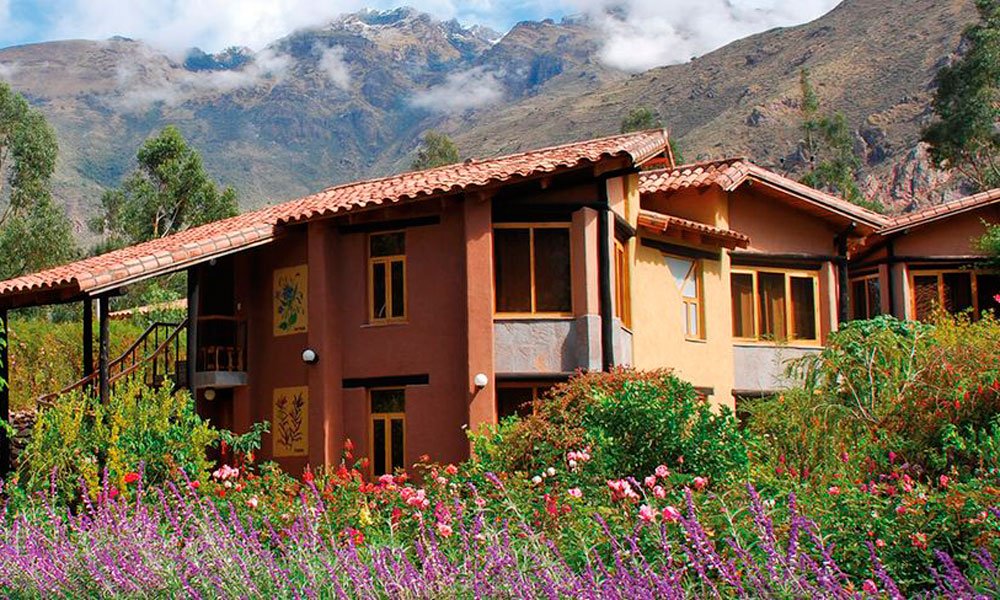
In the Valley, you’ll find restored haciendas, eco-lodges, and boutique hotels that blend comfort with an unparalleled natural environment.
Some even offer wellness activities, such as massages, yoga, temazcales, or dinners under the stars.
Tip: To experience both, many tourists spend two nights in the Sacred Valley and two in Cusco.
Disadvantages of staying in the Sacred Valley
Staying in the Sacred Valley is a unique experience for those seeking tranquility, natural landscapes, and a break from the urban pace. However, it also involves certain important considerations.
One of the main factors is the distance to urban services. If you need specialized medical care, visit a bank, or shop in large stores, you will have to travel to the city of Cusco, which can take between one and two hours depending on your location. Therefore, if you are traveling with children or older adults, it is worth keeping this in mind, although for those seeking peace and nature, it is usually not an issue.
Regarding transportation, the Sacred Valley has local taxis, buses, and tourist services, but the distances between towns can be long. If you plan to travel frequently or take daily excursions, it is advisable to plan your schedule in advance or hire private transportation. At night, mobility is reduced, so it’s best to plan your return before nightfall.
It’s also important to consider that some rural accommodations are in remote areas or with limited access. Always check the road conditions and whether the hotel offers transfers from key points, especially if your train or tour departs early.
During high season, between June and August, the Sacred Valley receives a large number of visitors, and places like Urubamba or Ollantaytambo often fill up quickly, raising prices. For a more relaxing stay, it’s recommended to book in advance or choose less touristy towns like Maras or Yucay, where the valley’s natural charm remains intact.
Conclusion: Cusco or the Sacred Valley?
Choosing between Cusco and the Sacred Valley depends on the type of experience you’re looking for. Cusco is ideal for those who enjoy history, culture, and urban convenience, with museums, temples, and a vibrant local life. The Sacred Valley, on the other hand, offers tranquility, natural landscapes, and proximity to Machu Picchu, perfect for resting and disconnecting. The best option is to combine both: start in Cusco to acclimatize and explore the city, and then relax in the Sacred Valley before visiting Machu Picchu, achieving the perfect balance of Andean culture, nature, and spirituality.