


Differences between Salkantay Trek and Inca Jungle Trek
If you are planning a trip to Machu Picchu, it is essential to understand the differences between the Salkantay Trek and the Inca Jungle Trek. Both routes are popular alternatives, but they offer very different experiences in terms of difficulty, activities, landscapes, and travel style.
Type of experience
Salkantay Trek: pure high-mountain trekking
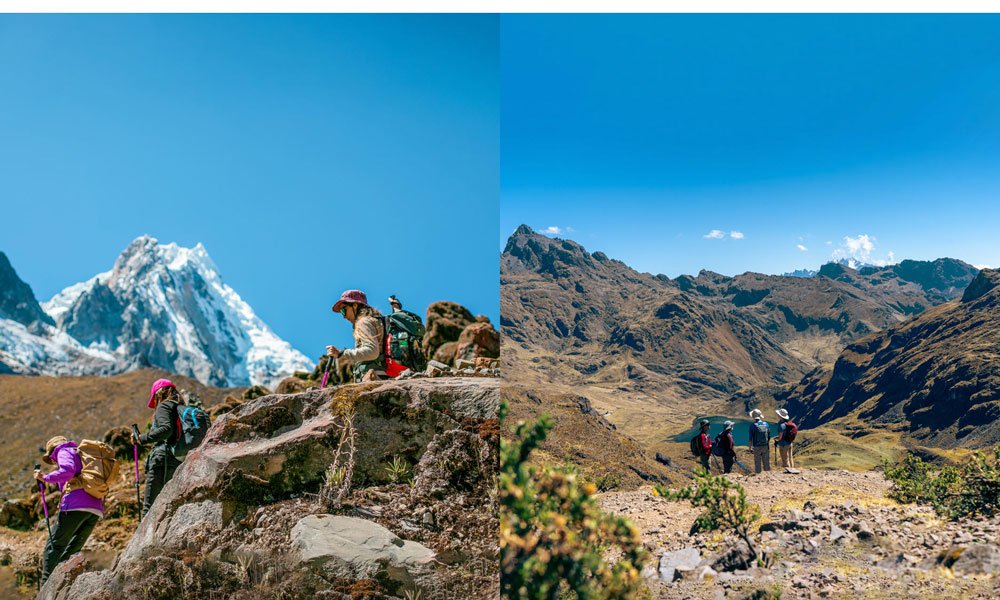
The Salkantay Trek stands out for being a route focused entirely on trekking. For several days, the traveler covers long distances on foot in remote natural environments, allowing a deep connection with nature and direct contact with impressive Andean landscapes. Along the route, diverse ecosystems are crossed, from high snowy mountains and glaciers to deep valleys and jungle areas, offering a unique visual experience. The route is isolated, with few people, creating an atmosphere of tranquility and contemplation. This type of trip requires the hiker to set their own pace and allows them to appreciate details of the flora, fauna, and landscape changes not perceived on busier routes. In addition, the Salkantay Trek offers a more introspective approach, where each stage of the trail invites enjoying calm, relative solitude, and the vastness of the Andes, making this route an authentic and challenging experience at the same time.
Inca Jungle Trek: adventure with multiple activities
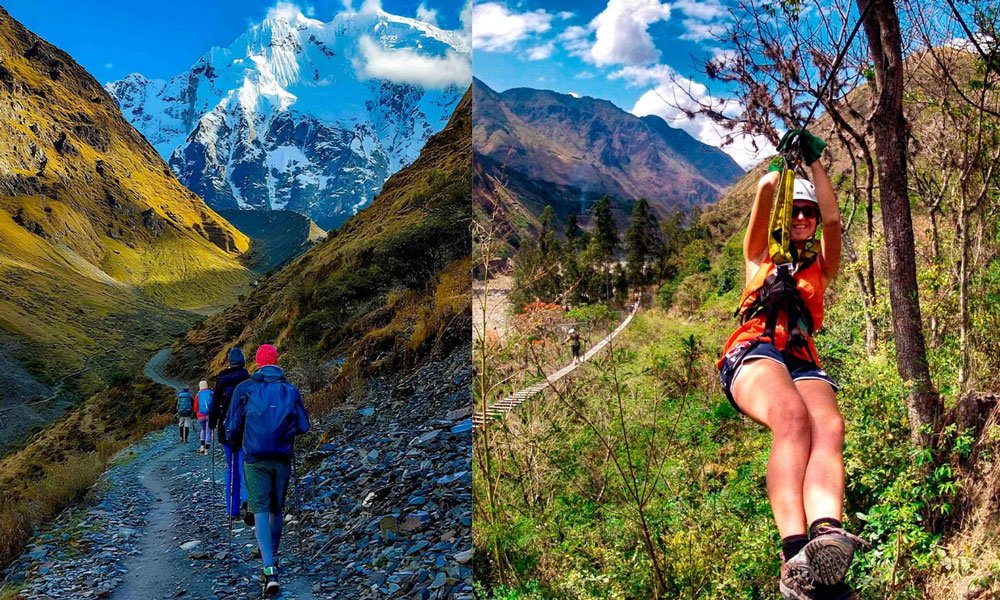
The Inca Jungle Trek, on the other hand, offers a much more varied and active experience. It combines hiking with activities such as mountain biking, rafting, and zip-lining, making the route a dynamic and adrenaline-filled adventure. Unlike the Salkantay, this route alternates different types of physical effort and scenarios, keeping the traveler in constant movement and providing diverse sensations along the way. The main landscapes include high jungle, rivers, and lush vegetation, allowing closer contact with the tropical environment. The combination of trekking with adventure sports makes the trip entertaining and social, ideal for those seeking exciting experiences, interaction with other travelers, and a more active pace compared to the contemplative focus of the Salkantay Trek. In addition, this route offers the opportunity to explore the region in a more playful and participatory way, enjoying different types of landscapes and activities on the way to Machu Picchu.
Level of difficulty
Salkantay Trek: high physical demand
One of the most notable differences between the Salkantay Trek and the Inca Jungle Trek is the level of difficulty. The Salkantay Trek is considered a considerable physical challenge, as it involves long, continuous walks over several days, crossing uneven terrain with steep slopes. Altitude adds an additional challenge: the highest point of the route, near Nevado Salkantay, exceeds 4,600 meters above sea level, which can cause altitude sickness if one is not prepared. Furthermore, the terrain conditions can include rocks, steep trails, and muddy or snowy sections depending on the season, requiring strength, endurance, and good coordination. This demand makes the Salkantay Trek an intense and rewarding experience for those seeking a true physical and mental challenge in the mountains.
Inca Jungle Trek: moderate difficulty
The Inca Jungle Trek, in contrast, has a more accessible level of difficulty. Although it also requires physical activity and effort, its hikes are usually shorter and alternated with activities involving different types of exercise, such as biking, rafting, or zip-lining. This allows the trip to be more varied and less exhausting, avoiding the continuous demand typical of high-mountain trekking. The Inca Jungle Trek is ideal for travelers who want to enjoy adventure and contact with nature without the pressure of long walking days or extreme altitude. In addition, this route allows people with different fitness levels to participate, making it a more inclusive option for mixed groups or beginner travelers.
Landscapes and natural environment
Salkantay Trek: diversity of ecosystems
The Salkantay Trek is distinguished by its impressive variety of landscapes and ecosystems, making it one of the most complete routes in the Cusco region. Its main attractions include:
-
Snowy mountains and glaciers, especially near Nevado Salkantay.
-
Crystal-clear lagoons of great beauty, ideal for photography and contemplation.
-
Andean valleys with typical highland vegetation, allowing observation of llamas, alpacas, and local birds.
-
Cloud forests and lower jungle areas, showing the transition between different ecosystems.
-
Rich native flora and fauna, offering unique moments of connection with nature.
This diversity makes each stage of the route unique, offering changing landscapes and memorable experiences for those seeking adventure, tranquility, and direct contact with nature.
Inca Jungle Trek: predominance of high jungle
The Inca Jungle Trek focuses on the high jungle, offering a tropical environment full of vegetation, rivers, and green landscapes. Its main characteristics are:
-
Trails surrounded by lush vegetation and tropical flora.
-
Rivers, waterfalls, and small streams along the route.
-
Warm and humid landscapes, typical of the high jungle.
-
Opportunity to observe local flora and fauna different from that of the Andes.
-
Ideal environment for outdoor activities, combining adventure with contact with tropical nature.
Although its diversity of landscapes is lower than that of the Salkantay Trek, it offers a more relaxed and accessible experience, focused on adventure, exploration, and connection with a jungle environment.
Activities included
Salkantay Trek: trekking only
The Salkantay Trek is known for being a route focused exclusively on trekking, offering an authentic and deep experience in nature. Its main features include:
-
Long, continuous hikes over several days, covering different ecosystems from snowy mountains to valleys and jungle areas.
-
Less-traveled trails, providing tranquility and the opportunity to enjoy the landscape without crowds.
-
A pace set by walking, allowing travelers to contemplate the details of the flora, fauna, and geography of the route.
-
Focus on the natural experience and connection with the environment, ideal for those seeking introspection and direct contact with the Andes.
-
Opportunity to learn about the region’s geography and ecosystems while traversing different altitudes and terrains.
This route is perfect for hiking enthusiasts who want a pure experience, without distractions or additional activities, focusing solely on walking and enjoying the landscape.
Inca Jungle Trek: adventure and adrenaline
The Inca Jungle Trek, on the other hand, combines trekking with various adventure activities, offering a more dynamic and entertaining route. Its main features include:
-
Moderate hikes along trails surrounded by jungle vegetation and tropical landscapes.
-
Downhill mountain biking on high jungle routes, combining speed, adrenaline, and direct contact with nature.
-
Rafting in local rivers, adding excitement and water adventure to the route.
-
Zip-lining and other adventure activities providing unique and memorable experiences.
-
Combination of physical exercise with fun, ideal for travelers seeking variety and an active pace during the route.
This route is perfect for those who want to experience more than just hikes, mixing exercise, adventure, and exploration in a diverse natural environment before reaching Machu Picchu.
Comfort and accommodation
Salkantay Trek: more rustic experience
The Salkantay Trek offers simple accommodation, designed for those seeking adventure and direct contact with nature. Travelers usually sleep in campsites or basic facilities, where services are limited and traditional comforts are minimal. This allows full immersion in the natural environment, enjoying the tranquility of the mountains and the beauty of the Andean landscapes without distractions. Sleeping in tents or rustic shelters also contributes to the sense of challenge and adventure, reinforcing the experience of being in remote and minimally intervened areas. Although the facilities are simple, each night becomes an opportunity to appreciate the vastness of the Andes and the natural surroundings along the route.
Inca Jungle Trek: more comfort
In contrast, the Inca Jungle Trek focuses on offering more comfort to travelers without losing the adventurous spirit. During the route, accommodations are usually hostels in towns like Santa Teresa and Santa Maria, where participants can enjoy comfortable beds, hot showers, and electricity. This level of comfort allows travelers to recover energy between trekking and adventure activities such as mountain biking or rafting. The combination of adventure and basic comforts makes the Inca Jungle Trek ideal for those who want thrilling experiences in nature but value a safe and comfortable rest at the end of each day.
Climate
Salkantay Trek: variable and extreme climate
The climate on the Salkantay Trek is one of its most challenging features. Along the route, travelers may experience sudden temperature changes, from intense cold at high altitudes to milder temperatures in valleys and jungle areas. Conditions can vary even within the same day, with wind, rain, or strong sun, especially near the mountain passes close to Nevado Salkantay. This variability requires preparation and appropriate clothing to face both extreme cold and occasional humidity. However, these climate changes also provide a sense of adventure and authenticity, allowing the enjoyment of unique landscapes under different conditions, from frozen sunrises over glaciers to sunny afternoons in green valleys.
Inca Jungle Trek: warm and humid climate
In contrast, the Inca Jungle Trek is characterized by a more stable and manageable climate, typical of the high jungle. For most of the route, travelers encounter warm temperatures and a humid environment, allowing adventure activities such as biking, rafting, or trekking without facing extreme changes. Humidity and heat are constant, but the jungle environment provides natural shade and opportunities to cool off in rivers and waterfalls. This climate makes the experience more comfortable for those who prefer predictable conditions and a tropical environment, without worrying about extreme temperatures or sudden changes affecting the route.
Ideal type of traveler
Salkantay Trek
The Salkantay Trek is ideal for those seeking a true physical challenge and an intense trekking experience. This route is perfect for walkers who enjoy long days, crossing diverse ecosystems from snowy mountains to valleys and jungle areas. In addition, it offers:
-
Deep connection with nature: allows enjoying remote and little-intervened landscapes, away from crowds.
-
Physical challenge: suitable for those wanting to overcome high altitudes and uneven terrain.
-
Introspective experience: ideal for those who value tranquility, silence, and contemplation of the natural environment.
-
Cultural and geographic discovery: during the route, different communities, flora, and Andean fauna can be appreciated.
This route is perfect for adventurers seeking physical effort, authenticity, and the opportunity to experience the majesty of the Andes in all its splendor.
Inca Jungle Trek
The Inca Jungle Trek, in contrast, combines trekking with adventure activities, offering a more dynamic and social experience. It is ideal for travelers seeking variety and entertainment without giving up contact with nature. Its advantages include:
-
Adventure and adrenaline: includes mountain biking, rafting, and zip-lining along the route.
-
Accessible for different levels: hikes are moderate, and the route allows participation even for those not used to intense trekking.
-
Social experience: allows interaction with other travelers and sharing group activities.
-
Comfort and rest: accommodation in comfortable hostels in places like Santa Teresa and Santa Maria, combining adventure with basic comforts.
The Inca Jungle Trek is perfect for those looking for excitement, variety of activities, and a balance between adventure and comfort, enjoying the high jungle and its tropical landscapes.
In summary, the differences between the Salkantay Trek and the Inca Jungle Trek lie in the type of experience, difficulty, and activities included. The Salkantay Trek is a demanding high-mountain trekking route, while the Inca Jungle Trek is a more varied, comfortable, and adventure-oriented option.
Choosing between one or the other will depend on your physical condition, interests, and the type of experience you want to have before reaching Machu Picchu.