


Salkantay Trek for beginners in mountain hiking
The Salkantay Trek is one of the most spectacular hiking routes in the world and an excellent alternative to the Inca Trail. Located in the Cusco region, in Peru, this trek offers breathtaking landscapes, from snow-capped mountains to tropical jungle, making it ideal even for those new to mountain hiking, as long as they prepare properly.
In this complete guide, you will find everything you need to know if you are a beginner and want to do the Salkantay Trek safely, confidently, and with the best possible experience.
What is the Salkantay Trek?
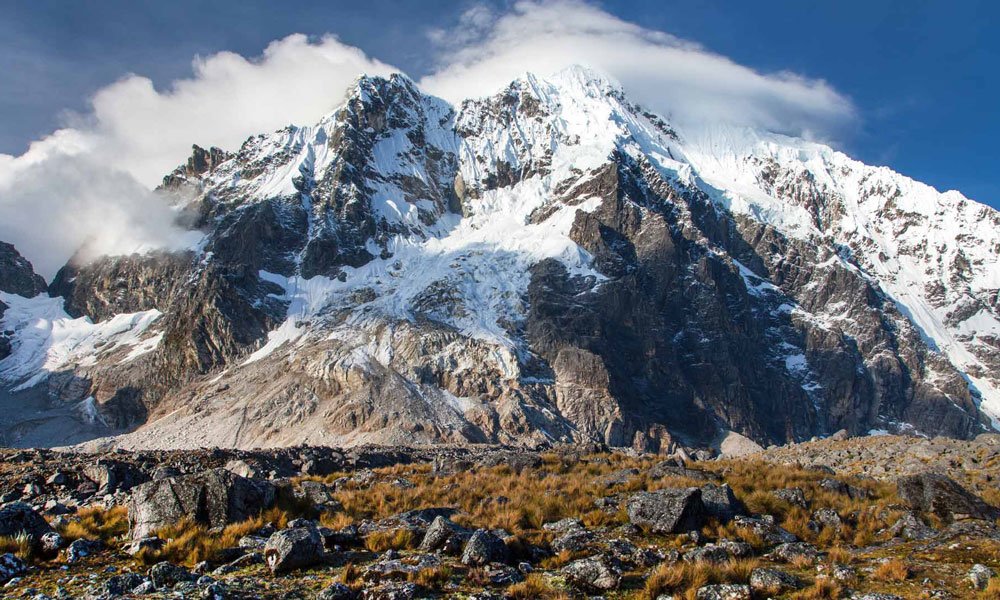
The Salkantay Trek is one of the most prominent hiking routes in Peru, as it connects the city of Cusco with the majestic citadel of Machu Picchu, crossing the imposing Andes Mountain Range. Its name comes from the Salkantay snow-capped peak, considered a sacred mountain within the Andean worldview, which adds cultural and spiritual value to the entire trekking experience.
This route is characterized by its great landscape diversity, as in just a few days it allows you to move from high Andean areas with snow and cold temperatures to temperate valleys and even high jungle areas with abundant vegetation. This contrast of ecosystems makes the trek a very complete experience for those seeking direct contact with nature.
Unlike the Inca Trail, the Salkantay Trek does not have such a restricted quota system nor does it require months of advance booking, which makes it more flexible for travelers. In addition, being less crowded allows you to enjoy a quieter environment, with fewer crowds and a greater sense of connection with nature—something especially valued by those looking for a more authentic mountain experience.
Is the Salkantay Trek suitable for beginners?
Yes, it can be done by beginners, but it is important to understand that it is not an easy walk. This route is considered of moderate to challenging difficulty due to several factors that directly influence physical performance and each person’s endurance.
One of the main challenges is the altitude, as the trek reaches points close to 4,650 meters above sea level, especially at the Salkantay pass. At this height, the amount of oxygen decreases considerably, which can cause fatigue, shortness of breath, or altitude sickness symptoms if proper acclimatization is not done.
The main factors that make this route demanding include:
- High altitude for much of the trek
- Long walks of 6 to 8 hours per day
- Uneven terrain with steep ascents and descents
- Constant weather changes (cold, rain, intense sun, and wind)
- Reduced oxygen availability at high altitudes
Despite these challenges, many people with no previous high-altitude trekking experience manage to complete it successfully. To do so, it is key to consider some important aspects:
- Perform basic physical preparation before the trip
- Acclimatize properly by spending at least 2 to 3 days in Cusco
- Stay well hydrated throughout the trek
- Walk at your own pace, without rushing
- Listen to your body and rest when necessary
With these precautions and the right mindset, the Salkantay Trek becomes a fully achievable experience even for beginners, while being one of the most rewarding adventures in the Andes.
Altitude and acclimatization: key for beginners
One of the biggest challenges on this mountain route is the altitude. As you ascend, oxygen pressure decreases, which can affect physical performance and even cause altitude sickness, also known as soroche. Therefore, proper acclimatization before starting the hike is essential, especially for those with no experience at high elevations.
The body does not adapt immediately, so spending a few days in Cusco beforehand allows the body to gradually adjust to these conditions. This process helps reduce risks and significantly improves the experience during the trek.
Recommendations for good acclimatization:
- Stay at least 2 to 3 days in Cusco before starting the trek
- Drink plenty of water to stay hydrated
- Avoid alcohol and heavy meals during the first days
- Drink coca leaf infusions, traditional in the region
- Do light walks beforehand to gradually adapt the body
- Get enough rest and avoid intense efforts at the beginning
Acclimatization is a key process for beginners, as it allows the body to adjust to the lower oxygen availability at high altitude. Taking this time not only improves physical performance but also greatly reduces the chances of discomfort during the journey.
Physical preparation for the Salkantay Trek
You do not need to be a professional athlete to complete this route, but it is essential to have an adequate physical base to face long walks, uneven terrain, and altitude changes without excessive fatigue. Good preparation beforehand not only improves performance but also reduces the risk of injuries and makes the experience much more enjoyable.
Training should focus mainly on developing endurance, leg strength, and cardiovascular capacity, as these will be the most demanded aspects during the trek. In addition, getting the body used to walking for several continuous hours will make a big difference, especially for those with no mountain hiking experience.
Recommended training:
- Long walks of 5 to 10 km, gradually increasing distance
- Routes with inclines to simulate mountain effort
- Cardiovascular exercises such as running, swimming, or cycling
- Leg strength training (squats, lunges, stairs)
- Walks with a backpack to adapt to the weight carried
- Balance and stability exercises for uneven terrain
Ideally, start this preparation at least 4 to 6 weeks before the trip, gradually increasing intensity. This way, the body will be in better condition, allowing you to enjoy the trek more safely and confidently.
Best time to do the Salkantay Trek
Choosing the right time is a key factor to fully enjoy this mountain experience, as weather directly influences safety, landscape visibility, and the difficulty level of the trek. In the Cusco region, weather conditions are mainly divided into two distinct seasons.
Dry season (recommended):
- April to October
- Less rain
- More stable and safer paths
- Better views of mountains and snow-capped peaks
- Cold nights, but clearer days
Rainy season:
- November to March
- Frequent rains, especially in the afternoons
- Slipperier paths and more difficult terrain
- More mud in some sections
- Lush green landscapes and abundant vegetation
For those with little high-altitude hiking experience, the dry season is the best option, as it offers more predictable and safe conditions. This allows for greater confidence while trekking and reduces weather-related risks, making the journey much more enjoyable.
What to bring on the Salkantay Trek
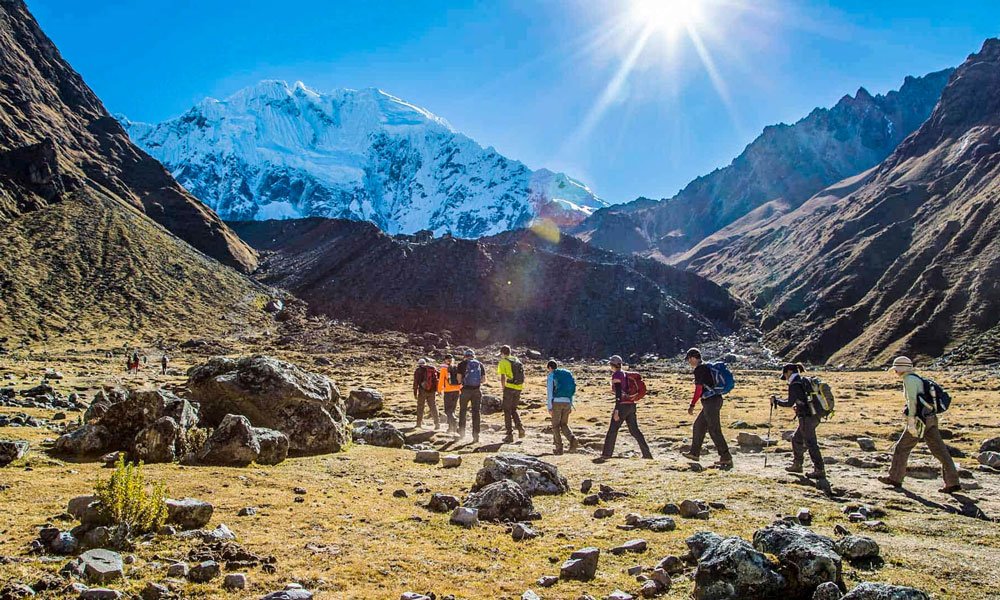
Having the right gear is essential to enjoy the experience and avoid discomfort during the hike. Due to sudden weather changes and the demands of the terrain, it is important to be well-prepared with everything needed without overloading your backpack.
Basic equipment:
- Comfortable backpack (30–50L) with good lumbar support
- Waterproof hiking boots, already broken in (to avoid blisters)
- Thermal clothing and layering system (t-shirt, fleece, jacket)
- Waterproof jacket or rain poncho
- High-factor sunscreen
- Hat for cold and cap or hat for sun
- Thermal gloves
- Trekking poles (highly recommended for beginners, especially on descents)
Other important items:
- Headlamp or flashlight with extra batteries
- Reusable water bottle or hydration system
- Energy snacks (nuts, bars, chocolate)
- Personal medication and altitude sickness tablets
- Toilet paper and personal hygiene items
- Small quick-dry towel
- Power bank or external battery
Typical Salkantay Trek route
The trek usually takes 5 days, crossing different ecosystems and altitude levels, providing a very complete experience, both physically and scenically. Each day presents different challenges and settings, from high Andean areas to warmer jungle-like zones.
Day 1: Cusco – Mollepata – Soraypampa
The first day marks the start of the trek with a transfer from Cusco to Mollepata, followed by the hike to Soraypampa. It is an ideal day to gradually adapt to physical effort and altitude, with open landscapes and impressive mountain views.
Day 2: Soraypampa – Salkantay Pass – Chaullay
This is the most demanding day of the entire trek. The ascent reaches the highest point, where physical effort is greatest due to the altitude. The weather can be colder and more changeable, so it is essential to advance calmly, maintain a steady pace, and take breaks when necessary.
Day 3: Chaullay – La Playa
The route continues with a gradual descent to warmer zones. Here, the environment changes noticeably, giving way to abundant vegetation, rivers, and a much milder climate, making the walk more pleasant.
Day 4: La Playa – Hydroelectric – Aguas Calientes
On this day, the path becomes less demanding. Rural areas and high jungle zones are crossed until reaching Hydroelectric. From there, many choose to continue walking or take the train to Aguas Calientes, the base point for the final visit.
Day 5: Machu Picchu
The last day is dedicated to visiting the historic sanctuary. It is the most anticipated moment, where all the effort of the previous days is rewarded with one of the most impressive wonders in the world, surrounded by history, culture, and unique landscapes.
Go with an agency or on your own?
For beginners, it is highly recommended to hire an agency.
Advantages of an agency:
- Professional guides
- Meals included
- Equipment (tents, transport)
- Greater safety
Doing it on your own is possible, but requires more experience in planning and logistics.
Key tips for beginners
- Walk at your own pace (don’t compete)
- Listen to your body
- Stay hydrated
- Use poles to reduce knee impact
- Sleep well before each day
Is it worth doing this trek?
Without a doubt, this route offers much more than just reaching Machu Picchu. For many travelers, it becomes a transformative experience, as it combines physical challenge, direct contact with nature, and the opportunity to contemplate unique landscapes ranging from snow-capped high mountains to lush valleys and tropical jungle.
By hiking it, you not only overcome physical obstacles but also personal challenges, generating a very rewarding sense of achievement and satisfaction. Each day provides new perspectives and unforgettable moments, making the effort worthwhile at every step.
This route is an excellent option for those looking to start mountain hiking in Peru. Although it requires effort and planning, it is entirely achievable for beginners who prepare properly. With the right physical preparation, adequate gear, and a positive attitude, this adventure can become one of the most memorable experiences of your life, leaving memories and lessons that last long after the trip.