


40 Tourist Attractions in Cusco
40 Tourist Attractions in Cusco
Explore our wide selection of 40 must-see tourist destinations to visit in Cusco. At Chullos Travel, we have organized this list based on popularity, proximity to the city, and exciting alternatives to explore.
Cusco holds the title of being Peru’s most prominent destination, offering a wealth of history, culture, and tradition. It is also distinguished as the home of one of the seven wonders of the world, Machu Picchu. The opportunities to discover places of interest are diverse. From the moment you set foot in Cusco to your approach to the historic center, you will encounter multiple landmarks of this city.
For this reason, we have compiled a meticulously organized inventory of these places, giving you a clearer perspective for your visit. This list will also be a valuable resource for planning your journey to this amazing city.
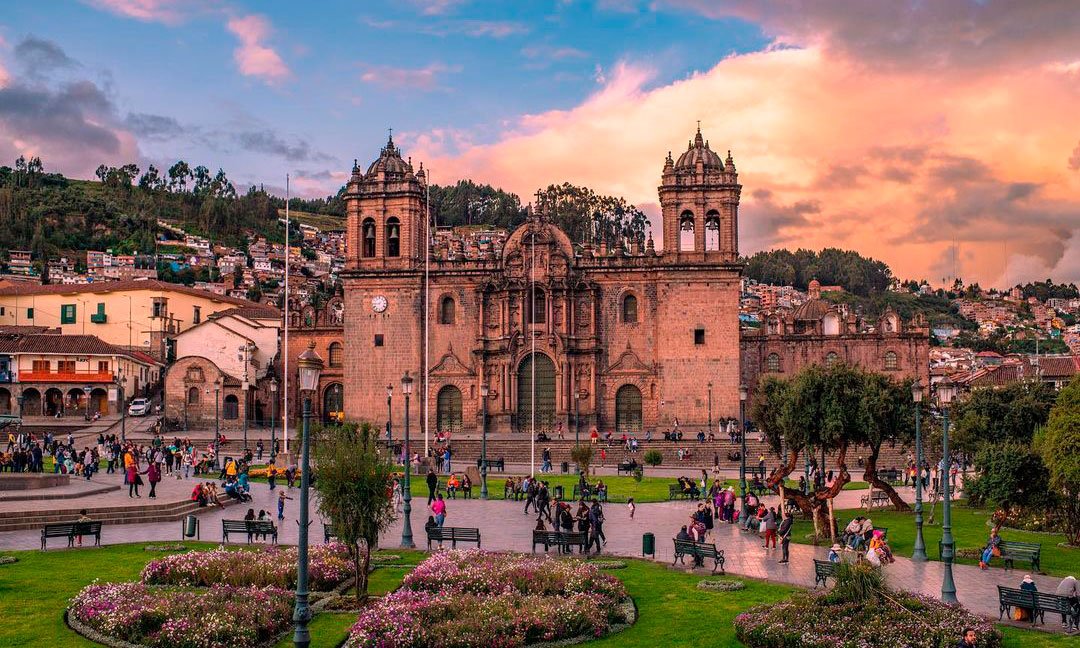
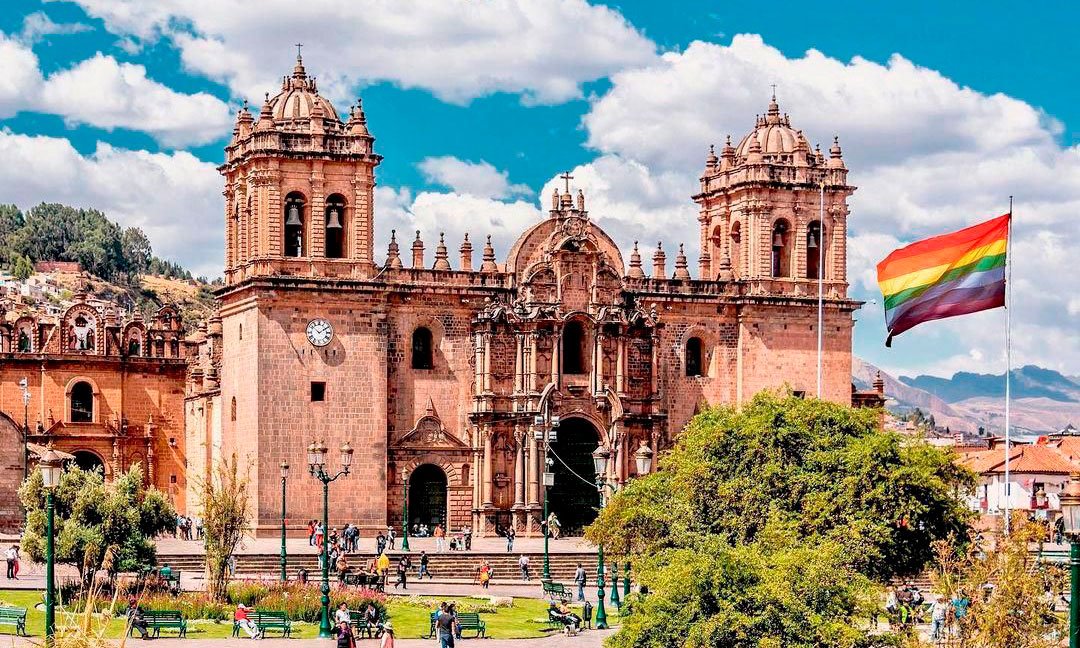
1.- The Plaza de Armas
The Plaza de Armas will be our starting point for visiting iconic sites in Cusco. And this is why we are listing this place first. The Plaza de Armas in Cusco is an ancient site, the birthplace of the city of Cusco. It is located in the heart of the Historic Center and surrounded by many restaurants, bars, travel agencies, and entertainment centers. From the Plaza de Armas, you can see the famous White Christ, the San Cristóbal neighborhood, the Santa Ana neighborhood, the Cathedral, the Church of the Society of Jesus, the First University of Cusco, and finally, a beautiful fountain that was donated by the city of New York in the early 20th century.
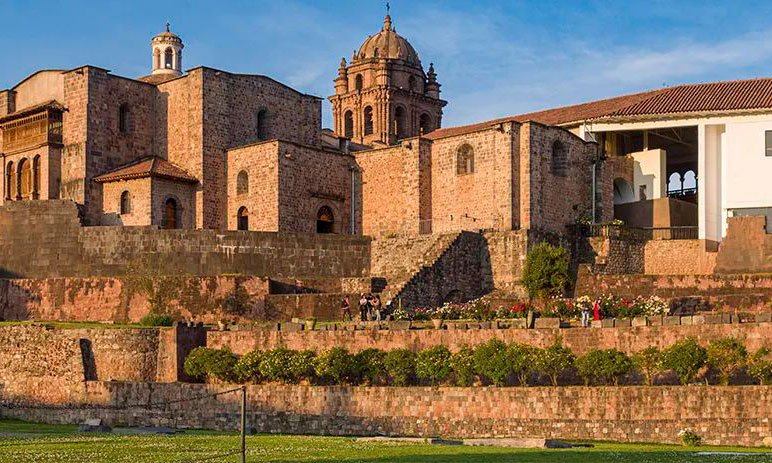
2.-The Convent of Santo Domingo and Qorikancha
Explore the largest ceremonial center of the Inca era, located just a 7-minute walk from the Plaza de Armas, down Calle del Sol. The grandeur of this attraction is impressive thanks to the striking contrast created by the fusion of Inca and Spanish architecture.
Access to the temple is from the Plazoleta de Santo Domingo. This site is open Monday through Saturday, starting at 8 a.m. and closing at 5 p.m.; on Sundays, it opens at 2 p.m. and closes at 5 p.m.
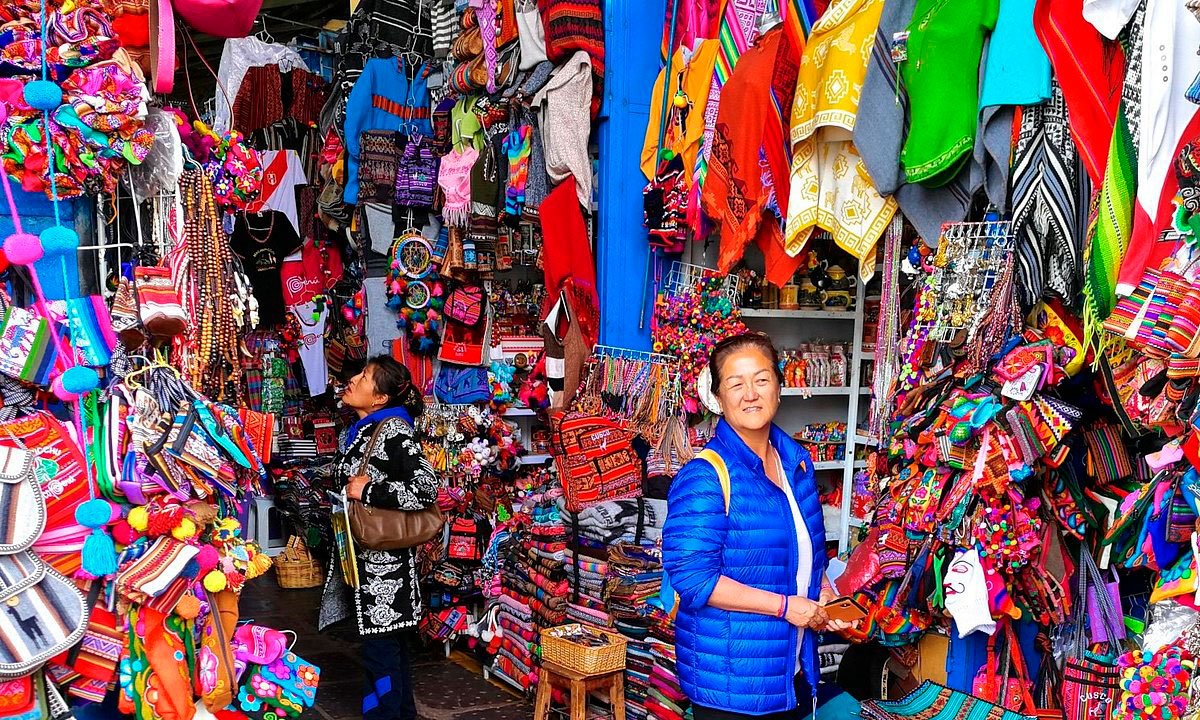
3.- The Traditional Market of San Pedro
This is the first food market in the city of Cusco, built in 1925 and designed by the famous French engineer Alexander Gustave Eiffel. It is a picturesque and traditional place for locals and tourists from all over the world, and the perfect place to find bargains. You can find handicrafts, fruit, juices, medicinal herbs, and a section selling prepared food for breakfast and lunch only—not dinner. It is only a 10-minute walk from the Plaza de Armas in Cusco.
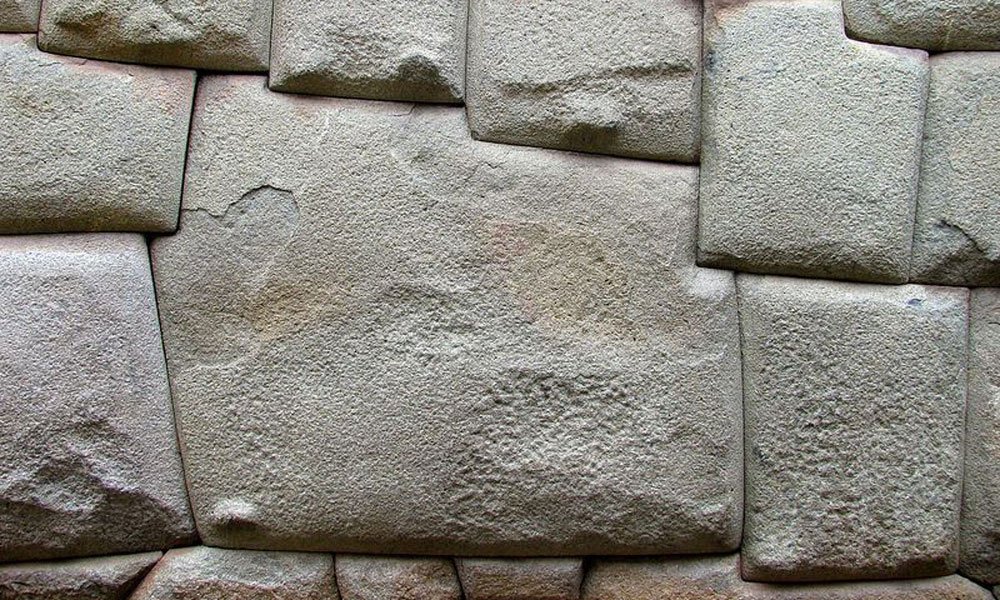
4. The 12-Angle Stone
This stone is one of the most visited sites in the imperial city of Cusco. The 12-angle stone is over 800 years old and is perfectly embedded in an Inca wall on Hatumrumiyoq Street. The stone likely represents the 12 months of the Inca calendar; other historians point out that this stone was a milestone separating Hanan Qosqo (Upper Cusco) from Hurin Qosqo (Lower Cusco). It is located just one block from the Plaza de Armas on the road to Antisuyo (the name of the eastern province during the Inca era).
5.-Sapantiana Colonial Aqueduct
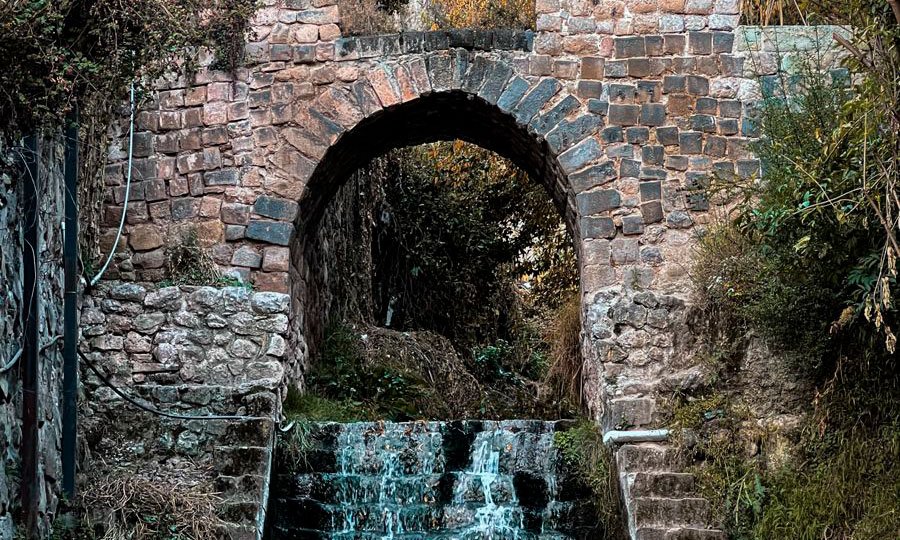
The Sapantiana Aqueduct is a new site that has been opened to the public. It is located very close to the San Blas neighborhood and at the end of Choquechaca Street.
This site is free to visit, meaning you won’t have to pay anything to enter.
6.-Cusco Streets – 7 Little Sheep
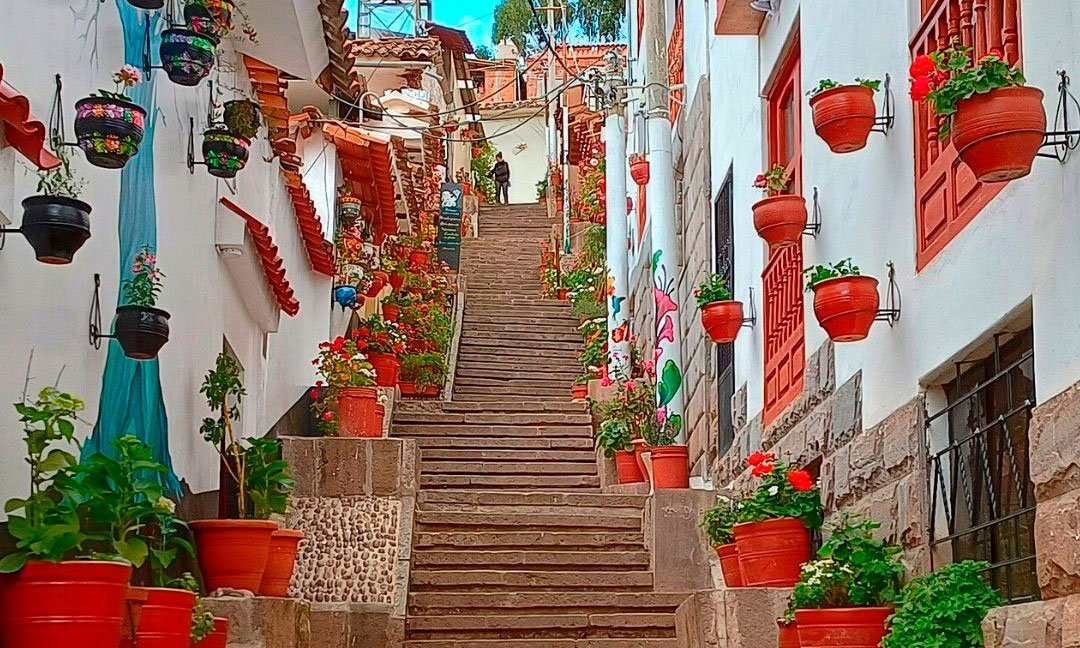
Just before reaching the Colonial Aqueduct, there are some very beautiful streets where every corner is photogenic.
7.- Museums
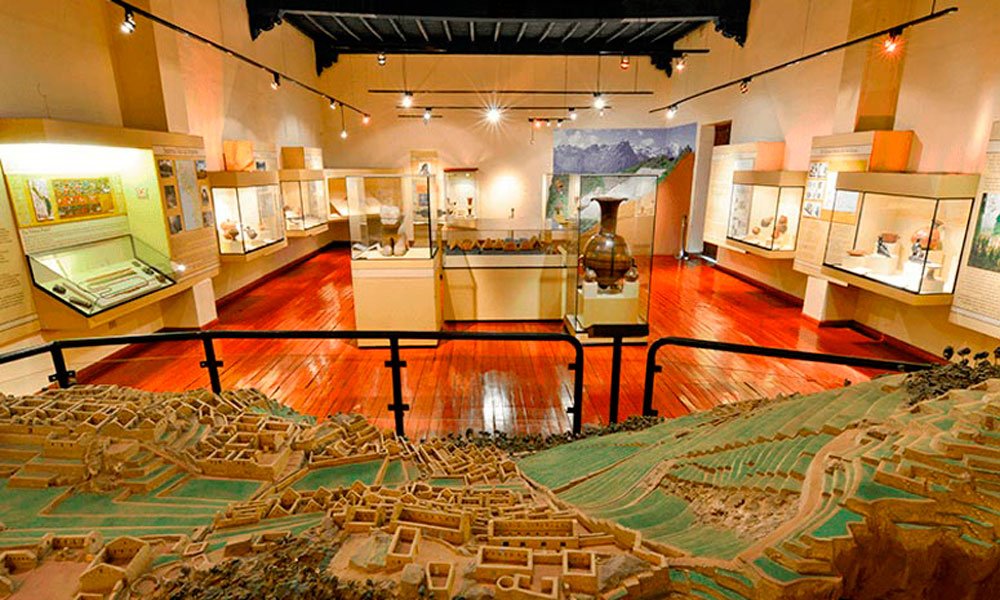
1. Museum of Pre-Columbian Art.
2. Museum of San Francisco (Catacombs).
3. Qoricancha Site Museum.
4. Museum of the National University of San Antonio Abad of Cusco (Plaza de Armas – Paraninfo)
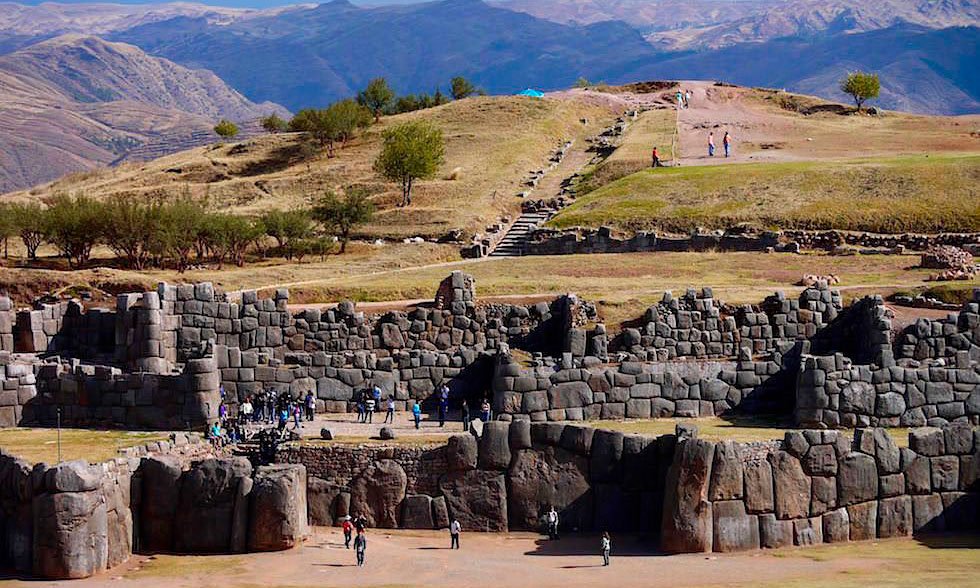
8.- Sacsayhuamán
Sacsayhuamán, a majestic archaeological complex, features enormous perfectly fitted stone walls, testimony to the Inca’s skill in construction. Its location on a hill offers panoramic views of Cusco and its surroundings.
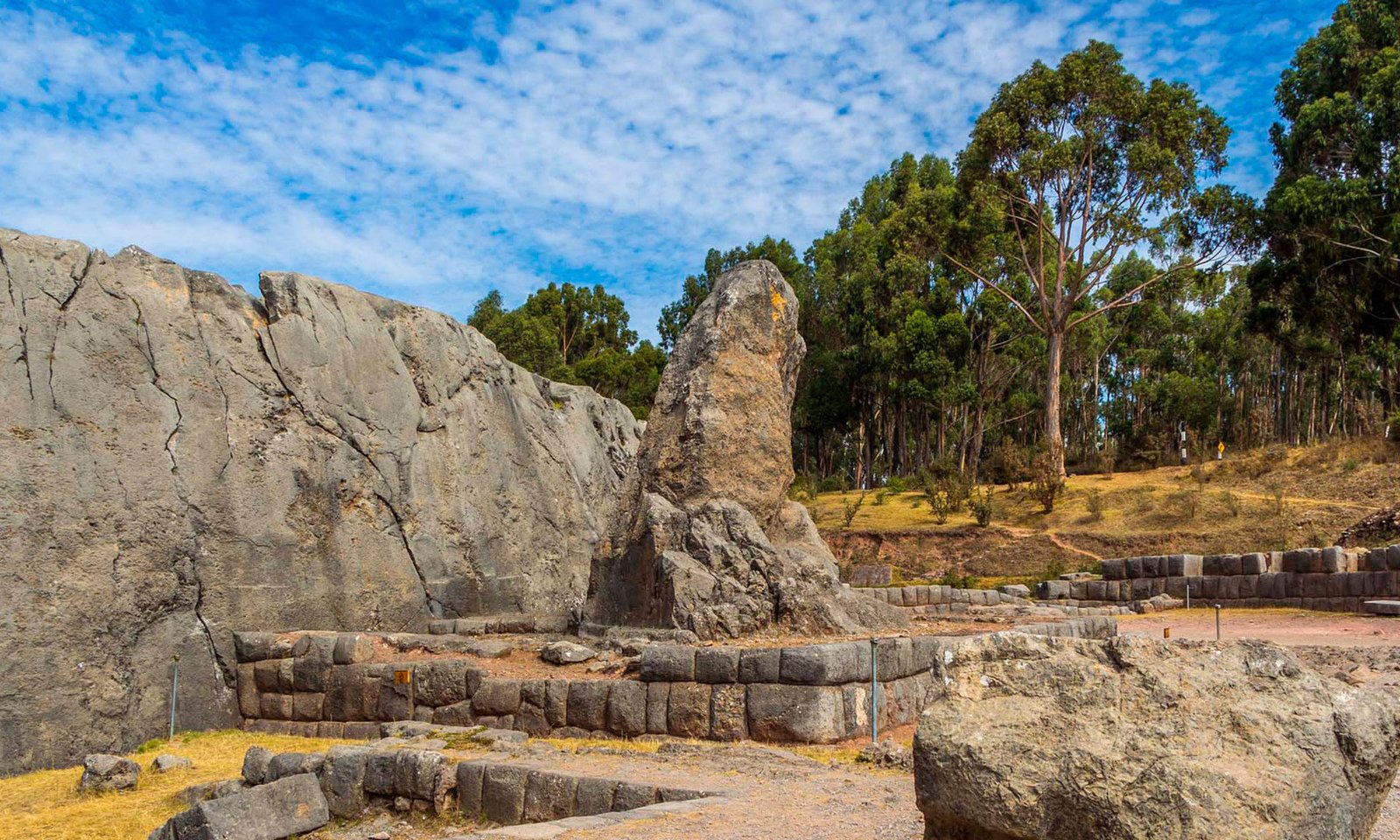
9.-Sit in Qenqo
A 15-minute drive from the historic center of Cusco and very close to Saqsayhuaman is the archaeological center of Qenqo, which consists of a sacrificial chamber, an astronomical observatory, a zigzagging water channel, and an amphitheater. Most of these rooms are carved out of stone, except for the amphitheater.
If you want to go on your own, you can take the “Sr. de Huerto” bus in front of the Coricancha garden. These buses will drop you off at the archaeological site. To enter, you will need to purchase a tourist ticket.
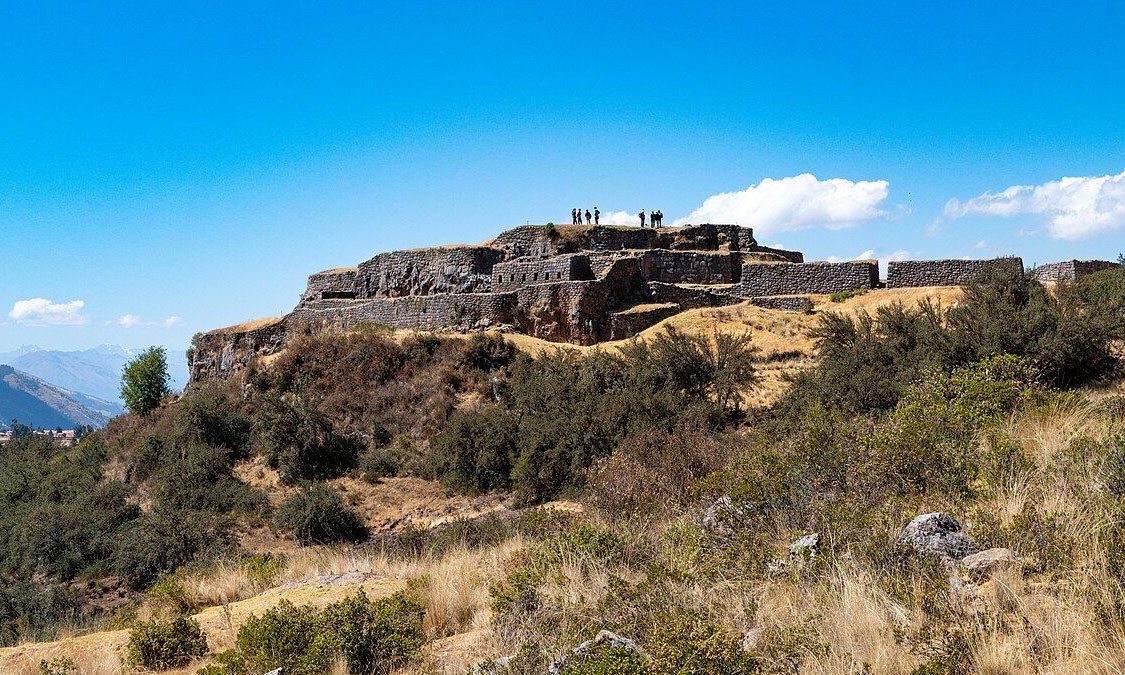
10. Puka Pukara
Puka Pukara, known as the “Red Fortress,” is an archaeological site featuring stone walls and stepped terraces. It is believed to have served as an Inca checkpoint and military refuge, also offering a panoramic view of the surrounding area. Its name comes from the reddish tones of the rocks that make up its structures.
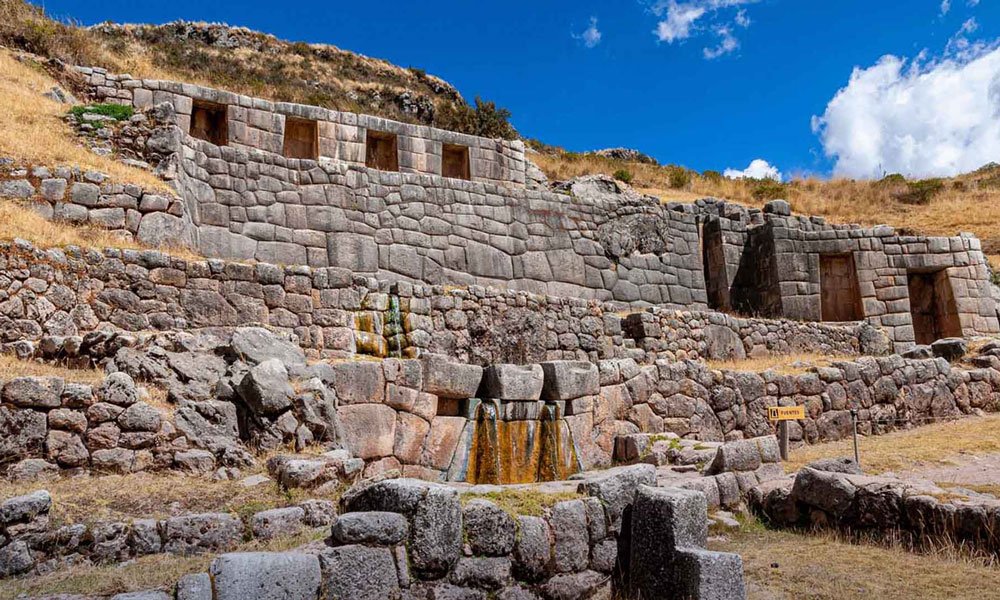
11. Tambomachay
This was a ceremonial temple where water was worshipped. It is built with terraces and three water fountains; its name means “place of rest or repose.” It is located northwest of Cusco, on the route to the city of Pisac.
As with Qenqo, if you wish to visit on your own, you can take the “Sr. de Huerto” bus in front of the Coricancha garden. These buses will drop you off at the archaeological site itself. To enter, you must purchase a Tourist Ticket.
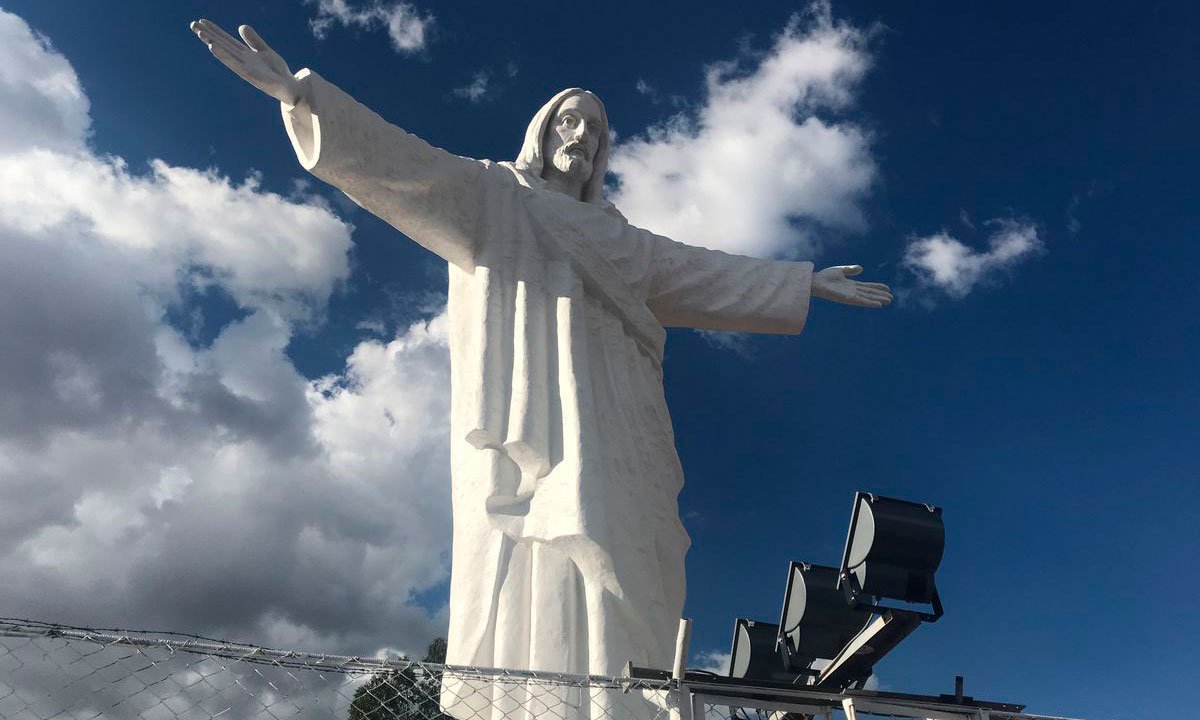
12. White Christ
It is located northeast of the city of Cusco on Pukamoqo Hill, which means Red Hill.
This monument has open arms that give the impression that it is embracing the people of Cusco. This structure is 8 meters high. It was built by local sculptor and filmmaker Francisco Olazo Allende. It is a spectacular viewpoint of the city of Cusco.
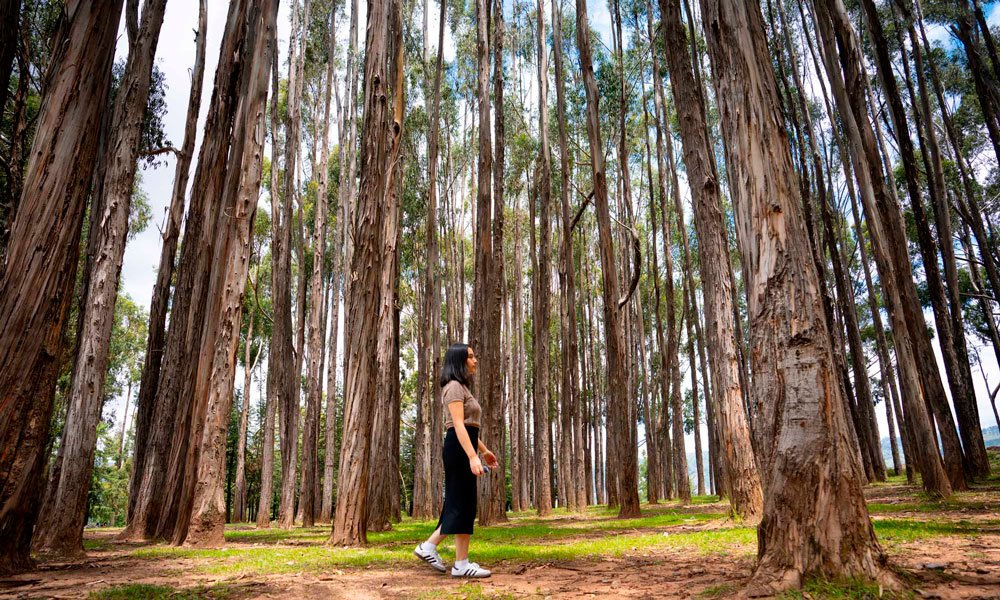
13. Cusco Eucalyptus Forest in Sacsayhuaman
Located next to the Qenqo archaeological complex, it’s very close to the Cristo Blanco viewpoint.
The eucalyptus forest has a magical atmosphere, like a pause in time, filled with towering trees that shade the sun and protect from the wind. It offers a privileged view of the entire Cusco Valley, offering the sweetest sensation that tranquil nature can provide.
If you want to take the best photos, you can take advantage of the sunset rays.
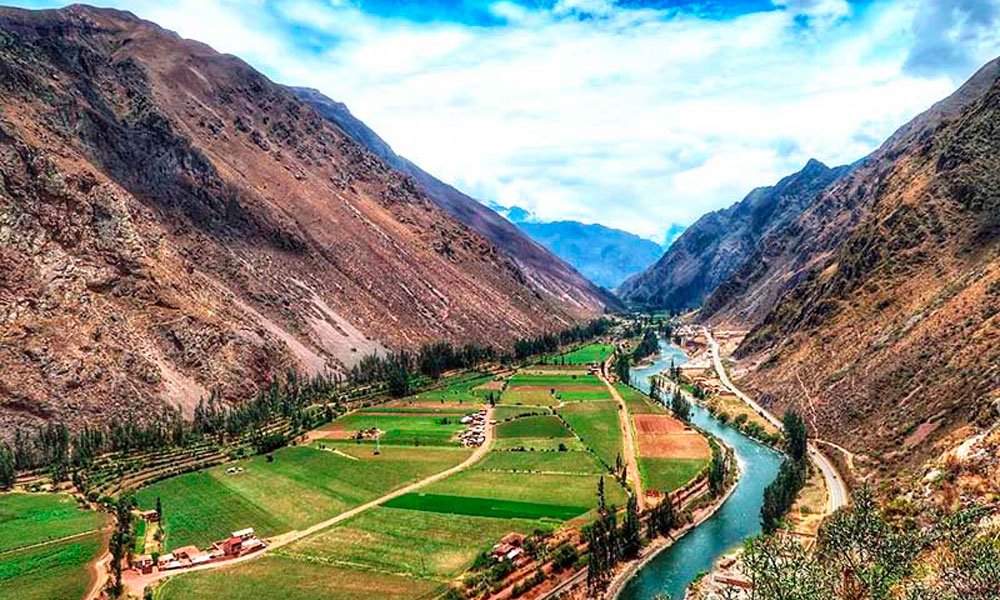
14. Sacred Valley of the Incas
The Sacred Valley of the Incas is one of the main tourist attractions in South America and around the world. In the Sacred Valley of the Incas, we find important sites such as Pisac, Chincheros, and Ollantaytambo.
Here, you can appreciate the beauty of the Andean towns and the various archaeological sites from the Inca period. You can also take photographs of the mountains that make up the imposing Andes Mountains.
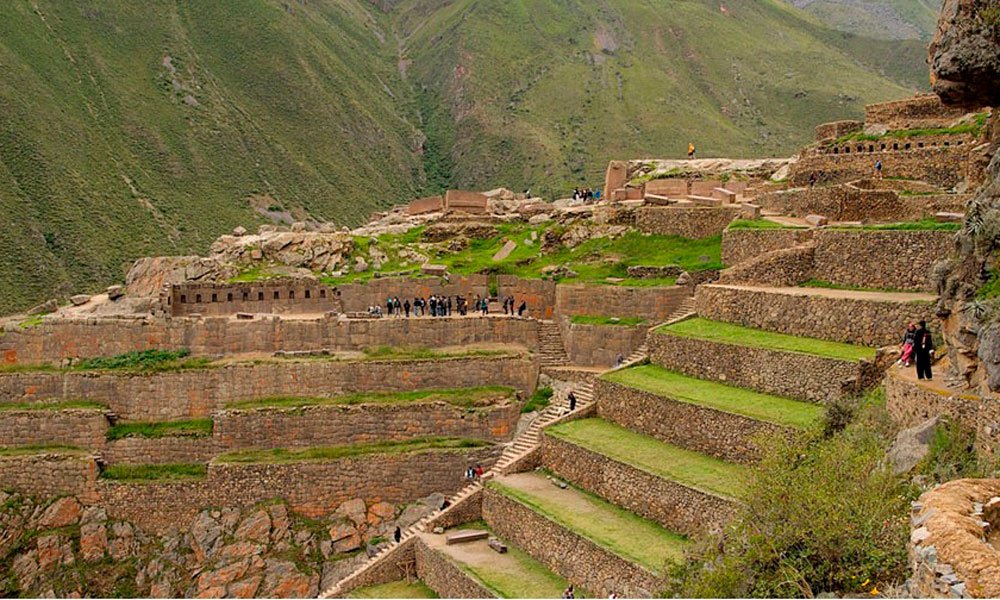
15. Pisac
Pisac is an archaeological site in the Sacred Valley, located 30 minutes from the city of Cusco by car. It is a complex of terraces and buildings. You can also admire the impeccably finished buildings from the Imperial and Colonial periods. Very close to the town, you can also visit the Pisac Archaeological Park, where polished stone buildings from that era still remain, as well as military fortresses and the Inca cemetery, which is considered the largest in the Americas.
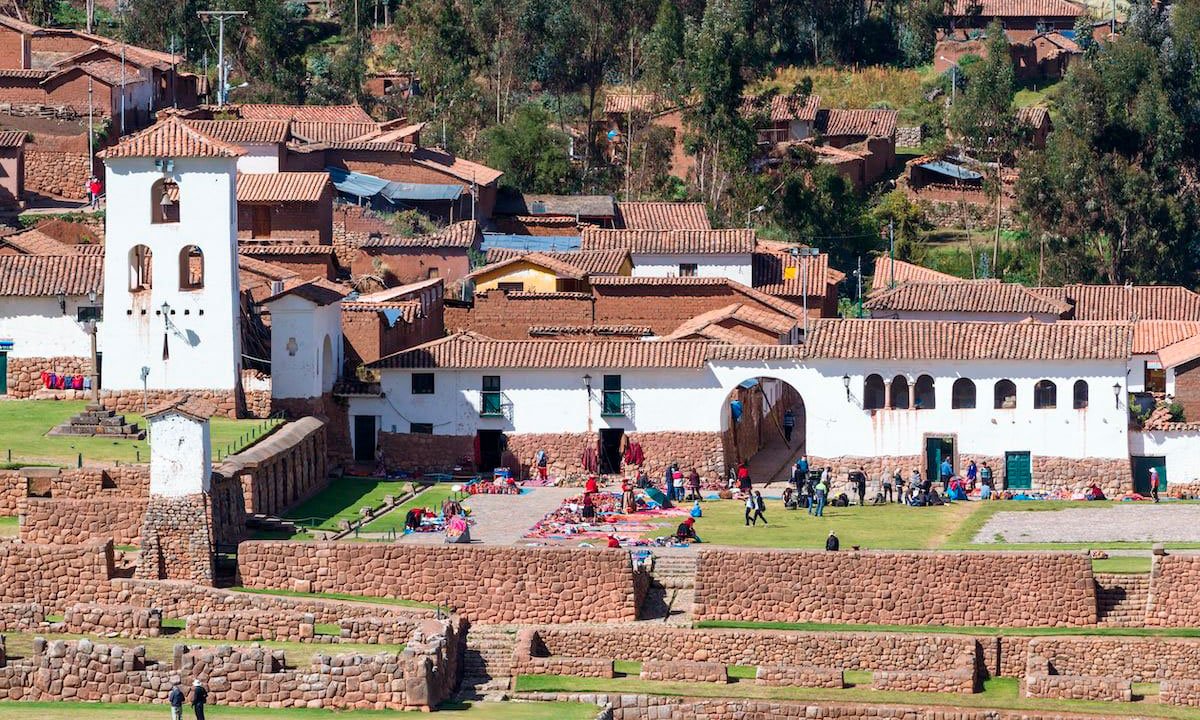
16.- Chinchero
Chinchero is a district and archaeological site of great interest, where you can find several craft and textile centers.
17.- Ollantaytambo
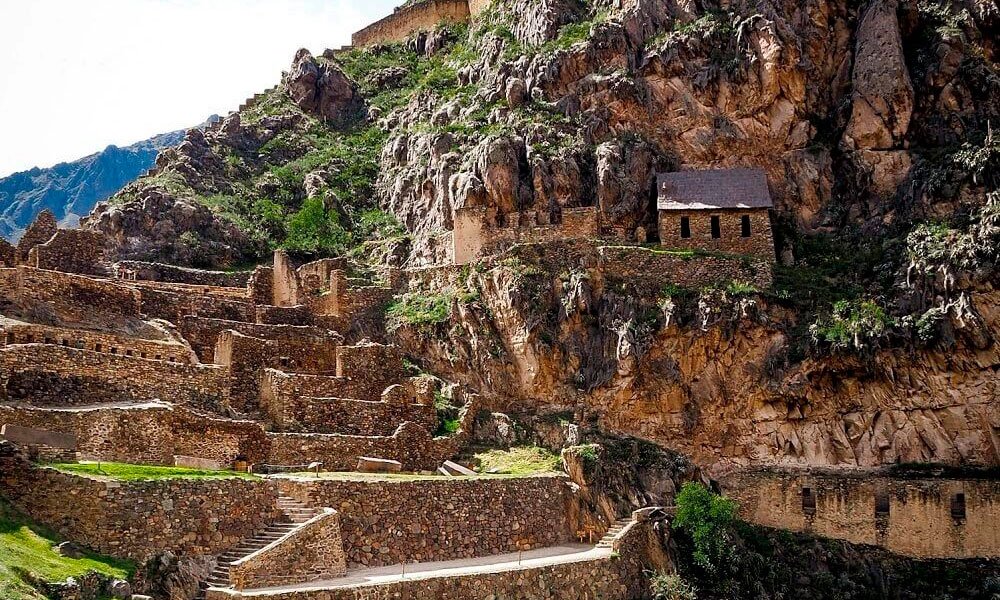
This is a fortress located in the Sacred Valley of the Incas. It is a stopping point on the way to Machu Picchu and is an ancient Inca town.
18.- Moray
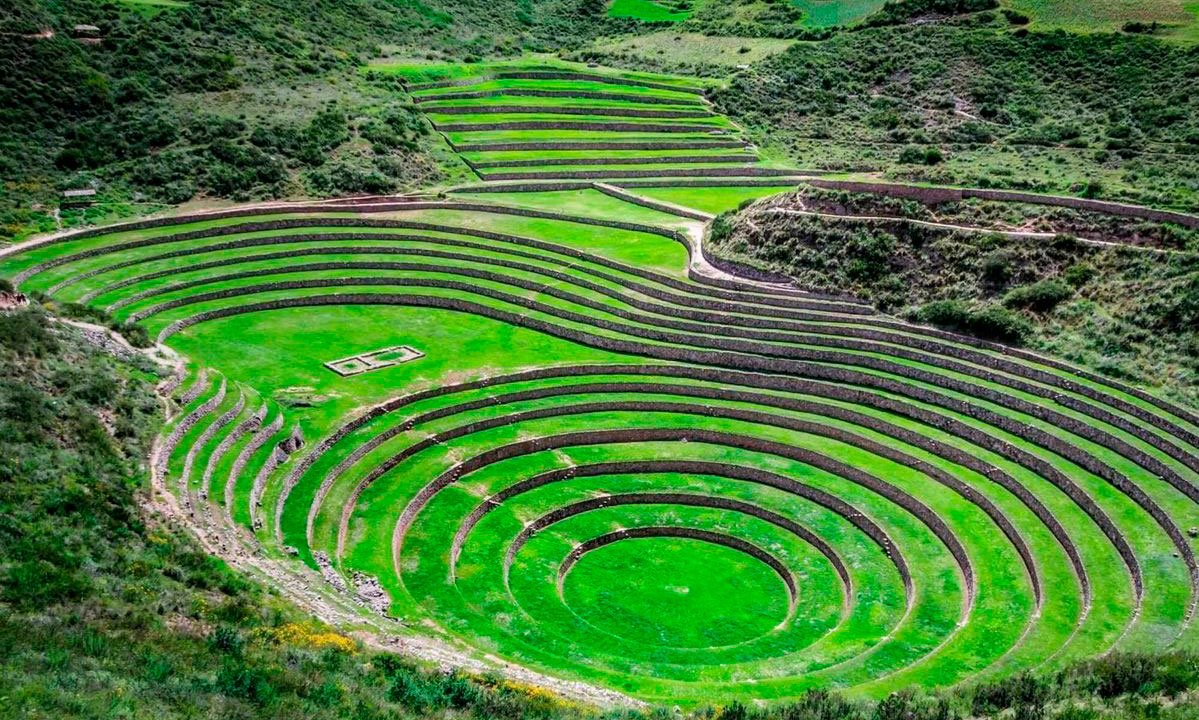
The archaeological site of Moray is located near Cusco, Peru. At first glance, it looks like a kind of amphitheater, formed by several circular platforms, located 3,500 meters above sea level.
19.- Maras
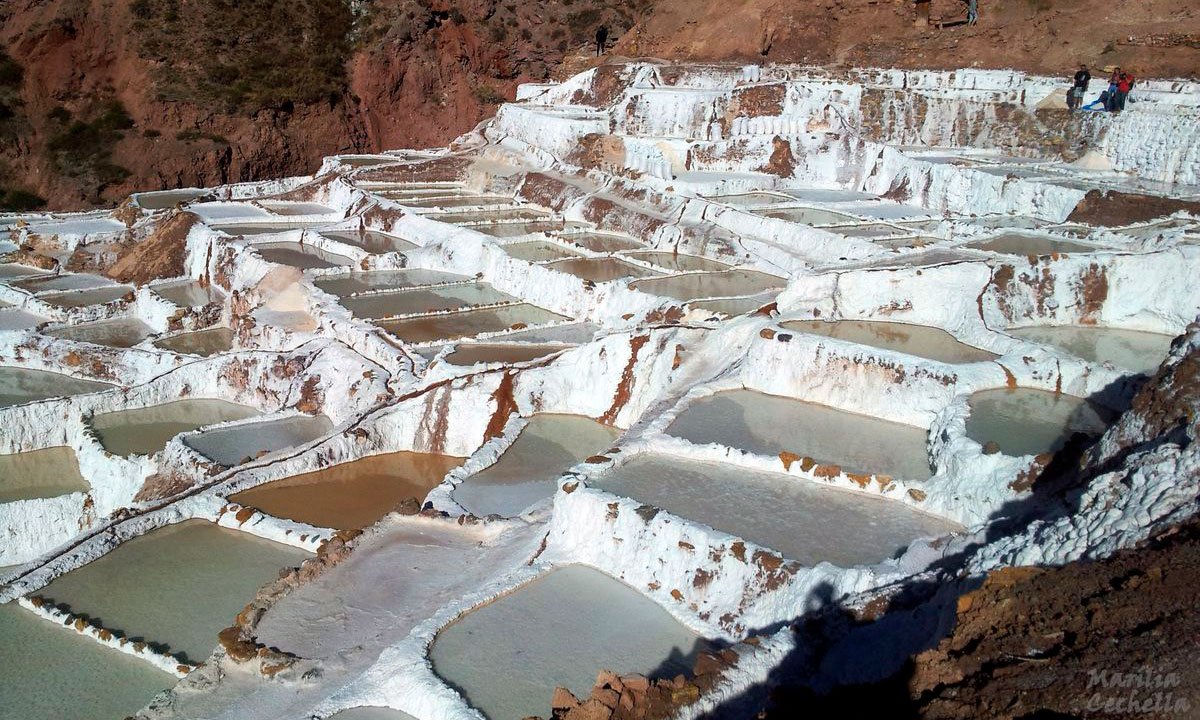
Maras is a charming village in the Sacred Valley of the Incas, known for its unique salt terraces. These terraces form a spectacular landscape of stepped pools where salt has been extracted since ancient times. The views of the salt flats in contrast to the mountainous landscape make it a picturesque and photogenic place. The village itself has cobbled streets and a colonial church, giving visitors a glimpse into everyday life in the Peruvian Andes.
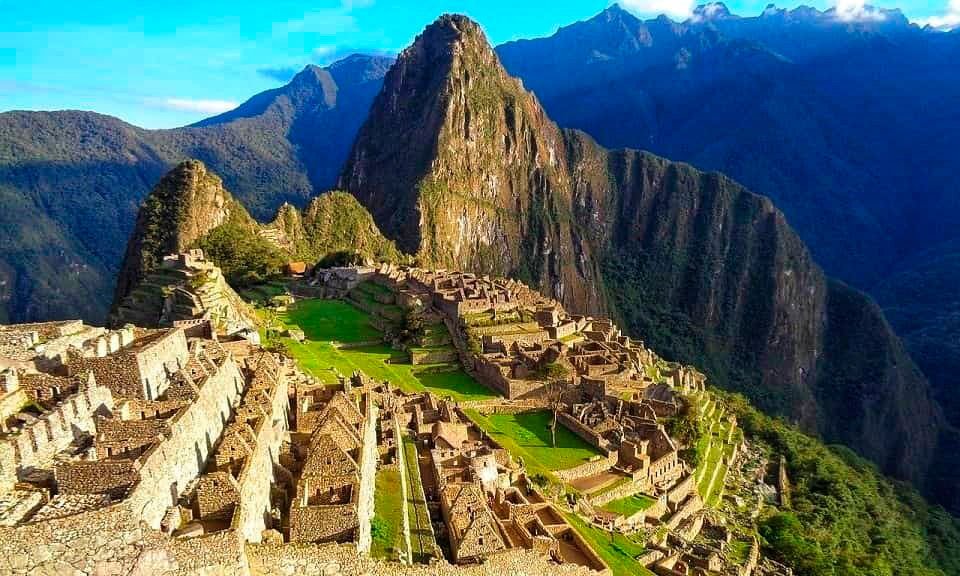
20.- Machu Picchu
This marvel was discovered in 1911 by American historian Hiram Bingham. It is located between the Andes and the Amazon in the province of Cusco and was built as a country residence by the ninth emperor, Pachaquteq.
Its beauty lies in its architecture and geographical setting. Within the citadel, there are approximately 70 tourist attractions, the most important of which are the Sacred Plaza, the Temple of the Sun, the Temple of the Condor, the Solar Clock, Huayna Picchu, Huchuy Picchu, El Cuy, etc.
Machu Picchu also refers to the entire natural park, which encompasses a wealth of local flora, such as orchids, and wildlife, such as the famous spectacled bears.
21.- Hot waters
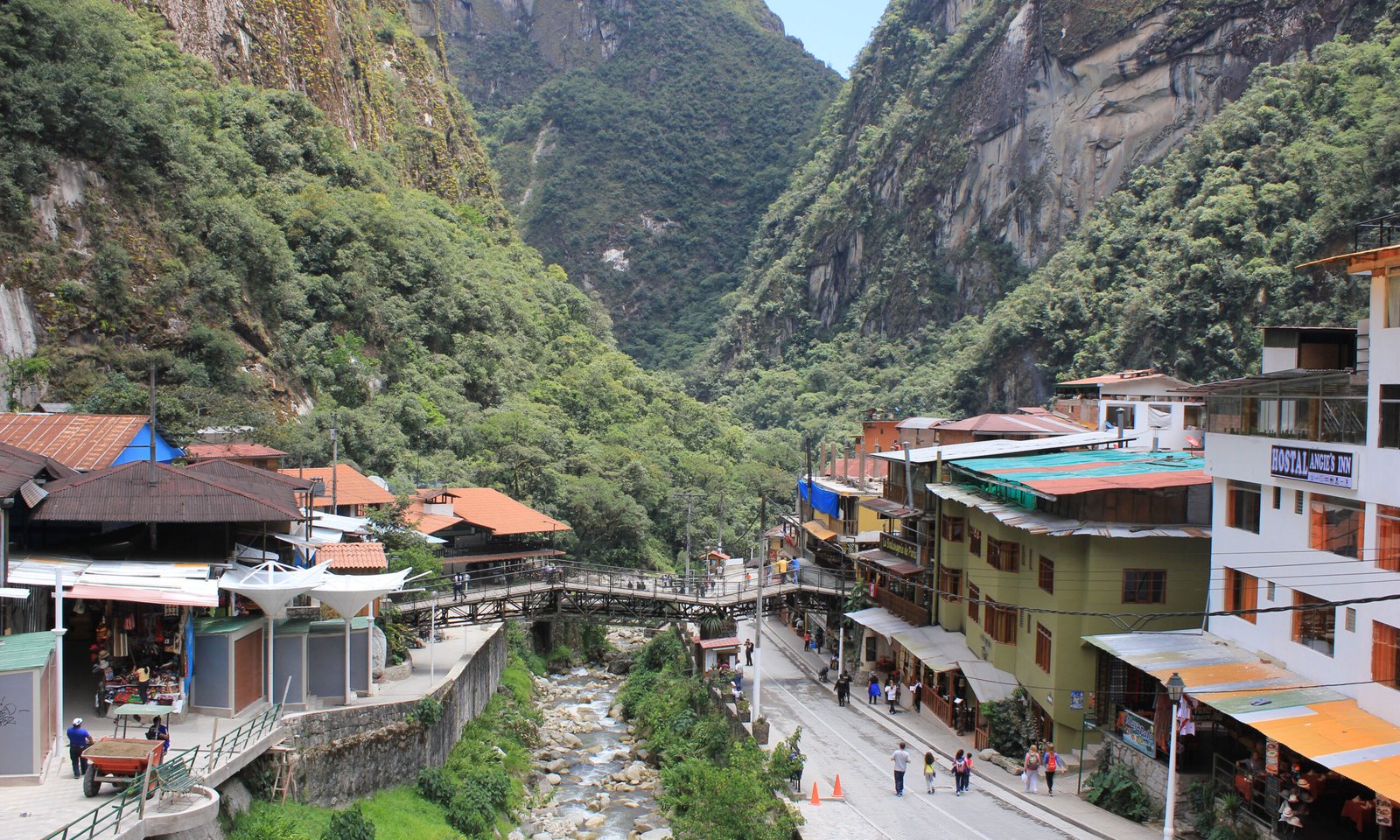
Aguas Calientes, also known as Machu Picchu Pueblo, is the main access point for those who wish to visit the iconic citadel of Machu Picchu. Nestled amid lush mountains and rainforest, this town offers a welcoming and vibrant atmosphere for travelers. Its cobblestone streets are home to a variety of restaurants, craft shops, and lodging options. It is also famous for its natural hot springs, which offer a moment of relaxation after exploring Machu Picchu. From Aguas Calientes, visitors can take buses or hike to reach the amazing archaeological wonder of Machu Picchu.
22.- Walk to the Sun Gate
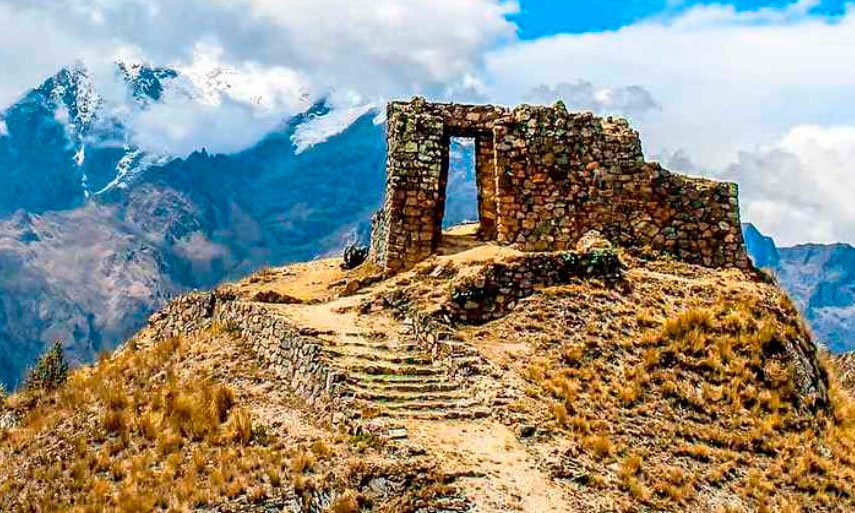
The Walk to the Sun Gate is an exciting experience that takes you along ancient trails to one of the most impressive viewpoints in Machu Picchu. Also known as “Inti Punku” in Quechua, the Sun Gate is a strategic point from which the ancient Incas watched the sunrise during important events.
The hike takes you along trails surrounded by lush vegetation and offers panoramic views of the surrounding landscape as you make your way to the Sun Gate. Upon arrival, you will be rewarded with a breathtaking view of Machu Picchu from a unique perspective. This view allows you to appreciate the grandeur of the citadel and the majesty of the mountain peaks that surround it.
23.- La Morada de los Dioses (The Abode of the Gods)
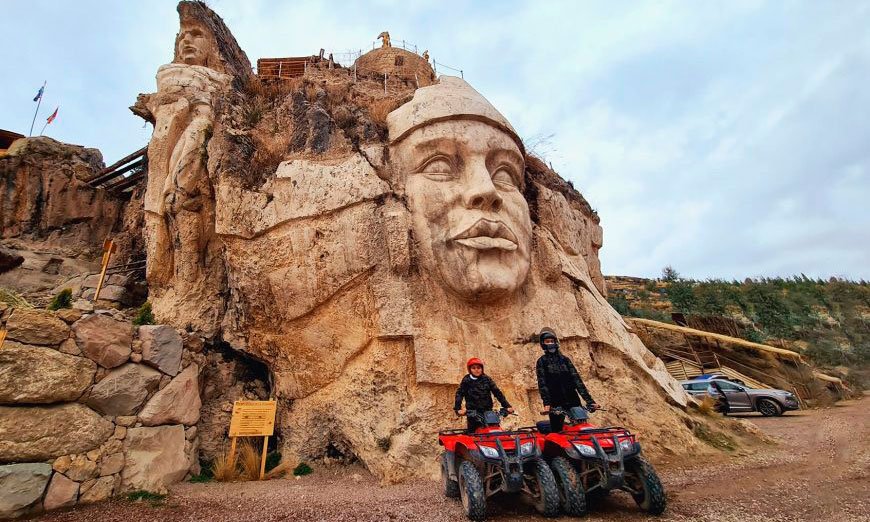
This is a place where there are several stone sculptures carved by the artist Michel de Titán. Due to their size and beauty, these figures carved on various rocks stand out as a contemporary attraction in the province of Cusco. The most notable statues are La Pachamama, the Puma, the Three-dimensional Gate, and the Phalluses.
It is located half an hour by car north of the city of Cusco, access is very cheap, and in the same place you will also find a restaurant and café. You can also take an ATV tour.
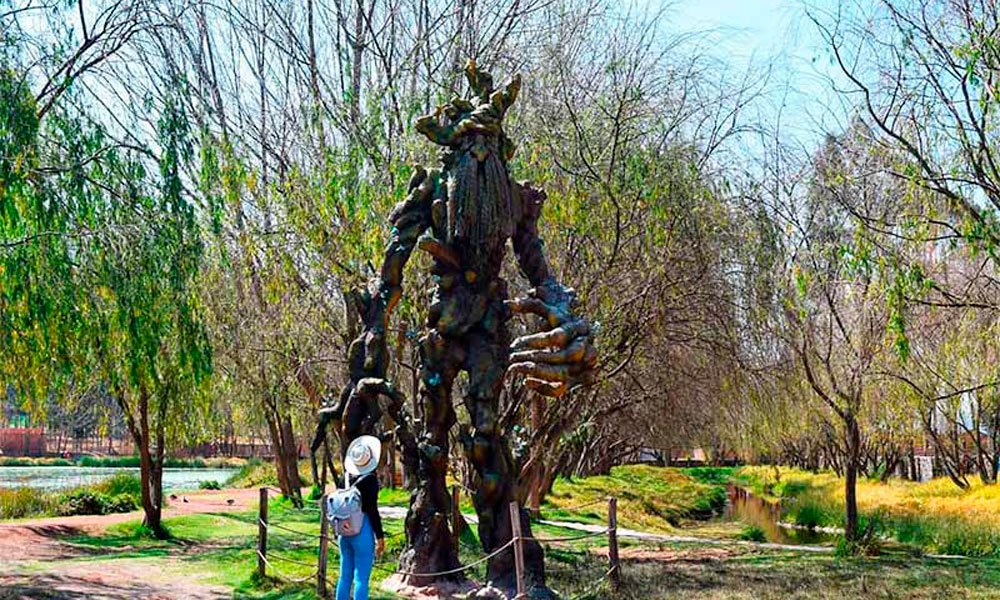
24.- Huasao Wetland
Since its reopening, the Huasao wetland, located in the district of Oropesa in Cusco, has become a tourist attraction that never ceases to amaze both domestic and foreign tourists. It houses sculptures from the movies Guardians of the Galaxy and The Lord of the Rings.
It is located one hour from the city of Cusco. If you want, you can go by Ubano transport (Saylla Huasao), and the fare is S/ 1.50.
You can see the most incredible replicas of characters from movies such as Guardians of the Galaxy and The Lord of the Rings.
25.- Cocalmayo Hot Springs
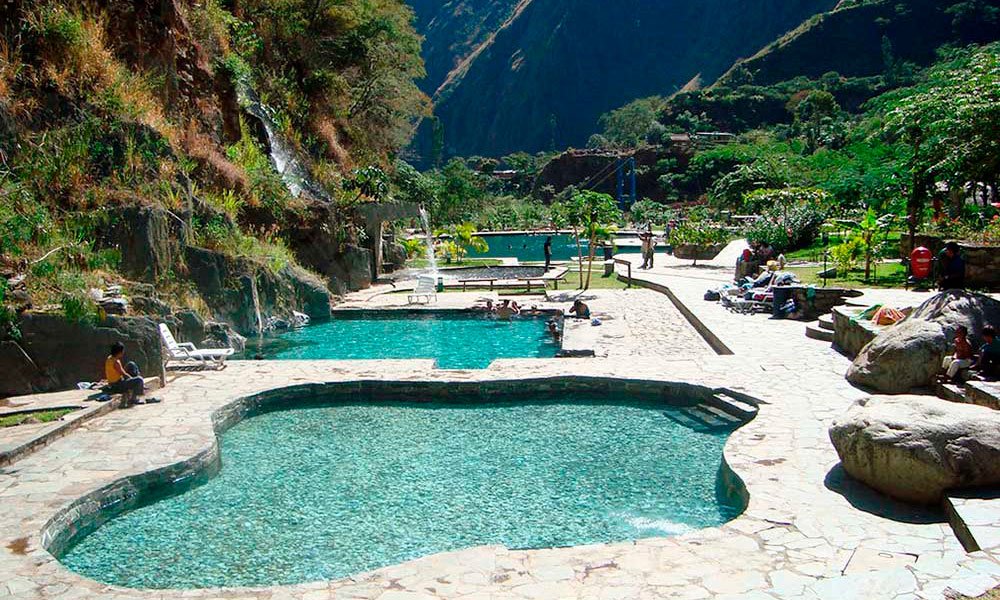
There is nothing better than taking a hot bath in nature. Bathing in the hot springs of Cocalmayo is a great experience.
It is located between a large river and a small mountain. In Cocalmayo, bathers can enjoy outdoor pools fed by natural hot springs. They are built between a small mountain covered with vegetation and the Urubamba River.
You will find three pools of different sizes and depths. The water temperature varies between 38 and 44 ºC and, unlike most hot springs in Peru, the water is clear. It is located on the Machu Picchu by Car route and is also a resting place for tourists doing the Salkantay Trek and Inca Jungle Trek. If you wish, you can go from Cusco, which is about 5 hours away by car.
26.- South Valley
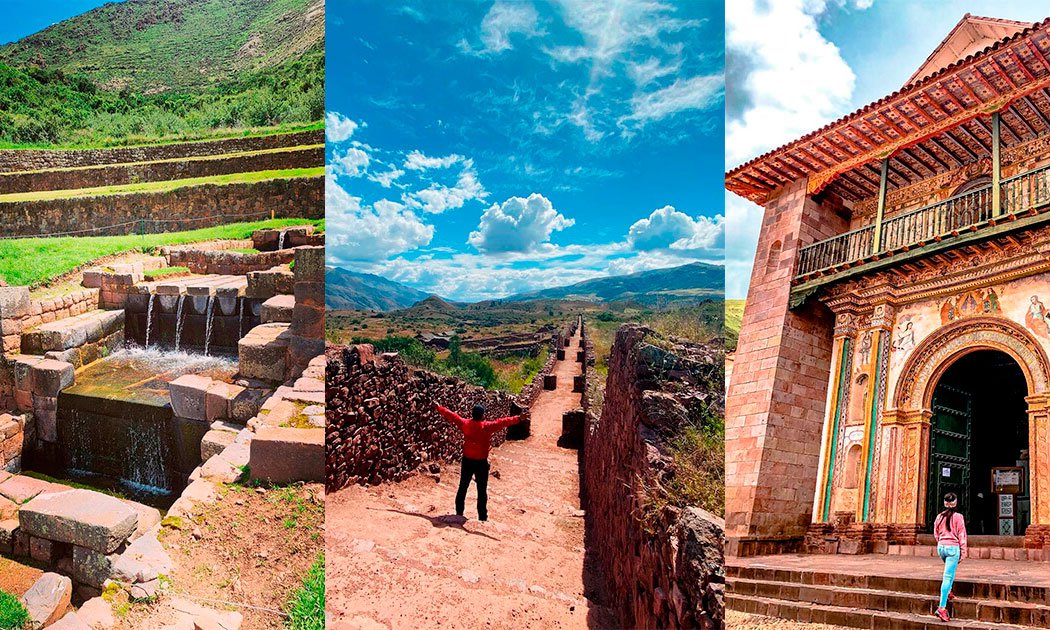
The South Valley of Cusco is the tourist name given to the tourist attractions located southeast of the city of Cusco. The most important are: Tipón, Piquillacta, the church of San Pedro de Andahuaylillas, the Huasao wetlands, and dozens of villages steeped in history and tradition.
27.- Piquillacta
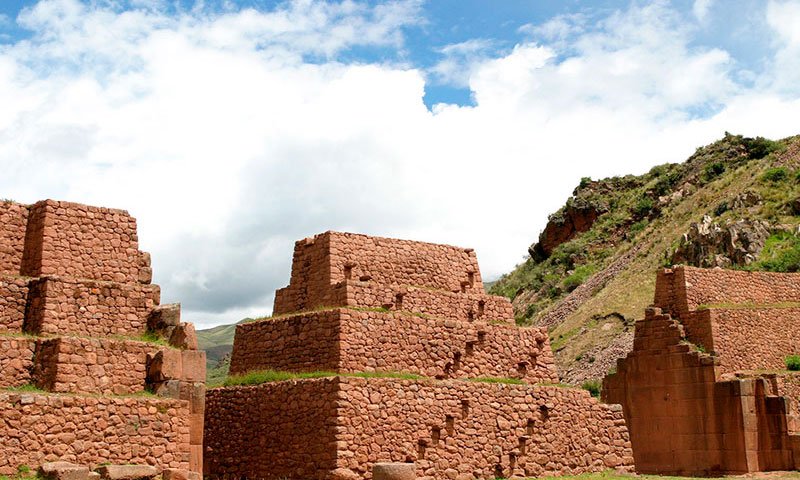
Piquillacta or Piquillacta is one of the most famous and best-preserved pre-Inca sites of the ancient cities that existed in Peru. The pre-Inca peoples who occupied the Cusco Valley were relatively “peaceful” peoples; they sought to dominate the natural resources of the area and to spread and dominate their culture.
Piquillacta was developed between 600 and 1000 AD by the Wari culture from the Central Andes (Ayacucho). It expanded southward, located in high Andean regions such as Cusco and Sicuani, and from there it expanded to the western valleys of the south coast in Arequipa. It is located 1 hour by car from the city of Cusco, on the Cusco – Huasao Wetland – Mountain of 7 Colors route.
28.- Tipon
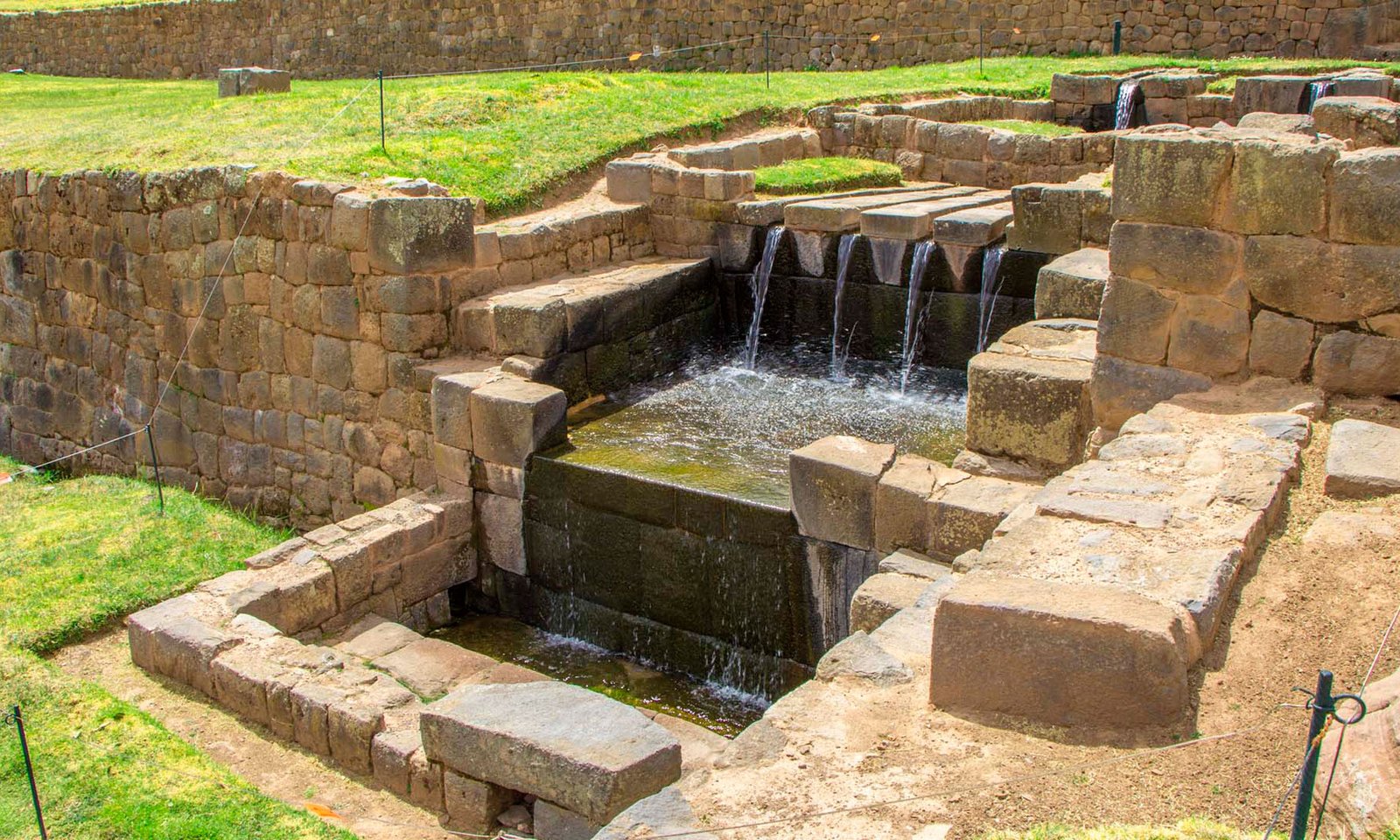
Tipon is an archaeological park where water was worshipped. It contains enclosures, terraces, platforms, irrigation works, and more.
As in Tambomachay, its canals and water sources have continued to function from Inca times to the present day. Tipon is one of the best tourist attractions to visit in Cusco, located very close to the city. It is also in a valley where you can sample Cusco’s cuisine, such as guinea pig and pork rinds.
29.- Huaro – Punku Sky
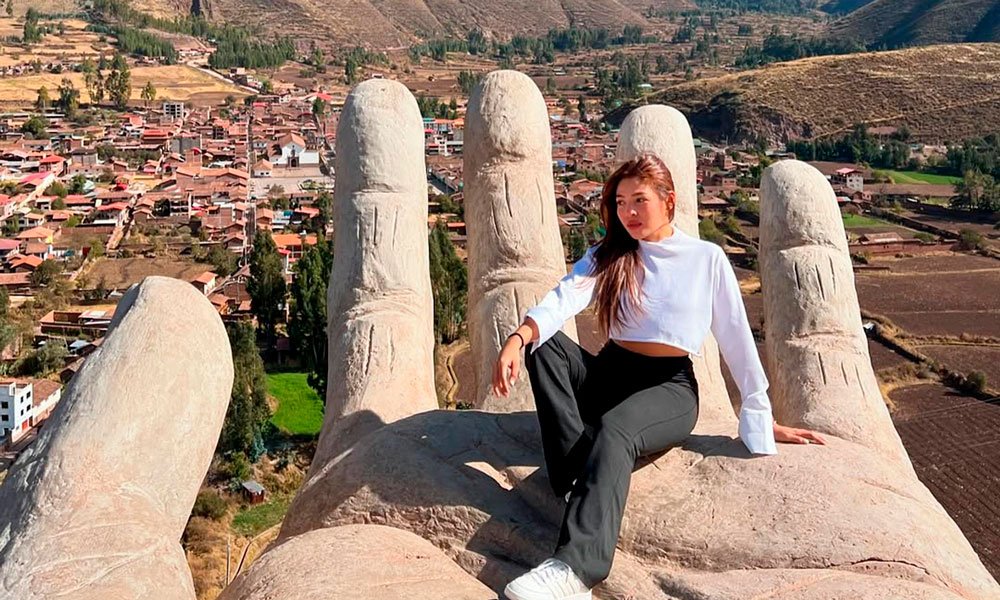
This is a recently built tourist attraction located in the district of Huaro, 50 minutes by car south of the city of Cusco. It is also known as “Cielo Punku” (Sky Gate) because of its beautiful landscape. This place is perfect for taking panoramic photos with a view of the Andean landscape.
30.- The Andean Baroque Route
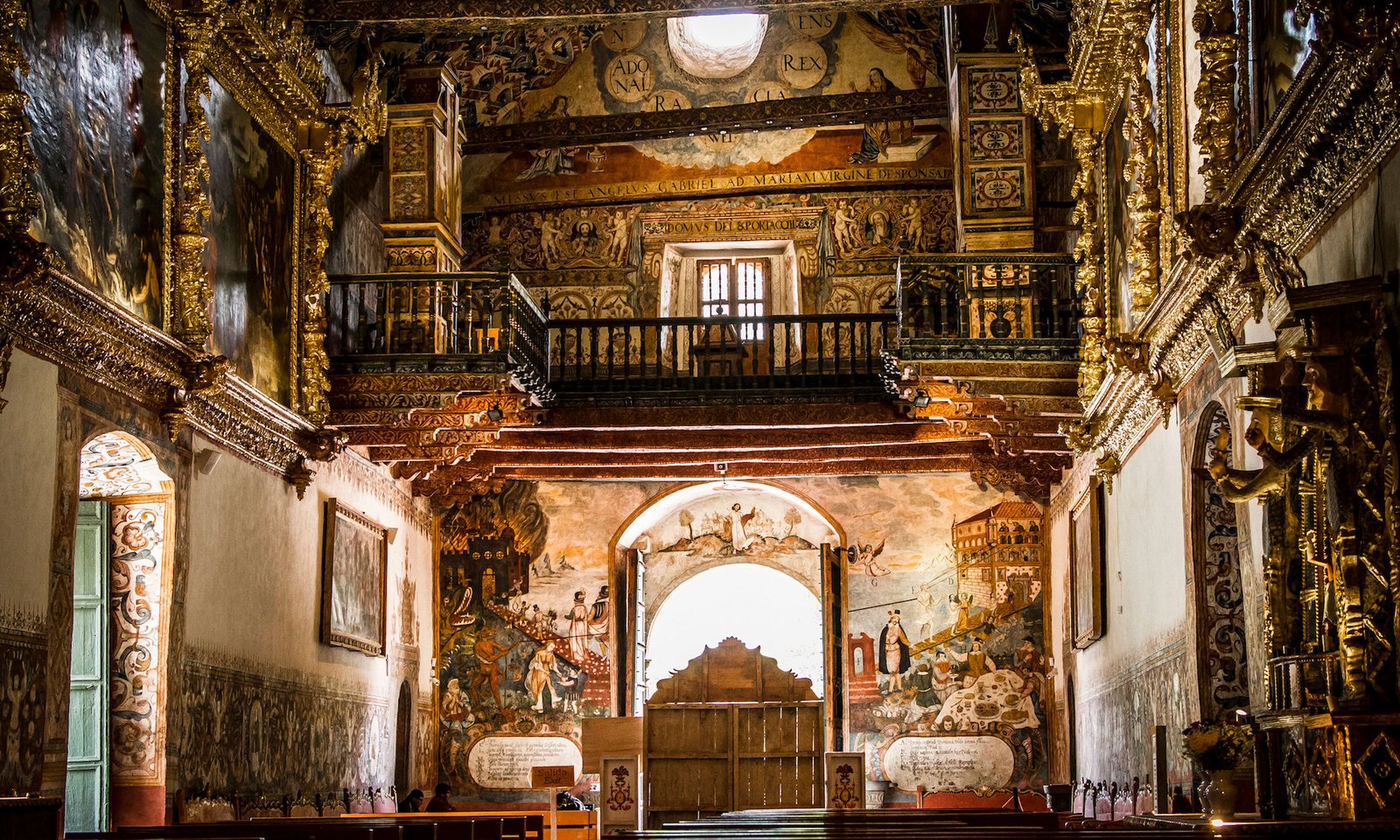
The Andean Baroque circuit is described as “the perfect route for lovers of art and history.” It consists of a tour of four churches in different parts of the Cusco region, which display beautiful works of art by indigenous, mestizo, and Spanish artists.
The first stop is the Temple of the Society of Jesus in Cusco’s Plaza de Armas, then we head to the southern valley of Cusco, the second stop being the Church of St. Peter the Apostle in Andahuaylillas—also known as the “Sistine Chapel of America” due to the immensity of its beauty in paintings and engravings on the church ceiling.
The third stop is the Church of San Juan Bautista in Huaro, and the last stop is the Chapel of the Purified Virgin of Canicunca in Urcos.
31.- Humantay Lagoon
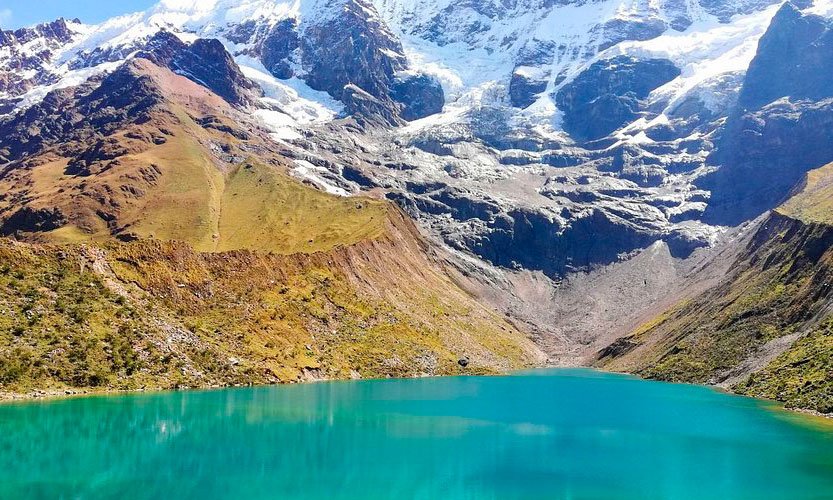
Humantay Lake is one of the coldest and most beautiful lakes in the world. It is the third most visited place after MP and Rainbow Mountain. It is located 4 hours from Cusco by car at the foot of the Salkantay snow-capped mountain. It is a turquoise lake formed by melting snow and minerals that give it a beautiful color.
It is located at 4100 meters above sea level, so it is recommended that you acclimatize first and bring warm clothes because it is very cold up there. If you are not good at walking, you can also hire horses (ascent only: 50 soles — ascent and descent 80 soles, prices are approximate).
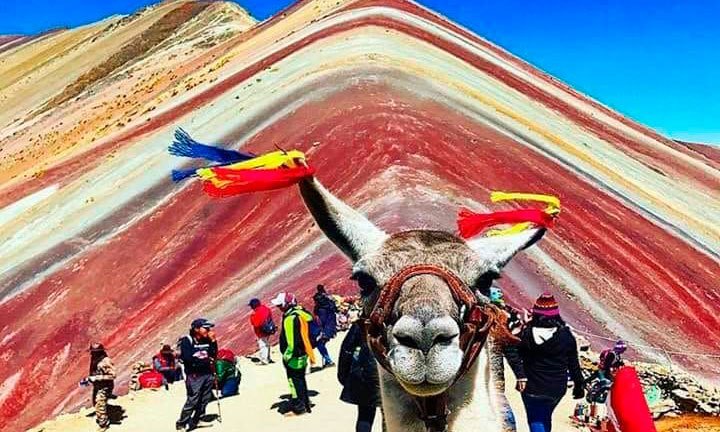
32.- Mountain of Seven Colors
This is the second most visited attraction in Peru after Machu Picchu. Locals call it Vinicunca (in Quechua) or the Mountain of Seven Colors (in Spanish). It is located three hours by car from the city of Cusco, at the foot of Nevado de Ausangate.
The slopes and summit feature many shades of color, and the beauty of this mountain is unique, perfect for taking a selfie. And if you’re still not satisfied, the Red Valley is very close to this mountain. The entrance fee for foreign tourists is 25 soles per person and for domestic tourists is 15 soles per person. It is open every day.
33.- Choquequirao
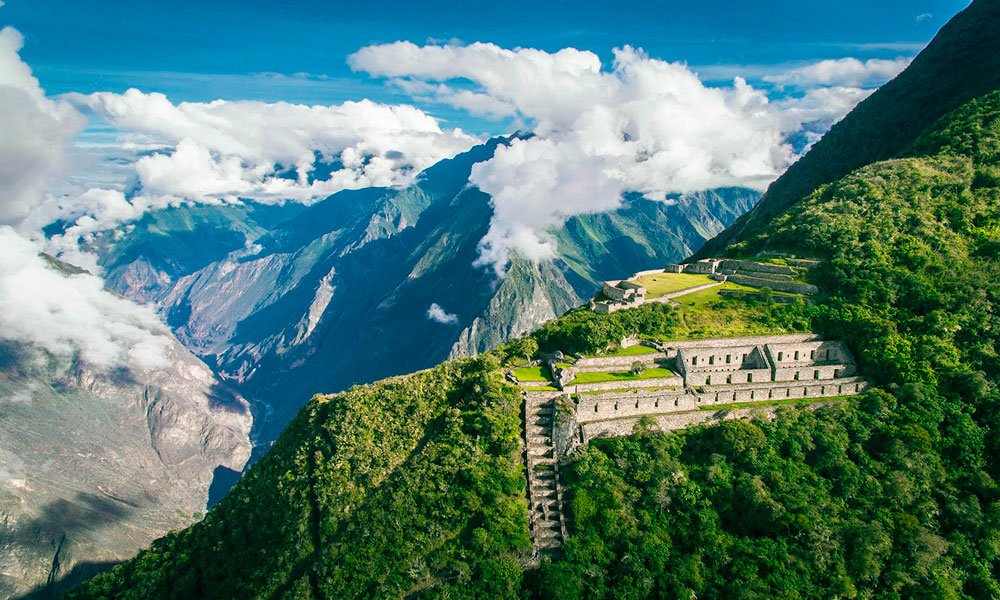
The hike to Choquequirao is definitely one of the most unique experiences in adventure tourism in Cusco. There are 3-day/2-night hikes, and others are 4 days/3 nights.
The route to Choquequirao offers many stories and archaeological sites, as Choquequirao was one of the last bastions of resistance against the Spanish. The last Inca military campaigns against the Spanish occupation of Cusco were organized from Choquequirao and Vilcabamba.
34. Waqra Pukara
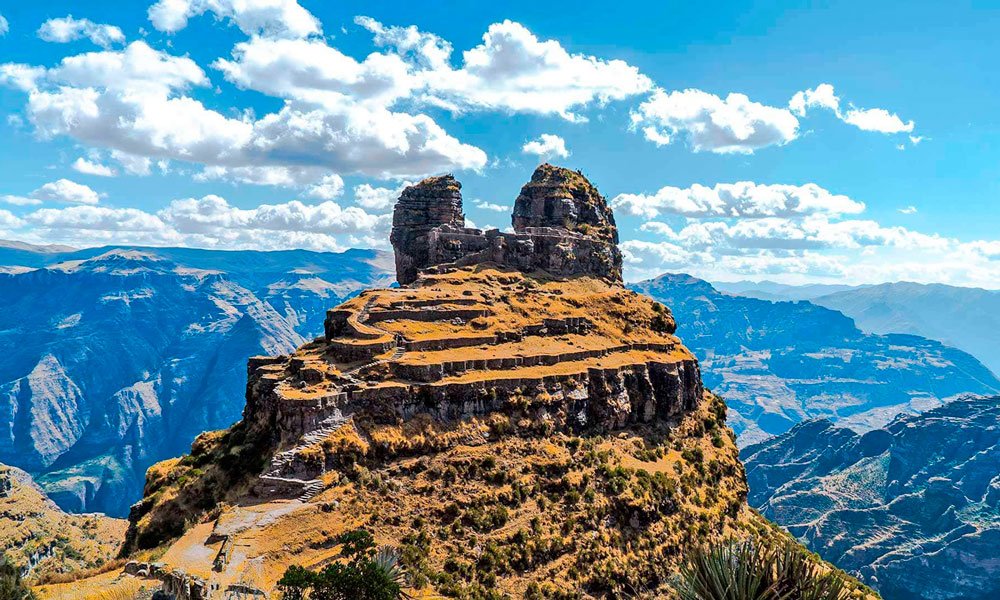
Waqrapukara is an archaeological site located in the Acos district, Acomayo province, Cusco department. It was built by the Qinchas and later conquered by the Incas. The Waqrapukara fortress rises above the Apurimac River canyon, more than 4,000 meters above sea level.
The Waqrapukara fortress is a hidden gem in Cusco that few know about and should be on your travel bucket list. Reaching its ruins will take approximately two to three hours by car from Cusco.
35.- Palccoyo Mountain
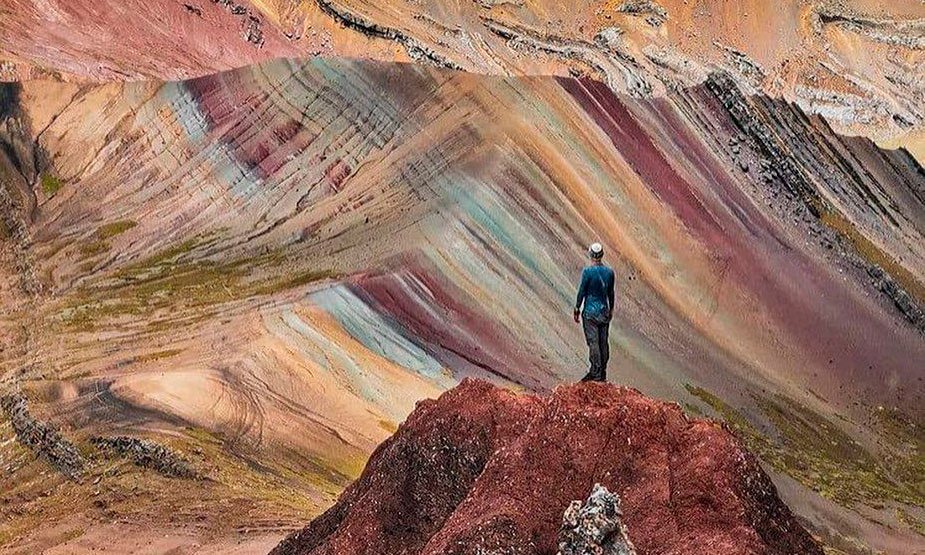
Rainbow Mountain is a beautiful natural site, but it’s true that it has lost some of its charm since it became such a tourist attraction. There is another colorful mountain in Cusco, much less known, that also offers beautiful landscapes: Palcoyo (also spelled Palccoyo). Along the way, you’ll see small communities, alpacas and vicuñas, and a rock forest.
36.- Queshuachaca Bridge
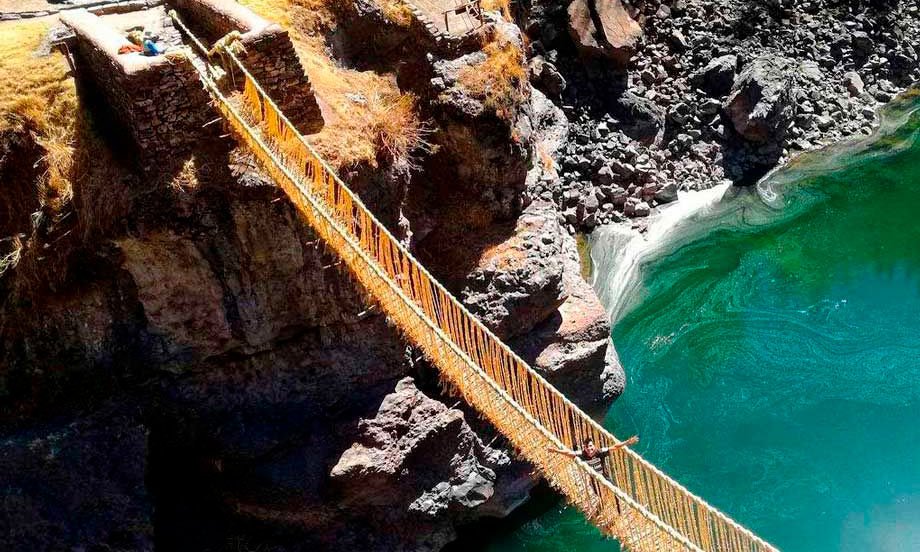
The vast Inca empire was connected by a network of roads that crossed sometimes very uneven terrain (mountains, basins, canyons, etc.). Therefore, they installed several suspension bridges, made of plant fiber, which had to be rebuilt regularly.
The Q’eswachaka bridge is the only one that has survived, and it is thanks to the efforts of local communities who kept this tradition alive, gathering every year for four days to go to work.
37.- Salkantay
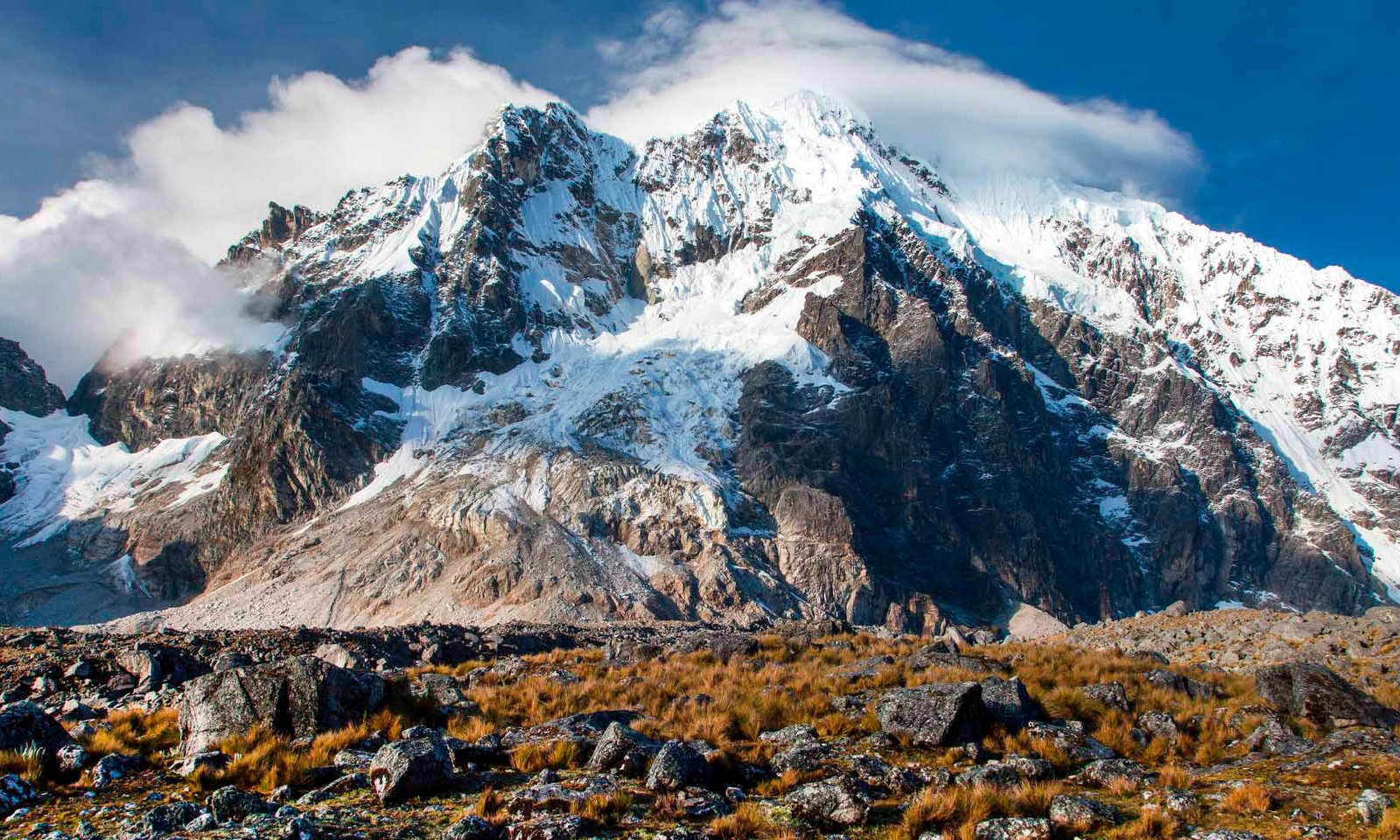
The Salkantay Route is a challenging but rewarding adventure that combines the exploration of the region’s nature, history, and culture, and rewards you with a unique and enriching experience on your way to the iconic citadel of Machu Picchu.
As you descend, you’ll enter a warmer and more humid region, where you’ll encounter a diversity of flora and fauna. The route culminates at the entrance to the Machu Picchu citadel, offering you a panoramic view of this archaeological wonder from the Inti Punku (Sun Gate) viewpoint.
38. Inca Jungle
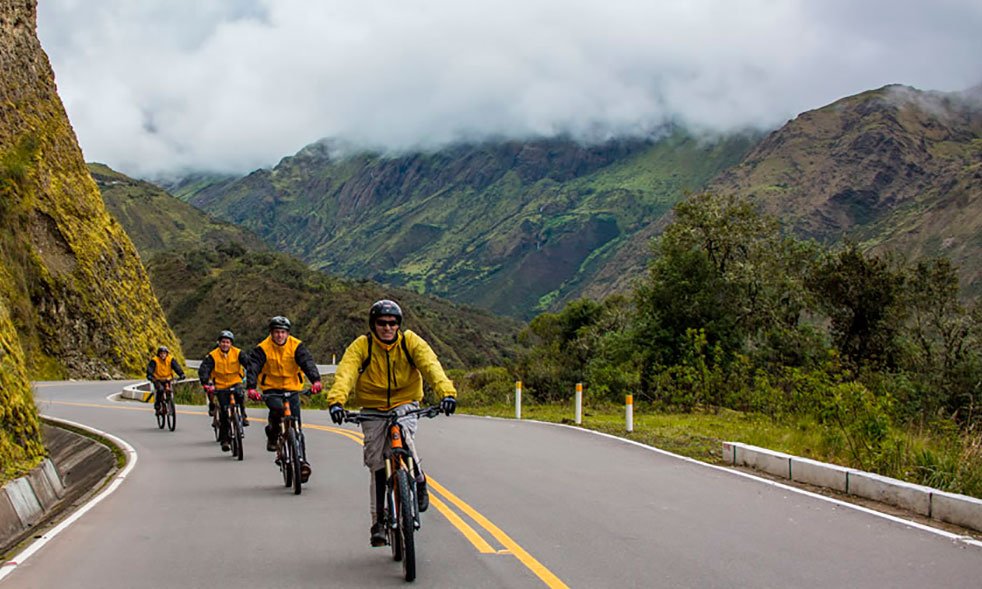
The Inca Jungle Route, also known as the “Inca Jungle Trek,” is an exciting alternative to Machu Picchu, combining adventure, nature, and adrenaline. Unlike more traditional routes, this option integrates activities such as mountain biking, hiking, zip lines, and hot springs, offering a unique and diverse experience.
The Inca Jungle Route takes you to discover natural hot springs, where you can relax and recover after your daily activities. You’ll also experience exciting zip lines over the jungle and rivers, giving you a unique perspective of the surroundings.
39.- 7 Ausangate Lagoons
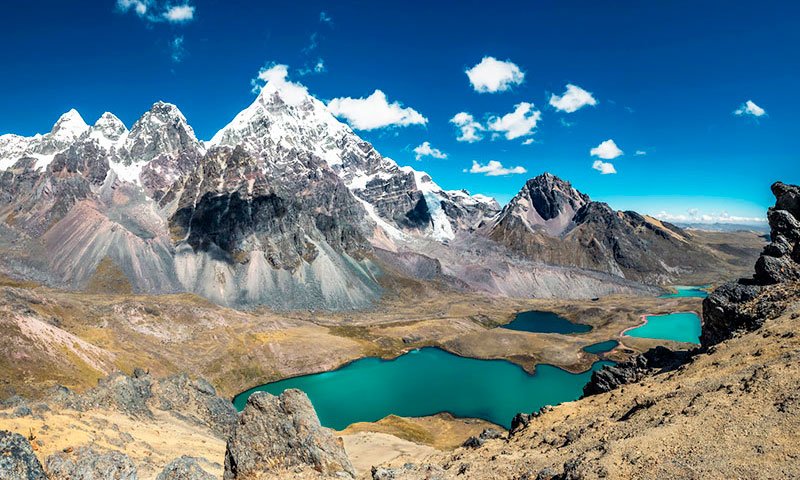
If you’re tired of seeing the same old thing in Cusco, then sign up for the tour to the 7 Ausangate Lagoons, a full-day excursion filled with adventure, scenery, mountains, turquoise, blue, green, and even reddish lagoons. You’ll also be able to see some Andean flora and fauna (alpacas, vizcachas, and condors).
40. Manu National Park
Manu is a natural gem and a premier ecotourism destination, where visitors can immerse themselves in the lush beauty of the Amazon rainforest while contributing to the conservation of this unique and valuable ecosystem.
To visit Manu National Park, it’s common to take excursions that vary in length and level of adventure. These excursions will allow you to explore the jungle, observe wildlife, interact with indigenous communities, and experience the authenticity of the Amazon.
40 Tourist Attractions in Cusco
How to get to Cusco?
Getting to Cusco by bus
It’s true that the bus is the cheapest way to get to Cusco, but it’s also the longest.
Fortunately, the buses have very comfortable seats that recline 120 or 160 degrees.
- From Lima: 10:00 PM – 11:00 PM (departure from the Javier Prado and Plaza Norte terminals. I recommend the former if you’re in the Miraflores, Barranco, or San Isidro neighborhoods).
- From Arequipa: 10:00 AM (day and night buses available)
- From Puno: 6:30 AM (direct bus) or 10:00 AM (tourist bus with visits to the San Pedro de Andahuaylillas Church, Raqchi, Pucara, and buffet lunch; book here)
- From Puerto Maldonado: 10:00 AM – 12:00 PM (day and night buses available)