


Best footwear and technical gear for the Salkantay Trek
The Salkantay Trek is one of the most impressive trekking routes in Peru and one of the best alternatives to the classic Inca Trail to reach Machu Picchu. This route crosses extremely varied landscapes: from high-mountain glaciers to tropical jungle, passing through remote valleys, passes over 4,600 meters of altitude, and humid trails.
Because of these diverse conditions, having the right footwear and proper technical gear is essential to enjoy the experience with safety, comfort, and performance.
In this complete guide you will learn what boots to use, what technical clothing to bring, which accessories are essential, and how to choose the best equipment for the Salkantay Trek.
Why is technical gear so important for the Salkantay Trek?
The Salkantay Trek is considered one of the most spectacular and challenging trekking routes in Peru. Unlike short hikes or low-difficulty routes, this trek involves several consecutive days of hiking in high-mountain terrain. The journey usually lasts between 4 and 5 days, covering approximately 70 kilometers through very diverse landscapes including snow-covered mountains, Andean valleys, cloud forests, and areas near the jungle.
Geographic diversity and weather changes
Thanks to this geographic diversity, weather and terrain conditions can change drastically in just a few hours. Therefore, carrying the proper technical equipment is not only a matter of comfort but also essential for safety and physical performance throughout the entire hike.
Challenges hikers may face
Hikers along this route may encounter demanding conditions such as:
-
Altitude above 4,600 meters, especially at the Abra Salkantay Pass, where oxygen levels are lower and physical effort increases significantly.
-
Sub-zero temperatures during the night, particularly at higher-altitude campsites.
-
Rocky, steep, or uneven trails that require proper footwear to maintain stability.
-
Wet sections with rain or mud, especially when descending toward cloud forest areas.
-
Long descents that can create pressure on knees and ankles if proper equipment is not used.
-
Sudden weather changes, where intense sun can turn into cold wind or rain within hours.
-
Strong solar radiation at high altitude, which can cause dehydration or sunburn without proper protection.
How technical gear helps
In these conditions, technical equipment plays a fundamental role in ensuring a safe and enjoyable trekking experience. Proper trekking gear helps to:
-
Prevent injuries in ankles, knees, and back during long hikes.
-
Avoid blisters and foot discomfort thanks to proper footwear and technical socks.
-
Keep the body dry and warm, even in rainy or extremely cold conditions.
-
Reduce physical fatigue, allowing hikers to walk more efficiently for several hours a day.
-
Improve stability on uneven terrain, especially during steep ascents and descents.
-
Protect the body from wind, rain, and solar radiation, which are common in high mountain environments.
-
Use energy more efficiently by wearing lightweight and breathable outdoor clothing.
The right equipment also allows hikers to focus on enjoying the landscape and the experience instead of worrying about discomfort or problems caused by inadequate gear.
Common problems for unprepared hikers
Many hikers, especially those trekking for the first time, tend to underestimate the demands of the Salkantay Trek. As a result, they may face problems such as:
⚠️ Severe foot pain from wearing improper footwear
⚠️ Extreme cold at night due to lack of thermal clothing
⚠️ Excessive fatigue caused by poorly adjusted or overly heavy backpacks
⚠️ Blisters or skin irritation caused by improper socks
⚠️ Dehydration or exhaustion due to lack of preparation
Properly preparing your technical gear before starting the Salkantay Trek is one of the most important steps to ensure a safe, comfortable, and memorable experience in the Peruvian Andes.
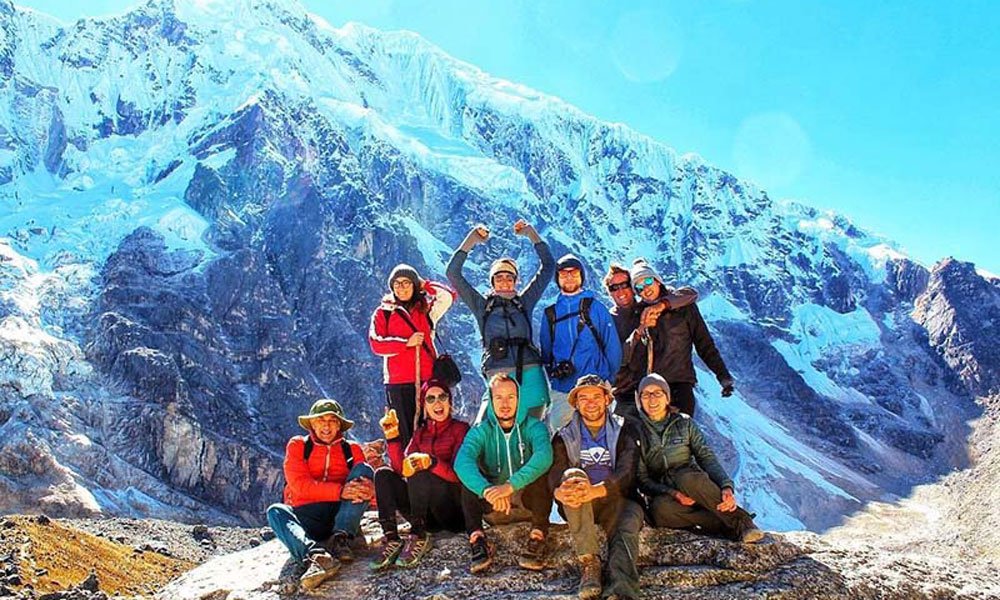
Best footwear for the Salkantay Trek
Trekking footwear is, without a doubt, the most important piece of equipment for the Salkantay Trek. Over several days you will walk long distances across uneven terrain, crossing mountains, rocky paths, dirt trails, wet sections, and even muddy areas. Choosing a good pair of boots can make the difference between enjoying the experience or suffering discomfort during the entire journey.
Wearing inadequate footwear may cause common problems among hikers such as blisters, foot pain, lack of stability, or even injuries to ankles and knees. In contrast, proper trekking boots provide support, protection, and comfort during long days of hiking.
Before selecting your boots for the Salkantay Trek, it is important to consider certain technical features specifically designed for mountain trekking.
Key features your boots should have
The ideal boots for the Salkantay Trek should offer a combination of protection, comfort, stability, and lightweight design. The following aspects are especially important when choosing trekking footwear.
Waterproofing
The Salkantay Trek passes through different ecosystems, and hikers often encounter rain, humidity, streams, or muddy paths in many parts of the route, especially in areas closer to the cloud forest. For that reason, a reliable waterproof system is essential.
Look for boots that include:
-
A waterproof membrane that prevents water from entering
-
Protection against rain and moisture
-
Technical materials that allow the foot to breathe
-
Sealed seams or water-resistant construction
Effective waterproofing helps to:
-
Keep feet dry during long hikes
-
Reduce the formation of blisters
-
Prevent feet from getting cold in colder climates
-
Increase comfort during rainy conditions
Keeping wet feet for several hours can cause discomfort and increase the risk of injuries or blisters.
Good grip outsole
Terrain conditions on the Salkantay Trek vary significantly. Along the route hikers encounter many types of surfaces, which makes excellent traction and stability essential.
Common trail surfaces include:
-
Loose rocks
-
Compact dirt paths
-
Wet or slippery trails
-
Muddy sections
-
Steep descents
-
Gravel or rocky terrain
A high-quality outsole helps to:
-
Prevent slips on wet terrain
-
Improve stability on uneven surfaces
-
Maintain better control during descents
-
Reduce the risk of falls or accidents
Trekking soles usually feature deep traction patterns that allow hikers to move safely across different surfaces.
Ankle support
Strong ankle support becomes very important when hiking mountain routes for several consecutive days.
Mid-cut or high-cut boots provide more stability than low-cut shoes, which is particularly useful on uneven terrain.
This type of footwear helps to:
-
Prevent twists or sprains
-
Improve balance on rocky trails
-
Protect the ankle from sudden movements
-
Maintain better stability while carrying a backpack
Support around the ankle becomes especially important during long descents, when body weight and backpack load place additional pressure on the joints.
Cushioning
Hikers on the Salkantay Trek often walk between 6 and 9 hours per day, which means thousands of steps across mountain terrain. Because of this, cushioning plays a key role in reducing impact on the body.
A good cushioning system helps protect:
Knees, ankles, hips, and back.
Proper cushioning also allows hikers to:
-
Walk longer with less fatigue
-
Reduce impact on hard or rocky terrain
-
Improve overall comfort during long hikes
These benefits become particularly noticeable during descents, when joint impact tends to increase.
Lightweight design
Footwear weight also influences the level of effort required during the trek. Boots that are too heavy can cause additional fatigue after several hours of walking.
For that reason, choosing boots that offer a balance between protection and lightness is highly recommended.
Ideally, trekking boots should be:
-
Durable enough for demanding terrain
-
Lightweight to reduce effort while walking
-
Flexible to allow natural foot movement
-
Comfortable for long hikes
Lighter footwear helps hikers maintain a steady pace and reduces accumulated fatigue throughout the day.
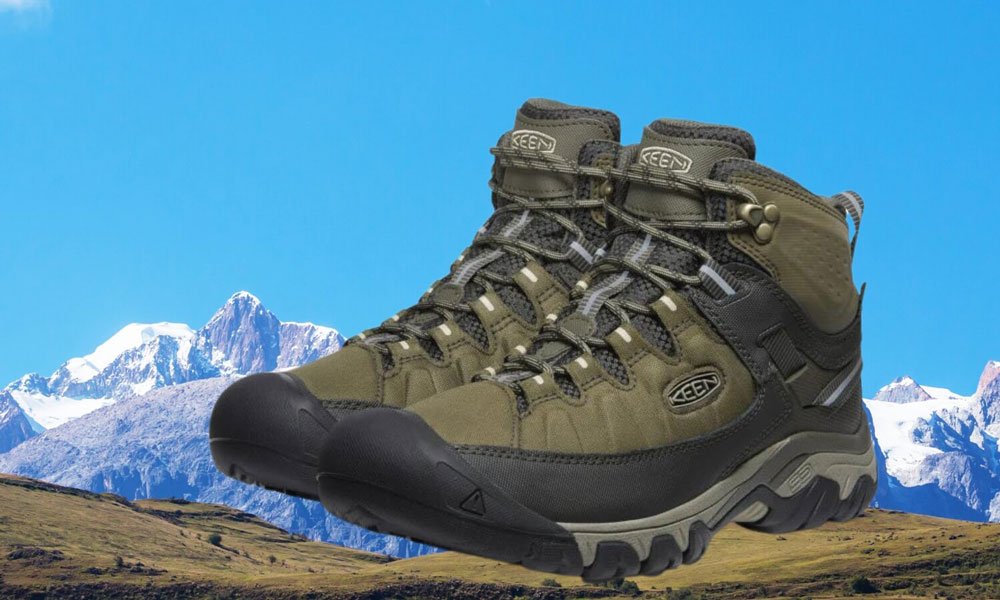
Recommended types of footwear for the Salkantay Trek
Selecting the right type of footwear is one of the most important decisions before starting the Salkantay Trek. Since this is a multi-day hike across varied terrain, choosing footwear designed specifically for mountain trekking is essential.
Two main types of footwear are commonly used on this route, although one option is far more recommended for most hikers.
Trekking boots
Trekking boots are the most recommended option for the Salkantay Trek, especially for people doing multi-day hikes or those with limited experience on mountain routes.
This type of footwear is designed to provide greater protection and stability on uneven terrain. It also offers better support when walking long distances while carrying a backpack.
Advantages of trekking boots include:
-
Greater stability on rocky or uneven terrain
-
Better protection for the feet against rocks or impacts
-
Waterproofing that helps keep feet dry in wet or rainy areas
-
Ankle support that reduces the risk of sprains
-
Greater durability during long hikes
Because of these benefits, trekking boots are ideal for hikers looking for safety, comfort, and performance throughout the entire trek.
Trail running shoes
Some experienced hikers prefer using trail running shoes for the Salkantay Trek.
These shoes are designed for running on trails and offer certain advantages in terms of lightness and ventilation.
Their main characteristics include:
-
They are lighter than trekking boots
-
They provide better breathability
-
They allow more flexible foot movement
-
They can feel more comfortable for experienced hikers
However, this type of footwear also has some disadvantages:
-
Less ankle support
-
Less protection on rocky terrain
-
Lower resistance in muddy or wet conditions
For this reason, trail running shoes are generally recommended only for hikers who are already accustomed to walking long distances in mountain environments.
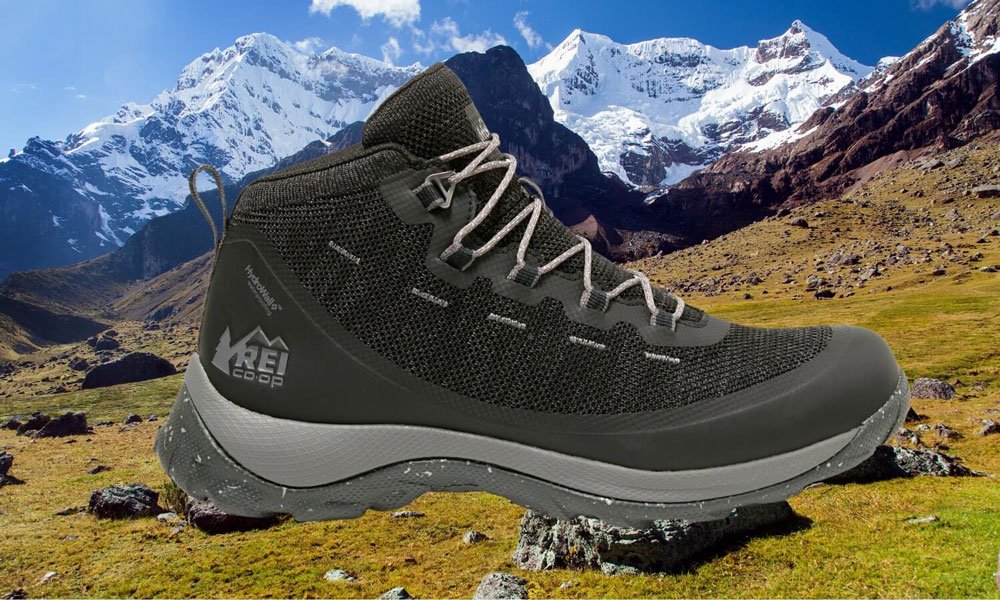
Proper trekking socks
Although many people overlook them, socks are a fundamental part of trekking equipment. A good pair of socks can help prevent blisters, reduce friction, and keep feet dry during long hikes.
Technical trekking socks are specifically designed to absorb moisture and provide greater comfort.
Recommended materials include:
-
Merino wool, which regulates temperature and controls moisture
-
Technical synthetic fibers designed for quick drying
-
Cushioned fabrics that reduce friction while walking
Cotton socks should be avoided, since this material retains moisture and takes a long time to dry. As a result, the risk of blisters increases significantly during long hikes.
The Salkantay Trek is a unique experience that combines adventure, nature, and culture along one of the most spectacular routes to Machu Picchu. Mountain conditions, however, require proper preparation.
Choosing the right trekking footwear, appropriate technical clothing, and specialized gear not only improves performance but also ensures a safer and more comfortable experience throughout the journey.
With the right equipment you will be able to fully enjoy the landscapes of the Salkantay Glacier, the Andean valleys, and the transition into the jungle that make this route one of the most impressive in South America.
Preparing properly is the first step toward experiencing an unforgettable adventure on the Salkantay Trek.