Overland route from Lima to Uyuni Salt Flats.
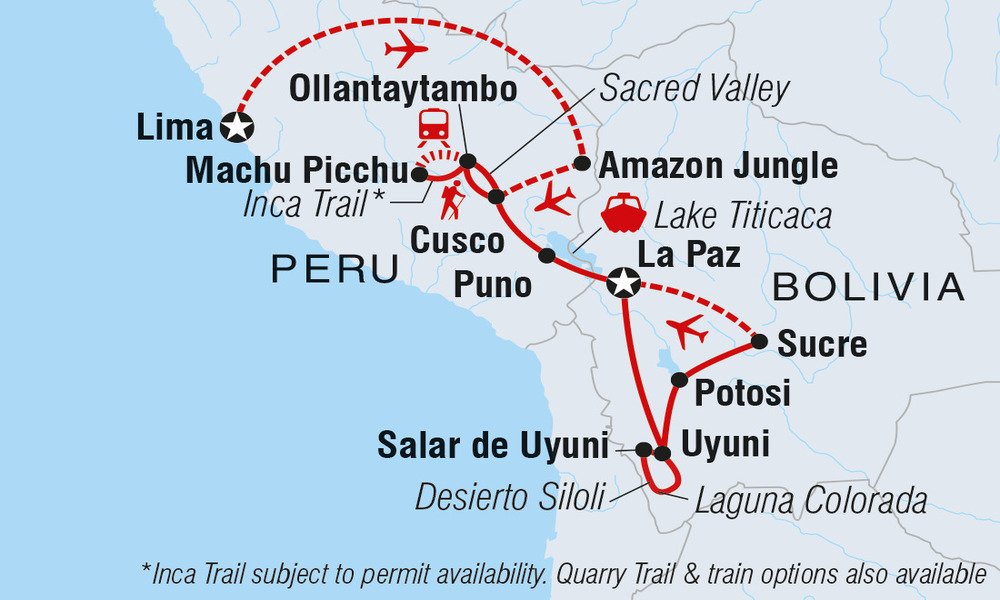
If you’re planning the overland route from Lima to Uyuni Salt Flats, this guide will help you understand the complete journey from Peru to Bolivia. Traveling by land across two countries is an adventure filled with unique landscapes, cultural changes, and practical challenges. Here, you’ll find everything you need before taking this long but rewarding route—from transportation options and border crossings to safety tips and budget recommendations.
Best Overland Itinerary Options from Lima to Uyuni

Traveling the overland route from Lima to Uyuni Salt Flats requires several long-distance connections, but it is one of the most scenic cross-border journeys in South America. Each route offers different landscapes, climates, and stopover cities. Below you’ll find the three best options, each expanded so you can understand what to expect and choose the itinerary that fits your travel style.
Option A: Lima → Arequipa → Puno → La Paz → Uyuni (Most Recommended Route)
This is the most popular and reliable route for travelers doing the Peru–Bolivia overland trip. It follows the Andean spine of southern Peru and allows you to stop in two major cities—Arequipa and Puno—before entering Bolivia. The route is well connected with comfortable buses, and the gradual altitude gains make acclimatization easier.
You’ll travel from coastal Lima to the volcanic landscapes of Arequipa, continue to Lake Titicaca in Puno, cross into Bolivia toward La Paz, and finally connect with an overnight bus to Uyuni. It is a long journey, but it offers some of the best cultural and natural highlights of the region.
Route overview:
-
-
- Lima → Arequipa → Puno → La Paz → Uyuni
-
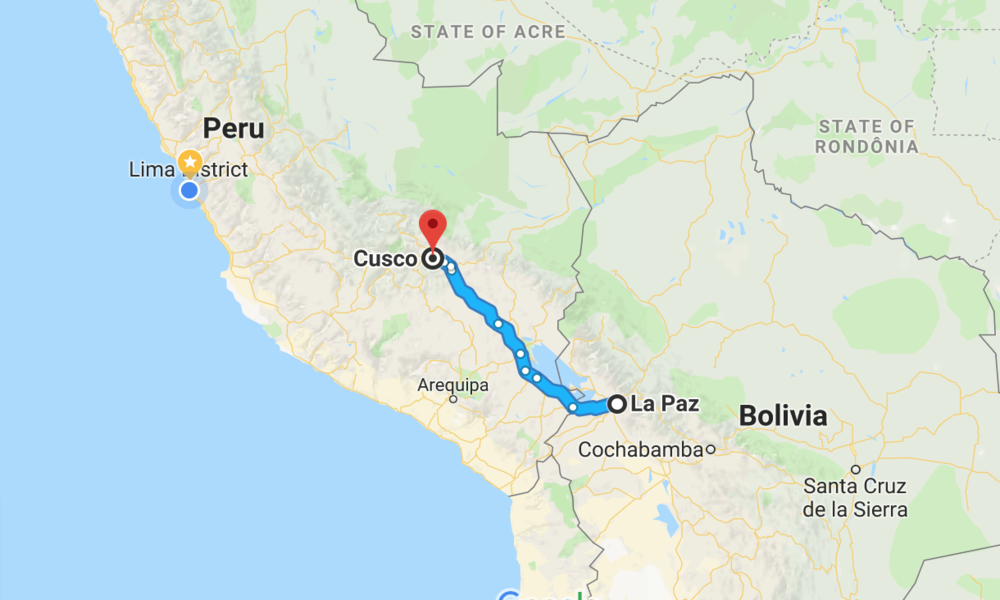
Option B: Lima → Cusco → La Paz → Uyuni (Scenic Cultural Route)
This alternative is perfect for travelers who want to experience Peru’s cultural heart before heading to Bolivia. Starting in Lima, the journey climbs dramatically into the high Andes until reaching Cusco, the former Inca capital. Many travelers add Machu Picchu, the Sacred Valley, or Rainbow Mountain to their itinerary before continuing toward Bolivia.
After enjoying Cusco, you can connect by bus toward Puno or Juliaca and cross into Bolivia, continuing on to La Paz. From there, overnight buses take you directly to Uyuni. It is a longer route with higher altitudes, but it offers a rewarding cultural immersion.
Route overview:
-
-
- Lima → Cusco → La Paz → Uyuni
-
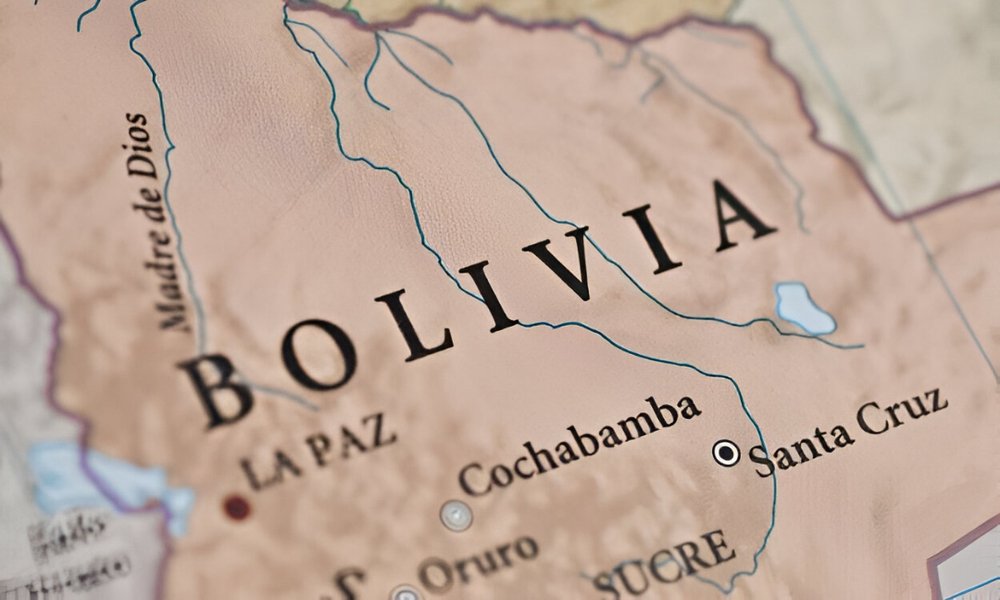
Option C: Lima → Tacna → Arica → Oruro → Uyuni (Adventurous Desert Route)
This is the most unconventional route, ideal for travelers seeking a unique overland experience. Instead of moving through the Andean highlands, this itinerary takes you along Peru’s coastal desert to Tacna, one of the country’s southernmost cities. From there, you cross into Chile by colectivo to reach Arica, a relaxed beachside city with excellent transport connections.
After Arica, the journey continues toward the Bolivian Altiplano, entering the high plains near Oruro. From Oruro, a shorter bus ride brings you directly into Uyuni. This route is great for travelers who want fewer crowds, ocean views, and a different cultural path before arriving at the salt flats.
Route overview:
-
-
- Lima → Tacna → Arica → Oruro → Uyuni
-
Recommended Stops Along the Way
Whichever route you choose, there are key cities worth visiting where you can rest, explore, and experience local culture. These stops help break up long bus rides and make the journey richer.
Main stops:
- Arequipa – White volcanic city
- Puno – Lake Titicaca gateway
- La Paz – Bolivia’s cultural capital
Crossing the Peru–Bolivia Border: Requirements and Tips
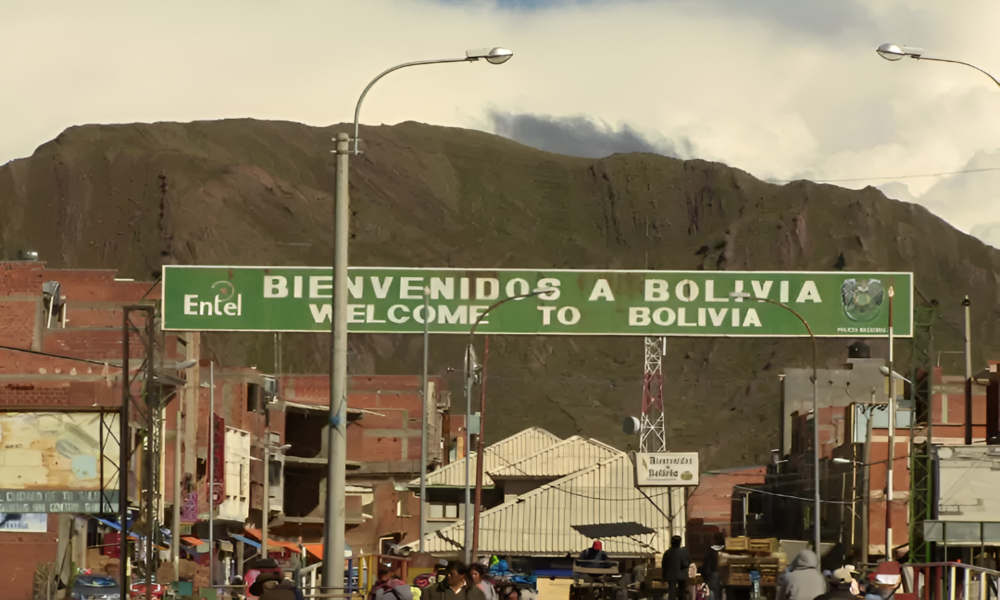
Crossing the border is one of the most important steps on the overland route from Lima to Uyuni Salt Flats. Whether you enter Bolivia from Puno (Desaguadero or Kasani) or from Arica/Oruro, being prepared will ensure a smooth and safe transition. Below is an expanded guide covering border types, necessary documents, and essential tips.
Main Border Crossing Points
There are several ways to enter Bolivia, depending on your chosen route. The most used borders in the Peru–Bolivia journey are Desaguadero and Kasani, though travelers using the Chile route will enter through the Oruro region. Each border has different characteristics in terms of safety, speed, and tourism infrastructure.
Border options:
- Desaguadero – Busy and popular with buses
- Kasani (Copacabana) – Scenic and tourist-friendly
Documents You Need
To avoid delays or complications during the migration process, it’s essential to have all your documents ready. Bolivian authorities may request additional information depending on current regulations, so carrying both printed and digital versions helps.
Required items:
- Valid passport
- Completed migration forms
- Proof of onward travel
- Necessary health documents
Migration Process Overview
The border-crossing procedure is usually simple, but depending on the season or crowd levels, it can take from 20 minutes to over an hour. Staying organized and keeping your documents visible speeds things up.
Process steps:
- Exit Peru → Walk to Bolivia → Entry stamp → Bag check → Continue trip
Best Time to Cross
Choosing the right time can make a big difference in avoiding crowds and ensuring a smooth experience, especially in Desaguadero, which can get congested.
Recommended time:
-
- Morning or early afternoon
Safety Tips
Border areas can be chaotic, especially when many buses arrive at the same time. Following basic safety practices will help protect your documents and belongings throughout the crossing.
Safety essentials:
- Keep documents secure
- Watch your belongings
- Exchange money with registered houses
Passport, Visa & Entry Requirements for Peru–Bolivia Overland Travel
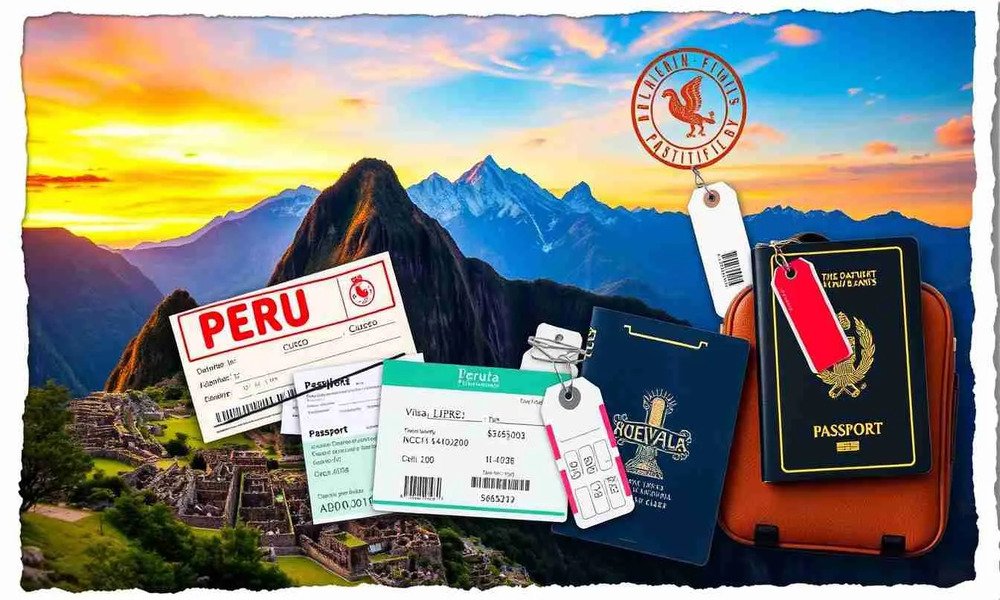
Traveling overland from Peru to Bolivia requires a bit of preparation, especially regarding passport validity, nationality-specific visa rules, and immigration procedures. Although the journey is popular among backpackers and overlanders heading toward the Uyuni Salt Flats, the two migration offices can vary in efficiency depending on the time of day, holidays, and the volume of travelers. Taking time to understand what you’ll be asked for — and what may cause delays — will make your cross-border experience straightforward and stress-free.
During peak travel months (June to August and December), queues may be longer and bus companies often coordinate large groups entering at the same time. This makes it even more important to have your documents ready and to know what the officers typically request. In both Kasani and Desaguadero, the steps include stamping out of Peru, walking across the border line, and then stamping into Bolivia before boarding transportation again. Keeping your documents organized and easily accessible speeds up the entire process.
Essential Entry Requirements
Valid passport with at least 6 months remaining, proof of entry/exit stamps from previous destinations, printed or digital copies of hotel bookings if requested, regional visa exemptions (CAN/Mercosur) depending on nationality, completed Peru exit form, Bolivian immigration registration if required, and verification of financial means or onward travel when officers deem it necessary.
Safety Tips & Common Issues When Crossing the Border

Land borders in South America can feel chaotic, especially for first-time travelers. Between bus assistants rushing people, currency exchangers approaching tourists, and long lines at immigration, it’s easy to get confused or distracted. Both border points — Desaguadero (more hectic) and Kasani (more organized) — are generally safe, but travelers must stay aware of their surroundings. Keeping your belongings secure and avoiding unofficial “helpers” are key to staying safe.
Another common issue is misinformation: some bus companies may tell passengers to “hand over the passport” so they can speed up migration formalities. This is never recommended. Your passport should always stay with you. Additionally, because border towns can have fluctuating exchange rates and occasional petty theft, it’s better to only carry small amounts of cash outside and keep the rest tucked away in money belts or hidden pockets. With basic precautions, the crossing is smooth and uneventful.
Key Border Safety Tips
Keep personal belongings in sight, avoid exchanging money with street changers, verify both exit and entry stamps before leaving immigration, refuse assistance from unofficial intermediaries, stay within official migration buildings, cross during official operating hours to avoid waiting overnight, and use licensed transport companies that follow the correct border procedures.
Recommended Bus Companies, Ticket Prices & Travel Times
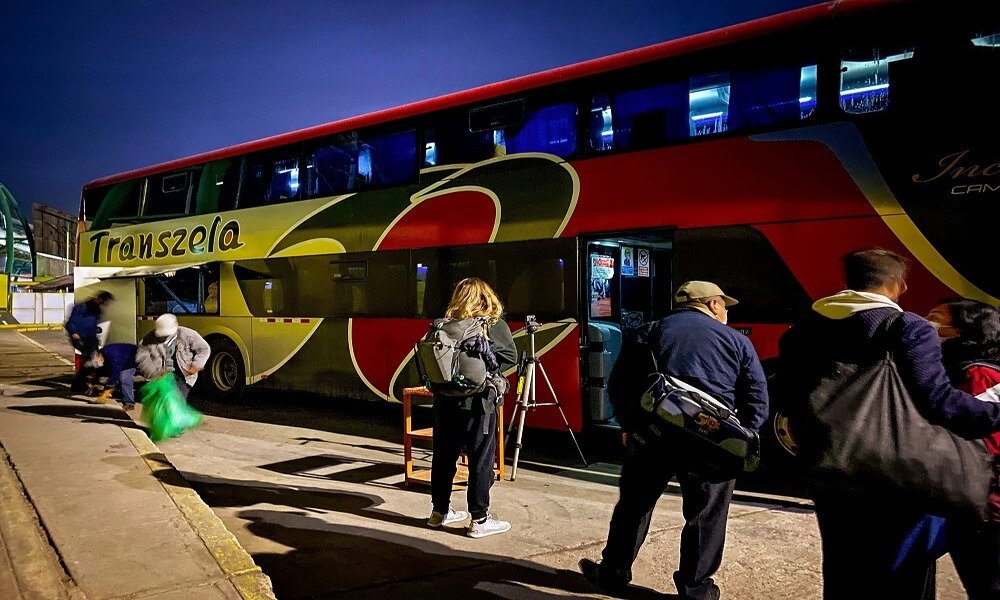
Choosing the right bus company is one of the most important decisions for an overland trip from Lima to Uyuni, especially considering the long distances, high altitudes, and border procedures involved. Some routes are operated by premium companies with full-cama seats, onboard meals, blankets, and USB ports, while others are more basic but still reliable. Because the journey can take several days with several connections (Lima → Puno or Cusco → Copacabana or La Paz → Uyuni), knowing which providers offer the safest and most comfortable rides makes a huge difference.
Prices vary depending on the season, how early you book, and whether you choose day or night departures. In high season, buses to Puno, Cusco, and La Paz tend to sell out quickly, so pre-booking online is highly recommended. Bolivian routes usually have lower prices but also greater variation in comfort levels, so checking recent reviews helps. Most companies operating near the border follow official migration rules, coordinating stops so passengers can complete immigration without rushing.
Most Reliable Bus Options & Average Prices
Cruz del Sur, Bolivia Hop, Tour Peru, Trans Titicaca, and Todo Turismo, offering full-cama seats on long-distance stretches, average fares between USD 30–60 for Peru segments and USD 15–35 for Bolivia routes, estimated travel times such as Lima → Puno (18–22 hours), Puno → Copacabana (4 hours), Copacabana → La Paz (4 hours), and La Paz → Uyuni (8–10 hours) depending on road conditions and departure schedules.