Is Peru Safe for American Tourists in 2025
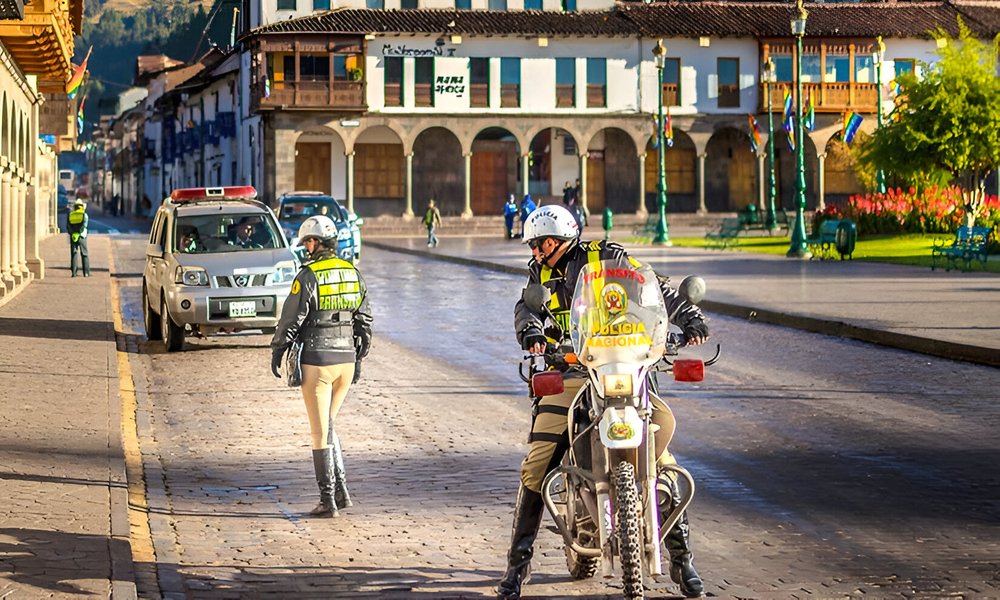
Peru continues to attract thousands of travelers every year — from the snow-capped Andes to the ancient ruins of Machu Picchu and the colorful Amazon Basin. But one question remains on the mind of many visitors: Is Peru safe for American tourists in 2025?
The answer is yes, Peru is generally safe for American travelers when they stay informed, use common sense, and follow basic safety guidelines. In 2025, tourism has rebounded, and security measures have improved in key destinations like Lima, Cusco, the Sacred Valley, Arequipa, and Puno. With proper preparation, you can explore Peru’s cultural treasures, natural beauty, and world-renowned gastronomy with confidence.
Moreover, knowing what to expect before you go helps ensure that your experience is not only exciting but also worry-free.
Description: Understanding Travel Safety in Peru
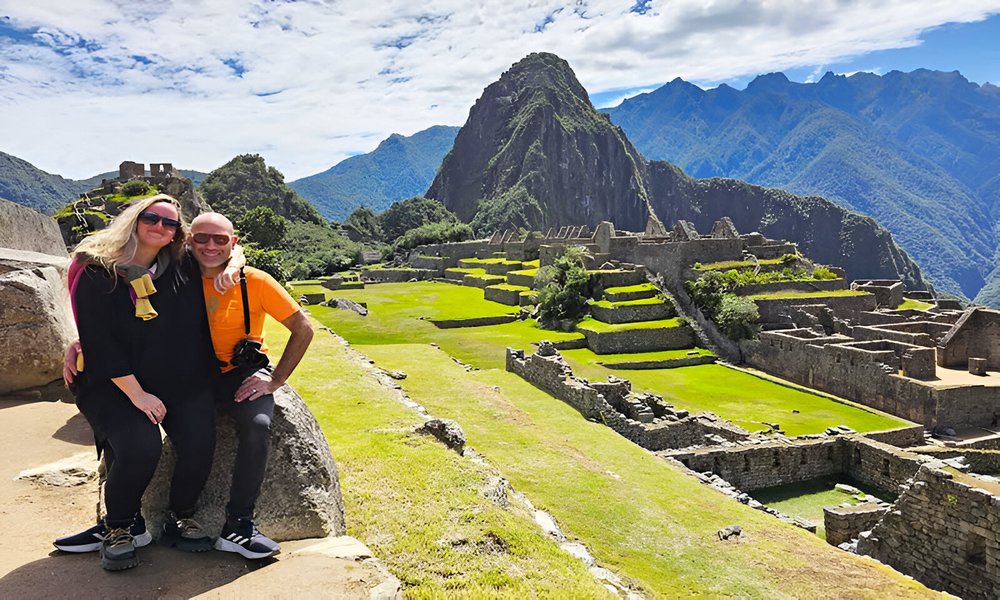
Peru offers a fascinating mix of adventure, culture, and history, making it one of South America’s must-see destinations. Yet, like any developing nation, it has areas that require extra caution. According to the U.S. Department of State, Peru is currently at Level 2: Exercise Increased Caution.
Most tourist zones such as Cusco, Machu Picchu, and Lima’s Miraflores District are safe and well-monitored by tourist police. However, travelers should avoid high-risk zones like the VRAEM region (Apurímac, Ene, and Mantaro Rivers Valley) and remote border areas near Colombia or Brazil.
In addition, staying informed through official updates and using licensed tour operators will make your trip smoother. Local communities are welcoming, and tourism remains one of Peru’s top priorities. With respect and awareness, visitors can enjoy authentic cultural experiences without issues.
Current Travel Advisory for Peru
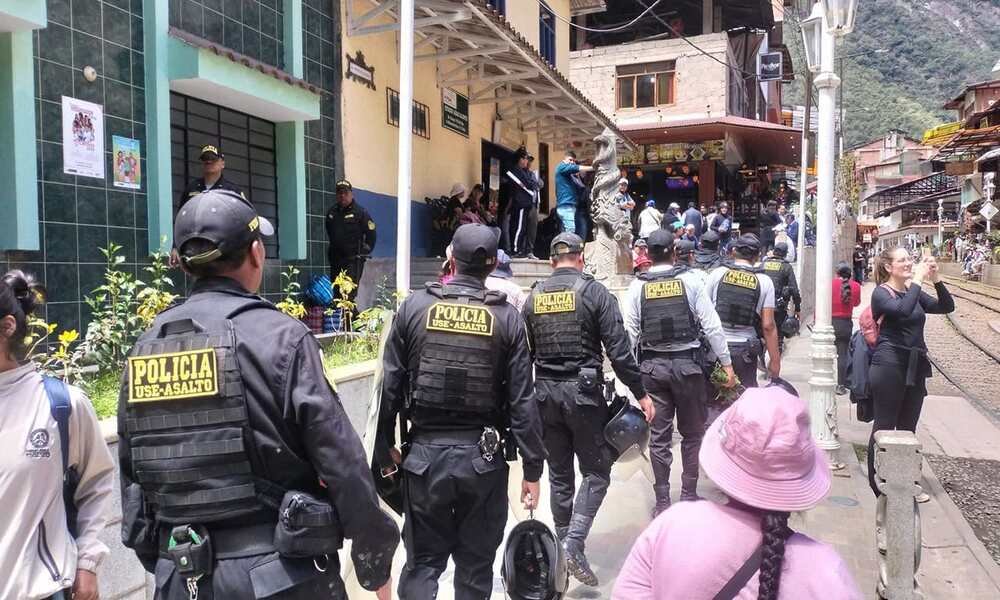
Peru remains under the Level 2 – “Exercise Increased Caution” advisory by the U.S. Department of State. This means that most areas are open and safe for tourism, but travelers should stay alert to avoid petty theft or occasional unrest. The update for 2025 emphasizes that American tourists can safely visit popular destinations like Lima, Cusco, Arequipa, Puno, and Machu Picchu, provided they follow standard precautions.
Certain parts of the country, however, remain restricted. The VRAEM region (Valley of the Apurímac, Ene and Mantaro Rivers) and the northern borders near Colombia and Brazil are rated Level 4 – Do Not Travel due to criminal activity and minimal law enforcement presence. Thankfully, these zones are far from any major tourist circuits.
In contrast, tourist destinations such as the Sacred Valley, Lake Titicaca, the Colca Canyon, and the Amazon Lodge areas of Puerto Maldonado operate normally with solid infrastructure and visible security patrols. Peru’s Tourist Police (Policía de Turismo) are present in key sites to assist foreign visitors in English and Spanish.
If you plan to travel in 2025, keep up-to-date by visiting the U.S. Embassy in Lima’s official website and enrolling in the Smart Traveler Enrollment Program (STEP). This allows you to receive real-time safety alerts and enables the embassy to contact you during emergencies.
Therefore, while the advisory highlights a few risk areas, the overall travel outlook for Peru is positive, especially when visitors remain informed, respect local rules, and rely on certified operators for tours and transfers.
Safe Tourist Areas in Peru
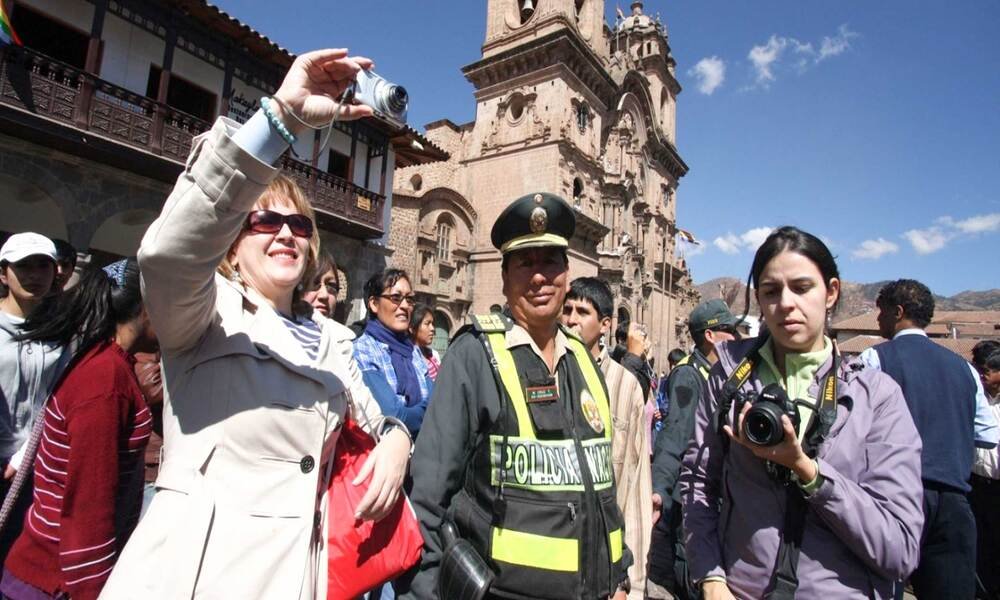
When asking “Is Peru safe for American tourists in 2025?”, it’s important to note that most tourist areas remain very secure and welcoming. Peru’s government and private sector continue strengthening tourism safety through visible police presence, licensed guides, and well-maintained transport infrastructure.
Cusco and the Sacred Valley
Cusco — the former capital of the Inca Empire — remains one of the safest and most tourist-friendly cities in South America. The Sacred Valley, including towns like Pisac, Ollantaytambo, and Urubamba, offers a peaceful atmosphere, warm hospitality, and constant patrols by the Tourist Police. Petty theft can occur in markets or crowded areas, but violent crime is extremely rare.
Machu Picchu
The jewel of Peru, Machu Picchu, is not only one of the most impressive archaeological sites in the world — it’s also one of the safest. Access is strictly controlled, tickets are personalized, and visitors must enter with registered guides. The constant flow of travelers, along with on-site guards and medical staff, ensures a secure and organized experience from start to finish.
Lima: Miraflores and Barranco Districts
Lima is a big city, and like all capitals, safety varies by area. However, Miraflores and Barranco — the main tourist districts — are well-patrolled and modern, with coastal views, upscale restaurants, and safe pedestrian areas. Avoid unlicensed taxis and dark streets late at night, but during the day these neighborhoods are among the most enjoyable and secure in South America.
Arequipa, Colca Canyon, and the South Coast
The “White City” of Arequipa and the surrounding Colca Canyon are known for tranquility, beautiful colonial architecture, and friendly locals. Tourists can hike, take photos of the Andean condors, and relax without concern. Similarly, Paracas and the Ballestas Islands on the south coast are peaceful areas with solid tourism infrastructure and minimal risks.
Lake Titicaca and Puno
Located on the border with Bolivia, Puno and the floating islands of Uros and Taquile are safe and welcoming. Community-based tourism allows travelers to experience Andean culture authentically, with families hosting overnight stays. It’s advisable to check local news for any transport strikes before departure, but in general, the region operates normally and securely.
Additionally, the northern beaches such as Máncora, Vichayito, and Los Órganos have become safe havens for surfers, couples, and digital nomads. These coastal towns are calm, sunny, and well-connected, perfect for those seeking relaxation and safety.
Therefore, with basic awareness and official guidance, travelers can confidently explore the most spectacular parts of Peru without worry.
Areas to Avoid in Peru | Is Peru Safe for American Tourists?

When travelers ask Is Peru safe for American tourists in 2025, it’s important to know that the vast majority of destinations are secure and welcoming.
However, there are a few regions outside the main travel circuit that should be avoided due to illegal activities, political unrest, or poor infrastructure. Knowing where not to go is a key part of smart and safe travel planning.
The VRAEM Region (Apurímac, Ene, and Mantaro Rivers Valley)
This area remains under Level 4: Do Not Travel, according to the U.S. Department of State. It includes remote zones of Ayacucho, Cusco, Junín, and Huancavelica where narcotrafficking and limited law enforcement persist.
The good news? These places are hundreds of miles away from Machu Picchu, Cusco, and the Sacred Valley, so most tourists will never come near them.
Remote Border Regions
Travelers should avoid isolated borders with Colombia and Brazil, especially deep inside the Amazon. These areas lack reliable transport, hospitals, or police. While beautiful, they are not set up for tourism and remain off-limits without special permits and trained local guides.
Unregulated Trails and Unlicensed Tours
Some travelers searching for “off-the-beaten-path” adventures may encounter unauthorized trekking or jungle operators.
Avoid them. Choose licensed agencies with safety certification and English-speaking guides. This applies to alternative Inca Trail routes and Amazon expeditions — the safest way to experience Peru is through registered companies.
Civil Demonstrations and Temporary Closures
At times, local protests can occur, particularly near mining areas or during elections. These are usually peaceful but may cause short-term roadblocks or transport delays.
Before traveling between cities, check updates with your hotel, guide, or the U.S. Embassy in Lima, which posts real-time travel alerts for American visitors.
Therefore, even though these caution zones exist, they make up only a small fraction of Peru’s territory. Most travelers who ask Is Peru safe for American tourists in 2025 will find that destinations like Lima, Arequipa, Cusco, and Puno remain perfectly safe to explore with normal awareness.
Safety Tips for American Tourists
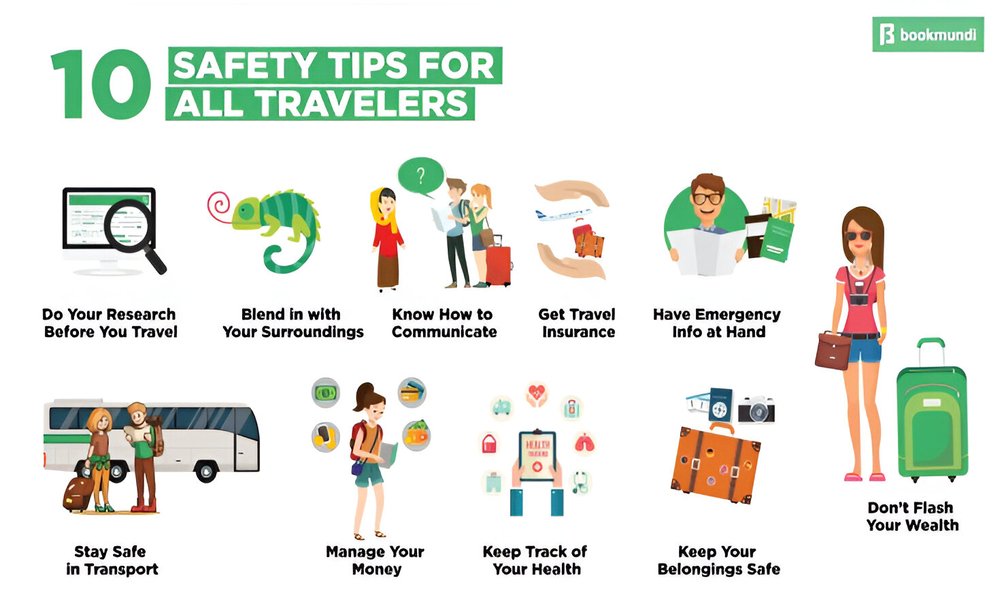
When travelers ask Is Peru safe for American tourists in 2025, the best answer is that safety largely depends on being informed and prepared. By following a few simple travel tips, you can explore Peru’s incredible diversity—from coastal cities to high Andean peaks—with confidence and peace of mind.
Keep Identification and Documents Safe
Always carry a copy of your passport and entry stamp, keeping the original locked in your hotel safe. Many travelers also upload a digital copy to cloud storage for emergencies. Police checkpoints are common, especially in remote areas, so having your documents accessible saves time and avoids complications.
Use Official ATMs and Payment Methods
Use ATMs located inside banks or shopping centers, never on isolated streets. Most tourist establishments in Peru accept major credit cards, but cash remains essential in small towns and local markets. Avoid exchanging large amounts of money in public.
Choose Authorized Transportation
Only use registered taxis or app-based rides (Cabify, InDriver, or Uber in Lima). In Cusco, Arequipa, and Puno, prefer taxis called from hotels or tourist agencies. If you plan intercity travel, use reputable bus companies such as Cruz del Sur, Oltursa, or Civa for comfort and safety.
Health and Altitude Tips
The Andes sit at high elevation, and first-time visitors may experience mild altitude sickness. Drink plenty of water, avoid heavy meals, and rest the first day in Cusco or Puno. Coca tea or local remedies help, and medical clinics are available in all major tourist areas. In the Amazon, remember to apply mosquito repellent and wear light, long-sleeved clothing.
Stay Aware and Respect Local Customs
Avoid displaying expensive jewelry, large cameras, or electronics in crowded places. Street scams are rare but possible. Greet locals respectfully—Peruvians are warm and welcoming when treated with kindness. Learning a few Spanish or Quechua phrases can make your experience even more meaningful.
In addition, always register your trip with the Smart Traveler Enrollment Program (STEP) to receive real-time safety updates. Staying alert yet relaxed will let you enjoy Peru’s beauty, culture, and gastronomy without unnecessary stress.
Ultimately, for those wondering Is Peru safe for American tourists in 2025, the answer is yes—Peru rewards careful travelers with unforgettable experiences, vibrant culture, and genuine hospitality.