


Tips for saving money on the Salkantay Trek
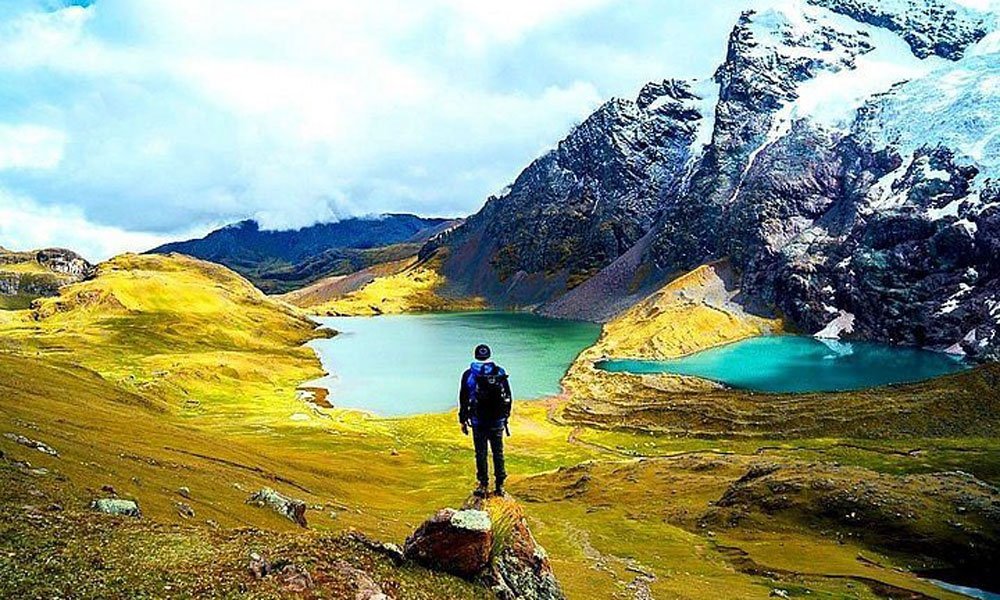
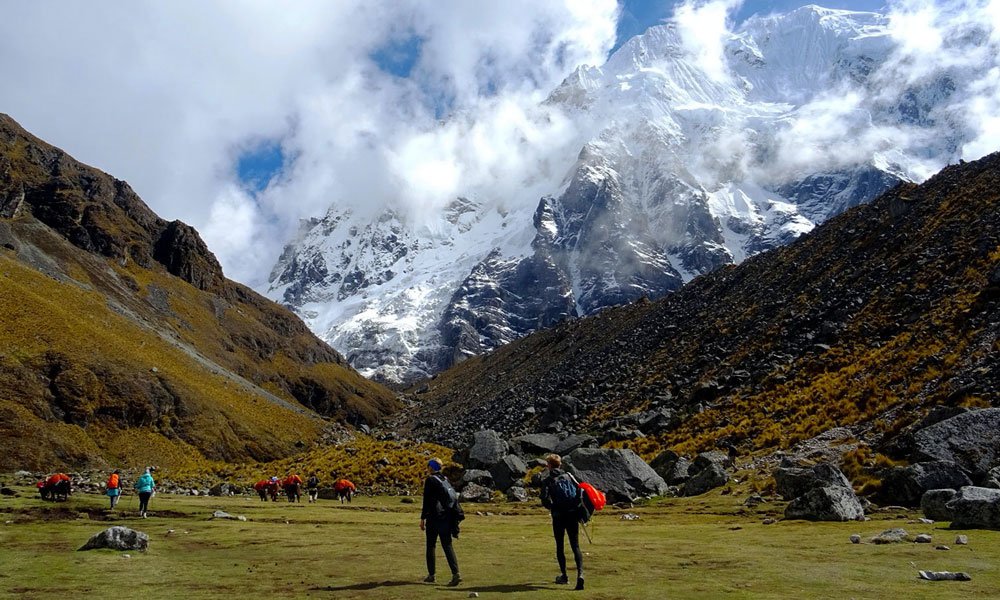
The Salkantay Trek is one of the most spectacular routes to Machu Picchu, famous for its Andean landscapes, impressive snow-capped peaks, and diverse ecosystems that range from high Andean zones to the cloud forest. Along the way, travelers can enjoy breathtaking views of the Salkantay snow-capped mountain, turquoise lagoons, and paths surrounded by almost untouched nature, making it a less crowded but equally impressive alternative to the Inca Trail.
However, it can also become an expensive experience if not properly planned, especially if unnecessary services are hired or bookings are made through intermediaries at high prices. Therefore, good prior organization, comparing options, and knowing some local tips can make a big difference in the total budget of the trip. In this complete guide, we explain how to save money on the Salkantay Trek without sacrificing safety, comfort, or quality in your experience, so you can fully enjoy this unforgettable adventure without overspending.
How much does the Salkantay Trek cost?
Before thinking about saving, it is essential to have a clear idea of how much the Salkantay Trek actually costs. Prices can vary considerably depending on the type of experience you choose, the season, and the level of comfort you seek.
In general, an organized tour usually costs between $250 and $600 USD. This price difference is due to factors such as the quality of the agency, the type of accommodation (basic camping or domes), and the inclusion of services such as horses, porters, tickets, or even the return train. Although it is the most expensive option, it is also the most comfortable, as practically everything is taken care of.
On the other hand, doing the trek on your own (DIY) can cost between $120 and $250 USD, making it the most economical alternative. However, this price may vary depending on how you organize your route, the equipment you already have, and how much you are willing to spend on accommodation and food along the way.
Additionally, there are a number of additional expenses that are often overlooked at first but can impact the final budget:
- Machu Picchu entrance ticket
- Extra food or snacks
- Transportation (to, from, or intermediate segments)
- Equipment rental or purchase
The big difference in price mainly depends on whether you decide to hire an agency or do the route independently. In general terms, you will pay more for comfort and less for autonomous adventure. Therefore, understanding these price ranges will allow you to make smarter decisions and adjust your trip according to your budget without surprises.
1. Choosing a Tour or Going Solo
One of the most important factors affecting the Salkantay Trek budget is the decision between hiring an organized tour or doing the route independently. This choice not only affects the total cost but also the type of experience you will have along the way, the level of physical effort, and the logistics you will need to handle.
Trek on your own (more economical option)
Doing the Salkantay Trek without an agency is the preferred alternative for travelers seeking to reduce costs and have a more independent experience. By eliminating intermediaries, you can adjust every aspect of the trip according to your budget and style.
Main benefits include:
- Greater control over how much to spend at each stage of the trek
- Freedom to adapt schedules, routes, and stops according to your pace
- Possibility to save a significant amount of money
However, this option also requires taking on certain responsibilities that not everyone is willing to handle:
- You need to organize routes, accommodations, and food in advance
- You must carry your own equipment or rent it
- Comfort level is lower compared to a tour
This type of trip is ideal if you already have trekking experience or enjoy adventure with a more autonomous approach.
Trek with an agency (more expensive but comfortable)
Hiring an agency transforms the experience into something much more practical and organized. It is an excellent option if you prefer to focus on enjoying the scenery without worrying about logistics.
These services generally include:
- Professional guide accompanying you throughout the route
- Prepared meals during the trek
- Support with carrying loads using animals or porters
- Basic equipment depending on the chosen package
Although the price is higher, many people consider it worth it for the peace of mind and time saved in planning.
Key tip: to get better rates, it is recommended to search for agencies directly in Cusco, compare several options, and avoid booking through intermediaries, as they usually increase the final cost without adding significant value.
2. Book in Cusco and avoid intermediaries
One of the most common mistakes when planning the Salkantay Trek is booking the tour from abroad, either through websites or international agencies. Although it may seem more convenient, in most cases this involves paying inflated prices due to commissions, advertising, and additional operational costs.
Booking directly in Cusco not only allows you to access better rates but also see exactly what you are hiring. Additionally, you will have the chance to speak face-to-face with agencies, resolve doubts on the spot, and evaluate the quality of service before making a decision.
To reduce costs effectively, consider the following:
- Purchase the tour once you are in the city, where many options are available
- Negotiate the price, as this is a common and accepted practice
- Compare at least three different agencies before deciding
Another important point is that many local agencies offer almost the same service but with notable price differences. Taking the time to inquire and compare can make a significant difference in your budget.
By applying this strategy, it is possible to save up to 30% or more compared to booking online. In addition to financial savings, you will also have a more transparent experience tailored to what you really need during the trek.
3. Travel in the low season
The time you decide to do the Salkantay Trek directly affects how much you will spend. During the high season, roughly from May to September, demand increases significantly, causing prices for tours, transportation, and accommodation to rise.
In contrast, opting for the low season — which runs from November to March — is a very effective strategy to reduce costs. Although it coincides with the rainy season, it also offers interesting opportunities for those seeking a more economical and peaceful experience.
Main benefits of traveling during these months include:
- More affordable rates for agencies and related services
- Fewer tourists on the route, allowing a more relaxed experience
- Greater availability of spaces, without the need for early reservations
Weather can be a factor to consider:
- Higher probability of rain, especially in certain sections of the route
However, this can be easily managed with proper preparation, carrying waterproof clothing and appropriate equipment. If occasional rain doesn’t bother you, traveling in the low season can be one of the best decisions to save without losing the essence of this incredible adventure.
4. Rent equipment instead of buying
If you don’t have all the necessary equipment for the Salkantay Trek, one of the smartest decisions is to opt for rental instead of buying new items. Many travelers make the mistake of investing large amounts in gear they will probably use only once, unnecessarily increasing the total cost of the trip.
In Cusco, you will find multiple specialized stores offering well-maintained equipment designed specifically for this type of route. This allows you to access what you need without compromising your budget or functionality.
Recommended items to rent include:
- Trekking poles, ideal for reducing impact on knees
- Sleeping bags suitable for low temperatures
- Thermal or waterproof jackets
- Backpacks of different sizes depending on trek duration
Economically, the savings can be significant:
- You can reduce costs by up to 70% compared to buying everything new
Additionally, renting gives you the flexibility to travel lighter and avoid luggage complications, especially if you are coming from another country.
5. Bring your own snacks and food
Although many Salkantay Trek tours include meals, there are always extra expenses along the route, especially when you need additional energy between meals or decide to buy something in tourist areas where prices tend to be higher.
Bringing your own snacks is a simple but very effective strategy to keep your budget under control. Besides saving money, it also allows you to choose foods that you really like and that suit your energy needs during trekking.
To optimize this aspect, follow these key recommendations:
- Buy provisions at local markets, where prices are much more affordable
- Bring light and nutritious foods that don’t take up much space
- Prioritize products that provide quick and sustained energy
Practical options include:
- Nuts like walnuts or almonds
- Energy bars that are easy to carry
- Chocolate or sweet snacks to regain energy on tough hikes
An important point is to avoid buying in highly touristic areas along the route:
- Prices are usually inflated due to remote locations
Planning this small detail can generate consistent savings throughout the trek while also improving your physical performance by always having something on hand. It’s a simple decision that adds up significantly to the final budget.
6. Share expenses with other travelers
One of the most practical ways to reduce costs on the Salkantay Trek is to share expenses with other travelers. You don’t need to travel with friends from the start, as in Cusco it is very common to meet people with similar plans, making it easy to organize into groups and split several costs.
Traveling with others not only helps save money but also makes the experience more dynamic and safe, especially on long routes where logistics can be more complex if you go alone.
Expenses you can share include:
- Transportation to the starting point or back
- Guide services if hiring one independently
- Accommodation at intermediate stops
- Rental of certain equipment
Additionally, forming a small group can give you more negotiating power with agencies or local providers, resulting in more convenient prices.
Practical recommendation:
- You can join traveler groups in Cusco or look for people on social media planning the same route
This approach not only optimizes your budget but also enriches the experience by sharing the journey with other adventurers.
7. Negotiate absolutely everything
In Peru, negotiation is part of the local culture and can be a powerful tool to reduce expenses during your Salkantay Trek. Many prices are not fixed, and providers often expect some negotiation, especially if you pay in cash or book on-site.
Learning to negotiate effectively allows you to obtain significant discounts, improve the services included, and at the same time interact respectfully and amicably with locals.
Areas where negotiation can generate savings include:
- Tours and packages: many agencies adjust rates if you book in person or in a group
- Transportation: from taxis to buses to starting or return points
- Equipment rental: local stores often offer discounts for multiple-day or multiple-item rentals
Tips for effective negotiation:
- Always be respectful but firm when requesting a discount
- Ask if there are promotions for cash payments
- Evaluate the real value of the service and compare with other options before closing
Applying this strategy allows you to reduce the total trek cost without compromising quality or safety, while also giving you the chance to practice a traditional aspect of Peruvian culture that many travelers overlook.
8. Avoid unnecessary extras
During the Salkantay Trek, many tours offer additional services that can significantly increase the cost of the experience. While some of these extras may seem attractive, most are not essential to fully enjoy the trek and can inflate your budget without adding real value to the adventure.
Examples include:
- Personal horses: useful if you cannot walk long distances, but not essential for most travelers
- Hot showers: comfortable, but the cold and nature of the trek often make them unnecessary
- WiFi or connectivity along the route: the main experience is disconnecting and enjoying the scenery, not relying on the Internet
To optimize expenses, it is important to analyze what is really necessary:
- Assess your level of comfort and physical needs
- Prioritize services that directly impact your safety or health
- Avoid paying for luxuries that do not contribute to the trekking experience
This approach not only reduces costs but also helps you focus on the most important things: nature, landscapes, and the adventure itself. Learning to differentiate between essential and optional is key to enjoying the trek economically and consciously.
9. Choose basic accommodation
The type of accommodation you choose during the Salkantay Trek can significantly influence your budget. Although some options offer more comfort, they are often not strictly necessary to enjoy the trek and can increase total expenses without proportionate value.
Along the route, you will find several lodging alternatives to suit different levels of comfort and cost:
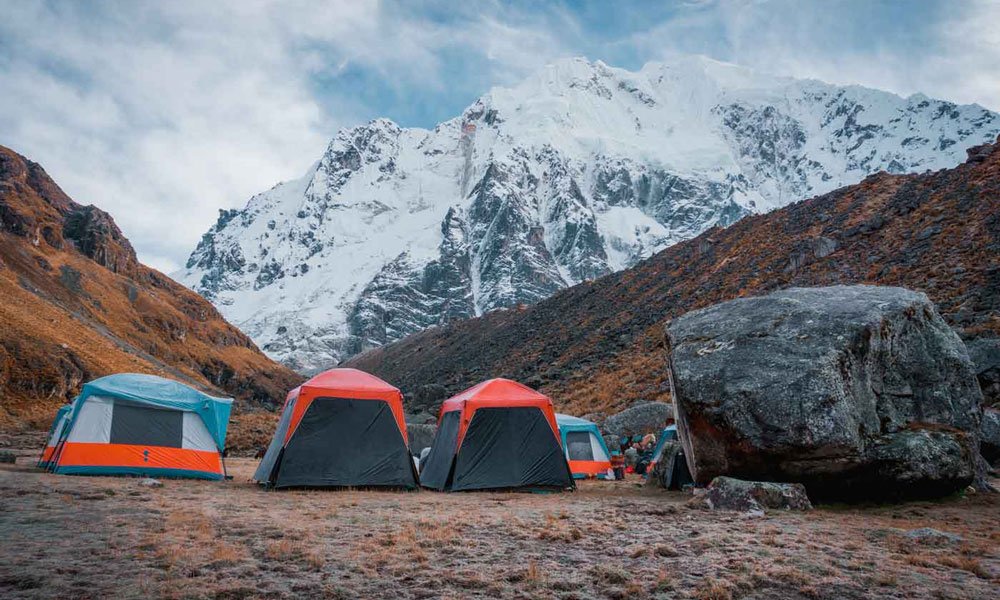
- Campsites: the most economical and popular option among independent adventurers; allows sleeping close to nature and minimizing expenses
- Basic hostels: offer beds and minimal services, ideal if you want a little more comfort without paying too much
- Luxury domes or lodges: more expensive, with better facilities, but not essential for those seeking savings
Choosing basic accommodation has several advantages:
- Allows investing more in activities or meals during the trek
- Facilitates connecting with other travelers in more social, communal settings
- Does not significantly affect the trekking experience, as most of the route is enjoyed outdoors
In summary, opting for campsites or simple hostels is a smart strategy for those who want to live the adventure authentically, comfortably in the essentials, and without overspending.
10. Buy the Machu Picchu ticket on your own
One of the most effective ways to save money at the end of the Salkantay Trek is to manage the Machu Picchu entrance ticket independently. Many agencies include the ticket in their packages, and although it is convenient, they usually inflate the price significantly, representing an unnecessary extra expense for travelers looking to optimize their budget.
Purchasing the ticket on your own gives you control over the cost, schedule, and type of visit you want to have. It also allows you to tailor the experience to your preferences without relying on pre-set packages.
Recommendations for doing this efficiently:
- Buy directly from the official Machu Picchu website to avoid overpricing and intermediaries
- Choose less busy times, such as early morning or late afternoon, which sometimes offer greater availability and tranquility
- Avoid combined packages that include services you don’t need, such as premium transportation or additional guides
This strategy not only reduces the cost of the ticket but also allows you to plan your visit with more freedom, ensuring you make the most of the experience without overspending. Buying on your own lets you focus on enjoying the place at your own pace with the peace of mind of having optimized your budget.
11. Economical return transportation
At the end of the Salkantay Trek, one of the most important expenses is transportation back to Cusco. Many travelers opt for the train from Aguas Calientes, which is convenient and fast but also significantly more expensive, especially if purchased last minute or during high season.
If your goal is to save, there are more economical alternatives combining land transport and walking, offering a more authentic and budget-friendly experience. Smart planning can reduce your expenses by up to 60% without greatly affecting comfort.
Available options include:
- Direct train to Cusco: convenient but costly, especially in tourist or premium classes
- Bus + walk: the most popular economical route consists of traveling from Aguas Calientes to the Hydroelectric Plant and then walking or taking local transport to Cusco
Tips for choosing the economical option:
- Depart early to take advantage of daylight and walk safely
- Bring water, snacks, and comfortable clothing for the walk
- Coordinate local transport at the Hydroelectric Plant to save time and effort
This strategy not only helps reduce costs but also allows you to experience a segment closer to nature and observe landscapes the train does not show. With planning and preparation, an economical return can be safe, efficient, and memorable.
12. Advance planning
One of the most important keys to saving money on the Salkantay Trek is planning in advance. Leaving everything to the last minute not only increases costs but also can limit your options for accommodation, transport, and tours, especially during high season.
Taking the time to organize your trip allows you to optimize resources, identify the best offers, and reduce unforeseen expenses that may arise. In addition, good planning provides peace of mind and greater control over each stage of the trek.
Key benefits of advance planning include:
- Comparing prices between agencies, transportation, accommodation, and tickets to select the most economical option
- Avoiding impulsive purchases, which often occur when everything is decided at the last moment and can significantly increase costs
- Securing better deals, whether on lodging, equipment rental, or combined packages, taking advantage of early booking discounts
Additionally, planning in advance allows you to adjust the itinerary according to your preferences, seasons, and weather conditions, avoiding unnecessary expenses and ensuring that every dollar spent translates into a rewarding experience. Proper prior organization is, without a doubt, the most effective strategy to enjoy the Salkantay Trek economically and safely.
Saving money on the Salkantay Trek is entirely possible if you make smart decisions and carefully organize your trip. The key is to plan ahead, compare options, and avoid unnecessary expenses that can inflate your budget. Whether you choose to do the trek independently, controlling every detail and saving on services, or opt for an agency tour, applying these tips will allow you to maximize your investment. With proper planning, you can enjoy the route, landscapes, and arrival at Machu Picchu without spending more than necessary.