


Total budget for the Salkantay Trek including entrance to Machu Picchu
Planning the budget for the Salkantay Trek is not just about adding up numbers, but about anticipating every step of the experience, from the moment you leave Cusco until you arrive at the majestic citadel of Machu Picchu. Every expense has a purpose: to ensure safety, comfort, proper nutrition, reliable transportation, and access to the most breathtaking landscapes and the living history of the Andes. Having a clear budget allows you to fully enjoy the trek without surprises and stay focused on the experience.
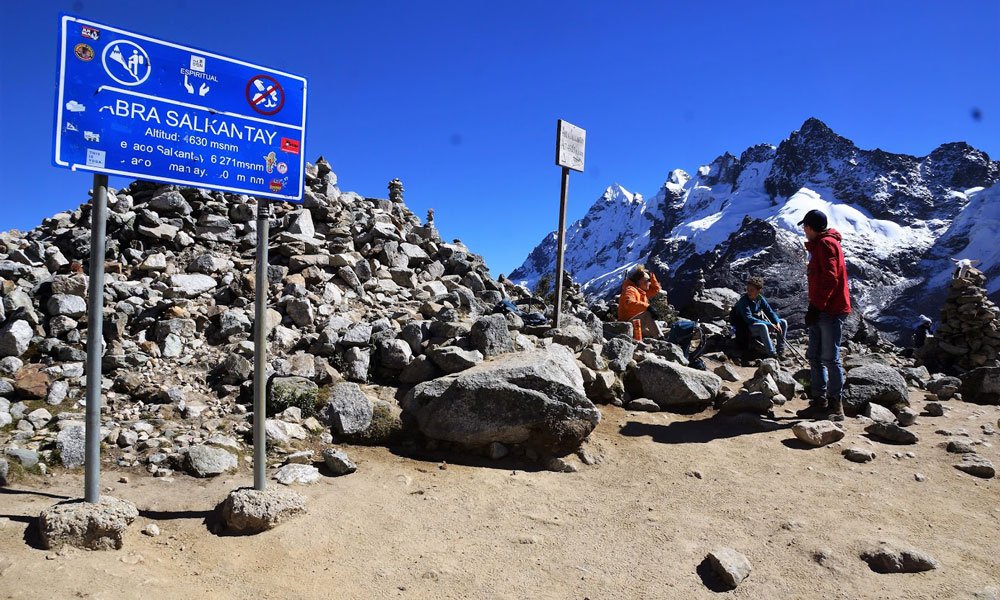
Transportation from Cusco to the Start of the Trek
The transfer from Cusco to the starting point of the Salkantay Trek is much more than a simple journey: it is the prelude to the adventure, the first contact with the altitude, mountain landscapes, and Andean culture. The budget here depends on the type of transportation you choose.
Public Transportation
This option is the most economical and authentic, ideal for backpackers and independent travelers who want to optimize their budget without losing the essence of the adventure. Leaving Cusco by shared taxi or minivan to Mollepata costs between 25 and 35 soles per person. Vehicles generally depart very early in the morning, allowing you to make the most of the day and begin the trek calmly.
Although the price is low, the value of the experience is enormous. During the 2 to 3-hour journey, the landscape gradually changes: first passing through urban areas and wide valleys, then winding roads and steep slopes revealing pre-Inca agricultural terraces still in use. Along the way, you can see small Andean villages where life maintains traditional rhythms, rural markets with fresh products such as native potatoes of multiple colors, quinoa, seasonal fruits, and handmade woven crafts.
This route is not just transportation, but a cultural and geographical introduction to the trekking environment. Additionally, the gradual ascent helps with altitude acclimatization, reducing the risk of discomfort during the first days of hiking.
From Mollepata, it is necessary to arrange local transportation to Challacancha or Soraypampa, the usual starting point of the Salkantay Trek. The cost per full vehicle ranges between 70 and 120 soles, but by sharing it with other travelers, the individual expense decreases considerably.
This second stretch is more rustic: the road is dirt and stone, dusty during the dry season or muddy during the rains. As you advance, the surroundings become more imposing and remote, surrounded by mountains, crystal-clear rivers, and vast open landscapes. It is at this point that you begin to feel the natural isolation that characterizes the route toward the majestic Nevado Salkantay.
Organized Tour
Hiring an organized tour completely simplifies the logistics and allows you to focus solely on enjoying the experience. For between 50 and 80 USD per person (transport only, depending on the agency and season), the package includes hotel pickup in Cusco and transfer by minivan or tourist bus to the trek’s starting point.
In many cases, there is a stop in Mollepata for breakfast or to purchase last-minute supplies. This pause also allows you to stretch your legs and gradually adapt to the rural environment before continuing to the starting area.
One of the great advantages of the tour is the cultural component. During the journey, guides explain the Andean worldview, the history of local communities, and the spiritual importance of Nevado Salkantay, considered an “Apu” or sacred mountain. In this way, the transfer becomes more than just a road trip; it turns into an interpretive experience that enriches the meaning of the trek.
Additionally, choosing this option avoids transportation negotiations, improvised arrangements, and possible delays, providing peace of mind and better organization within the total Salkantay Trek budget, including the entrance to Machu Picchu.
Entrance to Machu Picchu
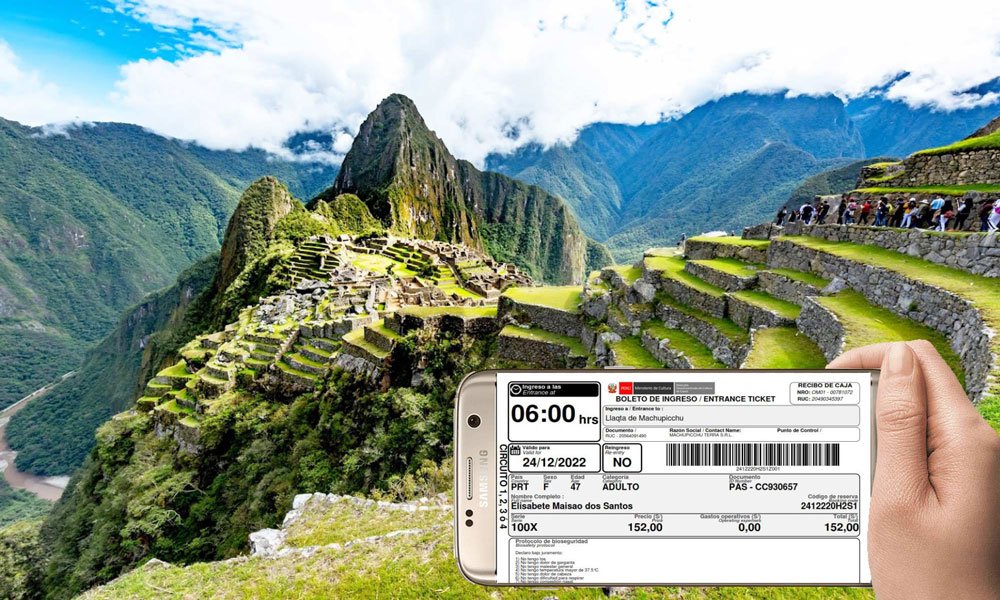
Entry to Machu Picchu is a mandatory expense within the total Salkantay Trek budget and one of the most anticipated moments of the entire experience. The price varies depending on the type of ticket and the experience you wish to have within the historic sanctuary.
General Entrance (Classic Circuit)
Priced at approximately 45 USD for foreign visitors, this ticket grants access to the main sectors of Machu Picchu. Visitors can walk through ceremonial temples, agricultural terraces, sacred plazas, and carefully engineered stone structures while enjoying the iconic panoramic viewpoints of the citadel. As the most popular choice, it provides a well-rounded introduction to the architectural brilliance and historical significance of the Inca sanctuary.
Entrance with Huayna Picchu
With an estimated cost of 60 USD, this option adds entry to Huayna Picchu, the steep peak that rises behind the citadel in its most famous images. The ascent is physically demanding, featuring narrow paths and sharp inclines, yet the reward is extraordinary: sweeping views over the ancient city and the dramatic valley carved by the Urubamba River. Due to strict daily limits on visitor numbers, permits often sell out weeks — sometimes months — in advance during peak season, making early reservation highly recommended.
Entrance with Machu Picchu Mountain
Also around 60 USD. This alternative offers a longer and more physically demanding hike, but it is less crowded than Huayna Picchu. From the summit, you get wide and elevated views of the archaeological complex, the surrounding peaks, and the deep Andean valley. It is ideal for those seeking a quieter and more contemplative experience.
In addition to the entrance ticket, hiring a specialized guide is highly recommended. For an additional cost of between 30 and 50 USD (group or private service), the guide provides historical, cultural, and spiritual context about the Inca worldview, the function of the temples, hydraulic engineering systems, and the social organization of the empire. This transforms the visit into a rich interpretive experience, far deeper than a simple tourist walk.
It is important to consider that access to Machu Picchu is through the town of Aguas Calientes, and that the bus ride up to the sanctuary entrance has an additional cost (approximately 12 USD per trip). This detail must also be included in the total Salkantay Trek budget.
Trekking Cost and Included Services
The trek is the heart of the adventure, and the budget should reflect all the necessary services to ensure the experience is safe, comfortable, and enriching.
Professional guides: Their presence not only guarantees safety but transforms the hike into an educational experience. Guides explain the flora, fauna, and local culture, help maintain a steady pace, and provide assistance in case of altitude sickness or fatigue. Packages with a professional guide are usually included in the range of 400 to 600 USD per person, depending on duration and additional services.
Camping accommodation: Sleeping properly is essential. Campsites offer sturdy tents, sleeping pads, sleeping bags, and organized spaces to rest after a demanding day of hiking. Comfort and safety at night allow you to recover energy for the following days’ ascents.
Meals during the trek: A balanced diet maintains energy and endurance. Packages usually include breakfast, lunch, dinner, and energy snacks. Eating well during the trek is not a luxury but a necessity: keeping the body nourished helps prevent fatigue, altitude-related dizziness, and lack of concentration, especially on challenging sections such as the Salkantay Pass.
Support horses or porters: Some packages include luggage transport by horses or porters, reducing the physical load and allowing travelers to fully enjoy the surroundings. This optional service has an additional cost if hired outside the package, generally between 15 and 25 USD per day.
Premium packages offer additional services, gourmet meals, more comfortable tents, and highly experienced guides. These packages can exceed 850 USD per person, and their value lies in the peace of mind, safety, and full enjoyment of the experience.
Meals During the Trek and in Aguas Calientes
If you choose to complete the trek independently, travelers must consider additional food expenses. Each meal can cost between 10 and 15 USD, while energy snacks and drinks add between 5 and 10 USD daily. For a 4 to 5-day trek, this can represent between 50 and 80 USD.
In Aguas Calientes, after the hike, food prices are usually slightly higher due to its status as a tourist destination: lunch can cost between 12 and 20 USD, and dinner between 15 and 25 USD per person. Eating well after several days of trekking is key to regaining strength and fully enjoying Machu Picchu the next day.
Optional Expenses for Greater Safety and Comfort
Although not mandatory, these additional expenses can make a significant difference in comfort, physical performance, and peace of mind during the Salkantay Trek.
Additional horse for personal luggage:
If you decide not to carry all your weight during the most demanding days — especially during the ascent toward the pass of the imposing Nevado Salkantay — you can rent a horse to transport your backpack or photography equipment.
The average cost is 80 to 120 USD for the entire trek (4 or 5 days), depending on the agency or if hired directly in local communities.
This option is especially recommended if you carry heavy equipment, suffer from physical discomfort, or simply want to conserve energy to better enjoy the scenery.
Trekking insurance and medical assistance:
Having insurance that covers adventure sports and evacuation in mountain areas is a smart investment. The price usually ranges between 20 and 50 USD, depending on coverage, duration, and insurance provider.
Since the trek reaches altitudes above 4,600 meters above sea level, having coverage for possible medical emergencies provides greater peace of mind.
Souvenirs and local handicrafts:
During the trek and especially at the end around Machu Picchu, you will find Andean textiles, alpaca ponchos, handmade woven bracelets, ceramics, and products made by local communities.
A budget of 20 to 50 USD is reasonable if you wish to take authentic souvenirs home while supporting the local economy.
Estimated Total Budget
Adding transportation, trekking with accommodation and meals, entrance to Machu Picchu, guide service, and optional expenses, the estimated budget for completing the 4 to 5-day Salkantay Trek usually ranges between 700 and 1,000 USD per person in a well-organized standard service.
This range normally includes:
Transportation to and from Cusco
Equipped campsites or basic lodging
Full meals during the trek
Entrance to Machu Picchu
Professional guide
Part of the logistical equipment (mules, cook, tents)
In the case of premium packages, which offer more comfortable camps (panoramic domes or mountain lodges), higher-category train transportation, smaller groups, and more personalized services, the cost can rise to 1,200 USD or more per person.
Investing in this budget allows travelers to focus on what truly matters: walking through high-altitude Andean landscapes, crossing crystal-clear rivers, contemplating the grandeur of Nevado Salkantay, and culminating the adventure at the majestic Inca citadel of Machu Picchu.
Having a clear and realistic budget is key to enjoying the Salkantay Trek with peace of mind. Every expense, from transportation to the entrance to Machu Picchu, ensures safety, comfort, and a complete experience. By properly organizing resources, travelers can focus on what is essential: the majesty of the Andes, connection with local culture, the thrill of the hike, and the satisfaction of reaching Machu Picchu after completing one of the most impressive treks in South America.