


Transportation and logistics from Cusco airport to the trekking
Traveling to Cusco is the beginning of an unforgettable adventure, especially if your goal is to go trekking through the majestic Andes or visit the enigmatic citadel of Machu Picchu. From the moment you land at Alejandro Velasco Astete International Airport, the experience begins: the fresh mountain air, the views of the hills surrounding the city, and the blend of tradition and modernity envelop you.
The logistics of getting from the airport to the starting points of the hikes are key to making your trip comfortable, safe, and full of memorable moments. Each stretch traveled is not just a necessary step, but also an opportunity to discover landscapes, flavors, and cultures that enrich your adventure from the very first moment.
Transport options from Cusco airport
Arriving at Alejandro Velasco Astete International Airport is the first step of your adventure in the Andes. From there, the transportation alternatives are varied and each adapts to different traveler profiles.
Official taxi
Official taxis in Cusco are the most direct and practical alternative for those who want to quickly reach the historic center or their hotel. Being regulated, they offer confidence and avoid complications when negotiating fares. The ride also provides a first impression of the city with its colonial streets and mountains surrounding the valley.
- Immediate availability: they are located right outside the airport.
- Approximate fare: S/ 20 to the historic center.
- Main advantage: direct transfer without transfers.
- Tourist tip: book with your hotel or agency for greater security.
- Visual experience: colonial views and Andean landscapes along the way.
Private transfer services
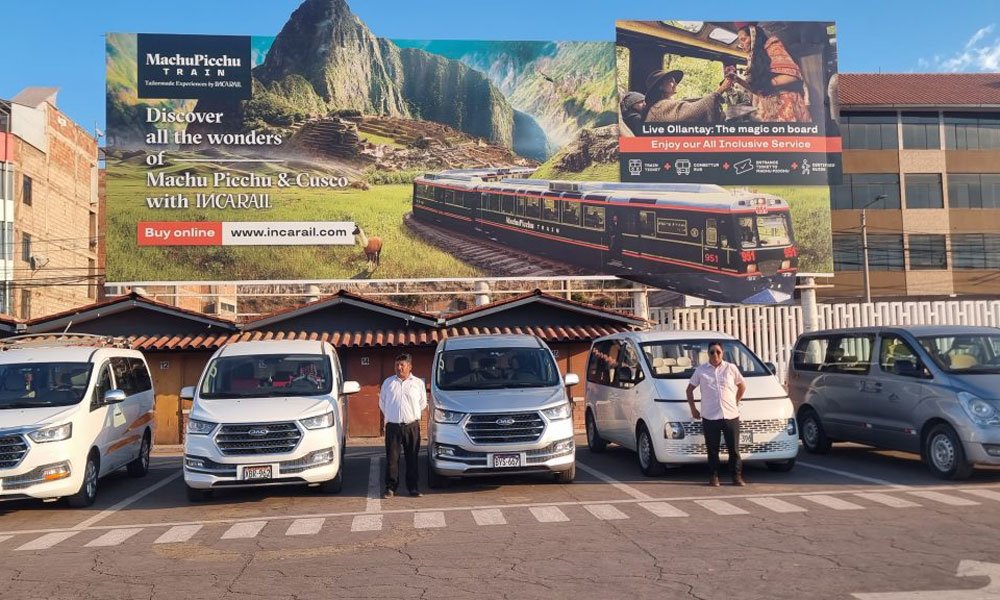
Tourism companies offer vans or cars with specialized drivers, designed for travelers seeking comfort and personalized attention. These services often include additional details that turn the transfer into part of the tourist experience.
- What they offer: private vehicles with luggage assistance and coordination with guides.
- Advantages: ideal for families, groups, or those who want to travel without worries.
- Extras: water, snacks, and cultural explanations during the ride.
- Added tourism: possibility of stopping at viewpoints to appreciate the landscape.
Public transport
Public transport is the cheapest option, although it requires experience and patience. Local buses run near the airport, but do not enter directly into the terminal, which can complicate the transfer for those carrying large luggage.
- Availability: local buses on streets near the airport.
- Price: around S/ 1 per trip.
- Advantages: economical option for experienced backpackers.
- Disadvantages: confusing for those unfamiliar with the city and impractical with large backpacks.
- Cultural note: connects with the daily life of Cusco residents.
General tips for choosing transport
The choice of transport depends on factors such as time, comfort, and budget. Considering these aspects will help you make the best decision for your trip in Cusco.
- Evaluate your time: taxis or private services if your trek starts early.
- Think about your luggage: private vans are more comfortable for large backpacks.
- Safety first: avoid informal taxis and opt for official services.
- Budget: cheap can be costly if you lose time or comfort.
Route connection to trekking points
Once settled in Cusco, the next step is to travel to the towns and places where the main treks begin. Logistics vary depending on the chosen route, but each journey is an opportunity to discover Andean landscapes and learn more about local culture.
Classic Inca Trail
The start of this emblematic hike is at kilometer 82 in Piscacucho, on the banks of the Urubamba River. The transfer from Cusco is usually done by tourist bus or private transport, with an approximate duration of two and a half hours. During the journey, travelers pass through fertile valleys and traditional towns, while guides take the opportunity to explain the relevance of the Inca Trail within the road network of the Tahuantinsuyo.
- Starting point: kilometer 82 in Piscacucho.
- Transfer: tourist bus or private transport.
- Duration: 2 and a half hours.
- Experience on the way: fertile valleys and towns like Ollantaytambo.
- Tip: bring snacks and water for the start of the trek.
Salkantay Trek
The route begins in Mollepata, a town surrounded by mountains and farmland. From Cusco, the transfer is usually done by bus or private van, taking about three hours. Along the way, travelers enjoy transitional landscapes between the valley and the snow-capped mountains, together with farming communities that reflect rural Cusco life.
- Starting point: Mollepata.
- Transfer: bus or private van.
- Duration: 3 hours.
- What you’ll see: valley and mountain landscapes, rural communities.
- Tourist tip: have breakfast in Mollepata with serrano bread and Andean coffee.
Lares Trek
This trek begins in the Lares Valley, known for its hot springs and Quechua communities. The transfer is usually done by private transport, as the route is longer and less traveled, with a duration of about four hours from Cusco. The journey stands out for its high mountain landscapes and the opportunity to meet communities that keep ancestral traditions alive.
- Starting point: Lares Valley.
- Transfer: private transport.
- Duration: 4 hours.
- What makes the journey unique: lagoons, deep valleys, and Quechua communities.
- Recommendation: visit the hot springs before starting the trek.
Logistical tips for the connection
Preparing the transfer is key to fully enjoying the experience. Planning with the agency, considering acclimatization, and taking advantage of each journey as part of the cultural trip are essential aspects.
- Plan with your agency: confirm schedules and meeting points.
- Acclimatization: spend at least one night in Cusco before starting.
- Comfort during the trip: light clothing and jacket at hand for weather changes.
- Living culture: observe local life and talk with guides about Andean traditions.
Practical tips for logistics
Preparation is as important as the trek itself. Good organization ensures you enjoy the experience without setbacks and with the peace of mind of being ready for the challenges of the mountain.
Book in advance
Trekking circuits in Cusco, such as the Inca Trail, have limited spots that often sell out months in advance. Booking early not only guarantees your participation, but also allows you to access better schedules, quality services, and experienced guides. In addition, coordinating accommodation in Cusco is key, as the city receives a large number of tourists throughout the year.
- Trekking and transport: limited spots requiring advance booking.
- Tourist benefit: access to better schedules and specialized guides.
- Traveler tip: also coordinate your lodging in Cusco.
Luggage
The key to enjoying trekking is to carry only the essentials. Light clothing, waterproof gear, proper footwear, and basic hygiene items are enough for the journey. Heavy objects and unnecessary documents should stay at the hotel, as most offer free luggage storage service.
- What to bring: light clothing, waterproof gear, trekking shoes, flashlight, and basic items.
- What to leave: heavy objects and unnecessary documents.
- Practical logistics: hotels store luggage free of charge.
- Cultural tip: small backpack for daily belongings and space for crafts.
Altitude
Cusco is located at 3,400 m.a.s.l., so the body needs time to adapt. It is advisable to spend at least one day in the city before starting any trek. During that time, you can do light activities and enjoy local culture while your body adjusts to the altitude.
- Recommendation: stay one day in Cusco before hiking.
- Suggested activities: stroll around Plaza de Armas and San Blas.
- Useful infusions: coca or muña to relieve altitude effects.
- Health tip: avoid heavy meals and alcohol on the first day.
Complete tourist experience
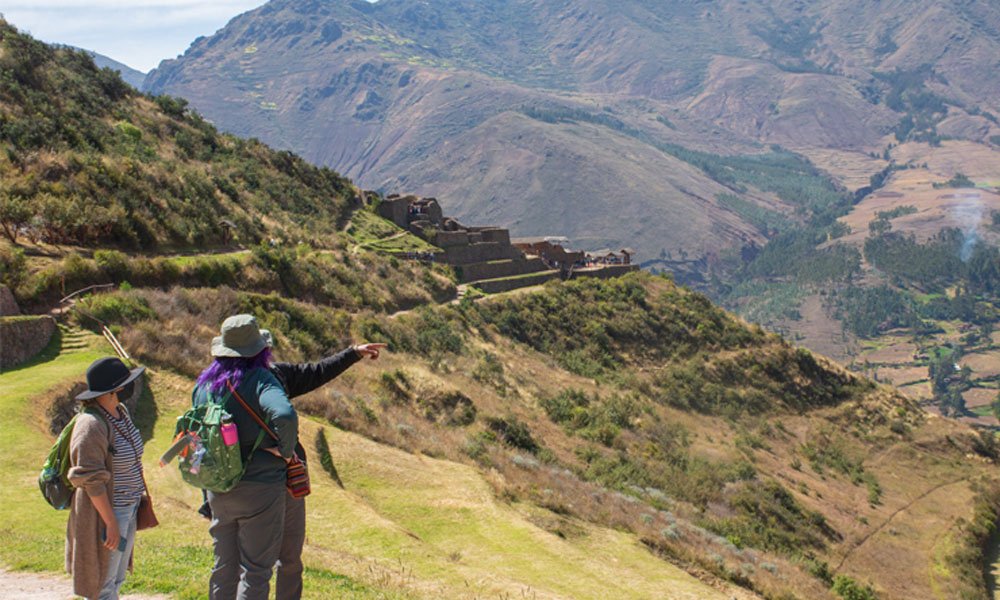
The transfer from Cusco airport is not only a practical movement, it also becomes a first cultural immersion. As soon as you leave the terminal, the city begins to show its character with urban landscapes that combine colonial architecture and mountains surrounding the valley. Many travelers take advantage of this moment to taste local gastronomy, whether with a typical dish or an Andean coffee before continuing their route. In addition, guides often enrich the experience by sharing stories and legends that connect visitors with the living tradition of the region.
- Urban landscapes: colonial streets and mountains framing the city.
- Local gastronomy: opportunity to try typical dishes before departing.
- Cultural interaction: stories and legends shared by guides.
In summary, transportation from Cusco airport to your trek is an essential part of the adventure. With good planning, each stretch of the journey becomes an opportunity to discover the cultural and natural richness of Peru. It is not just about reaching the starting point, but about enjoying the road: the landscapes that open before your eyes, the stories shared by the guides, and the warmth of the local communities.
Thus, from the very first kilometer traveled, your trip transforms into a comprehensive experience, where logistics and tourism intertwine to offer unforgettable memories in the heart of the Andes.