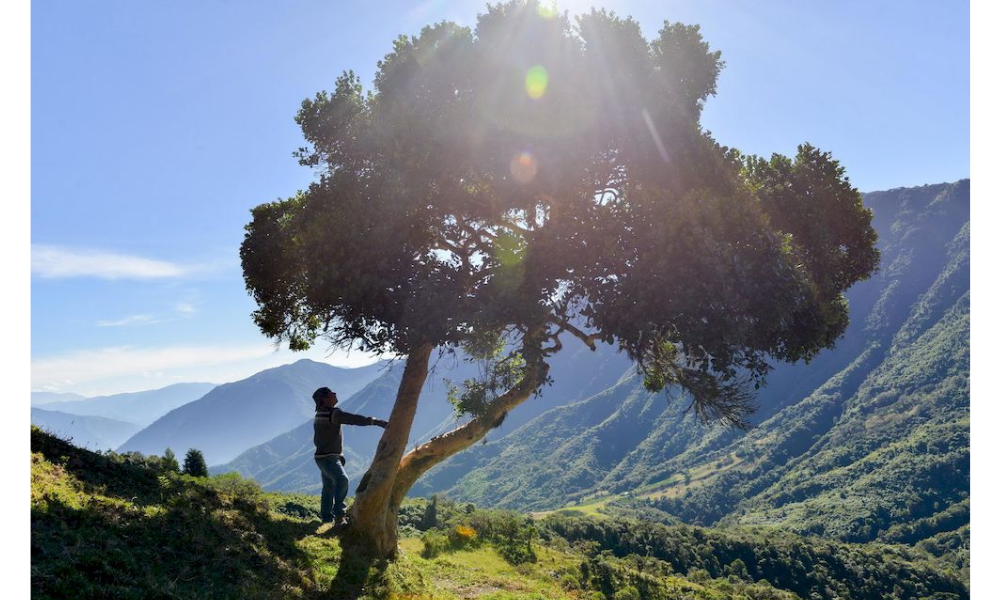
Queñuales Forest (Socabaya)
Queñuales Forest (Socabaya)
The Queñua Forest of Socabaya is one of the few remaining patches of native vegetation near the city of Arequipa. Amidst a dry, agricultural, and urban environment, this small forest of queñua trees (Polylepis) stands out as a natural space that preserves some of the area’s original vegetation, predating urban and agricultural expansion. Its presence makes it an ecological and scenic oasis within the district of Socabaya.
Beyond its beauty, this forest has significant ecological and educational value. The queñua trees help conserve soil, retain moisture, and create microclimates that benefit other species of flora and fauna, acting as a biodiversity refuge. For this reason, the Queñua Forest of Socabaya is visited by students, researchers, and nature lovers, and represents an opportunity to promote environmental conservation and keep the region’s natural heritage alive.
 What is a queñual? (Simple explanation)
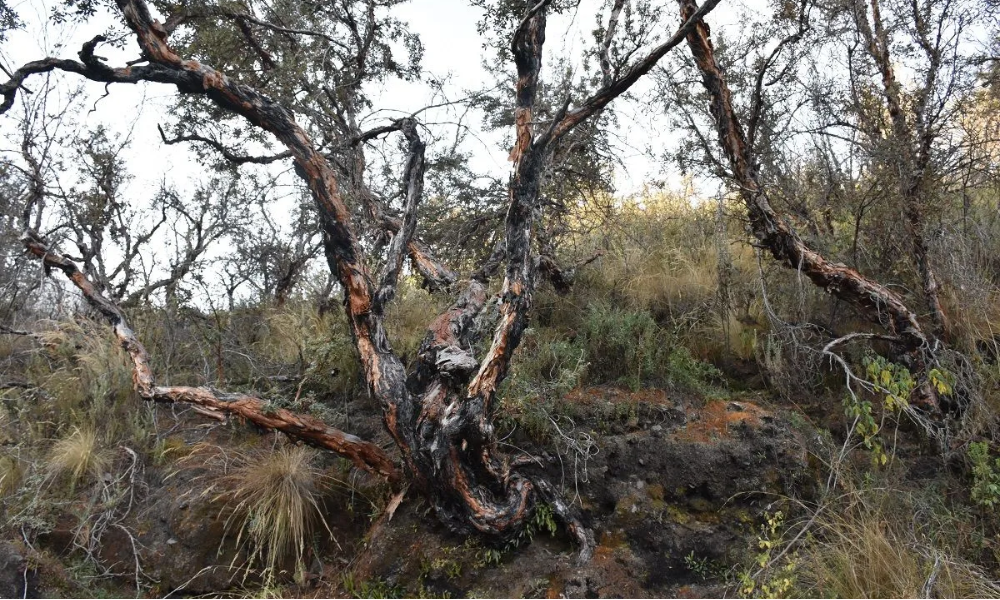
The queñual is an Andean tree typical of cold, high-altitude areas. Some characteristics:
- Its scientific name is Polylepis.
- It has layered bark, like paper, which protects it from the cold.
- It can live at over 4,000 meters above sea level, making it one of the tallest trees in the world.
- It is key to the ecosystem because it retains water, prevents erosion,
- and serves as a refuge for high Andean birds.
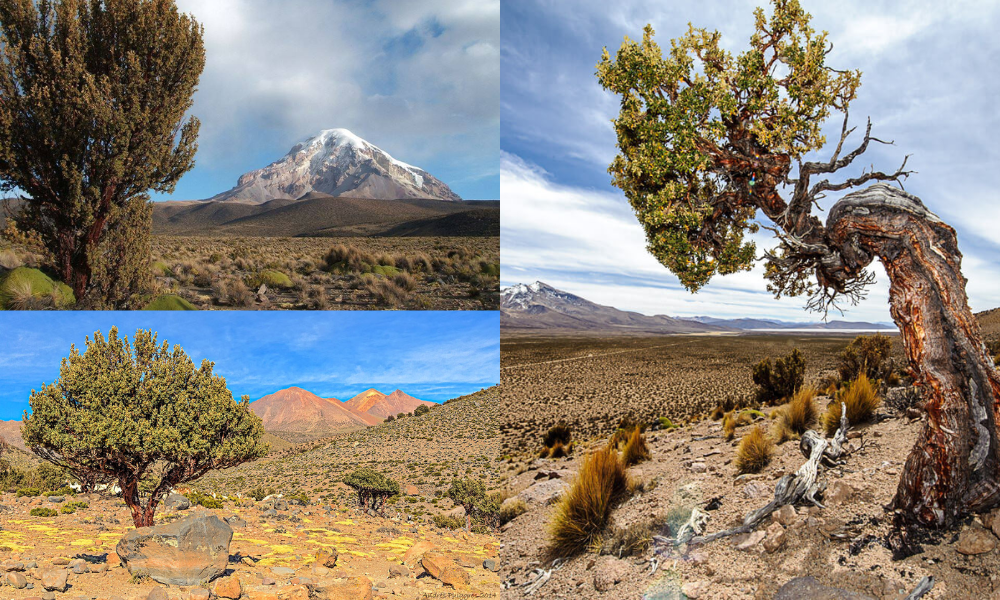
Although it normally grows in the high mountains, there are relict patches in Socabaya, that is, remnants of what was once a larger forest in the past.
 Location
It is located in the area known as Queñuales de Socabaya, part of the ravines and hillsides that connect to the Arequipa countryside.
- District: Socabaya
- Approximate altitude: 2,300 – 2,500 meters above sea level
- Access: trails and roads from rural areas of Socabaya
It is not a formally established tourist area, but it is visited by researchers, local hikers, and environmental groups.
 Ecological Importance
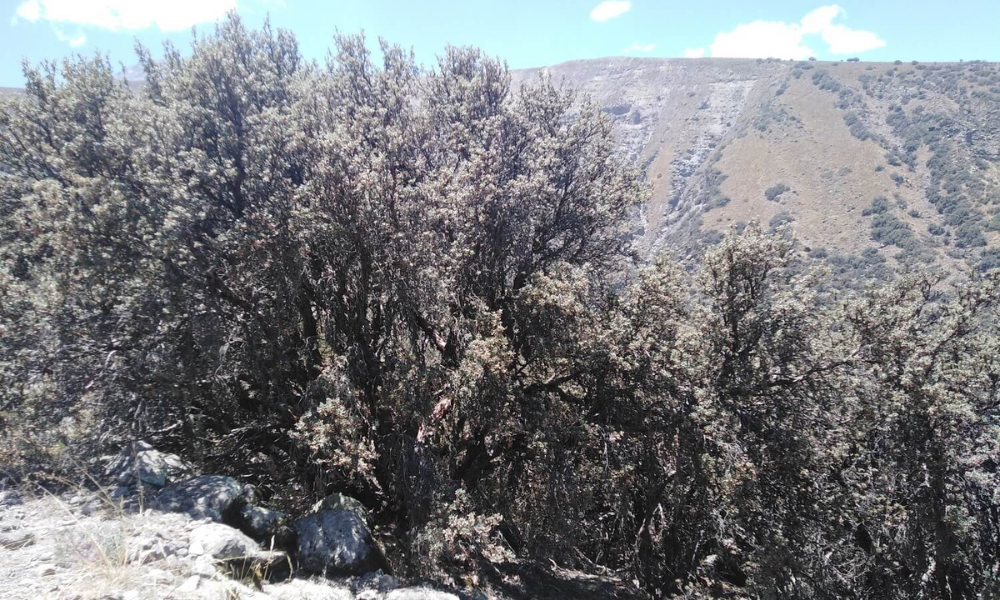
Although the remnant is small, its value is great:
✔ Water Conservation
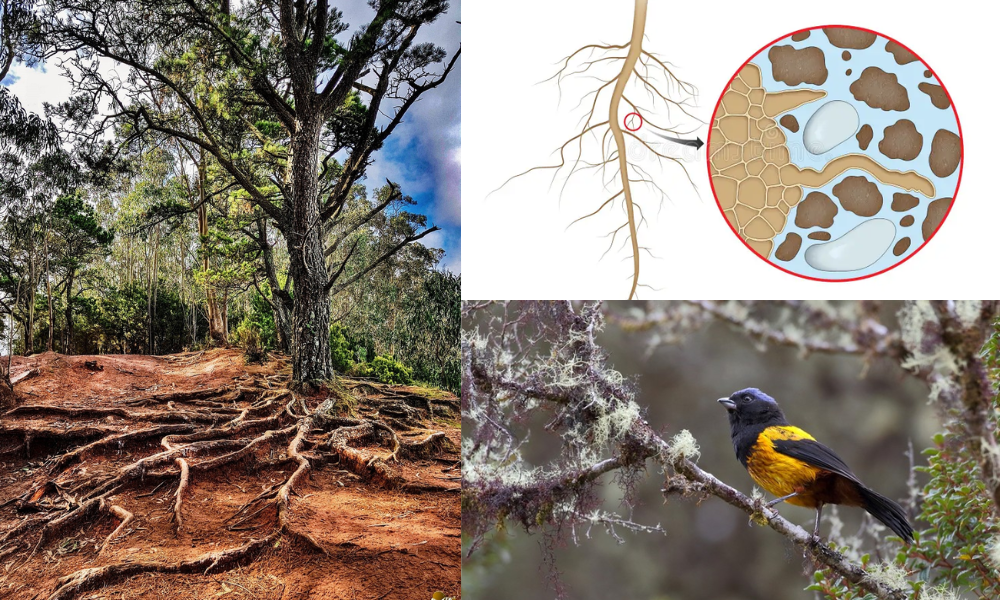
The queñua trees act as “natural sponges.” Their root and leaf systems slow evaporation and allow them to maintain micro-reservoirs of moisture.
✔ Protection Against Erosion
The Socabaya area has dry slopes with soil loss. The queñua trees help to keep the soil stable.
✔ Refuge for Wildlife
Some species that can be found or observed nearby include:
- Giant Hummingbird (Patagona gigas)
- Canasteros and Tijerales (Andean birds)
- Small native rodents
✔ Historical Value
Small Polylepis forests near Arequipa are very rare, suggesting that this remnant is an ancient natural vestige.
 Recommendations
- for visiting: Go with a local guide or in a group, as some trails are not marked.
- Do not cut branches or remove bark; the queñual tree is very sensitive.
- Bring water and sun protection; the area is dry and has high radiation.
- Recommended time: morning or afternoon to avoid intense sun.
🤔 Why isn’t it more well-known?
Because it’s not an official tourist destination. It’s more of an ecological study and conservation area, although more and more nature enthusiasts are visiting it for hiking.