The Concept of Pachamama and Respect for Nature
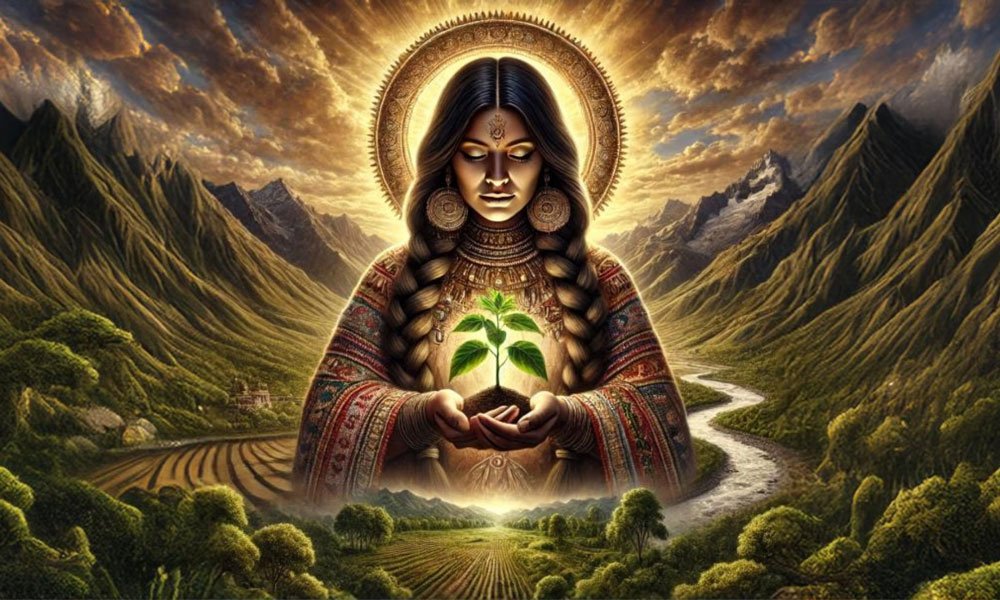
The Concept of Pachamama and Respect for Nature is one of the most powerful ideas in the Andean world. In the Andean cosmovision, Pachamama represents Mother Earth as a living being who nourishes, protects, and sustains all forms of life. Understanding this concept allows us to explore a worldview based on harmony, gratitude, and balance with the natural environment. Although this knowledge comes from ancient cultures, it remains relevant because communities in the Andes continue to honor Pachamama through traditions that connect people with the land and with the cycles of life.
Understanding the Concept of Pachamama and Respect for Nature
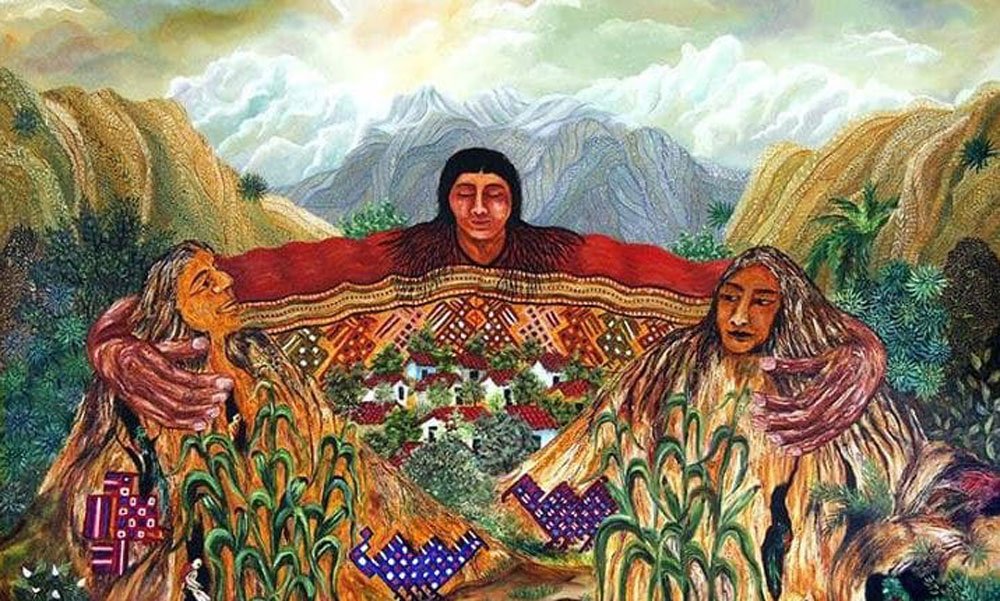
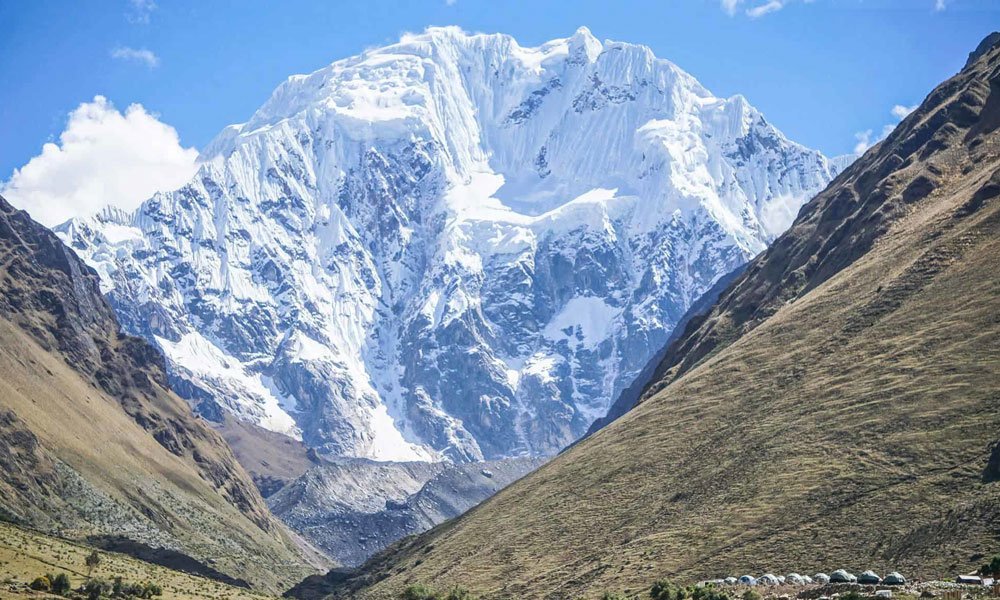
To understand the Concept of Pachamama and Respect for Nature, we must begin with its origin. Pachamama is a combination of two Quechua words: “Pacha” meaning universe, time, space, or world, and “Mama” meaning mother. Together, they refer to a maternal force that embraces the earth, the sky, and the entire living environment. Ancient Andean societies believed that the earth was alive, and therefore it needed attention and gratitude. This belief encouraged humans to maintain a respectful relationship with mountains, rivers, forests, and fields. The earth was not a resource to exploit but a family member to care for and honor.
Historical Background and the Andean World
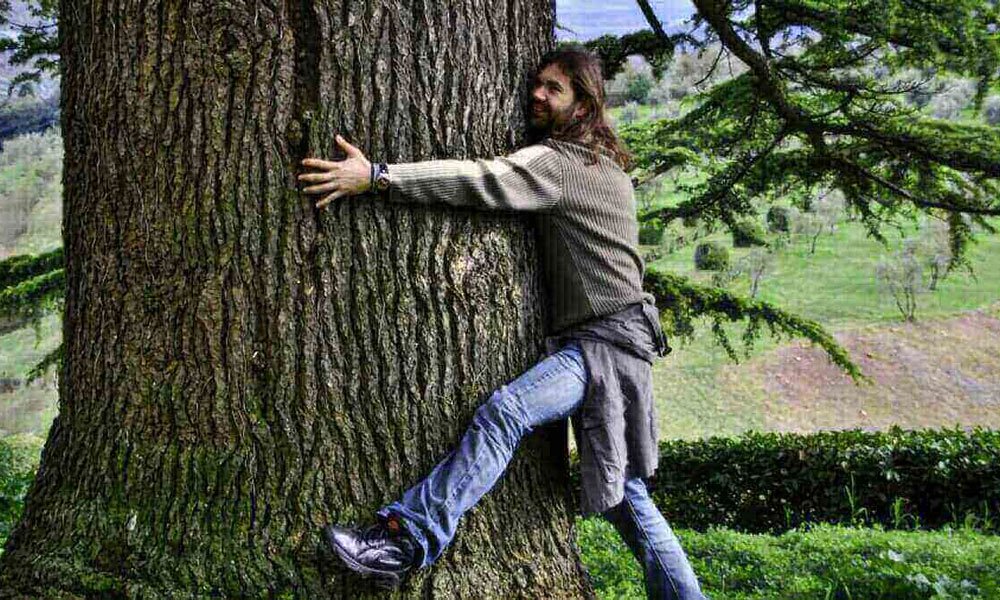
The roots of Pachamama can be traced back to pre-Inca civilizations such as Chavín, Moche, Paracas, and Wari. These cultures observed natural cycles and linked them to divine forces that governed life. Later, the Inca Empire incorporated these ideas into a sophisticated system known as the Andean cosmovision. This worldview organized the universe into three levels: the upper world of celestial beings, the middle world of humans and animals, and the inner world of ancestors and seeds. Pachamama was the sustaining force that kept all levels in balance. This balance was not symbolic but practical, guiding agricultural practices, seasonal celebrations, and community work.
Rituals That Support the Concept of Pachamama and Respect for Nature
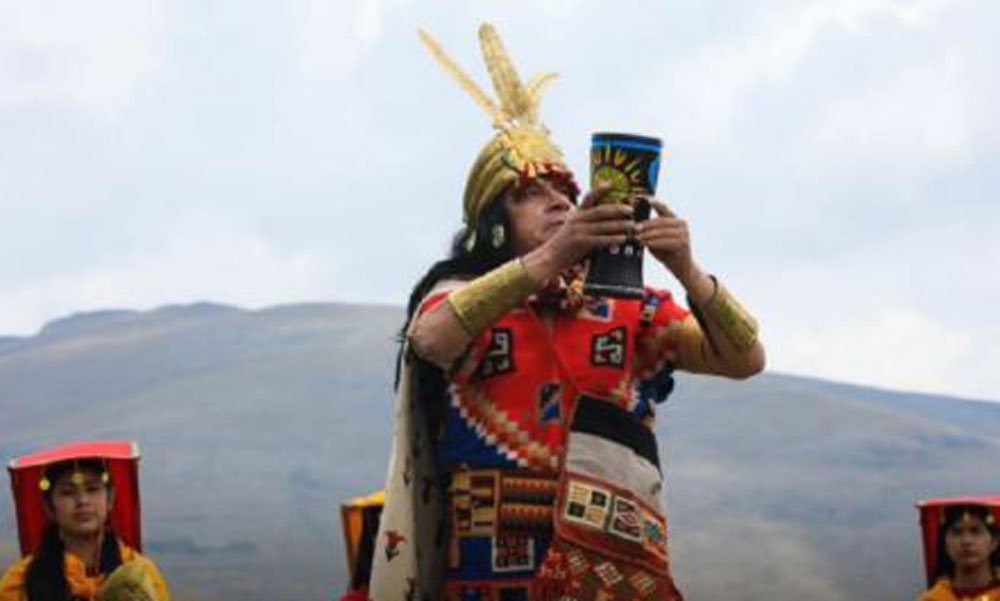
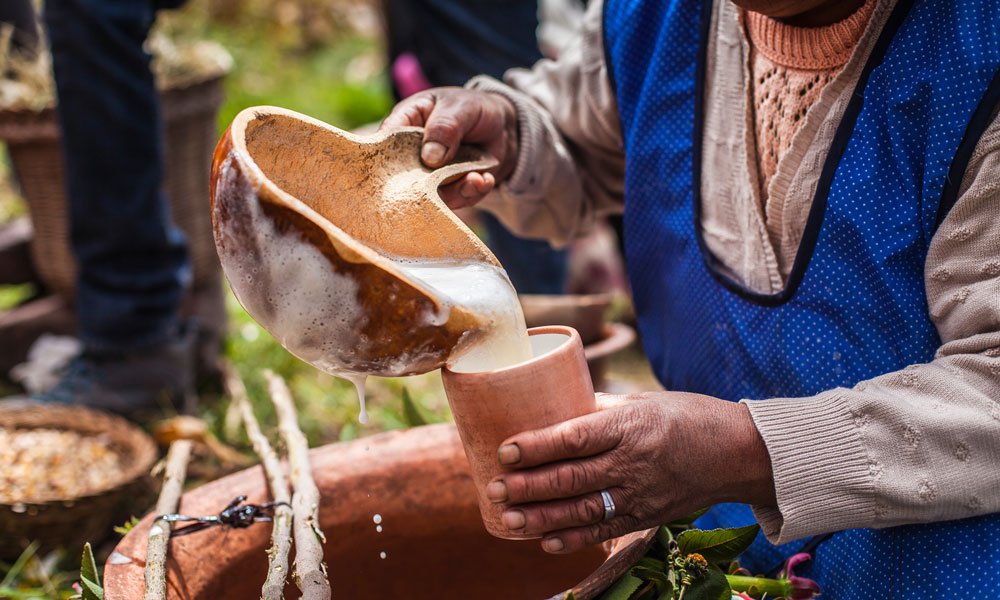
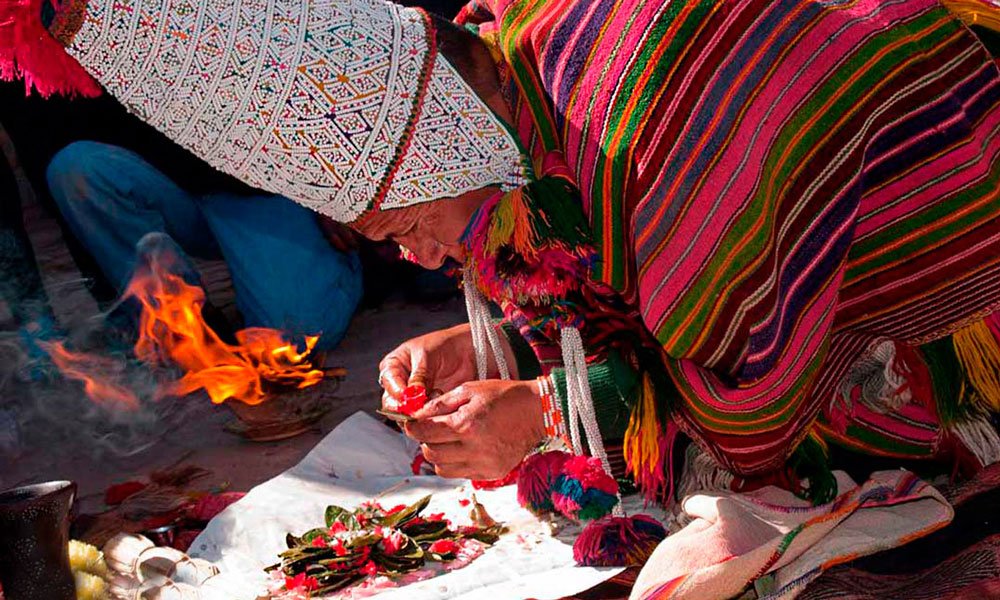
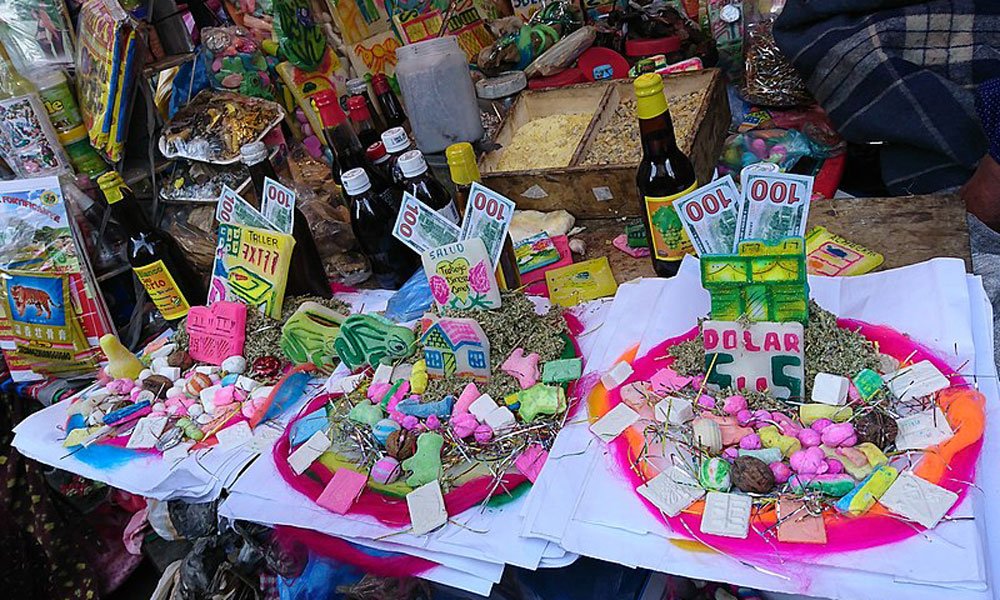
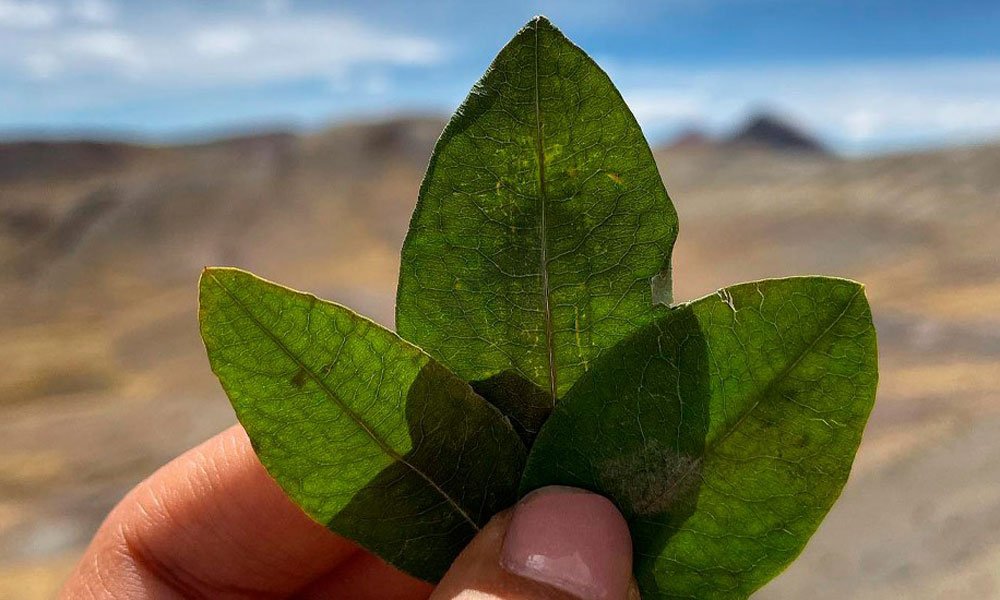
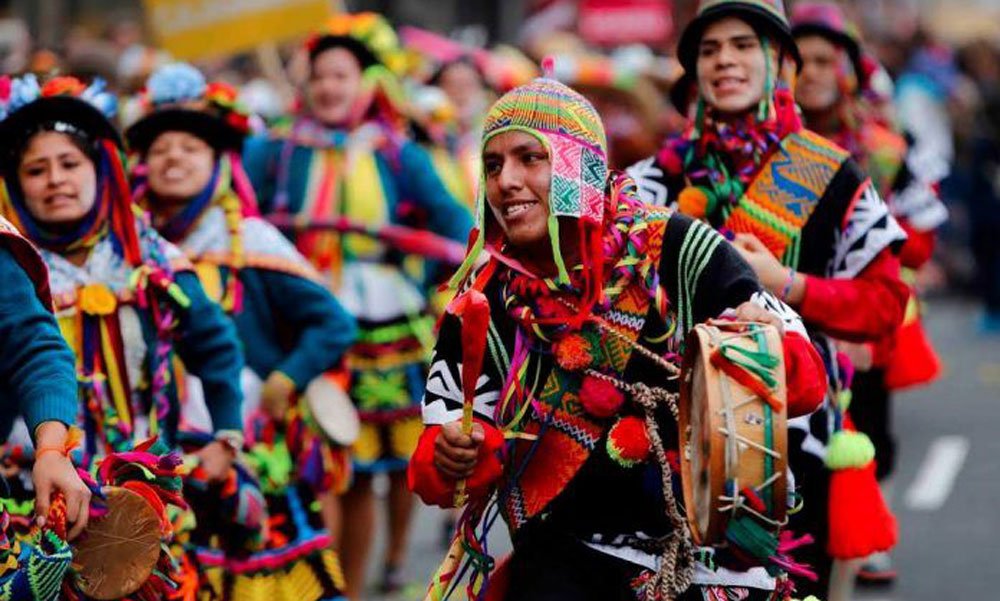
Several rituals continue to express the Concept of Pachamama and Respect for Nature. One of the most important is the “Pago a la Tierra,” an offering to Mother Earth. Families and communities prepare small bundles with coca leaves, grains, flowers, sweets, and symbolic items that represent abundance. These offerings are buried or burned to nourish the earth and thank her for her generosity. Another common practice is the “challa,” where people sprinkle chicha or alcohol on the ground before important events or during agricultural work. These rituals strengthen the bond between humans and nature while reminding everyone that life depends on respect and reciprocity.
The Principle of Reciprocity in Andean Philosophy
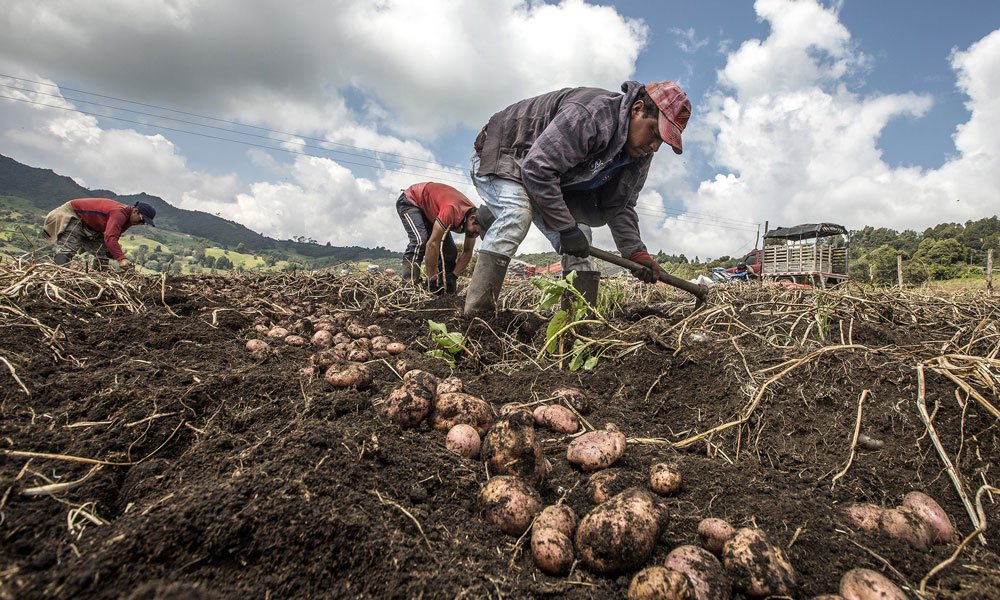
A key idea linked to the Concept of Pachamama and Respect for Nature is ayni, the principle of reciprocity. Ayni teaches that everything in the world operates through mutual exchange. When people receive benefits from the earth, they must give something back. This principle extends to community life because neighbors also support each other during harvests, construction, and celebrations. Ayni promotes social cohesion, environmental care, and responsible use of natural resources. It is a practical lesson that encourages sustainable behavior and reminds us that well-being is shared.
Pachamama in Contemporary Society
Today, the Concept of Pachamama and Respect for Nature has gained global attention. Indigenous communities continue to perform rituals, protect sacred landscapes, and preserve traditional agricultural knowledge. At the same time, many people outside the Andes find inspiration in this ancient philosophy to promote environmental awareness. The idea that the earth is a living being encourages more conscious consumption, sustainable tourism, and protection of fragile ecosystems. Countries such as Bolivia and Ecuador have even recognized the rights of Mother Earth in their constitutions. This recognition marks a significant shift toward understanding nature not as property, but as a subject deserving protection.
Environmental Lessons from the Concept of Pachamama and Respect for Nature
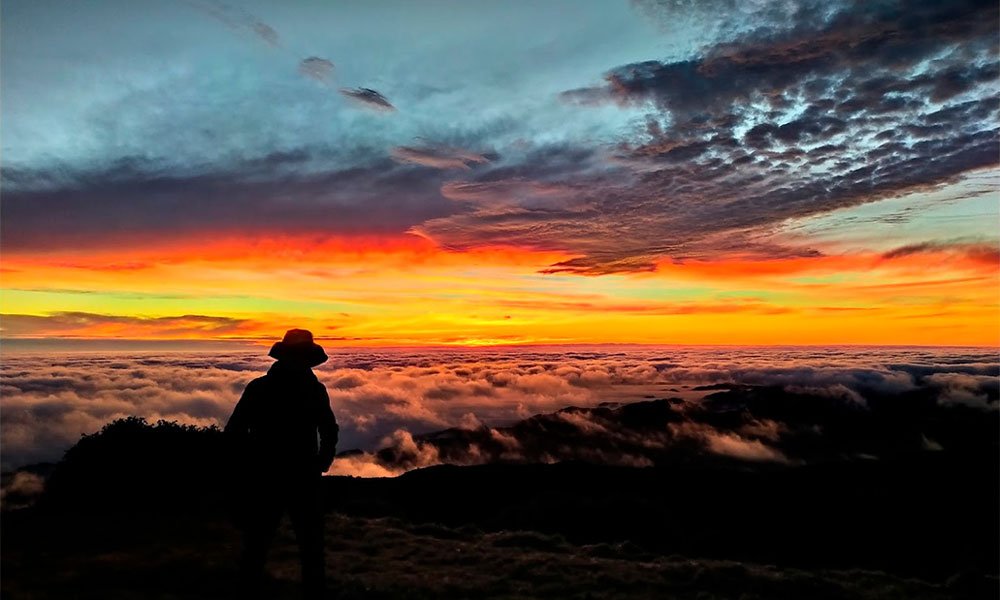
The Concept of Pachamama and Respect for Nature offers several lessons that help address modern environmental challenges. First, it encourages balance, reminding us that excessive exploitation harms both the land and future generations. Second, it promotes gratitude by recognizing the gifts that nature provides. Third, it highlights community responsibility, as environmental care involves collective effort. Finally, it embraces a holistic vision of life that sees mountains, rivers, animals, and humans as interconnected. These lessons can inspire policies and personal actions that lead to healthier ecosystems and more respectful lifestyles.
Experiencing Pachamama Through Cultural Tourism
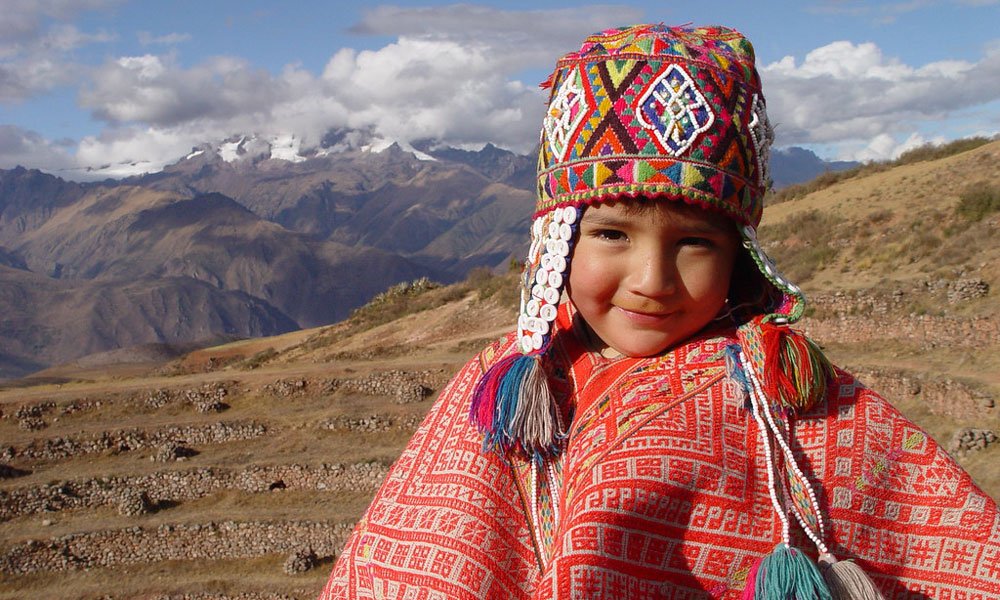
Travelers who visit the Andes often encounter the Concept of Pachamama and Respect for Nature through cultural experiences. Communities in Peru, Bolivia, Ecuador, and northern Argentina offer opportunities to participate in traditional offerings, join agricultural festivals, or learn from local guides about sacred mountains and natural cycles. These experiences encourage travelers to see the environment with new eyes and understand the cultural depth behind sustainable practices. Responsible tourism also helps protect natural areas and supports Indigenous families who preserve these traditions.
Conclusion: The Timeless Value of the Concept of Pachamama and Respect for Nature
The Concept of Pachamama and Respect for Nature teaches that life flourishes when humans live in harmony with the environment. This ancient wisdom remains relevant in a world that faces growing ecological challenges. By adopting principles such as reciprocity, gratitude, and balance, we can protect natural resources and honor the living earth that sustains us. Pachamama is not only a cultural symbol but also a call to act with awareness and responsibility.