


The Route of the Picanterías | A Journey of Flavors and Tradition
Resumen
Cusco Picanterías | General Information
1
What Are Cusco Picanterías?
- Cusco picanterías are traditional establishments that combine the classic chichería culture where chicha de jora and frutillada are served with regional Andean cuisine. These places emerged during the colonial period and became important social gathering spots throughout Cusco.
- Traditionally, picanterías displayed a bamboo stick decorated with rue leaves or corn wrapped in red plastic outside the entrance, signaling that fresh chicha was available.
History and Cultural Significance
- Picanterías evolved from ancient Inca chicherías, blending traditional Andean food culture with social interaction and community gatherings. They became popular spaces where people from different social backgrounds shared meals, drank chicha, celebrated festivities, and strengthened community ties.
2
Iconic Picanterías in Cusco
Location
-
Quinta Waly (Av. Alta 506, Barrio San Pedro)
- Located at Av. Alta 506 in the San Pedro neighborhood, Quinta Waly was founded in 1976 and is famous for dishes such as oxtail stew, mushroom capchi, pork chops with hominy, and traditional frutillada. It is open daily from 12:00 p.m. to 6:00 p.m.
-
Quinta Eulalia (Calle Choquechaca 384, San Blas)
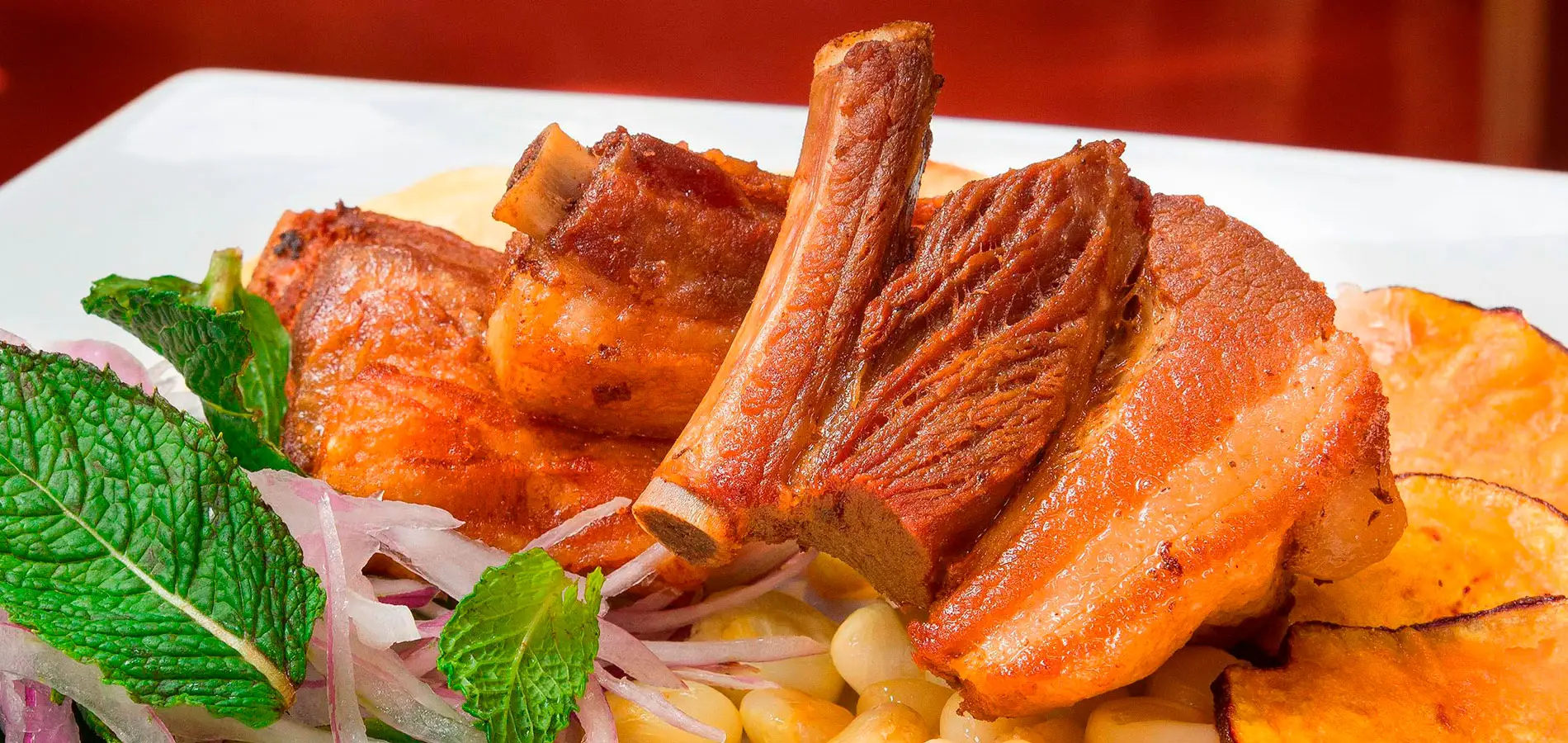
- Situated on Choquechaca Street in San Blas, this traditional picantería dates back to 1941. It is especially well known for its Cusco-style stuffed rocoto peppers, along with dishes such as chairo, roasted pork, and fried pork ribs.
-
Las Manuelitas (Jr. Atahuallpa 433, Tahuantinsuyo)
- Founded in 1930 in the Tahuantinsuyo neighborhood, Las Manuelitas is recognized for its baked guinea pig with stuffed rocoto, tomato-braised tongue, pork cracklings, and homemade frutillada.
-
La Chomba (Av. Tullumayo 339)
- Located on Tullumayo Avenue, La Chomba offers a rustic atmosphere with generous portions and hearty traditional dishes, including fried malaya beef, trout, and guinea pig. Frutillada and local live music are essential parts of the experience.
-
La Cusqueñísima (Alfredo Yépez / Magisterio)
- This modern picantería, located in the Magisterio district, focuses on preserving ancestral recipes while offering a refined dining experience. The restaurant provides guided tastings, family-friendly service, and beautifully presented traditional dishes.
Traditional Dishes and Beverages
-
Main Dishes
- Cusco picanterías serve a wide variety of authentic regional specialties, including pepián de cuy, fried pork ribs, fried malaya beef, roasted pork, tomato-braised tongue, pork cracklings, baked guinea pig, quinoa soup, and traditional chicken broth.
-
Traditional Beverages
- The most iconic drink is chicha de jora, a fermented corn beverage deeply rooted in Andean culture. Another local favorite is frutillada, a sweet variation of chicha mixed with strawberries, considered one of Cusco’s signature drinks.
-
Cultural Elements
- Many picanterías continue to preserve cultural traditions by serving spicy uchucuta sauce made with rocoto peppers and local herbs, while also featuring live folk music and traditional games such as sapo.
The Route of the Picanterías | A Journey of Flavors and Tradition is a culinary experience that allows visitors to discover the richness of Cusco’s gastronomy in its most authentic form. Picanterías are iconic cultural spaces where Andean recipes blend with Spanish influences, creating a culinary tradition that has endured since colonial times. These establishments have become true gastronomic and cultural symbols of Cusco, preserving cooking techniques, flavors, and customs passed down through generations.
The tour includes visits to places such as San Pedro Market, the traditional restaurant La Chomba, and the famous picantería Mamá Trini. Along the way, travelers can taste authentic local specialties including Chiri Uchu, Cusco-style adobo, cuy chactado, quinoa soup, and pachamanca. Every dish represents a living expression of Andean culinary history and tradition.
This gastronomic tour in Cusco is perfect for travelers seeking an authentic and immersive cultural experience. In addition to enjoying traditional cuisine, participants learn about the history behind each dish, local customs, and the cultural importance of the picantería tradition. It is an unforgettable experience for lovers of Peruvian gastronomy and experiential tourism in Cusco.
Itinerary
The Traditional Picantería Route | A Journey Through Flavor and Tradition
1
Day 1
ITINERARY
Meeting Point at San Francisco Square (Historic Center of Cusco)
- The gastronomic tour begins at San Francisco Square, where the guide introduces the history of Cusco’s traditional picanterías and explains the fusion between Andean and Spanish cuisine.
Guided Visit to San Pedro Market
- Enjoy a guided walk through San Pedro Market to discover native Andean ingredients such as corn, potatoes, chili peppers, and quinoa. Travelers will also taste traditional pan chuta, fresh cheese, and natural fruit juices.
Tasting Experience at La Chomba Traditional Picantería
- We continue to the traditional picantería La Chomba, where visitors will enjoy classic dishes such as Cusco-style adobo, cuy chactado, quinoa soup, and chicha de jora while learning about the restaurant’s history and culinary traditions.
Visit and Lunch at Mamá Trini Picantería
- The tour continues to the renowned Mamá Trini picantería, where guests will savor traditional specialties including Chiri Uchu and Andean pachamanca, both prepared over a traditional wood-fired stove.
Cultural Closing and Traditional Recipe Souvenir
- The experience concludes with a cultural talk about the importance of Cusco’s picanterías in preserving local traditions. Participants will also receive a traditional recipe as a special souvenir from Cusco.
Includes
What’s Included in the Traditional Cusco Picantería Tour?
Guide and Assistance
- Bilingual gastronomic guide in Spanish and English.
- Clear explanations about traditional dishes and local history.
- Assistance and guidance throughout the entire tour.
San Pedro Market Visit
- Guided tour through the traditional San Pedro Market.
- Learn about the main Andean ingredients used in local cuisine.
- Tasting of traditional local products.
Transportation
- Tourist transportation or safe local taxis.
- Transfers between the different tour locations.
- Organized and punctual service.
Gastronomic Tastings
- Tasting of traditional Cusco dishes.
- Includes adobo, guinea pig, Chiri Uchu, and quinoa soup.
- Pachamanca included depending on the season.
Traditional Beverages
- Traditional chicha de jora tasting.
- Natural local refreshments.
- Hot herbal infusion at the end of the tour.
Cultural Experience
- Brief explanation of each traditional dish.
- Connection between local cuisine and cultural customs.
- Complete gastronomic and cultural experience.
Group Size
- Small groups with a maximum of 10 participants.
- Personalized attention during the tour.
What’s not Included in the Traditional Cusco Picantería Tour?
Transfers
- Hotel pickup is not included.
- Meeting point is at San Francisco Square.
Additional Consumption
- Extra dishes or beverages not mentioned in the program.
- Additional personal expenses at each location.
Personal Expenses
- Purchases at markets or local shops.
- Souvenirs or extra products.
Recommendations
Recommendations for the Traditional Cusco Picantería Tour
Comfortable and Lightweight Clothing
- Wear layered clothing for changing weather conditions.
- Bring a T-shirt, light sweater, and a jacket.
- Ideal for walking comfortably throughout the tour.
Appropriate Footwear
- Wear comfortable closed-toe sneakers or walking shoes.
- Non-slip soles are highly recommended.
- Some cobblestone streets may be uneven.
Hydration
- Bring a personal water bottle.
- Cusco’s climate is usually dry.
- Staying hydrated during the tour is important.
Spiced and Traditional Food
- Some traditional dishes may have strong flavors or spices.
- If you are sensitive to spicy food, inform the guide.
- This will help you choose milder options if needed.
Dietary Restrictions
- Inform the guide about allergies or special diets in advance.
- Some picanterías may offer limited alternatives.
- It is always better to notify before the tour begins.
Camera or Cell Phone
- Bring your devices fully charged.
- Perfect for taking photos of markets and traditional dishes.
- You may also bring a portable power bank.
Cash Money
- Carry some Peruvian soles for additional purchases.
- Useful for market shopping or optional tips.
- Suggested amount: between S/20 and S/50.
Sun Protection
- Use sunscreen, sunglasses, and a hat.
- The sun in Cusco can be very intense.
- Also bring a light jacket for sudden weather changes.
Respect for Traditional Places
- Keep your phone on silent mode when appropriate.
- Ask permission before taking photos or videos.
- Respect the traditional and cultural atmosphere.
Punctuality
- Arrive at least 10 minutes before the meeting time.
- The tour starts at San Francisco Square.
- Being punctual helps avoid delays during the experience.
Questions FAQ's
Frequently Asked Questions About the Traditional Cusco Picantería Tour
Is it safe to eat at markets like San Pedro?
- Yes, it is generally safe to eat at traditional markets such as San Pedro. In addition, the food is usually fresh and locally prepared. For this reason, visiting earlier in the day is recommended.
Is Cusco food very spicy?
- In general, Cusco cuisine is not extremely spicy. However, some dishes include traditional chili peppers. Therefore, you can request milder options during the tour if preferred.
What traditional beverages are included in the tour?
- The tour includes tastings of beverages such as chicha de jora and chicha morada. In addition, herbal infusions like coca tea or muña tea are often served. This also helps with digestion and acclimatization.
What is the best season for this tour?
- The dry season is considered the best time to enjoy the tour, especially between May and September. As a result, visitors can experience more stable weather conditions.
Are there vegetarian or gluten-free options available?
- Yes, there are alternatives such as quinoa soup, corn with cheese, and humitas. Additionally, some dishes can be adapted for special dietary needs. Therefore, it is important to inform the tour operator in advance.
Can altitude sickness affect the dining experience?
- Yes, altitude may affect some travelers during meals. For this reason, staying hydrated is highly recommended. In addition, drinking herbal infusions can help with acclimatization.
What pre-Hispanic cooking methods are used in picanterías?
- Traditional techniques such as earth ovens and clay pots are still used today. Likewise, wood-fired cooking remains very common. In this way, authentic ancestral flavors are preserved.
How did Inca and colonial traditions influence Cusco cuisine?
- Cusco gastronomy combines native Andean ingredients such as potatoes and quinoa with techniques and ingredients introduced during the Spanish colonial period. As a result, a unique culinary fusion was created.
Can I buy local products during the tour?
- Yes, visitors can purchase local products such as chili peppers, quinoa, snacks, and handmade goods at the market. However, these items are not included in the tour price. Therefore, bringing cash is recommended.








 Duration: Full day
 Group Size: 10 – 20 People
 Difficulty: Easy
 Entrance Fees: Not included
 Service Type: Group Service


